Wedding Checklist: Complete Step-by-Step Checklist
The full countdown, from the first 12-month decisions to the quiet tasks of the week after, ordered so the slow things happen early and the fast things land late.
A wedding checklist is the difference between planning that feels like a slow, pleasant march and planning that feels like a stampede in the final fortnight. It is not one long list of chores; it is a sequence, ordered so the slow-moving decisions happen while you still have time to change your mind and the fast-moving ones land near the end when everything is confirmed. This guide walks the whole countdown, from the first twelve-month decisions to the quiet tasks of the week after, so you can see the shape of the year before you commit to any single item on it.
The short version
- Order beats effort. A checklist works because it sequences tasks, not because it lists them.
- Book slow things first. Date, venue and key vendors get scarce; lock them 9 to 12 months out.
- Money frames everything. Set the budget before the guest list, because guests drive most of the cost.
- The last two weeks are for resting, not for adding polish. Delegate and stop deciding.
What a wedding checklist really does
A checklist is a simple tool with a serious job: it moves tasks out of your memory and onto paper, so your attention is free for the decisions that actually need judgement. Pilots and surgeons use them for exactly this reason, and a wedding is no different in structure, just warmer in tone. When every task has a home and a rough date, the planning stops feeling like a cloud of worry and starts feeling like a path you are walking down.
The trick is that a good wedding checklist is sequenced, not alphabetised. Some decisions unlock others. You cannot design invitations before you have a date, cannot fit a dress you have not ordered, cannot plan a menu before you know the venue's kitchen. So the list below is organised as a countdown, and the single most useful habit is to work top to bottom and resist jumping ahead to the fun, late-stage tasks before the foundational ones are done.
12 months and earlier: the foundations

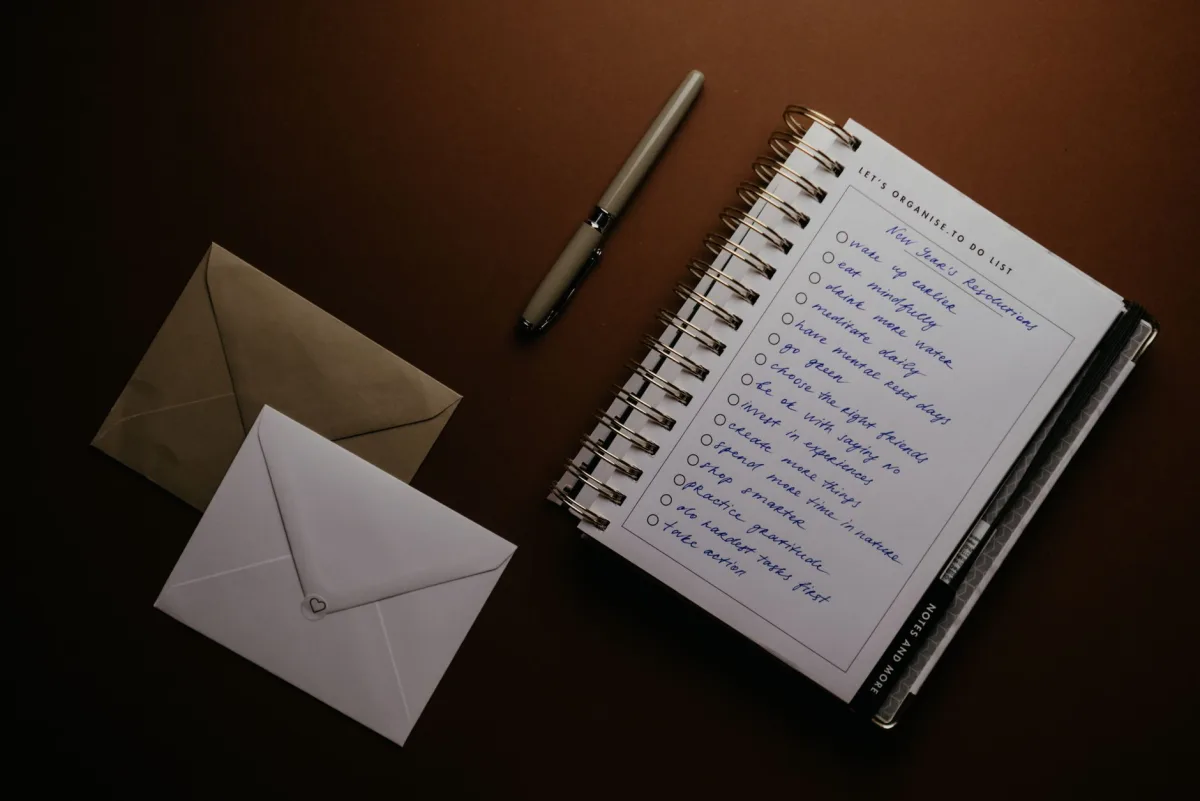

The earliest phase is about the three or four decisions that everything else hangs from. Get these right and the rest of the year is decoration; get them wrong and you spend months working around them.
Set the budget first
Agree a total and who is contributing before you fall in love with anything. The budget is the frame every later choice sits inside.
Draft the guest list
A rough headcount, not final names. Guest count is the single biggest cost driver: it sets your venue size, catering and stationery.
Choose a date and season
Pick a target date or a shortlist of two or three. Season shapes cost, attire and daylight more than most couples expect.
Book the venue
Popular venues book a year or more ahead. Once the venue and date are confirmed, the rest of the checklist has something solid to attach to.
If you take one thing from this phase, let it be the order: budget, then guest list, then date, then venue. Couples who reverse it, falling for a venue before they have counted heads or money, are the ones who end up cutting things they cared about later. For a deeper walk through the money side of this stage, our wedding budget checklist breaks the total into realistic slices.
9 to 12 months: lock the long-lead vendors
The best vendors and the longest-lead items go now, because they sell out and because they take time to deliver. This is the phase where hesitation costs you options rather than money.
- Order the dress or bridal wear. Gowns and heavily worked outfits can take six to nine months to make and alter, so this is not a task to postpone.
- Book the photographer and videographer. The good ones are reserved a year out; you are booking a specific person's calendar, not a service you can summon later.
- Reserve catering and the key entertainment. If your venue does not cater in-house, secure a caterer, and pencil in a band or DJ.
- Consider a planner. If you want professional help, hire it now so they can shape the whole year rather than rescue the final weeks. Our overview of what a wedding planner does explains where they add the most value.
- Send save-the-dates. Especially for a destination wedding or a peak-season date, give guests time to plan and travel.
A wedding planner is optional, not obligatory, and plenty of couples run a beautiful day without one. What is not optional is booking your non-negotiable vendors early. Decide which two or three elements matter most to you, photography, food, music, and protect those slots before anything else.
6 to 9 months: the shape of the day
With the big rocks in place, this phase fills in the texture. It is the most creative stretch of planning and, handled calmly, the most enjoyable.
Stationery and invitations
Design and order invitations now so they can be sent around three months out. Confirm wording, RSVPs and any inserts.
Flowers and decor
Meet florists and decorators, agree a palette, and match the look to your venue and season rather than to a single photo you saw.
Beauty and grooming
Book hair and makeup, and start any skincare routine now, because skin responds slowly and hates last-minute change.
Cake and extras
Order the cake, arrange transport, and sort accommodation blocks for travelling guests while good options remain.
This is also the natural moment to register gifts, plan any pre-wedding events, and rough out a running order for the day. You do not need every detail settled, only a skeleton you can hang later decisions on. If flowers and styling are where your heart is, browse our wedding ideas for direction that still leaves room for your own taste.
1 to 3 months: confirm everything
The middle-distance phase is about turning plans into confirmations. Nothing new should be invented here; the work is to nail down, chase and finalise.
- Send invitations around eight to twelve weeks out and set a clear RSVP deadline you will actually enforce.
- Attend fittings. A first and second dress fitting fall in this window, with the final one saved for the last fortnight.
- Do hair and makeup trials. Test the full look at the same time of day as the wedding, and photograph it in natural light.
- Finalise numbers with vendors. Caterers, the venue and the cake maker need firm counts and dietary notes as RSVPs land.
- Buy the rings and arrange any resizing, and sort the marriage licence or legal paperwork your jurisdiction requires.
As RSVPs arrive you will get your true headcount, which lets you build the seating plan and give final figures to everyone who is paid per head. Keep one shared document, digital or printed, where every confirmed number lives, so you are never guessing when a vendor asks.
The final two weeks and the day itself
The last fortnight has a different job from every phase before it. Your task now is not to improve the plan but to protect your energy and hand it off. Confirm arrival times with every vendor in writing, do the final dress fitting, break in your shoes, and assemble an emergency kit of the small things that save a day: safety pins, plasters, a stain pen, painkillers, a phone charger.
Then delegate. Write a simple timeline for the day and give a copy to whoever is coordinating, whether that is a hired planner or a capable friend, so that on the morning you are following the plan rather than running it. The golden rule of the final two weeks is to stop deciding: the version of the day you built when you had time to think is better than anything you will improvise while tired.
The week after the wedding has its own short list that is easy to forget in the glow: return any hired outfits, send thank-you notes, settle final vendor balances, and preserve the dress and the flowers if you want to keep them. Tick those off and the checklist finally, properly, closes.
How to build a checklist you will actually use
A checklist only helps if you look at it. Keep it in one place, whether a printed sheet on the fridge or a shared document both partners can edit, and give every task a rough month rather than an exact date so it stays flexible. Review it once a week for ten minutes rather than in occasional panics. Matrimony360 publishes guides across the whole journey, from the first conversation about marriage to the last thank-you card, and pairing a countdown like this with a clear budget is the closest thing to a stress-free plan there is. Treat the list as a servant, not a master: it exists to carry the details so you can enjoy the year the details are building toward.
Frequently asked questions
How far in advance should I start a wedding checklist?
For a formal wedding, twelve to fifteen months is comfortable, and the longest-lead items, the venue, the dress and popular photographers, are worth locking even earlier. A shorter runway is entirely workable; you simply compress the early phases and accept fewer options on the most in-demand vendors. The value of starting early is not doing more, it is spreading the same work over enough time that nothing important gets rushed.
What is the very first thing on the checklist?
The budget, followed immediately by a rough guest count. These two decisions frame everything else, because guest numbers drive most of the cost and the budget sets the ceiling every later choice sits under. Couples who choose a venue or a date before settling money and headcount almost always find themselves reworking those glamorous early decisions once the maths catches up.
Do I need a wedding planner to follow a checklist?
No. A checklist is a self-service tool, and many couples plan a wonderful day without any professional help. A planner is worth considering if your schedule is tight, your wedding is large or far away, or you simply want the reassurance of an expert running the logistics. If you do hire one, do it early so they can shape the whole plan rather than inherit a half-built one in the final weeks.
What should I not leave until the last minute?
Anything with a long lead time or a fixed capacity: the venue, the dress, the photographer, the caterer and any legal paperwork such as a marriage licence. Beauty trials and final fittings belong near the end, but the things that sell out or take months to produce must be handled early. A good rule is to ask of any task, does this get scarcer or slower the longer I wait, and if so, do it now.
How do I keep two people coordinated on one checklist?
Use a single shared document that both partners can see and edit, rather than two private lists that drift apart. Assign each task an owner so nothing sits in the gap between you, and hold a short weekly review to move items along and surface anything stuck. The aim is one source of truth: when a vendor asks a question, either of you should be able to answer it from the same place.