Event Coordination: The Complete Guide
What coordination really means, its phases, the all-important run-of-show, a working timeline and the mistakes that cost you, in one clear pass.
Event coordination is the quiet craft of turning a plan on paper into an evening people actually remember. It is the layer between the big creative idea and the moment a guest walks in, and it lives in the details: who arrives when, what plugs into which socket, and who makes the decision when the cake is late. This guide takes the whole subject in one pass, from what coordination really means to the phases, skills and timeline behind it, so you can see the job clearly before you hire for it or take it on yourself.
The short version
- Coordination is execution, not invention. The plan sets the vision; coordination makes it happen on the day.
- It runs in phases. Briefing, logistics, run-of-show, on-site delivery and wrap-up each need their own attention.
- The run-of-show is the spine. A minute-by-minute schedule is the single document that keeps everyone moving together.
- Calm is a skill. The best coordinators solve problems before guests notice them, and never let stress reach the room.
What event coordination actually means
At its heart, event coordination is the management of all the moving parts that make a gathering run on time and without visible friction. It sits inside the broader field of event management, which covers everything from the first concept and budget to the final invoice. Coordination is the part of that field that comes alive closest to the event itself: aligning vendors, sequencing the schedule, and being the calm point of contact when a hundred small things all need answers at once.
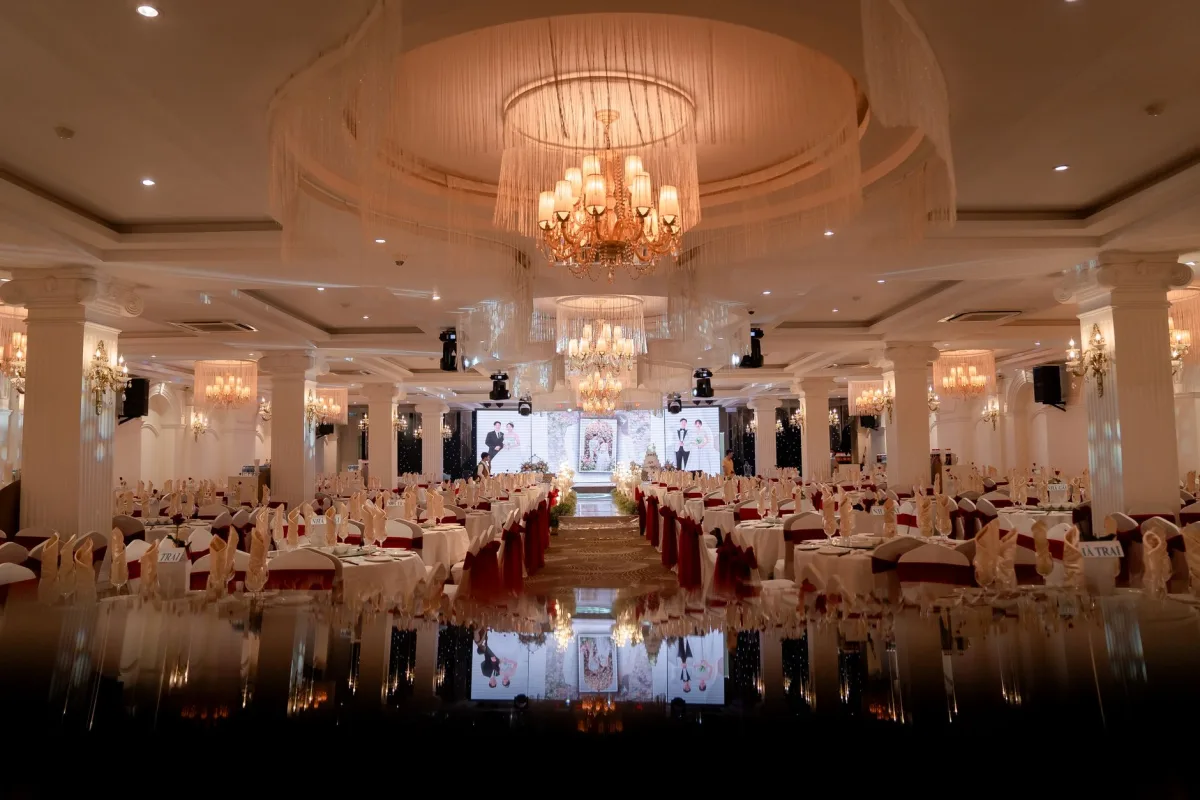
A useful way to picture it is that a plan describes what should happen, while coordination makes sure it does. Someone decides the wedding will have a first dance at nine. Coordination is what confirms the band knows the song, the floor is clear, the photographer is in position, and the couple are actually in the room at eight fifty-five. Multiply that single cue across an entire day and you have the job: dozens of moments, each depending on people who have never worked together, all landing in the right order.
Coordination is not the same as planning
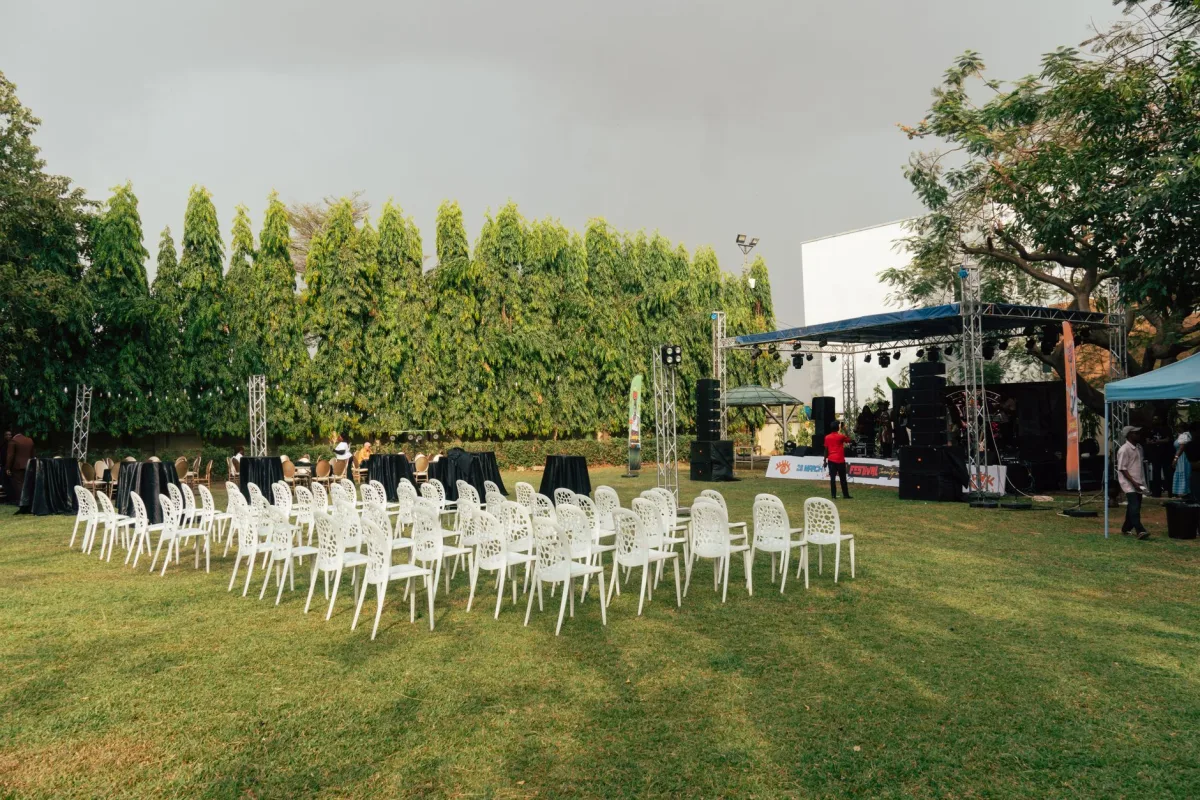
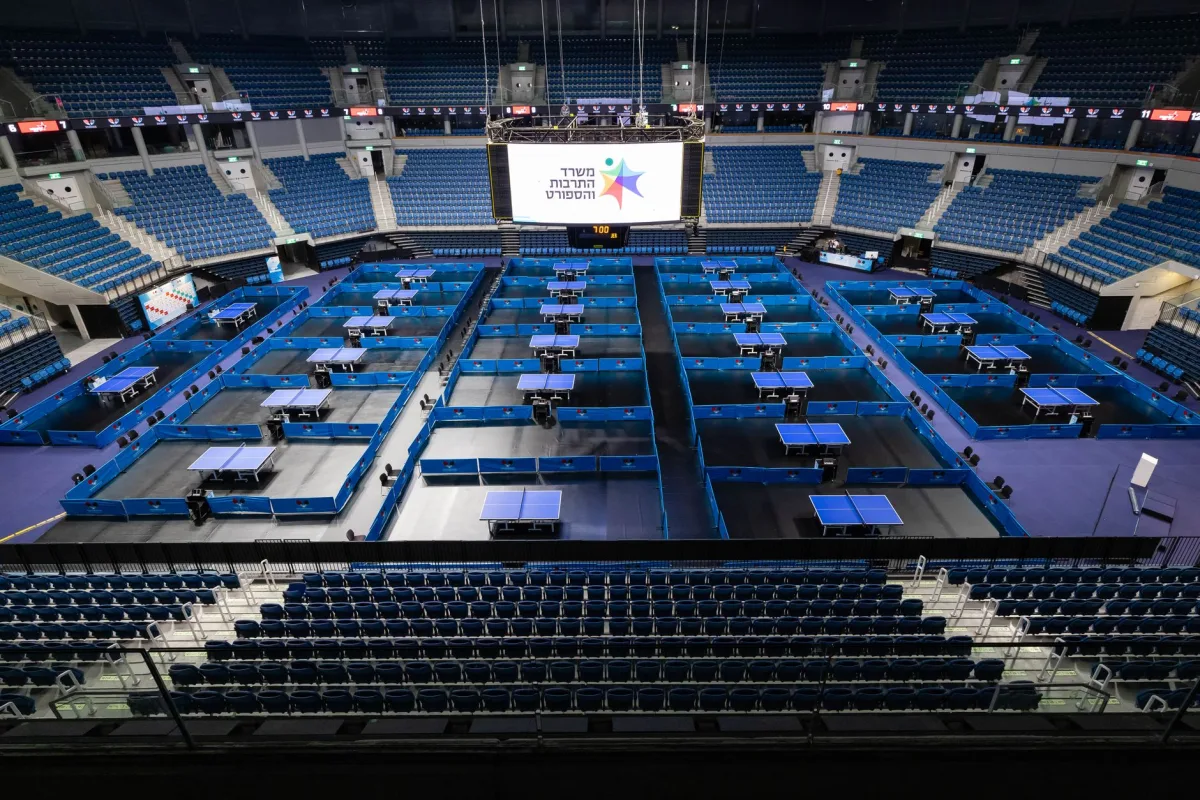

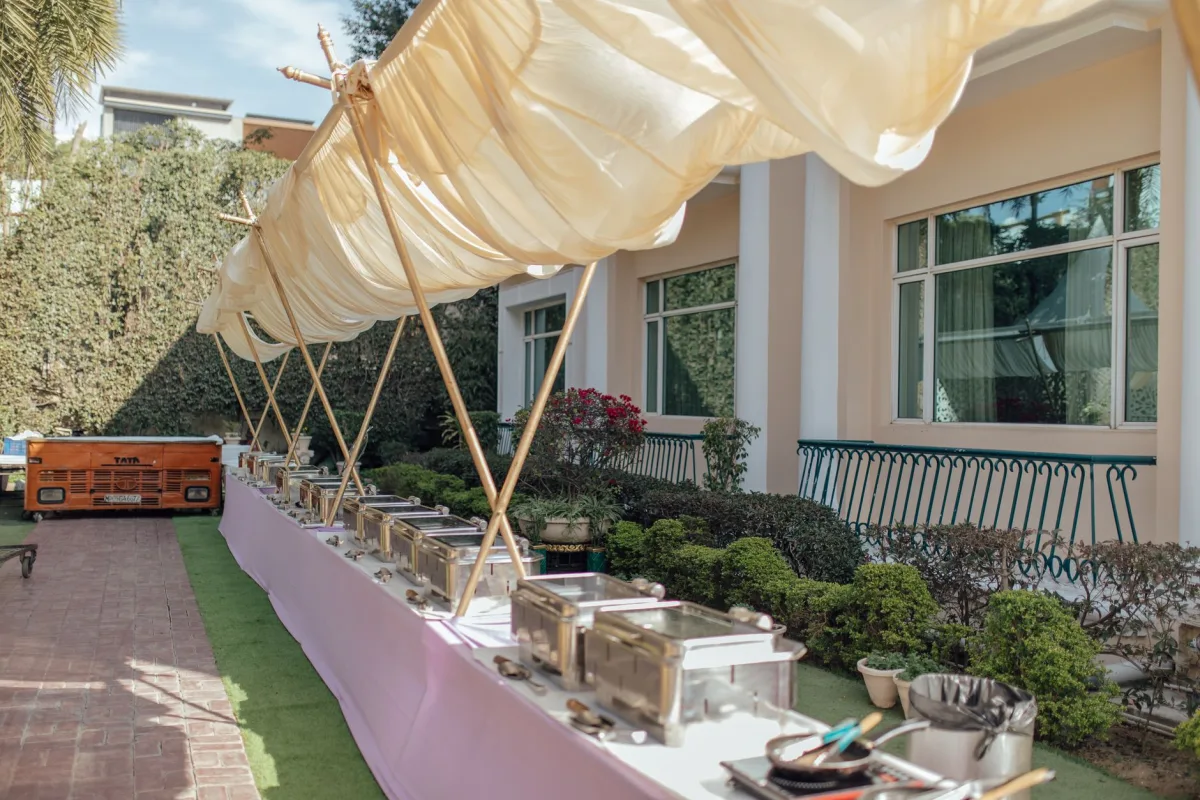
The two words are used loosely, and confusing them costs money and nerves. Planning is the design phase: choosing the venue, setting the budget, booking vendors and shaping the vision over weeks or months. Coordination is the delivery phase: taking that finished plan and running it flawlessly on the day. Many professionals do both, but they are genuinely different skills, and understanding the split helps you buy exactly what you need.
This is why so many couples who plan their own wedding still hire a coordinator for the final stretch, often called day-of or month-of coordination. They have made every decision themselves, but they do not want to be checking a timeline and chasing the caterer while they are meant to be getting married. If you want the full picture of who does what across the whole event lifecycle, our guide to the event coordinator role breaks the job down further, and the wider event management companies overview shows how agencies package planning and coordination together.
The core phases of coordinating an event
Good coordination is not improvised on the night. It follows a sequence, and each phase feeds the next. Skip one and the pressure lands on the day itself, which is exactly where you have the least room to fix anything.
The brief
Everything the coordinator inherits: the vision, budget, guest count, vendor list and any non-negotiables. A vague brief guarantees surprises later.
Logistics mapping
Turning the brief into who, what, where and when. Deliveries, access times, floor plans, power, parking and the order things must be set up in.
The run-of-show
A minute-by-minute schedule of the event with every cue, contact and responsibility named. This is the single most important coordination document.
On-site delivery
Running the day: briefing vendors, managing the timeline, solving problems quietly and keeping the hosts free to enjoy themselves.
Wrap-up
Breakdown, returns, final payments, lost property and a debrief. The event is not over until everything is cleared and settled.
Notice how much of the work happens before anyone arrives. By the time guests walk in, a well coordinated event is mostly a matter of following a document that was written days earlier. The drama that people imagine, the frantic phone calls and last-minute panics, is usually a symptom of weak logistics mapping earlier in the chain.
The run-of-show, your single most important tool
If you take one habit from professional coordinators, make it the run-of-show, sometimes called the timeline or the schedule of the day. It is a simple document, often just a table, that lists every moment of the event from the first delivery to the last guest leaving. Against each time it names what happens, who is responsible, and who to call if it slips.
A good run-of-show is written from the guest experience backwards. You decide when dinner is served, then work out when the kitchen must start plating, when the caterer must arrive, and when the tables must be dressed. Each anchor moment pulls a chain of earlier tasks into place. Shared with every vendor in advance, it means nobody is guessing on the day, and a change in one place can be traced instantly through everything it affects. Discipline like this is borrowed straight from project management, where sequencing dependent tasks is the whole game.
A working timeline for coordinating any event
Every event is different, but the shape of the coordination effort is remarkably consistent. Here is a broad rhythm that scales up or down, whether you are running a birthday for forty or a wedding for four hundred.
- Four to eight weeks out: confirm every vendor in writing, collect their arrival and access needs, and start building the run-of-show around the fixed anchor points.
- Two weeks out: circulate a draft timeline to all suppliers, walk the venue if you can, and lock the floor plan, power and parking details.
- The final week: confirm final numbers, brief anyone helping on the day, print or share the schedule, and prepare an emergency kit and contact sheet.
- The day before: reconfirm deliveries by phone, check the venue is ready to receive, and get a full night of sleep, which is a genuine part of the job.
- The event day: arrive early, brief vendors as they land, hold the timeline, and make every decision so the hosts never have to.
- After: oversee breakdown, return hired items, settle balances and note what you would change next time.
If you would like a printable version of this rhythm to work through, our event planning checklist turns the phases above into tickable tasks, and the dedicated event planning coordinator checklist goes deeper on the coordination stretch specifically.
Common pitfalls and how to avoid them
Most coordination failures are not dramatic. They are small oversights that compound. Knowing the usual suspects lets you design them out before they cost you.
- No single point of contact. When vendors have three different people to ask, they get three different answers. Name one coordinator and route everything through them.
- An optimistic timeline. Real events have gaps, spills and speeches that overrun. Build in buffer time between anchor moments so one delay does not topple the rest.
- Forgetting access and egress. Load-in times, lift bookings, parking and breakdown windows are invisible until they go wrong. Confirm them in writing.
- The host running the show. A host who is chasing suppliers is not enjoying their own event. The point of coordination is to lift that weight entirely.
- No plan B for weather or no-shows. A wet-weather option and a backup for a key vendor turn a potential disaster into a minor adjustment.
Weddings, the ultimate coordination test
Weddings are where event coordination is stretched hardest, because they combine a tight emotional timeline, many independent vendors, and a couple who should be present rather than managing. A wedding coordinator, a close relative of the wedding planner, is often the difference between a day that flows and one that lurches from crisis to crisis behind the scenes.
The principles are identical to any other event, only the stakes feel higher and the schedule is less forgiving. A ceremony cannot simply start late without a cascade of consequences through the photography, the meal and the evening. This is why so much wedding coordination lives in the run-of-show and in confirming vendors twice. If you are coordinating a wedding specifically, our wedding management guide applies these same ideas to the particular shape of a wedding day. At Matrimony360 we see coordination as the natural next step after two people decide to build a life together: first the match, then the celebration that announces it.
Frequently asked questions
What is the difference between event coordination and event planning?
Planning is the design phase, choosing the venue, setting the budget and booking vendors over weeks or months. Coordination is the delivery phase, taking that finished plan and running it smoothly on the day itself. Many professionals offer both, but they are distinct skills. This is why couples who plan their own wedding often still hire a coordinator just for the final stretch, so they can enjoy the day rather than manage it.
Do I really need an event coordinator?
For a small, simple gathering you can often coordinate it yourself. The value of a dedicated coordinator rises with the number of vendors, the size of the guest list and how much the hosts want to be present rather than working. If you find yourself unable to name a single person responsible for the timeline on the day, that is usually the sign you need one, whether hired or a capable friend.
What is a run-of-show?
A run-of-show is a minute-by-minute schedule of the event, listing every moment from the first delivery to the last guest leaving. Against each time it names what happens, who is responsible and who to contact if it slips. Shared with every vendor in advance, it is the single most important coordination tool because it means nobody is guessing on the day and any change can be traced through everything it affects.
How far in advance should coordination start?
The intensive coordination work usually begins four to eight weeks before the event, once the plan and vendors are locked. That window is used to confirm suppliers in writing, gather their logistics needs and build the run-of-show. The final week is for reconfirming numbers, briefing helpers and preparing for the day. Trying to coordinate everything in the last few days is the most common source of avoidable stress.
Can one person coordinate a large event alone?
Up to a point. A single skilled coordinator can run a surprisingly large event if the planning was thorough and the run-of-show is solid, but there is a limit. Very large events need a small team, each holding a zone such as catering, the ceremony area or guest arrivals, all reporting to one lead coordinator. The key is that decisions still funnel to a single person so the event speaks with one voice.