Event Planning: Complete Step-by-Step Checklist
A practical, step-by-step checklist for planning any event, from the first idea to the moment the last guest goes home.
Every good event, a wedding, an engagement, a milestone birthday or a corporate evening, looks effortless from the outside and runs on a hundred quiet decisions underneath. The difference between a smooth day and a stressful one is almost never talent or budget; it is a checklist worked through in the right order, early enough to breathe. This is that checklist: a practical, step-by-step framework you can adapt to any event, from the first idea to the moment the last guest goes home.
The short version
- Plan backward from the date, so slow decisions happen early and fast ones happen late.
- Three numbers anchor everything: the budget, the guest count and the date. Fix them first.
- The venue drives the rest. Book it before catering, styling or entertainment.
- A run sheet saves the day. A written timeline handed to helpers is what stops chaos on the day itself.
Start with the why, not the what
Before a single vendor is contacted, answer one question: what is this event for? Every later decision flows from the purpose. A celebration meant to feel intimate and warm makes different choices about venue, guest count and budget than one meant to impress. Professionals in the field, the discipline known as event management, always define objectives and audience before logistics, because a clear purpose turns a thousand possible choices into a handful of obvious ones. Write your purpose in a sentence and keep it where you can see it; it is the tie-breaker for every disagreement to come.
The three anchors: budget, guests, date


Almost every planning mistake traces back to setting these three numbers in the wrong order or not at all. Fix them together, early, because each one constrains the others. A tight budget caps the guest list; a large guest list rules out small venues; a fixed date limits which venues and vendors are even available.
The budget
Decide the total you can genuinely spend, then split it into categories with a 10 percent contingency held back for the inevitable surprises.
The guest count
An honest headcount drives venue size, catering cost and almost everything else. Build an A-list and a B-list rather than one hopeful number.
The date
Pick a date and a realistic backup. Season, day of week and local demand all affect price and availability more than people expect.
A useful rule: catering and venue together usually consume the largest share of any event budget, so decide those before you fall in love with flowers or entertainment. Money spent on the essentials is rarely regretted; money spent on extras before the basics are covered almost always is.
Lock the venue, then everything else
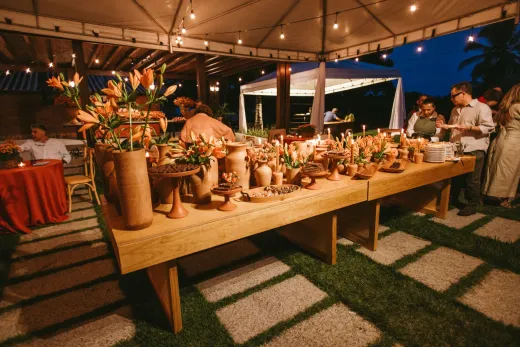
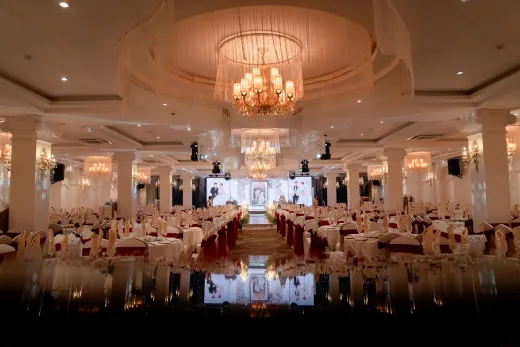
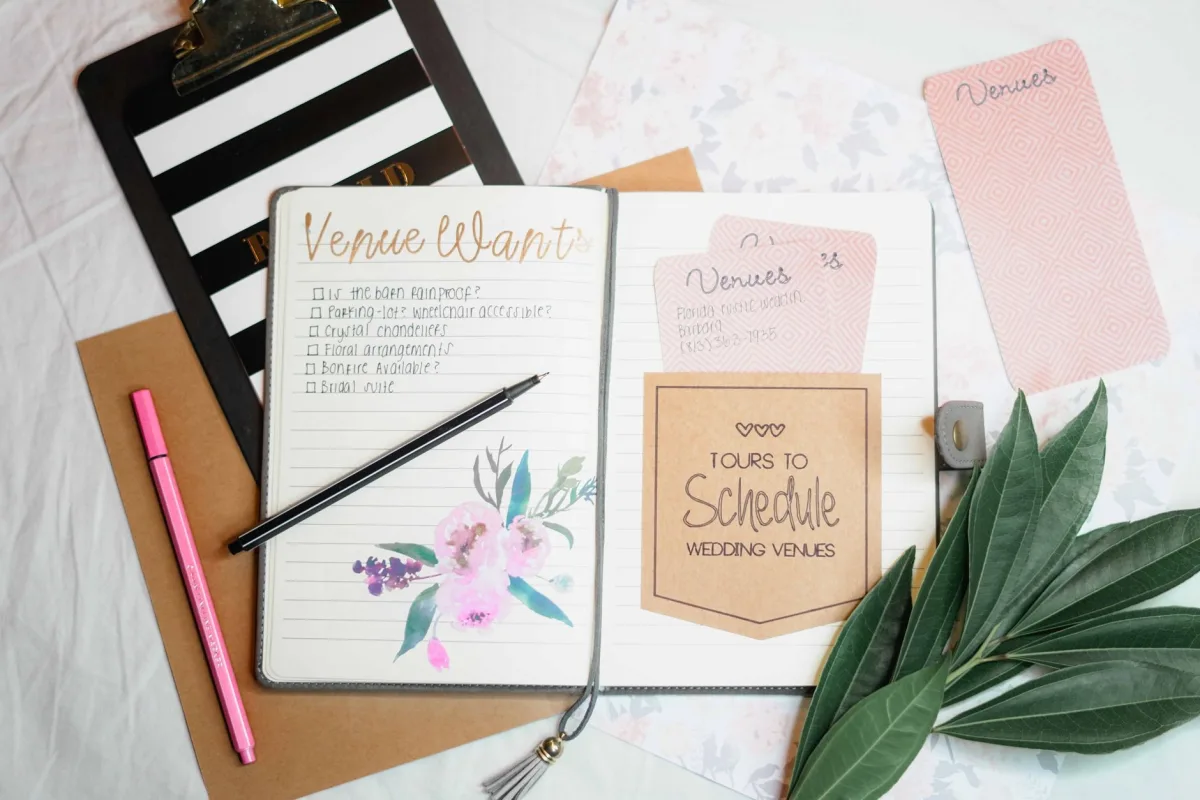
The venue is the keystone. Its size sets your guest ceiling, its date decides your calendar, its rules shape your catering and its style influences your whole aesthetic. Book it first, and book it early, because good venues for popular dates go months or over a year ahead. When you compare options, look past the photographs: ask about capacity, what is included, parking, accessibility, noise limits, setup and pack-down times, and whether you must use their caterers or can bring your own.
For celebrations in particular, it pays to understand the different venue types before you visit any. Our guides to wedding venues and to banquet halls break down what each style suits, what to ask on a site visit and where the hidden costs usually hide. Even for a non-wedding event, the same questions apply; a hall is a hall whatever the occasion.
Build the vendor team
With the venue held, assemble the suppliers who make the day happen. Book them in rough order of how far ahead they fill up, which usually means catering and photography early, styling and entertainment next, and smaller details last. Get everything in writing, confirm exactly what each price includes, and keep a single document listing every vendor's contact, arrival time and responsibility.
Catering
Food and drink, service style and dietary needs. Confirm headcount deadlines, staffing and whether hire of glassware and linen is included.
Photography and video
The memory-keepers. Book early, agree hours and deliverables, and share a short shot list of the moments that matter to you.
Entertainment
Music, a band, a DJ or a host. Check power, space and sound limits with the venue before you confirm anything loud.
Styling and decor
Flowers, lighting, signage and layout. Agree a setup window with the venue so nobody is decorating while guests arrive.
If coordinating all of this yourself feels overwhelming, that is exactly the gap a professional fills. Our overview of event management companies explains what a full-service planner does, when hiring one is worth it, and how to brief them, and for weddings specifically, a wedding planner can carry the whole load.
The countdown: a working timeline
Great events are planned backward from the date in stages. The exact months shift with the size of the event, scale this down for a small party or up for a large wedding, but the order is what matters: slow-moving decisions early, fast-moving ones late.
6 to 12 months out
Set purpose, budget, date and guest count. Book the venue and the vendors that fill up first, catering and photography.
2 to 5 months out
Send invitations, confirm styling and entertainment, plan the menu, and arrange any accommodation or transport.
2 to 6 weeks out
Chase RSVPs, give the caterer final numbers, build the run sheet, and confirm every vendor's arrival time in writing.
The final week
Finalise the seating, print the run sheet, brief your helpers, prepare an emergency kit, and stop making new decisions.
The run sheet: your single most important document
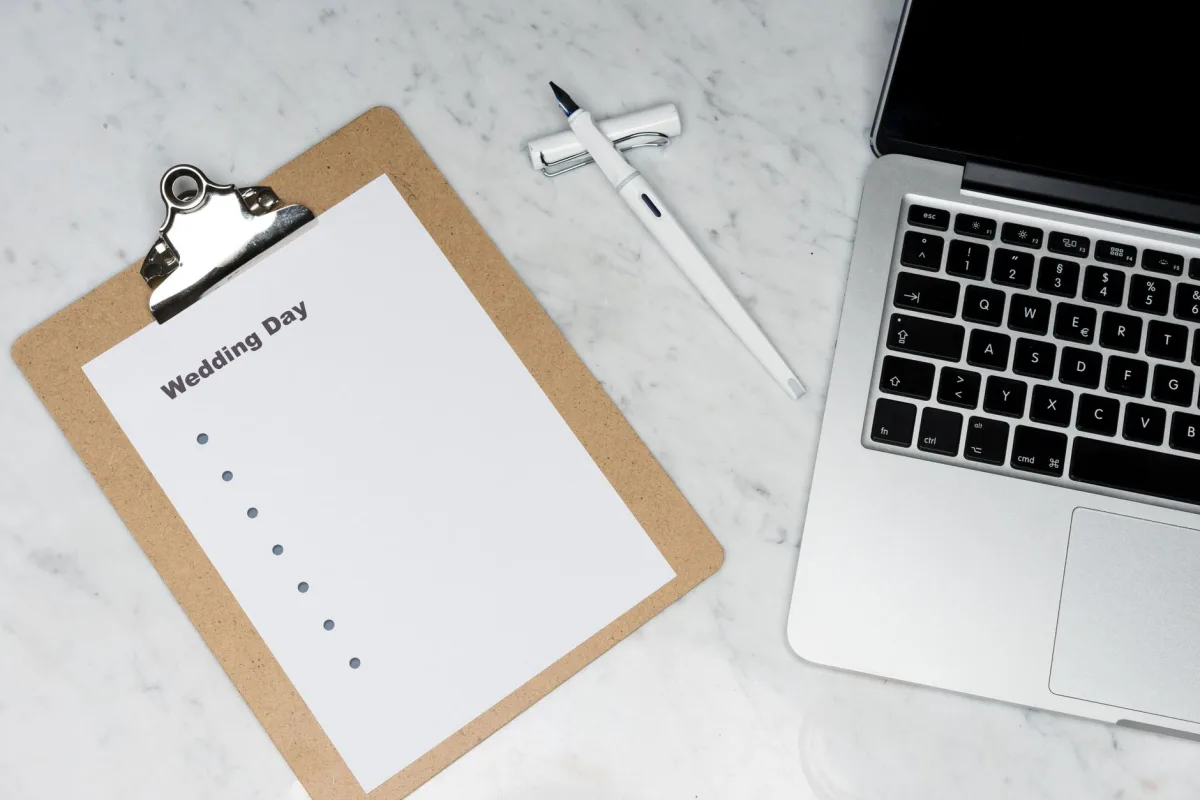
If you take one thing from this guide, take this: write a run sheet. It is a minute-by-minute, or at least hour-by-hour, timeline of the event day itself, listing what happens when, who is responsible, and every vendor's arrival and departure. The purpose is to move the entire plan out of your head and onto paper so that on the day you, and everyone helping you, can simply follow it instead of improvising. A good run sheet lists each key moment, the person in charge of it, and a phone number for every supplier, so a problem can be solved without finding you.
Hand the run sheet to at least two trusted people and give them the authority to run it. The host or guest of honour should not be chasing the florist or counting chairs; that is what a coordinator, a reliable friend or a hired professional is for. The whole point of a written plan is that on the day, the host gets to be present rather than in charge. For a wedding specifically, our wedding planning checklist turns this same discipline into a ready-made, date-driven list you can follow step by step.
On the day, and after
On the day, resist the urge to fix everything yourself. Trust the plan, lean on your team, and accept that something small will go wrong at every event and almost no guest will ever notice. Keep a simple emergency kit, safety pins, tape, chargers, painkillers, a stain pen, snacks, water, because the small save is what keeps the day smooth. Eat something, drink water, and give yourself permission to actually enjoy the thing you built.
Afterward, close the loop. Settle final payments, return hired items, and thank your vendors and helpers while it is fresh; a warm review or referral is the currency good suppliers run on. Then do the one thing planners always recommend and hosts always skip: write down, within a week, what worked and what you would change. That note is the single most valuable planning document you will own the next time, turning a one-off scramble into a repeatable skill.
The bottom line
Event planning is not a talent you either have or lack; it is a sequence anyone can follow. Define the purpose, fix the budget, guests and date, lock the venue, build the vendor team, work a backward timeline, write a run sheet, and delegate on the day. Do that and the event runs itself, leaving you free to be a host rather than a firefighter. The most memorable celebrations are not the most expensive ones; they are the ones planned calmly enough that the people at the centre could actually enjoy them.
Frequently asked questions
How far in advance should I start planning an event?
For a large event such as a wedding, six to twelve months is comfortable, with the venue and quickest- booking vendors secured first. A smaller party can be planned in a few weeks. Whatever the scale, plan backward from the date so that slow-moving decisions like venue and catering happen early and fast-moving ones like final numbers and seating happen late.
What should I book first?
Fix your budget, guest count and date first, then book the venue before anything else. The venue sets your guest ceiling, your calendar and much of your style, and good venues for popular dates go months ahead. Only once it is confirmed should you book catering, photography and the rest, in rough order of how quickly each type of vendor fills up.
What is a run sheet and do I really need one?
A run sheet is an hour-by-hour timeline of the event day, listing what happens when, who is responsible, and every vendor's arrival and contact details. Yes, you need one. It moves the whole plan out of your head and onto paper so helpers can follow it without finding you, which is what lets the host be present rather than in charge on the day.
Should I hire an event planner?
Hire one if the event is large, complex or high-stakes, or if you simply do not have the time and energy to coordinate many vendors yourself. A good planner saves you stress, often saves money through supplier relationships, and runs the day so you can enjoy it. For smaller, simpler events a detailed checklist and a trusted friend to run the day may be all you need.