Wedding Venues: The Complete Guide
The venue is the booking every other choice inherits. Here are the types, the true cost drivers, and the questions that separate a good quote from a nasty surprise.
The wedding venue is not just the first big booking, it is the one that quietly sets every other decision. It fixes your real date, caps your guest list, decides whether you are hiring a caterer or being handed a package, and swallows close to half the budget before you have chosen a single flower. Understand venues and the rest of the plan falls into a sensible order. Misjudge the venue and you spend the next year reverse-engineering a wedding around a room you fell for too early. This is the complete guide to wedding venues: the main types, what actually drives the price, the difference between all-inclusive and raw-space bookings, and the exact questions to ask on a tour.
The short version
- The venue anchors the whole plan. It sets the date, the headcount ceiling and roughly half the spend.
- Type drives cost more than glamour. A banquet hall, a garden and a barn are priced on completely different logic.
- All-inclusive versus raw space is the real fork. One bundles the work, the other hands you a list of vendors to hire.
- Capacity and season set the price band long before decor does. Off-peak flexibility is your biggest lever.
Why the venue comes first
A wedding is priced per guest far more than most couples expect, and the venue is where that maths lives. Its capacity caps your list, its calendar fixes your date, and its catering rules decide whether food is a line you control or a package you accept. Book it first and every later choice inherits a clear frame. Book it last and you are forever trimming to fit.
The celebration that follows the ceremony, the wedding reception, typically accounts for around half of the total wedding budget, and the venue is the biggest slice of that slice. So the venue is not one decision among many. It is the decision the others are built on, which is exactly why our wedding planning checklist puts it at the very top of the twelve-months-out stage, ahead of almost everything else.
The rule underneath all of it: the venue and the date move together, and together they move everything else. Do not order invitations, book a honeymoon, or promise anyone a date until the venue contract is signed. Every "we'll sort the venue later" story ends with a compromise nobody wanted.
The main types of wedding venue
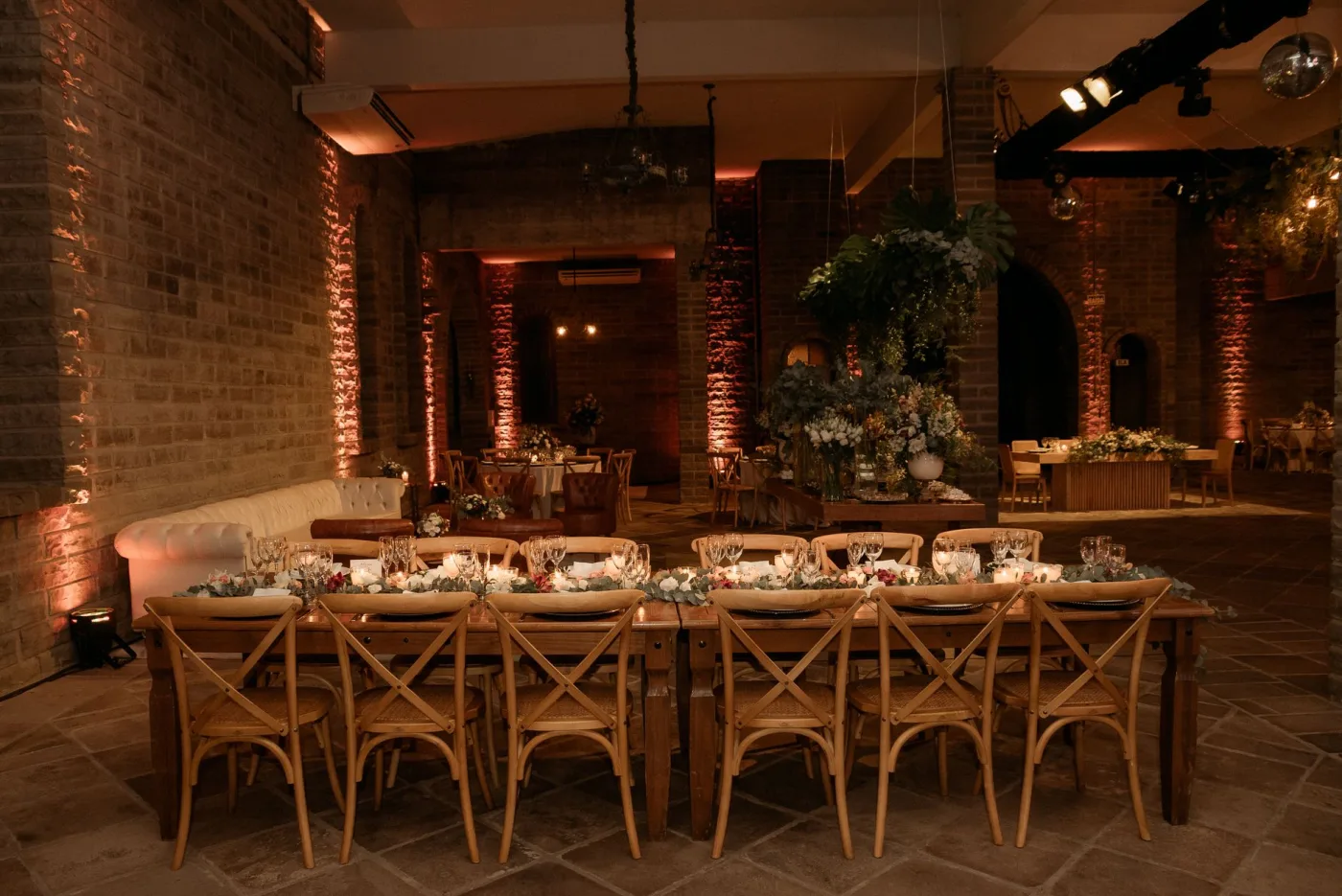
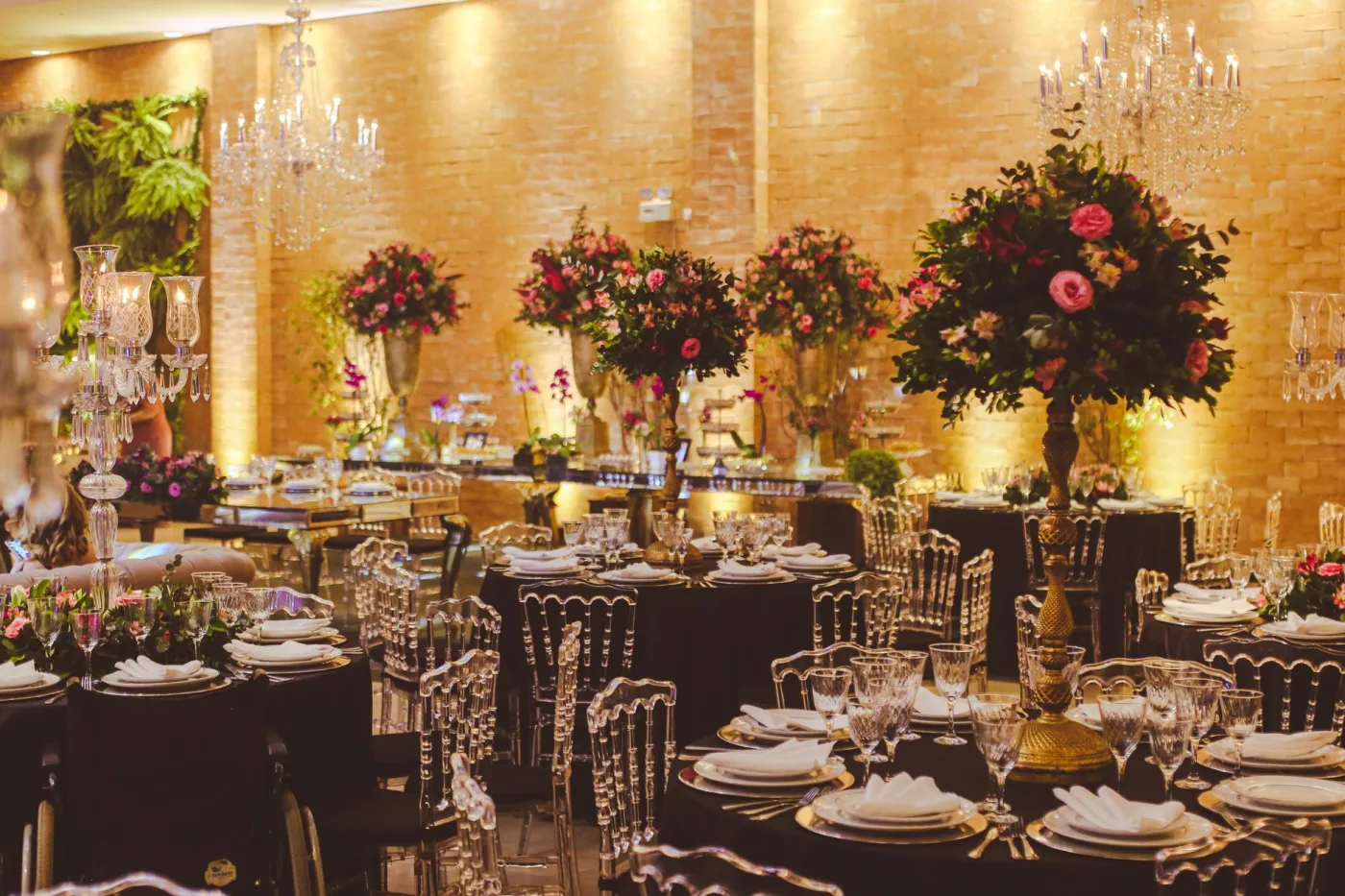
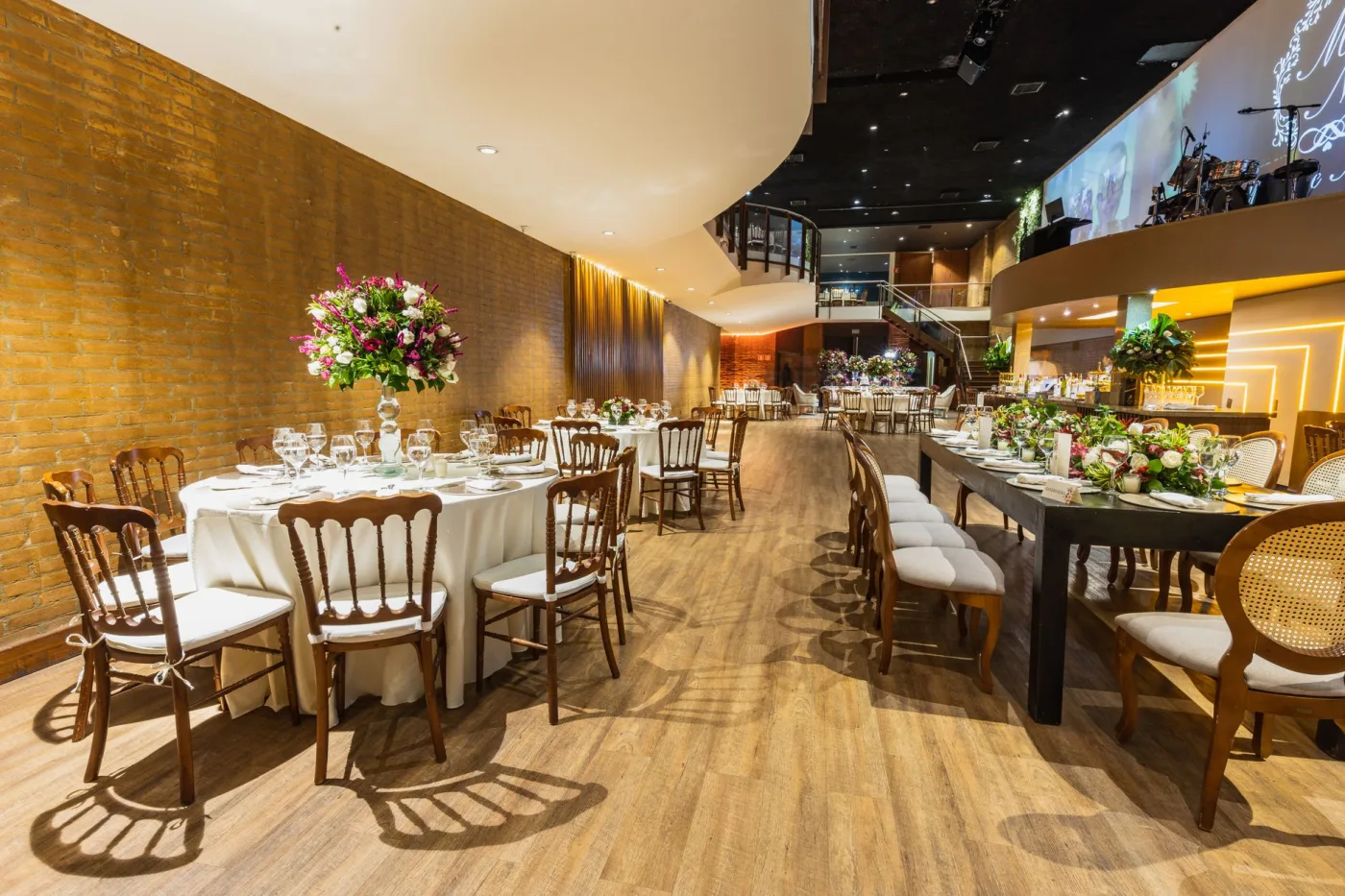
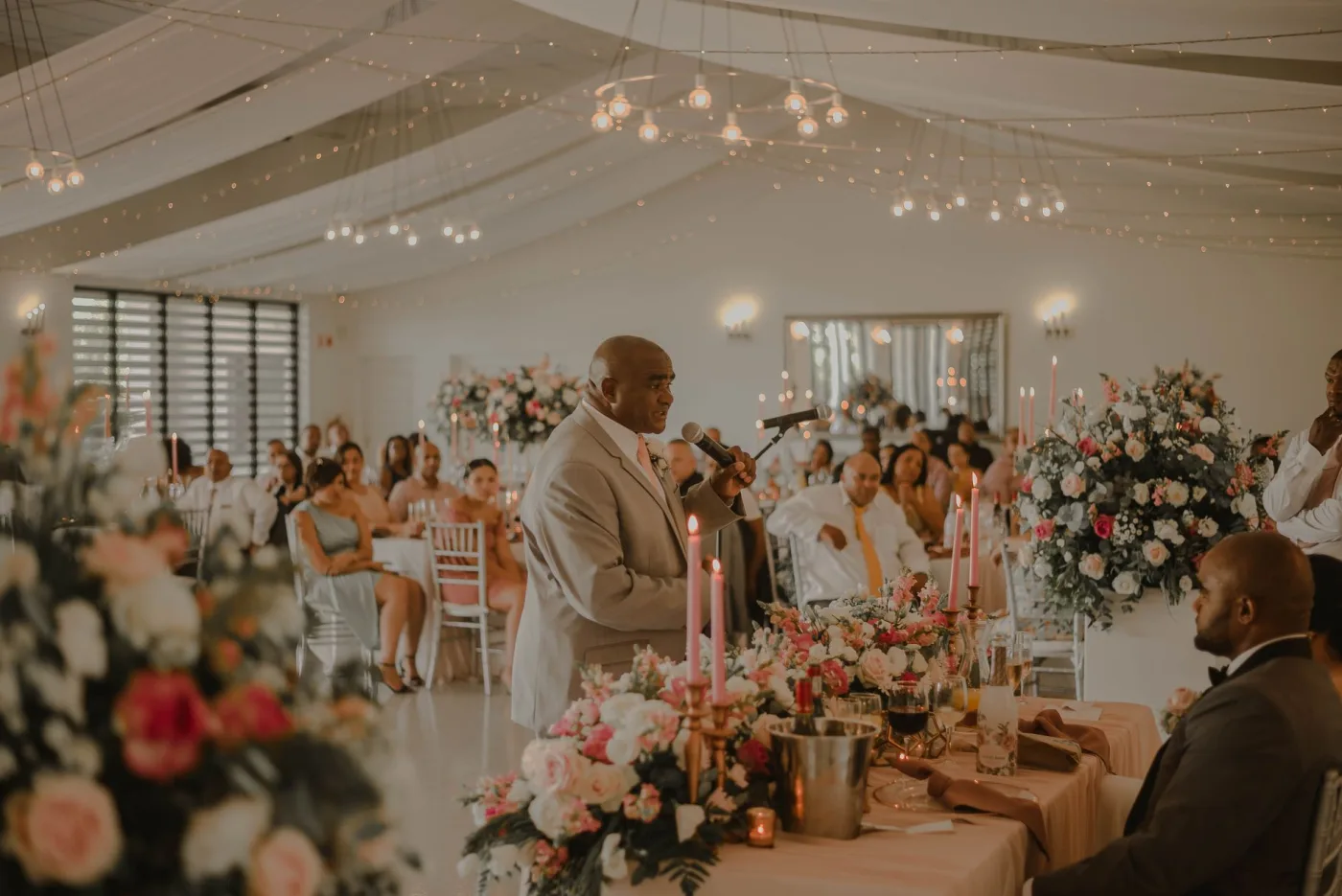
Almost every wedding venue is a variation on one of seven types. They differ less in looks than in how they are run, what they include, and therefore what they cost. Knowing the category tells you more about the true price and the workload than any photo ever will.
Banquet hall
A purpose-built function room. Usually catering and staff included, one event at a time, predictable.
Hotel
Ballroom plus in-house catering, bar and rooms for guests. Convenient, polished, rarely the cheapest.
Garden / outdoor
Grounds, marquees or estate lawns. Scenic and flexible, but you often rent the infrastructure.
Farm / barn
Rustic raw space with character. Beautiful and blank, which means you bring almost everything in.
Destination
A resort or venue guests travel to. Smaller lists, longer stays, a different budget shape entirely.
Place of worship
Church, temple, mosque or gurdwara. Often ceremony only, with the reception held elsewhere.
Home / private land
A garden or family property. Feels personal and free, but hidden rental and logistics costs stack up.
Banquet halls and hotels: the packaged route
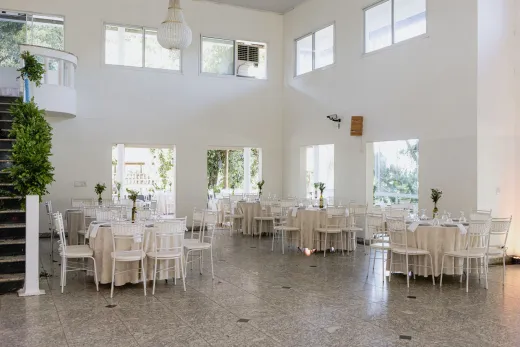
A banquet hall is a purpose-built room for large social events, and it exists to make your job smaller. Tables, chairs, linens, catering and staff usually come as part of the booking, and the venue runs one wedding at a time with a coordinator who has done this hundreds of times. Hotels work the same way with the bonus of a bar, a bridal suite and rooms for guests who should not be driving home. Both trade a little individuality for a lot of certainty.
Gardens, farms and barns: the blank-canvas route
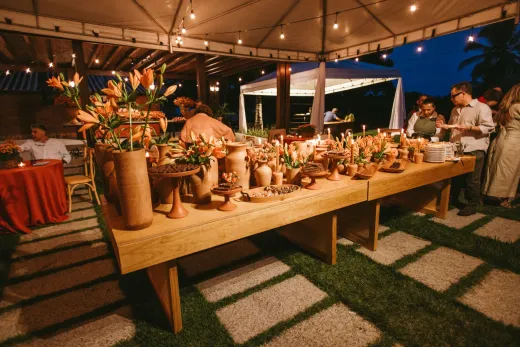
Outdoor grounds, farms and barns give you character and space that no ballroom can match, but many are raw space. The photogenic barn may have no kitchen, limited power, and a single accessible bathroom. What looks like a bargain hire fee often needs a marquee, portable toilets, a generator, catering brought in from outside, and a wet-weather plan. The venue is cheap; the wedding on top of it may not be. That is not a reason to avoid them, only a reason to price the whole thing, not the hire line.
Destination weddings: a different budget shape
A destination wedding hosts the day somewhere most guests must travel to and often stay for several days. The trade is counterintuitive: because the guest list is usually smaller, the total can come in lower than a large hometown wedding, even though the setting is grand. You are swapping a big local headcount for a small travelling one, plus a resort or planner who handles the logistics on the ground. It suits couples who want an experience over a guest list.
Wedding venue types compared
The table below sets the seven types side by side on the things that actually decide your choice: what tends to be included, the typical capacity feel, and the relative cost band. Treat the bands as ranges, not quotes. What you pay swings on region, season and guest count far more than on the category label alone.
| Venue type | Usually includes | Typical capacity | Relative cost band |
|---|---|---|---|
| Banquet hall | Catering, staff, tables, linens | Medium to large | Moderate |
| Hotel | Catering, bar, rooms, coordinator | Medium to large | Moderate to high |
| Garden / outdoor | Space only, often marquee-ready | Flexible | Low to high (with rentals) |
| Farm / barn | Raw space, character | Small to medium | Low hire, high build-out |
| Destination | Package, on-site planner | Small to medium | Varies widely |
| Place of worship | Ceremony space, officiant | Varies | Low (donation or fee) |
| Home / private land | Nothing; you supply it all | Small to medium | Deceptively variable |
Read the "usually includes" column as the real story. A moderate banquet-hall fee that bundles catering can be cheaper all-in than a low barn hire that needs a marquee, a kitchen, toilets and a generator trucked in. The headline number and the final number are rarely the same figure.
What actually drives venue cost
When two venues quote wildly different numbers, it is rarely the beauty of the room doing it. Cost is built from a handful of levers, and once you can see them you can read a quote instead of just reacting to it.
Guest count and the calendar move the number most. Decor and extras move it least.
Guest count is the master lever, because most venues price per head once you pass the hire fee. Day and season come next: a Saturday in peak wedding season can cost a real premium over the same room on a Friday in the off-season, for identical everything else. The catering model is the next big swing, which is the all-inclusive versus raw-space question below. Inclusions, location and add-ons fill in the rest. Notice that flowers, uplighting and favours, the things couples agonise over, sit at the bottom.
All-inclusive versus raw-space venues
This is the single most important distinction in the whole category, and it is easy to miss on a tour because both can look identical in photos. It changes your workload, your risk and your true cost more than the venue's style ever will.
| All-inclusive venue | Raw-space venue | |
|---|---|---|
| What you book | Space plus catering, staff, tables and often coordination | The space, and little else |
| Your workload | Low: much is handled in-house | High: you hire and manage every vendor |
| Cost visibility | Clearer, bundled, fewer surprises | Opaque until every extra is quoted |
| Flexibility | Limited to their menus and vendor list | Total: your caterer, your look, your rules |
| Best for | Couples short on time who want certainty | Couples who want control and enjoy the build |
Neither is better in the abstract. An all-inclusive banquet hall or hotel removes decisions and absorbs risk, which is worth a lot when your calendar is full. A raw-space garden or barn hands you a blank canvas and the freedom to shape everything, at the cost of becoming the general contractor for your own wedding. The mistake is comparing an all-inclusive quote with a raw hire fee as if they were the same product. They are not. Add the vendors the raw space needs before you compare.
Capacity and season: the two limits you cannot decorate around
Two hard limits sit under every venue: how many people it seats and when it is free. Capacity is not just a fire-code number. A room rated for two hundred standing may seat a hundred and forty comfortably once you add a dance floor, a top table, a cake table and a DJ. Always ask for the seated dinner capacity with a dance floor, not the theoretical maximum, and match it to your realistic guest count, not your optimistic one.
Season is the other hard limit, and it is your biggest cost lever after guest count. Peak wedding months compress demand into a few dozen Saturdays, so the best venues sell those dates twelve to eighteen months out and charge accordingly. Shift to a Friday, a Sunday, or a shoulder or off-season month and the same venue can open up at a noticeably lower rate. If your date is flexible, that flexibility is leverage you can spend.
Book capacity for your list, not your dream. A venue that is slightly too big feels generous; one that is too small forces a guest-list cull you will resent. Confirm the seated capacity in writing, with the dance floor and band space included, before you fall for the room.
Questions to ask on a venue tour
A tour is a sales visit, and beautiful rooms hide dull but decisive details. Walk in with these questions written down, and get the answers in the contract, not just in conversation.
- What exactly is included, and what is extra? Chairs, linens, staff, cleanup, corkage. Get the full add-on list, not the headline.
- Must I use your caterer, or can I bring my own? This one answer decides whether you are all-inclusive or raw-space, and it moves the budget hard.
- What is the true seated capacity with a dance floor? Not the standing maximum. The number that matters is dinner plus dancing.
- How many events run that day? One at a time, or back-to-back with another wedding sharing your setup window?
- What are the setup and breakdown hours? A tight window means rushed decor and overtime charges. Ask when you get in and when you must be out.
- Is there a wet-weather or backup plan? Essential for gardens, farms and any outdoor ceremony. "We'll figure it out" is not a plan.
- What is the deposit, payment schedule and cancellation policy? Get the dates and the refund terms in writing before you sign.
- What are the noise limits and end time? A hard curfew or a decibel cap can reshape your whole evening.
Once you have shortlisted types and know what to ask, choosing between the actual venues on your doorstep is a local exercise: catchment, travel time for guests, and what your area realistically offers. Our companion guide to finding wedding venues near you covers how to search locally, compare quotes fairly, and judge a shortlist without wasting weekends on tours that were never going to fit.
How the venue anchors the budget and the date
Everything in this guide points back to one idea: the venue is the anchor booking. It is the pivot the whole plan turns on, for three concrete reasons.
It sets the date
Your real wedding date is whatever the venue has free. The date drives every vendor's availability.
It caps the guest list
Capacity is a hard ceiling. The list you can invite is decided the day you sign.
It sets the budget
Venue and catering take close to half the total, so the venue quote frames what is left for everything else.
That is why the sequence is always the same: settle a budget and a rough guest count, shortlist venue types, tour and book the venue, and only then let the date, the caterer and the rest fall into place behind it. Reverse the order and you are decorating a decision you never really made. For the full picture of how a wedding comes together after the venue is locked, and where the money goes next, our complete wedding guide carries the plan from the venue contract all the way to the day itself.
Frequently asked questions
What are the main types of wedding venue?
The common types are banquet halls, hotels, gardens or outdoor grounds, farms and barns, destination venues, places of worship, and private homes or land. They differ less in appearance than in how they are run: banquet halls and hotels tend to bundle catering and staff, while gardens, barns and homes are often raw space you build a wedding on top of. Choosing the type first, before a specific venue, tells you far more about the true cost and the workload than any single photo.
How much of the wedding budget goes to the venue?
The reception, of which the venue is the largest part, typically accounts for around half of the total wedding budget. Venue and catering together usually take 45 to 50 percent. Because that space is priced heavily per guest, the venue is also the reason your guest count matters so much. Set the venue and catering figure first, then build photography, attire, flowers, music and the rest around what remains.
What is the difference between an all-inclusive and a raw-space venue?
An all-inclusive venue bundles the space with catering, staff, tables and often coordination, so much of the work is handled in-house. A raw-space venue gives you the space and little else, leaving you to hire and manage every vendor yourself. All-inclusive suits couples who want certainty and are short on time; raw space suits couples who want full control over the caterer and the look. Compare them fairly by adding the vendors a raw space needs before weighing it against a bundled quote.
How far in advance should I book a wedding venue?
Twelve to eighteen months ahead for peak-season Saturdays, since the most sought-after venues sell those dates first. The venue is usually the first major booking a couple makes, because it fixes the real date that every other vendor works around. If your timeline is shorter, stay flexible on the date and consider a Friday, a Sunday, or a shoulder or off-season month, where availability and pricing both ease considerably.
What questions should I ask on a venue tour?
Ask what is included versus extra, whether you must use their caterer or can bring your own, the true seated capacity with a dance floor, how many events run that day, the setup and breakdown hours, whether there is a wet-weather plan, the deposit and cancellation terms, and any noise limits or curfew. Get the answers in the contract rather than in conversation, because the dull logistical details are what turn a beautiful room into a smooth day.
Are destination weddings more expensive than local ones?
Not always. Because a destination wedding usually has a much smaller guest list, the total can come in lower than a large hometown wedding, even in a grand setting. You are trading a big local headcount for a small travelling one, plus a resort or planner who handles the on-the-ground logistics. The setting looks like a splurge, but the reduced numbers often offset it, which is why destination weddings appeal to couples who value the experience over the size of the crowd.