Wedding: The Complete Guide
The hub for the whole subject: what a wedding is, its universal parts, traditions across cultures and faiths, and the high-level shape of planning your own.
Strip a wedding down to its essentials and you are left with something surprisingly simple: two people, a promise, and witnesses to hold them to it. Everything else, the dress and the flowers, the seating chart and the six-month countdown, is decoration around that core. This guide is the hub for the whole subject. It explains what a wedding actually is, the universal parts almost every one shares, how traditions differ across cultures and faiths, and the high-level shape of planning your own, then points you to the deeper guides for each piece. Read it start to finish for the big picture, or jump to the section you need.
The short version
- A wedding is the ceremony; the marriage is everything that follows it.
- Nearly every wedding has two halves: a ceremony to make it official and a reception to celebrate it.
- Traditions vary enormously, yet the underlying purpose (a public, witnessed promise) is near-universal.
- Planning is a sequence, not a scramble: budget and guest list first, then venue, then everything else.
- The people around you have roles. A wedding party exists to share the load, not just to pose for photos.
What a wedding actually is
A wedding is the ceremony at which two people are united in marriage. That distinction between the wedding and the marriage matters more than it first appears. The wedding is a single event, a day with a beginning and an end. The marriage is the ongoing union it begins: a culturally and often legally recognised relationship that carries on long after the last guest has gone home. As Wikipedia's entry on marriage puts it, a marriage ceremony is called a wedding, while a private, unceremonial marriage is sometimes called an elopement. You can have a marriage with barely any wedding, and a couple can hold a large celebration entirely separate from the legal act.
What gives a wedding its weight is witness. The point of gathering people in a room, or a garden, or a temple, is to make a private bond public and to give it the force of having been seen. That is why weddings are among the most stubbornly persistent rituals in human life. Styles change, costs balloon and shrink, formats come and go, but the fundamental transaction (promise made, promise witnessed) has stayed remarkably constant across thousands of years. For a broad global survey of the practice, the Wikipedia article on weddings is an excellent overview.
The two universal halves: ceremony and reception
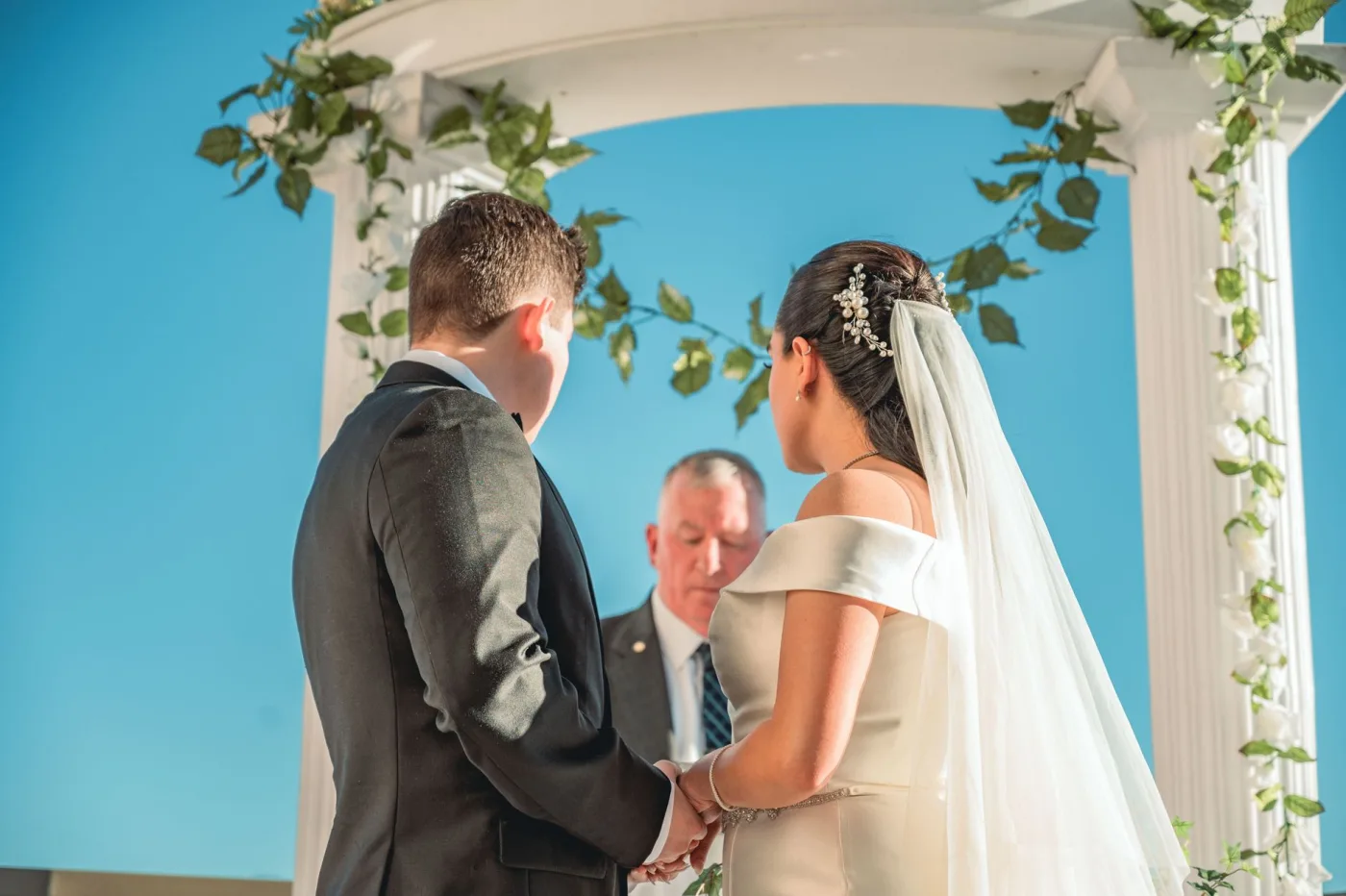
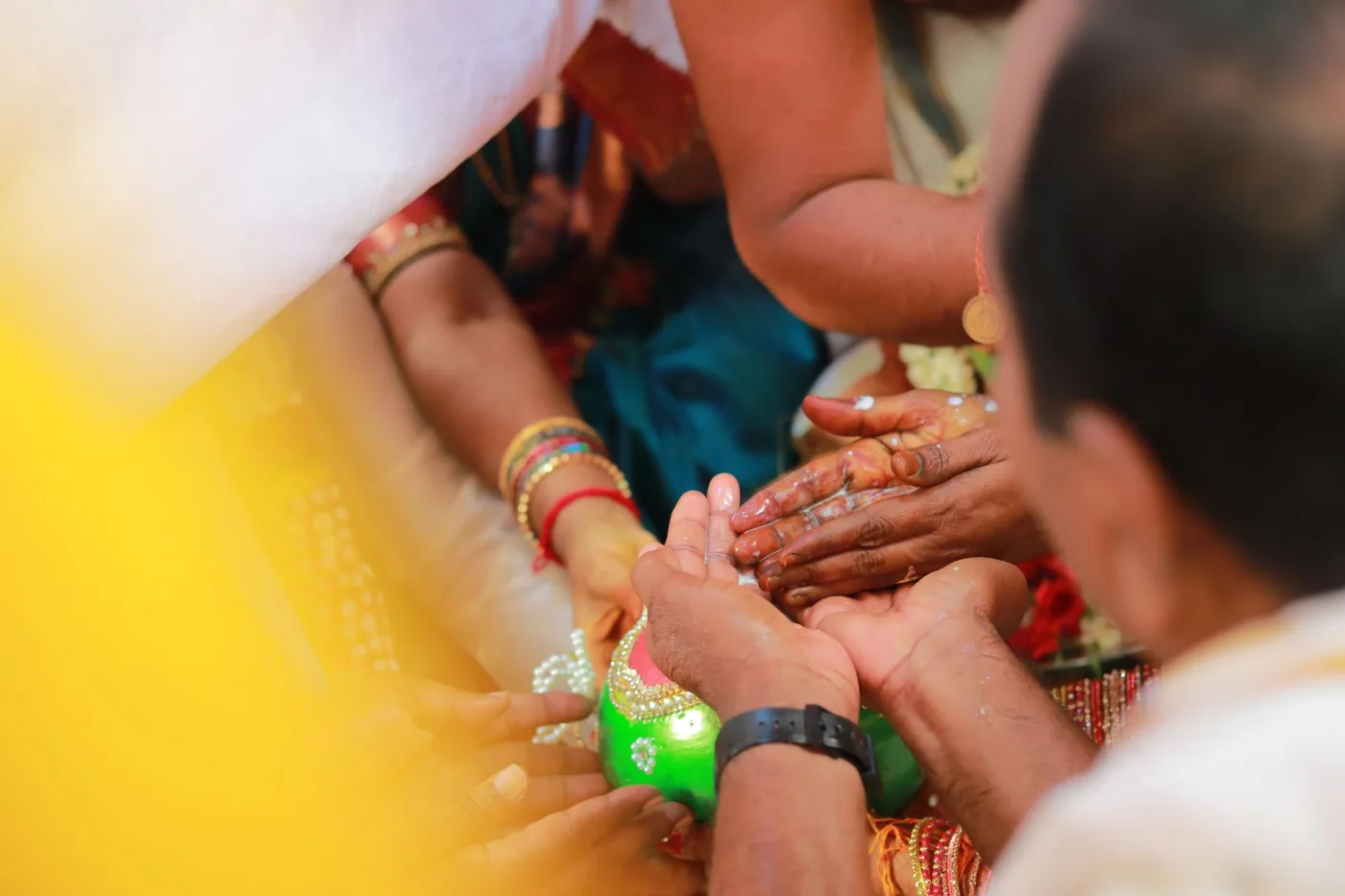
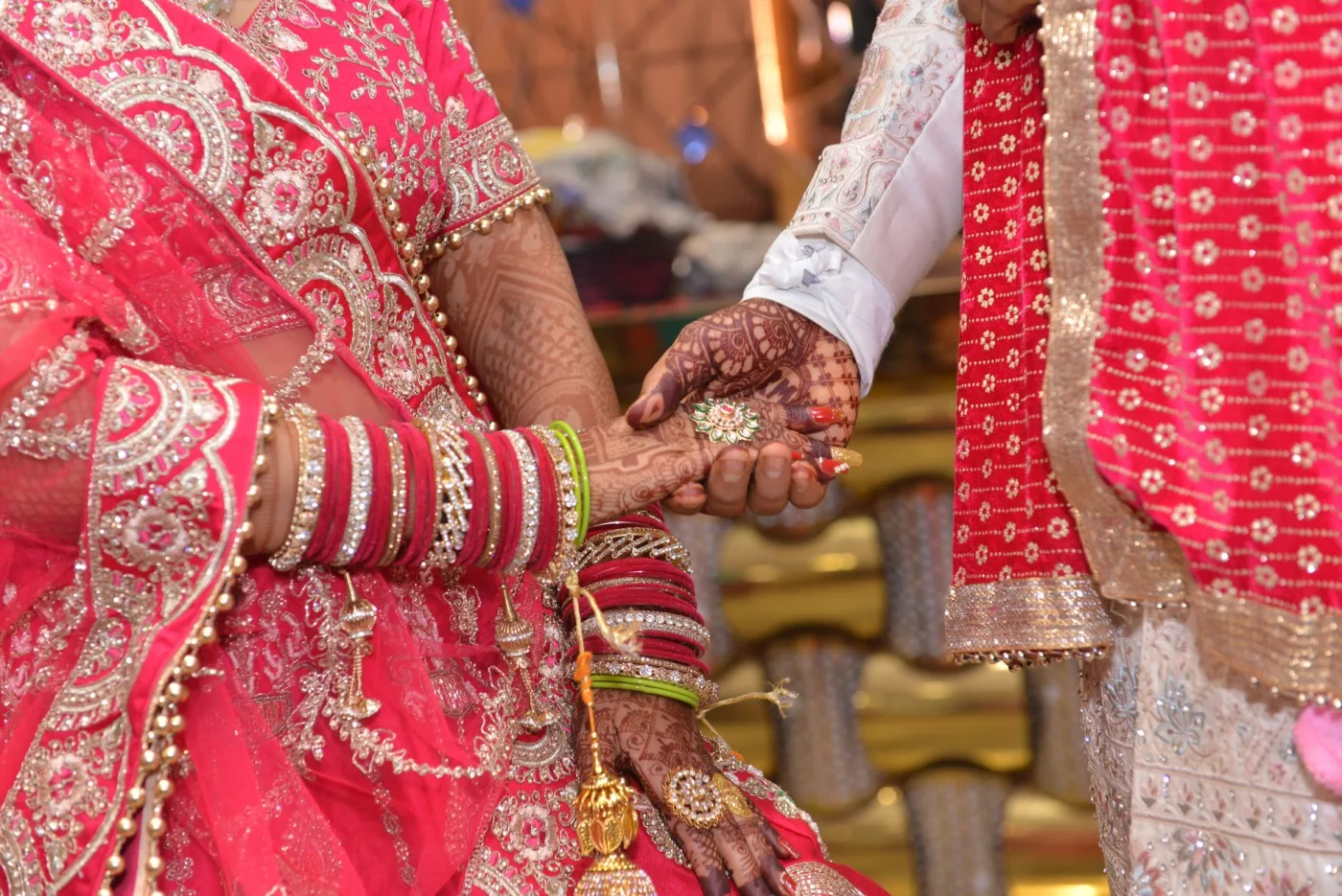
Peel back the cultural specifics and almost every wedding splits into two parts that do two different jobs. Understanding this split is the single most useful frame for planning, because the two halves have different rules, different budgets and different guest expectations.
The ceremony
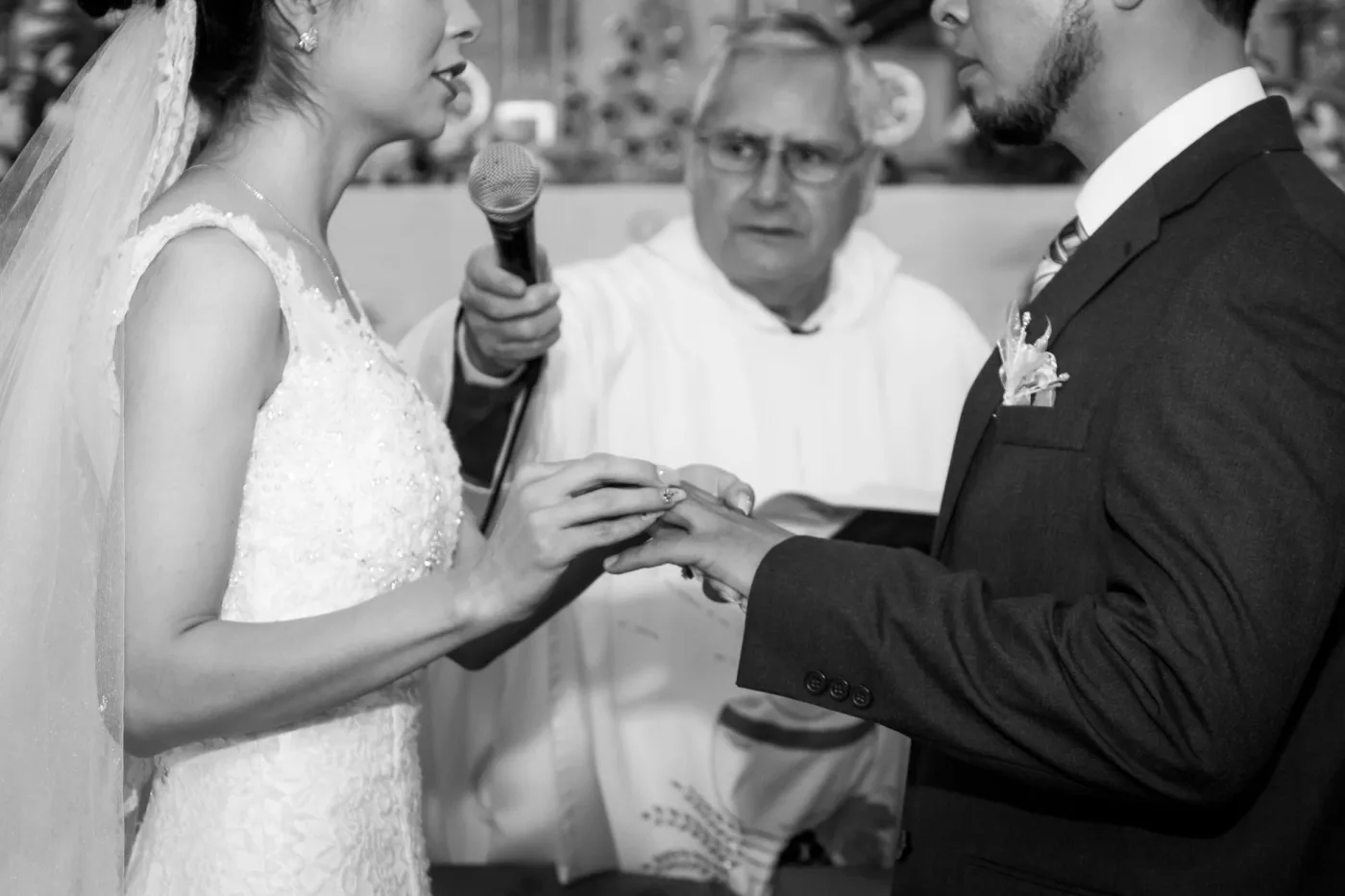
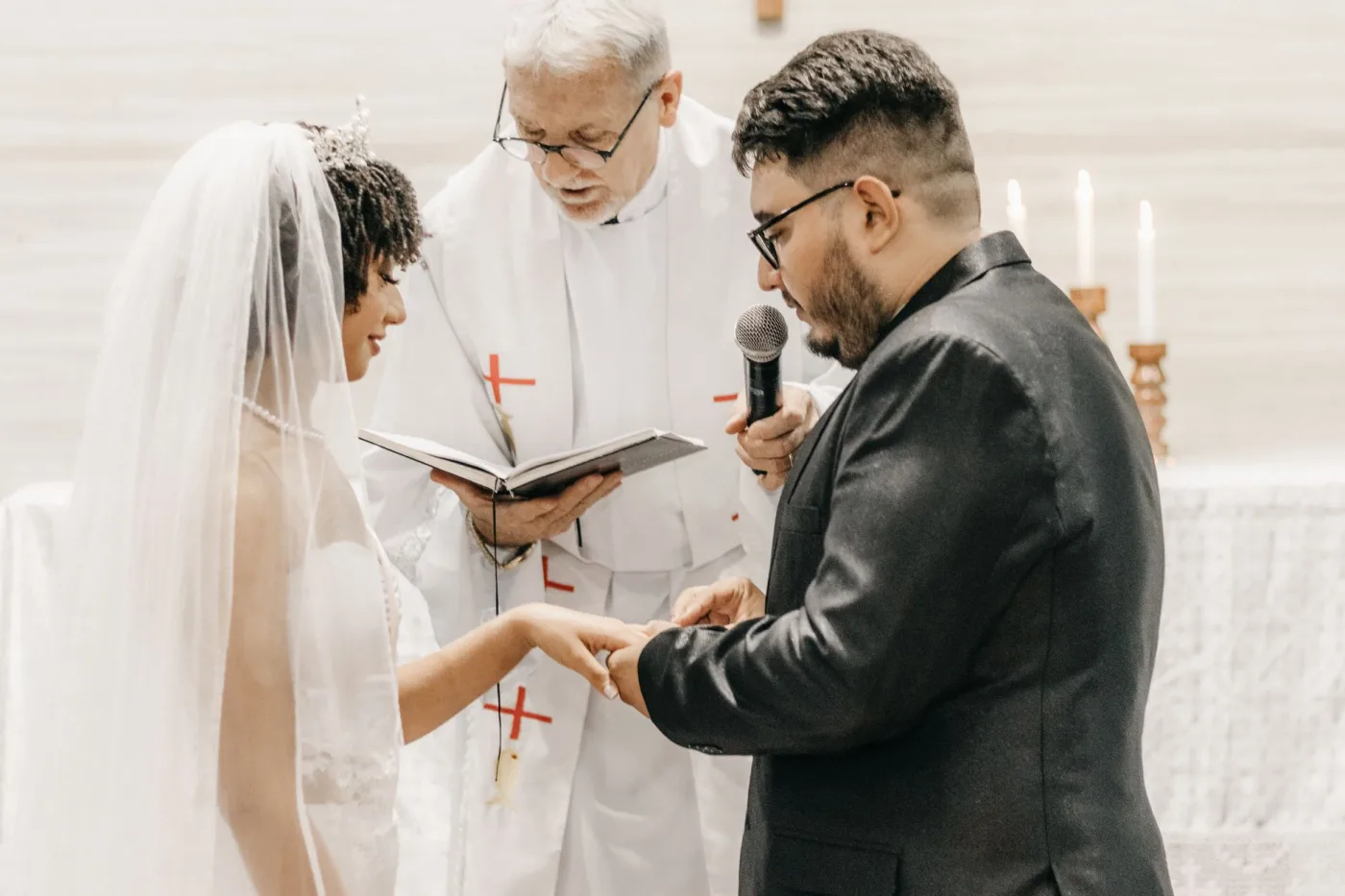
The formal act. Vows, an officiant, and the moment the couple is declared married.
The reception
The celebration. Food, toasts, the first dance and the party that follows.
The witnesses
Guests whose presence makes the promise public and, legally, provable.
The record
The paperwork, licence or register that turns the day into a recognised marriage.
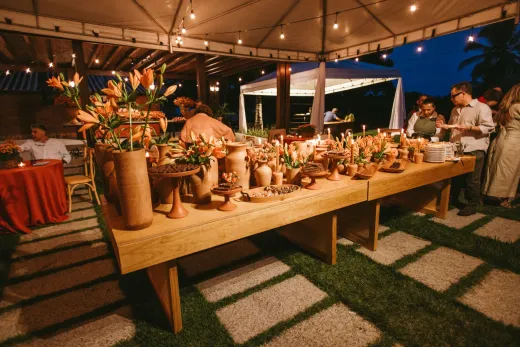
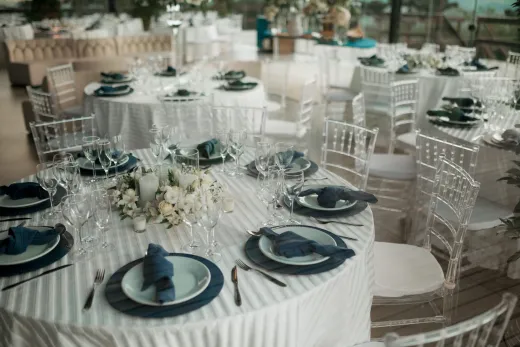
The ceremony is where the actual marrying happens. It is usually short, often the most solemn stretch of the day, and its exact shape is set by the faith, culture or legal system involved. The reception is the party held afterward as hospitality for everyone who attended. It can run from a half-hour tea to a multi-day celebration, though most are evening events built around a meal. Its familiar beats, a grand entrance or receiving line, toasts from family and the wedding party, the couple's first dance, and the cutting of the cake, are so widely shared that guests at a wedding almost anywhere can read the rhythm of the evening without being told.
Where the money goes: the reception is usually the largest single line in a wedding budget, commonly around half of the total, most of it food and drink. If you are trying to control costs, the reception is the lever with the longest handle. The ceremony is often the cheapest part of the whole day and the part guests remember most fondly.
Traditions across cultures and faiths
There is no single "traditional wedding". What feels timeless in one place would look unrecognisable in another, and that variety is one of the genuinely wonderful things about the subject. A few examples, offered with respect rather than ranking, show how differently the same human moment gets expressed.
In many Hindu ceremonies the couple circles a sacred fire seven times in a rite called the saptapadi or saat phere, each circuit marking a distinct vow. Traditional Jewish weddings centre on the chuppah, a canopy under which vows are exchanged, the signing of a ketubah or marriage contract, and the groom breaking a glass at the close. The familiar Western white wedding gown is younger than most people assume: it spread widely only after Queen Victoria wore white at her 1840 marriage, turning a personal choice into a lasting convention. And the rise of humanist and civil ceremonies shows tradition still being written: in Scotland, secular humanist weddings became legally recognised in 2005 and by 2018 outnumbered church weddings. The deeper point runs underneath all of it. The institution of marriage is a cultural universal, but its dressing is local, and the "correct" way to marry is simply the way that carries meaning for the people marrying.
South Asian weddings deserve a mention of their own here, because they are less a single event than a sequence of functions spread across days, with the joining of two families at the centre rather than two individuals alone. If that is your world, our companion guide picks up the vocabulary and the customs in far more detail than a global overview can.
The modern wedding-planning journey
Most of the stress people attach to weddings comes from doing things out of order: falling in love with a venue before setting a budget, sending invitations before finalising a guest list, booking vendors before knowing the date. Planning is really a sequence, and once you see the order, the whole project stops feeling like chaos and starts feeling like a checklist. The five phases below are the skeleton; each expands into its own guide.
Each phase unlocks the next. Skipping ahead is where the stress and the overspending usually begin.
Phase one: budget and guest list
These two numbers set the boundaries of every decision that follows, and they are joined at the hip: your guest count is the biggest single driver of cost, because catering, seating and venue size all scale with heads. Agree on a realistic total and a headcount before you look at a single venue. Doing it the other way around is how couples end up in love with a space they cannot fill or afford.
Phase two: venue and date
Venue and date are usually chosen together, since the best venues sell out popular dates far in advance and a date often depends on availability rather than the reverse. This is also where the ceremony-versus-reception split reappears: some couples marry and celebrate in one location, others split the two across a place of worship and a separate hall. Our guide to choosing a wedding venue walks through the trade-offs, from all-inclusive packages to blank-canvas spaces, and the questions that reveal a venue's true cost.
Phase three: the vendors
Catering, photography, flowers, music, cake, hair and makeup: the vendors are where the day takes shape and where most of the budget after the venue is spent. Book the ones who take on only one event per day (photographers, caterers, sought-after musicians) first, because they sell out earliest. Some couples hand this entire phase to a professional. If your event is large or your time is short, our guide to what a wedding planner does, and when hiring one actually pays for itself, is worth reading before you decide to go it alone.
Phase four: the details
Invitations, attire, the seating plan, the order of the day, the small decisions that add up to the day's character. This is also when you formally invite everyone, and stationery is more load-bearing than it looks: your wedding invitations set expectations for formality, dress code and logistics, and they are how you collect the responses that let vendors finalise numbers. Get them out on time and half the later scramble disappears.
Phase five: the wedding week
The final stretch is about execution, not decisions. Confirm every vendor, finalise the running order, run the rehearsal, and hand off responsibilities so that on the day itself you are a participant rather than a project manager. The couples who enjoy their own weddings are almost always the ones who delegated this week in advance. For the full task-by-task version of all five phases, our wedding planning checklist lays out what to do and when, from twelve months out to the morning of.
A typical wedding timeline
Countdowns vary with the size and formality of the event, but a full-scale wedding tends to follow a recognisable arc. Treat the table below as a starting template rather than a rulebook: a small or short-notice wedding compresses these stages, while a large multi-day celebration stretches them. The key is the order, not the exact months.
| When | Phase | Main tasks |
|---|---|---|
| 12+ months out | Foundation | Set the budget, draft the guest list, pick a rough date |
| 10 to 12 months | Venue | Book the ceremony and reception venues, lock the date |
| 8 to 10 months | Key vendors | Book caterer, photographer and music before they sell out |
| 6 to 8 months | Wedding party | Ask your party, order attire, plan the ceremony structure |
| 4 to 6 months | Details | Order invitations, finalise menu, arrange flowers and cake |
| 2 to 3 months | Invitations | Send invitations, open RSVPs, begin the seating plan |
| 1 month out | Confirmation | Confirm numbers with vendors, finalise the running order |
| Wedding week | Execution | Rehearsal, final payments, delegate the day, get married |
Who does what: the wedding party
A wedding party exists to share the weight of the day, socially and practically, not merely to stand at the front for photographs. The exact titles differ by culture and formality, but the functions are consistent, and knowing them helps you choose the right people rather than simply the closest ones.
- The couple. The two people getting married, around whom every role is arranged.
- Honour attendants. Often called the best man and maid or matron of honour, they lead the wedding party, hold the rings, give toasts and act as the couple's right hand on the day.
- Bridesmaids and groomsmen. The wider support party, helping with preparation, guests and the hundred small tasks that keep a day moving.
- The officiant. The person authorised to conduct the ceremony, whether a religious minister, a civil registrar or a licensed celebrant.
- Parents and family. Frequently central to the ceremony itself, especially in cultures where the marriage joins two families rather than two individuals.
- Ushers, flower attendants and ring bearers. Smaller roles that add ceremony and give younger relatives a part to play.
The most useful thing to remember is that these roles are a support structure. Chosen well, the wedding party absorbs stress on your behalf. Chosen out of obligation, it adds to it. Pick people who will actually turn up for the unglamorous parts, not only the celebratory ones.
Current wedding trends
Weddings are always quietly renegotiating themselves, and the present moment is no exception. Several shifts are worth knowing about, whether you want to lean into them or deliberately ignore them. Personalisation is the dominant thread: couples increasingly treat the traditional template as a menu rather than a mandate, keeping the parts that mean something and dropping the rest.
Smaller and slower
Micro-weddings and intimate guest lists, trading scale for depth and presence.
Personalised rituals
Written vows, chosen readings and blended customs over one-size ceremonies.
Conscious spending
Fewer, better choices; sustainable and secondhand elements; experiences over excess.
Documented, not staged
Candid, storytelling photography and film over rigid, formal poses.
None of these trends is obligatory, and chasing them is its own kind of pressure. The healthiest way to read a trend is as permission rather than instruction: permission to make the day smaller if you want it smaller, to write your own vows if the standard ones do not fit, to spend on the two things you care about and go plain on the rest. A wedding that reflects the couple will always outlast one that reflects the year it happened.
Where to go from here
This guide is the map; the deeper articles are the territory. If you are actively planning, start with the wedding planning checklist and work outward to venues, invitations and, if you want help carrying it, a wedding planner. And if your interest runs past the day itself to the union it begins, our companion pillar on marriage picks up exactly where the wedding leaves off. Whatever scale you choose, keep the core in view. Two people, a promise, and the people who came to see it kept.
Frequently asked questions
What is the difference between a wedding and a marriage?
A wedding is the ceremony and celebration that begins a marriage; the marriage is the ongoing union itself. The wedding is a single day, while the marriage is the recognised relationship, and all the rights and duties that come with it, that continues afterward. You can have one without the other. A quiet civil registration is a marriage with almost no wedding, and some couples hold a large celebration entirely apart from the legal act.
How far in advance should we start planning a wedding?
For a full-scale wedding, twelve or more months is comfortable, because the best venues and single-event vendors such as caterers and photographers book up furthest ahead. Smaller or less formal weddings can be planned well in a few months by compressing the same phases. Whatever your timeline, the order matters more than the length: settle the budget and guest list first, then the venue and date, then vendors, then the details.
What are the essential parts of a wedding?
Almost every wedding has two halves that do two jobs: a ceremony, where the couple is formally married through vows before an officiant and witnesses, and a reception, the celebration held afterward with food, toasts and dancing. Alongside these sits the legal record, the licence or register that turns the ceremony into a recognised marriage. The cultural dressing around those elements varies enormously, but the ceremony, the celebration and the record are close to universal.
Why is the reception usually the most expensive part?
The reception typically accounts for around half of a wedding budget because it carries the costs that scale with your guest count: catering, drinks, venue size and seating. Feeding and hosting people for an evening is simply where the money concentrates. That also makes it the most powerful place to control spending. Adjusting the guest list or the format of the reception moves the total far more than trimming smaller items ever will.
Do we need a wedding party, and what do they do?
A wedding party is optional, but it exists to share the practical and emotional load of the day rather than just to appear in photographs. Honour attendants lead the group, hold the rings and give toasts; bridesmaids and groomsmen help with preparation and guests; ushers and smaller roles add ceremony. Choose people who will show up for the unglamorous tasks, not only the celebration, and a good wedding party will absorb stress on your behalf.