Banquet Halls: The Complete Guide
The venue most couples picture first, and the one that hides the most behind a single number. What a banquet hall includes, how it is priced, and how to judge one.
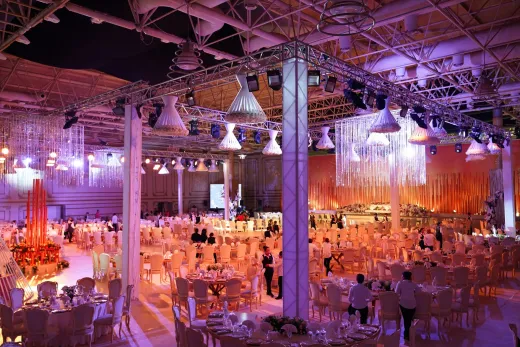
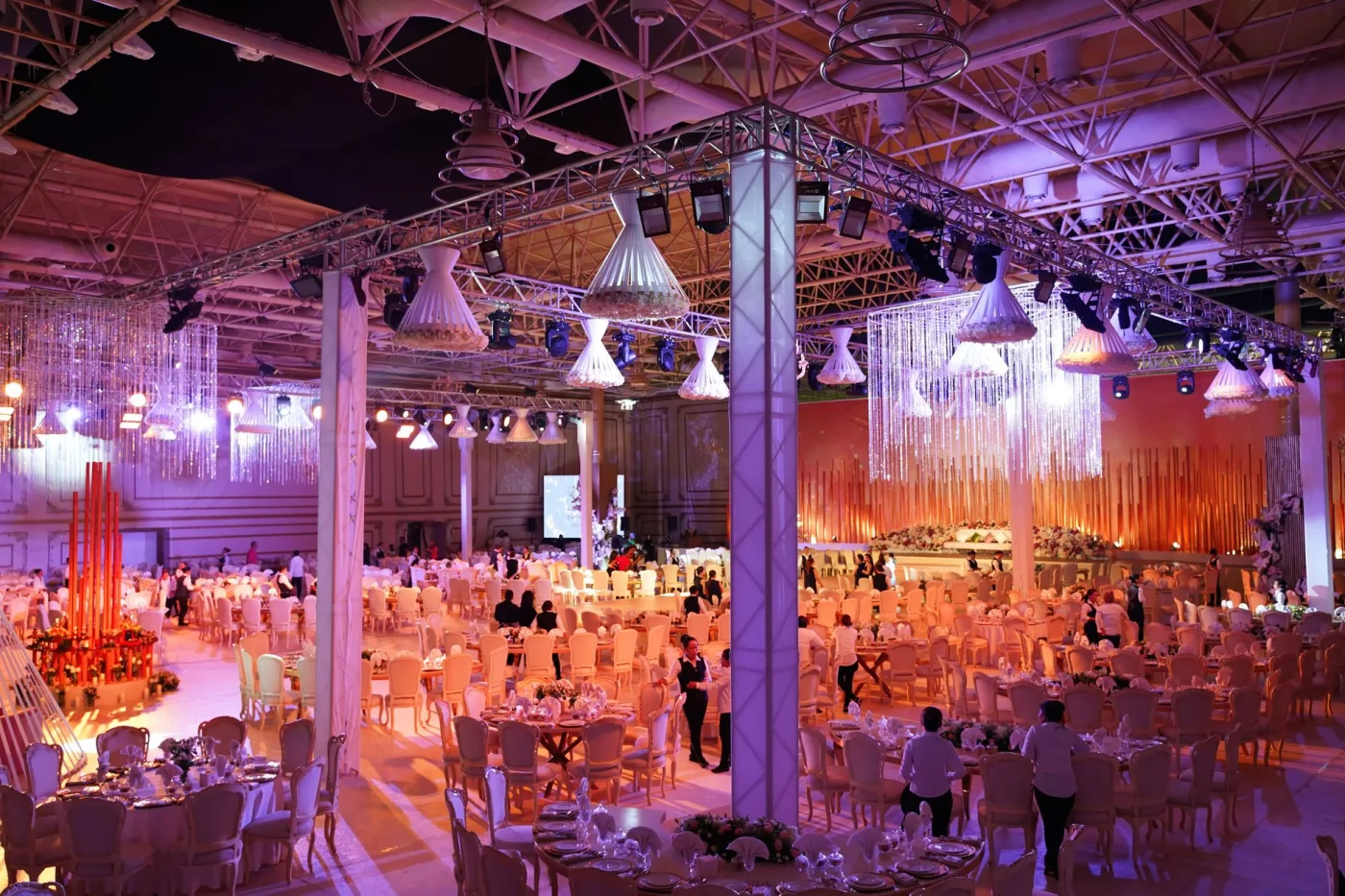
A banquet hall is the venue most couples picture first when they imagine a wedding reception: a large room, tables dressed in white, a stage at one end and staff moving between them. It is also the venue that hides the most behind a single quoted number. Two halls of the same size can be priced on completely different logic, include wildly different things, and leave you with either almost nothing to organise or a long list of vendors to chase. This is the complete guide to banquet halls: what they actually are, the main types, what is normally included, the two pricing models you will be quoted, how capacity and layout really work, where a hall beats other venues and where it loses, and how to judge one properly before you sign.
The short version
- A banquet hall is a purpose-built function room run as a business, one event at a time, for large social gatherings.
- Most bundle the work. Catering, tables, linens, staff and often decor come with the room, which is the whole appeal.
- Two pricing models dominate: per-plate (per guest) and flat hall-rental. They reward opposite guest counts.
- Capacity is not one number. A seated dinner with a dance floor holds far fewer people than the standing maximum.
What a banquet hall actually is
A banquet hall is a special-purpose room, or a whole building, used for hosting large social and business events. The defining trait is that it is designed to feed and seat dozens to hundreds of people at once, in a timely way, with the kitchen, service flow and layout built around exactly that job. Unlike a church hall or a community centre, a banquet hall usually has no religious or government affiliation. It is a commercial operation whose entire reason to exist is to host your event and the next couple's the following weekend.
That commercial, single-purpose nature is what makes a banquet hall predictable. It runs one wedding at a time, has done so hundreds of times, and knows precisely how many staff a two-hundred-guest dinner needs and how long the room takes to turn around. You are not the first couple to ask about a stage, a projector or a late finish. For a wedding reception, which typically absorbs around half of the total wedding budget, that reliability is a large part of what you are paying for. The room is only the visible half; the machinery behind it is the rest.
The main types of banquet hall
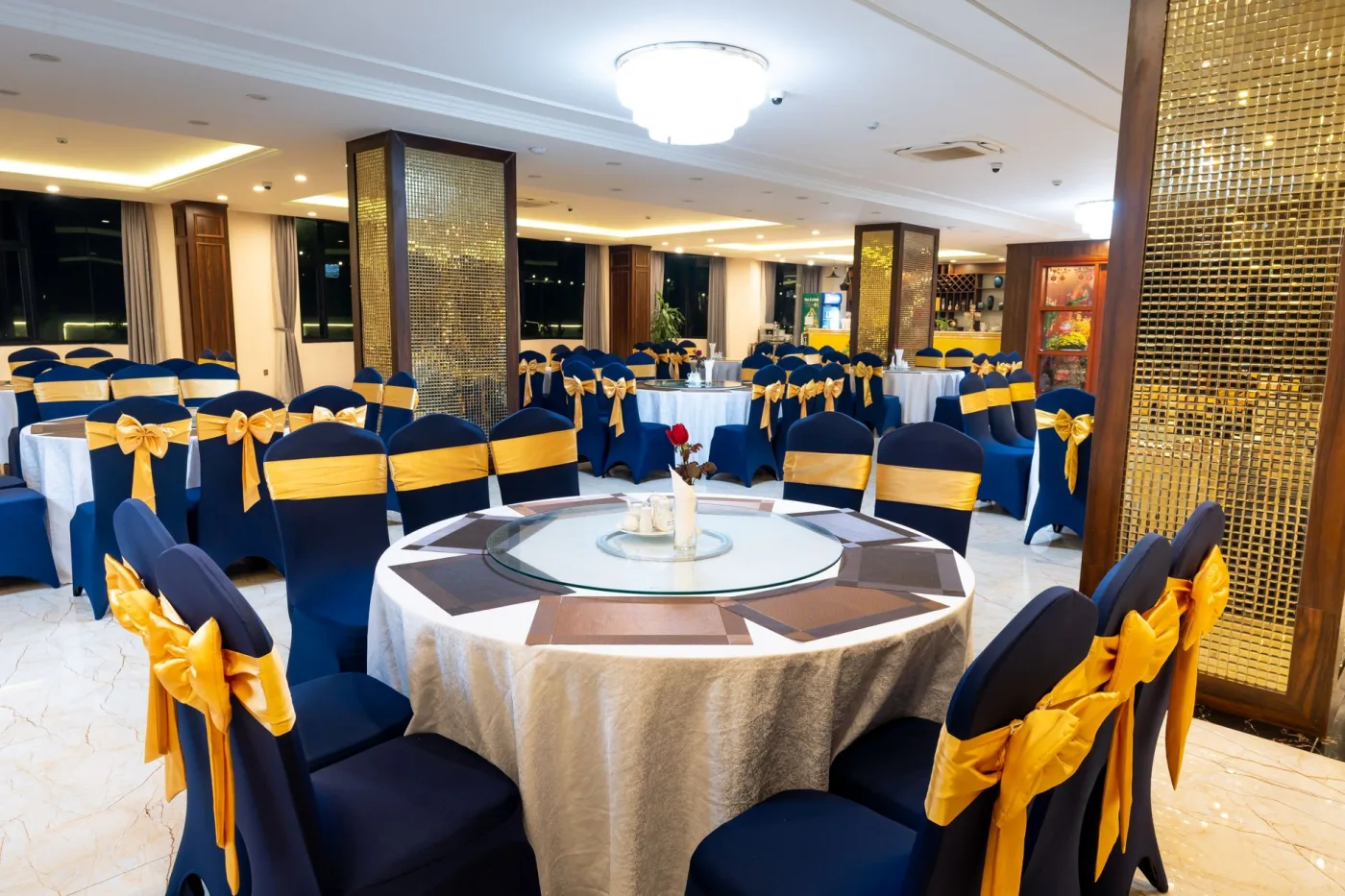
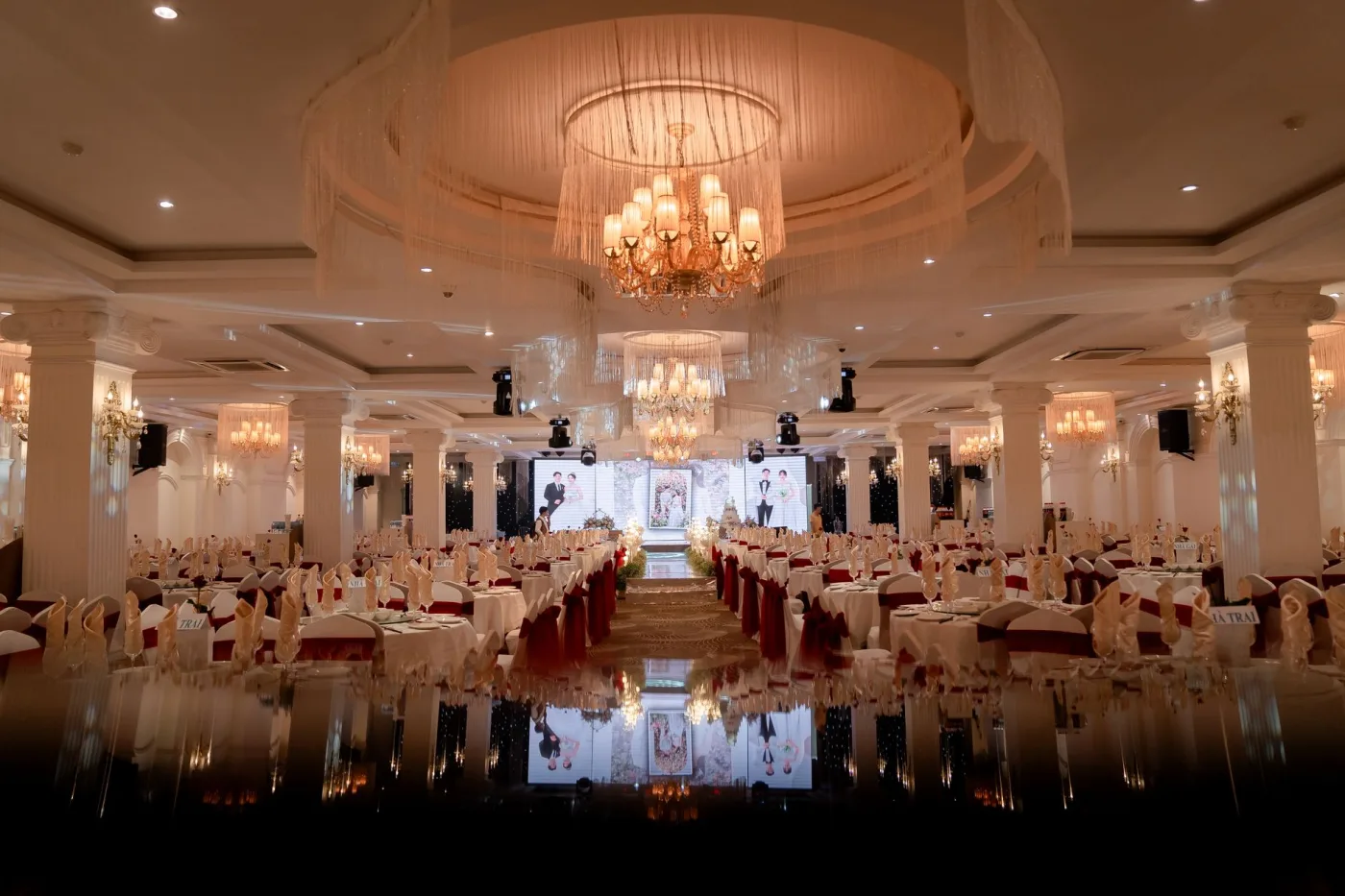
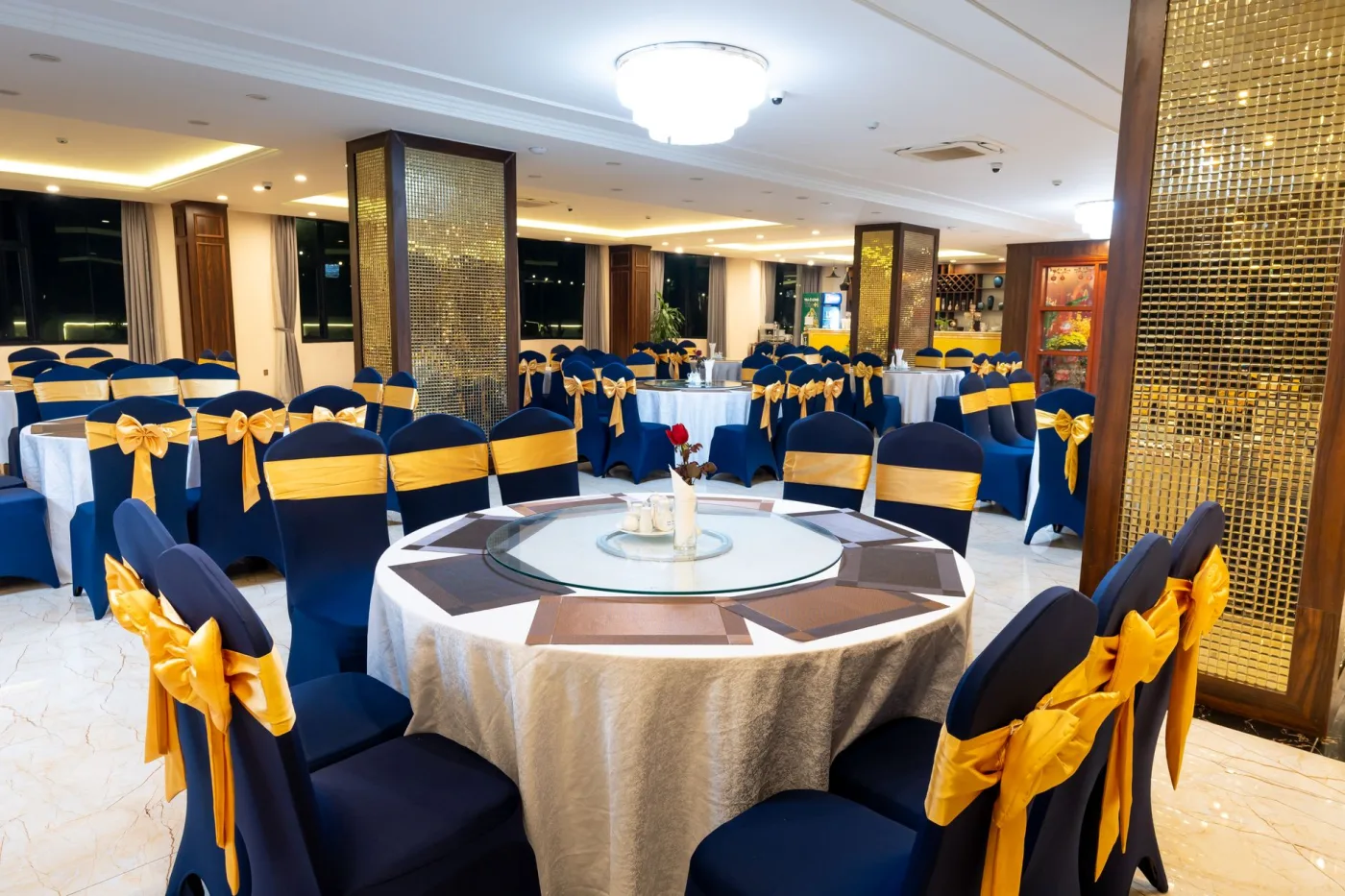
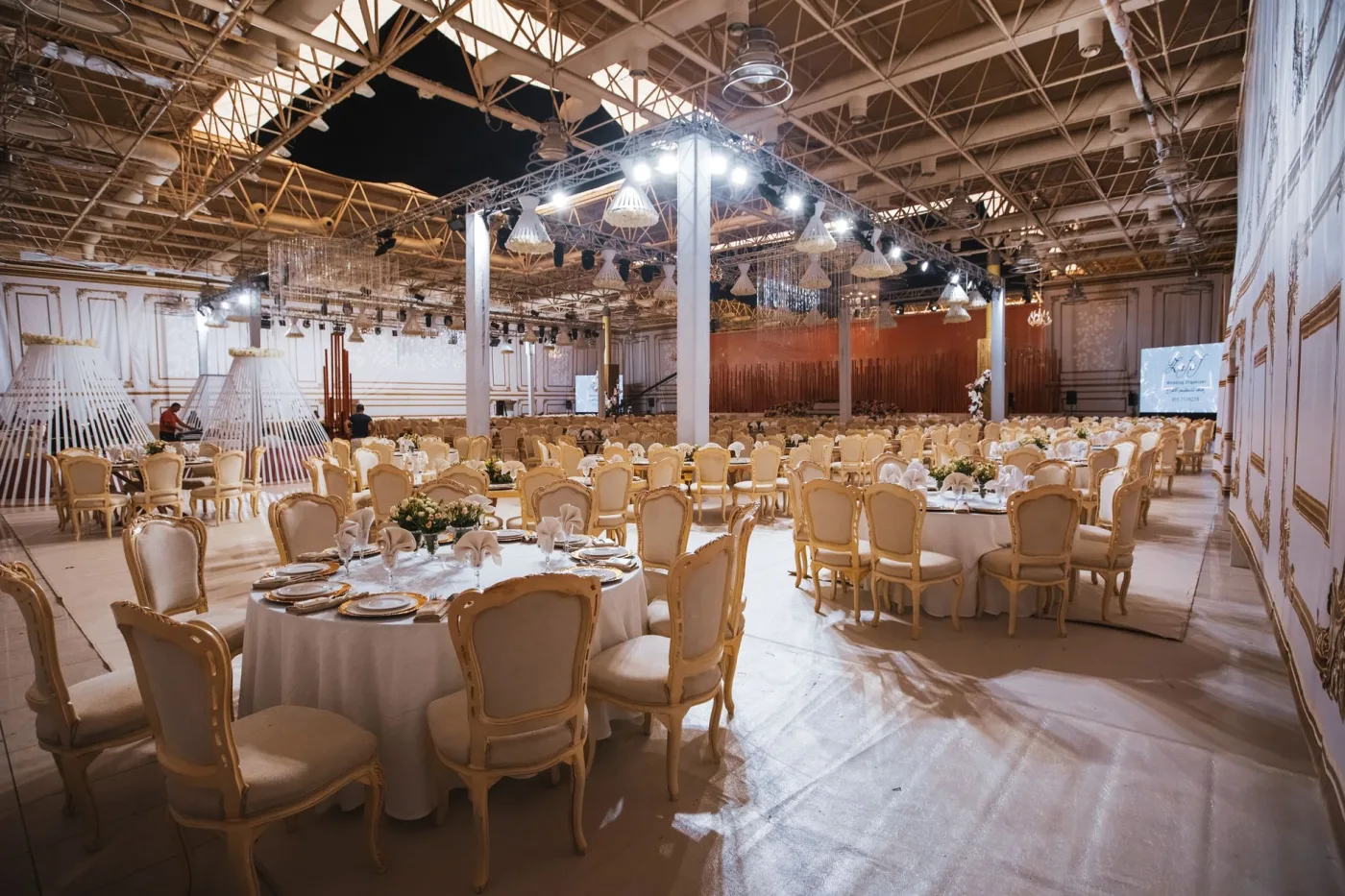
"Banquet hall" covers several quite different operations. They look similar on a listing and behave very differently on price, flexibility and the amount of work they leave you. Knowing which type you are touring tells you more about the true cost and the experience than any photo of a decorated room.
Hotel banquet
A ballroom inside a hotel. In-house catering and bar, a coordinator, and rooms for guests upstairs. Polished and convenient, rarely the cheapest.
Standalone marriage / party hall
A dedicated events building whose only business is functions. Often the most flexible on decor and outside vendors, and frequently the best value per guest.
Community / banquet-style hall
A hall attached to a community centre, temple, club association or civic building. Cheaper hire, but often raw space with rules and a shorter feature list.
Club or members' venue
A function room at a golf, sports or social club. Handsome settings and grounds, sometimes a membership or sponsor requirement, and its own supplier restrictions.
The practical spectrum runs from the hotel ballroom, which does the most for you at the highest price, to the community hall, which does the least and costs the least. The standalone marriage hall usually sits in the sweet spot for a wedding: built for exactly this, staffed for exactly this, and more willing to bend on menus and decor than a hotel bound by its own kitchen. If you want to see how these sit against gardens, barns and destination options, our complete guide to wedding venue types maps the whole field; this article stays inside the hall.
What a banquet hall usually includes
The reason couples gravitate to banquet halls is that so much arrives with the room. Where a garden or barn is a blank space you build a wedding on top of, a hall hands you most of the wedding already assembled. What "most" means varies by hall and by package, but a typical inclusion list looks like this.
Catering
In-house or approved-list kitchen serving a plated dinner or buffet. On many halls this is the single largest line and the one you cannot remove.
Decor and staging
Basic room dressing, a stage or head-table setup, uplighting or drapes on the better packages. Elaborate florals are usually extra.
Tables and linens
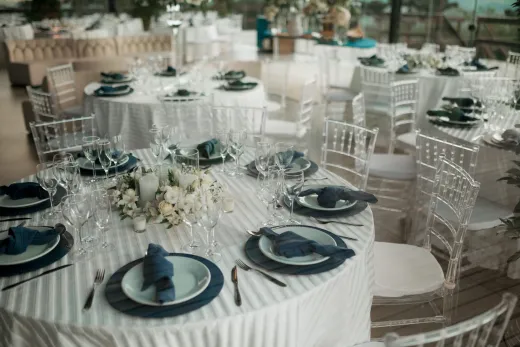
Round or banquet tables, chairs, table linens, cutlery, crockery and glassware, set and cleared for you.
Service staff
Waiters, kitchen crew, a floor manager and often an event coordinator who runs the timeline on the day.
AV and sound
A basic PA, microphones, a projector or screen, and stage lighting. Full DJ or live-band rigs are usually brought in.
Parking and access
On-site or valet parking, step-free access, cloakrooms and a getting-ready room in the more complete venues.
The word to hold on to is "usually". Every one of these lines can be included, an optional upgrade, or excluded, and two halls quoting the same figure can differ entirely on which. This is why the catering arrangement matters so much: a hall may run its own on-premise kitchen, insist you choose from an approved caterer list, or hand you a raw room and let you bring anyone. Group-based per-head pricing, where every guest eats from one agreed menu rather than ordering individually, is the norm for event catering, and it is where most of your money goes.
Read the inclusion list, not the price tag. A hall that looks expensive because it bundles catering, staff, linens and AV can be cheaper all-in than a "cheap" hall that charges hire only and leaves you to hire and pay for every one of those separately. Compare what each number actually buys before you compare the numbers themselves.
The two pricing models, compared
Almost every banquet hall quotes you in one of two ways, and the difference decides which venue is genuinely cheaper for your wedding. Get the model straight before you react to the figure, because the same hall can look expensive or affordable depending only on which model your guest count suits.
| Per-plate (per guest) | Hall rental (flat hire) | |
|---|---|---|
| What you pay for | A price per head that bundles food, service and often the room | A fixed fee for the space and a set time window |
| Catering | Included in the per-head figure | Separate: in-house, approved list, or your own caterer |
| Scales with | Guest count, directly. More guests, more cost | The room, not the headcount. Fixed until capacity |
| Best when | Guest numbers are modest or uncertain | The guest list is large and fills the room |
| The catch | A minimum-guest guarantee you pay even if fewer attend | Every extra (food, staff, rentals) is quoted on top |
| Cost visibility | Clear per head, but add-ons and minimums hide inside it | Opaque until every separate vendor has quoted |
The per-plate model is common in hotels and full-service halls: you agree a menu tier and a price per guest, and the venue handles food, service and the room as one number. Watch for the minimum-guest guarantee, the floor you pay for whether or not everyone shows. The flat hall-rental model is common in standalone and community halls: you rent the empty room for a window and arrange catering, staff and rentals separately or from an approved list. It rewards a large wedding that fills the space, because the fixed fee spreads across more guests, and it punishes a small one, where a big room's hire fee lands on few heads.
How the models play out as your guest count changes
The clearest way to see the two models is to watch what happens to your total as the guest list grows. Per-plate rises in a straight line with every head. Flat rental starts high and barely moves until you hit the room's capacity. Somewhere between them is the crossover where one becomes the cheaper choice.
Per-plate rewards a small or uncertain list; flat rental rewards a large one that fills the room. Find the crossover for your real headcount.
Neither model is cheaper in the abstract. Below the crossover, per-plate wins because you only pay for the guests you actually have. Above it, flat rental wins because the fixed cost is shared across a full room. The mistake is comparing a per-plate quote against a bare hire fee as if they were the same product. They are not. Before you compare, add the catering, staff and rentals a flat-hire room still needs, then put the two totals side by side at your genuine guest count.
Capacity and layout: the numbers that decide the feel
Capacity is the hard limit a banquet hall cannot decorate around, and it is never a single figure. A room advertised for three hundred is quoting its densest possible seating, or even its standing reception maximum. Add a dance floor, a stage, a head table, a cake table, a buffet line and a DJ booth, and the comfortable seated dinner number can drop by a third or more. Always ask for the seated dinner capacity with a dance floor included, and match it to your realistic guest count, not your optimistic one.
Layout decides how the room feels at that number. The same hall can be arranged for a formal plated dinner with round tables of ten, a long-table banquet, a buffet flow, or a theatre-and-reception split for a ceremony followed by dining. Ask to see a floor plan at your headcount, with the dance floor and stage marked, and check the honest sightlines: whether every table can see the stage, how far the back row sits from the couple, and where the kitchen doors and service routes run. A room that seats your number on paper can still feel cramped or cavernous depending on how these pieces are placed.
Banquet halls versus other venues
A banquet hall is the safe, packaged choice, and that is both its strength and its limit. Set against a garden, a barn or a private home, it trades a little individuality for a lot of certainty. Here is the honest balance.
| Strengths | Trade-offs |
|---|---|
| Most of the wedding is included, so the workload is low | Less individual than a raw space you shape yourself |
| One event at a time, with an experienced coordinator | In-house catering and supplier lists can limit your choices |
| Predictable pricing and a weatherproof indoor space | Menu tiers and minimum spends can inflate a modest wedding |
| Tables, staff, AV and parking already in place | Rooms can feel generic without spend on decor |
| Reliable capacity for large guest lists | Curfews and hard end times are common and non-negotiable |
Choose a banquet hall when you value certainty, have a large or formal guest list, want an indoor space that ignores the weather, and would rather not become the general contractor for your own wedding. Lean toward a garden, barn or home when individuality and total control matter more than convenience, and you have the time and appetite to hire and manage each vendor yourself. Both are valid; they simply suit different couples and different weddings.
What to check before you book a banquet hall
A tour is a sales visit, and a well-run hall runs it smoothly. Your job is to steer it back to the details that decide whether the day works. Walk in with these checks written down, and get every answer into the contract rather than leaving it in conversation.
Pricing model and total
Per-plate or flat hire, and the genuine all-in cost for your date and headcount, with every add-on itemised. Not the "starting from" figure.
Seated capacity with a dance floor
The comfortable dinner number once the stage, dance floor and buffet are placed, not the fire-code or standing maximum.
Catering rules
In-house only, an approved list, or your own caterer, plus any minimum-guest guarantee, corkage and cake-cutting fee.
Access and end time
Setup hours, event hours, pack-down time, whether another event shares the day, and the hard noise curfew.
What is truly included
Decor, linens, AV, staff, security and cleanup, spelled out line by line, so no "extra" surprises you after the deposit.
Deposit and cancellation
The deposit, the payment schedule, the refund terms, and what protects you if the hall double-books or changes hands.
Run those checks and the quote stops being a mystery number and becomes a set of decisions you can weigh. Once you know what kind of hall you want and what to ask, choosing between the actual venues within reach of your guests is a local exercise: catchment, travel time and what your specific area offers. Our companion guide to finding banquet halls near you covers how to search locally, compare quotes fairly, and judge a shortlist without wasting weekends on tours that were never going to fit.
Where the hall sits in your wider plan
The hall is rarely a standalone decision. It fixes your real date, caps your guest list, and frames how much of the budget is left for everything else, which is exactly why the venue booking belongs near the top of any sensible timeline. Slot it into our wedding planning checklist so the date you lock in lines up with catering choices, guest numbers and every downstream vendor, rather than being reverse-engineered around a room you fell for too early. Book the hall first, with the pricing model understood and the inclusions in writing, and the rest of the plan falls into a sensible order behind it.
Frequently asked questions
What is a banquet hall?
A banquet hall is a special-purpose room or building used for hosting large social and business events, such as weddings, receptions and corporate functions. It is designed to seat and feed dozens to hundreds of guests at once, and unlike a church or civic hall it usually has no religious or government affiliation, operating instead as a commercial venue. That single-purpose, one-event-at-a-time nature is what makes a banquet hall predictable: the kitchen, service flow and layout are all built around hosting exactly the kind of event you are planning.
What is usually included in a banquet hall booking?
Most banquet halls include far more than the room. A typical package covers catering from an in-house or approved kitchen, tables, chairs, linens, cutlery and crockery, service and kitchen staff, basic decor and staging, a PA system with microphones and a projector, and parking. The exact list varies by hall and by package tier, and any single line can be included, an upgrade, or excluded, so the inclusion list matters more than the headline price. Always confirm item by item what your quote actually buys before comparing it with another hall's number.
What is the difference between per-plate and hall-rental pricing?
Per-plate pricing charges a fixed amount per guest that bundles food, service and often the room, so your total scales directly with the guest count and usually carries a minimum-guest guarantee you pay regardless of attendance. Hall rental charges a flat fee for the empty space and a time window, with catering, staff and rentals arranged separately or from an approved list. Per-plate tends to suit modest or uncertain guest lists, while flat rental rewards a large wedding that fills the room, because the fixed fee spreads across more heads. Compare them at your real headcount, adding a flat-hire room's extras first.
How many guests does a banquet hall hold?
It depends on the room and, crucially, on the layout, so never trust the single advertised maximum. A hall quoted for three hundred is usually citing its densest seating or standing reception capacity. Once you add a dance floor, a stage, a head table, a buffet line and a DJ booth, the comfortable seated dinner number can fall by a third or more. Ask specifically for the seated dinner capacity with a dance floor included, request a floor plan at your headcount, and match it to your realistic guest count rather than an optimistic one.
Are banquet halls cheaper than other wedding venues?
Not automatically, but they are often better value all-in because so much is bundled. A hall that looks expensive because it includes catering, staff, linens and AV can cost less overall than a "cheap" garden or barn that charges hire only and leaves you to buy every one of those separately, plus a marquee, toilets and a generator. Banquet halls also give predictable pricing and a weatherproof indoor space. The honest comparison is total cost at your guest count, not headline hire fee against headline hire fee.
What should I check before booking a banquet hall?
Confirm the pricing model and the genuine all-in cost for your date and headcount, the comfortable seated capacity with a dance floor, and the catering rules, including any minimum-guest guarantee, corkage or cake-cutting fee. Check exactly what is included versus extra, the setup and access hours, whether another event shares your day, the hard noise curfew and end time, and the deposit, payment and cancellation terms. Get every answer written into the contract rather than left in conversation, because the dull logistical details are what turn a beautiful room into a smooth day.