Marriage Bible Verses: The Complete Guide
The best-loved passages on love, union and partnership explained, with a respectful guide to choosing and using them.
For Christian couples, the Bible is where marriage finds its deepest language, and its verses turn up everywhere: in wedding ceremonies, on invitations, in anniversary cards and in the quiet counsel a couple returns to over the years. This guide gathers the best-loved marriage passages, explains what they mean in context, and offers a respectful way to choose the ones that speak to you. It is written to inform rather than to preach, and it points you to trusted sources so you can read the full texts for yourself.
The short version
- A few passages carry most of the weight, from 1 Corinthians 13 to Genesis 2 and Ephesians 5.
- Context matters. Reading the surrounding chapter changes and deepens a verse's meaning.
- Verses serve many roles, from ceremony readings to vows, cards and daily encouragement.
- Translations differ. Choose a version whose wording you find clear and moving, and cite it accurately.
Why marriage verses matter to so many couples
The Bible is the collection of religious texts central to Christianity, and for believers it is the source that frames what marriage is and what it asks of two people. Rather than treating a wedding as only a legal event or a party, the Christian view of marriage understands it as a covenant, a solemn and lasting commitment, often described as reflecting the bond between Christ and the church.
That is why scripture appears at almost every stage of a Christian wedding and marriage. A verse read aloud during the ceremony sets the tone; a line on the order of service or the invitation frames the day; a passage revisited on an anniversary renews the promise. The verses below are the ones couples reach for most, grouped by the kind of thing they say.
Verses on the nature of love
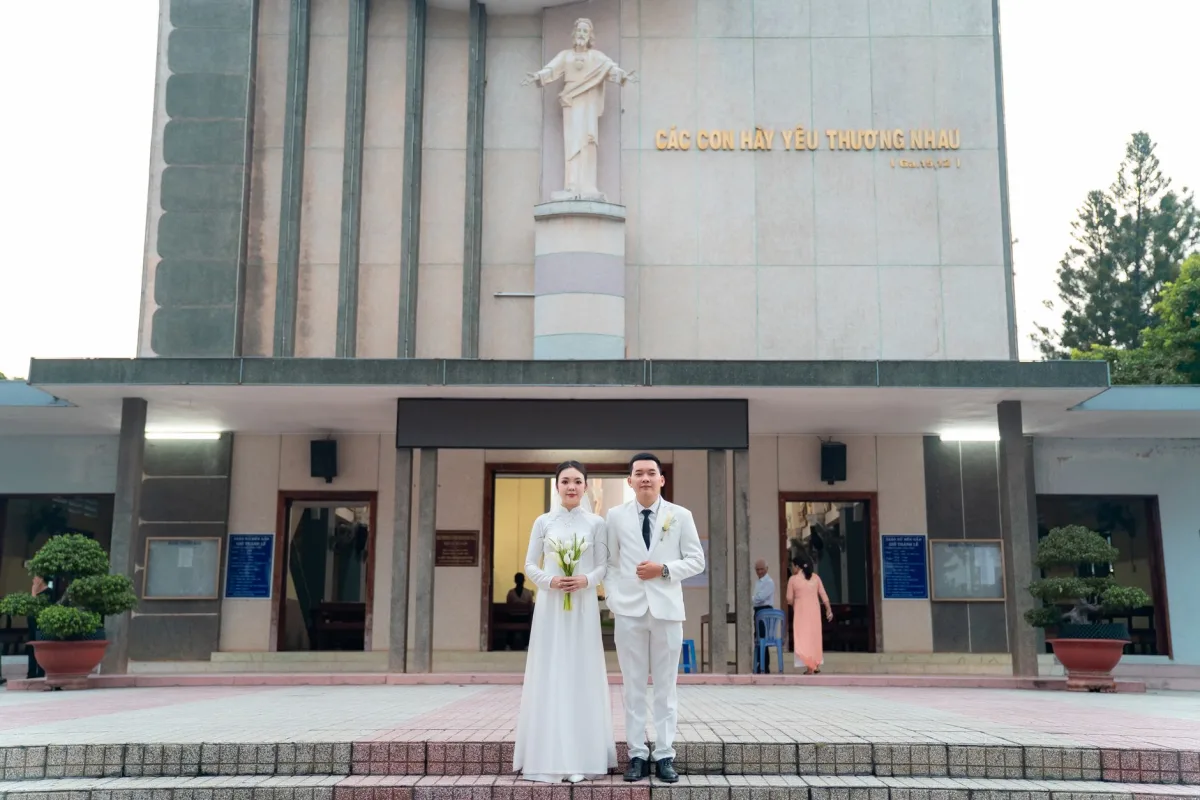
No passage is quoted at weddings more often than the thirteenth chapter of Paul's first letter to the Corinthians, the great description of love. It teaches that love is patient and kind, that it does not envy or boast, that it keeps no record of wrongs, and that it always protects, trusts, hopes and perseveres. Its closing line, that faith, hope and love remain, and the greatest of these is love, is among the most recognised sentences in the entire Bible.
Alongside it, couples often choose the counsel in Colossians to put on love, which binds all the virtues together in perfect unity. These passages are popular precisely because they describe love as something you do and choose daily, not merely a feeling. For the practical side of living that out, our guide to everyday relationship habits is a natural companion to the ideal these verses set.
Verses on union and commitment
Where the love passages describe the quality of the bond, another group of verses speaks to its permanence and its nature as a joining of two into one.
Genesis 2:24
The foundational verse that a man leaves his father and mother and is united to his wife, and they become one flesh. It is the scriptural root of the idea of marital union.
Mark 10:9
The teaching that what God has joined together, let no one separate. Often read to underline the seriousness and permanence of the vow.
Ephesians 5
Paul's extended passage on mutual love and respect between husband and wife, framing marriage as reflecting the love of Christ for the church.
Song of Songs
The Bible's poetic celebration of love between two lovers, drawn on for its tender and joyful imagery of devotion.
The Song of Songs, also called the Song of Solomon, is worth singling out because it is the one book of the Bible devoted entirely to romantic love, full of imagery that many couples find both beautiful and surprisingly warm. Lines from it are popular on cards and readings for exactly that reason.
Verses on partnership and mutual support
Some of the most practical marriage verses are not about romance at all but about the strength of two people facing life together. The passage in Ecclesiastes that two are better than one, because they have a good reward for their labour, and that a cord of three strands is not quickly broken, is a favourite for its plain wisdom about companionship and resilience.
In the same spirit, couples draw on verses that call for patience, forgiveness and bearing with one another, such as the counsel in Ephesians and Colossians to be kind and to forgive as you have been forgiven. These speak honestly to the daily reality that marriage requires grace on both sides. They pair naturally with the ceremonial passages: the grand ideals set the vision, and the everyday counsel makes it liveable.
How to choose and use marriage verses
With so many passages to choose from, the question is less which verses are correct and more which ones are right for you. A few principles help you choose well and use them respectfully.
- Read the context. Look at the whole chapter around a verse, not just the memorable line, so its meaning is clear and you are not quoting something out of context.
- Choose a translation you love. Wording differs between versions, so read a passage in a few and pick the one whose language moves you, then cite it accurately.
- Match the verse to the moment. A grand passage suits a ceremony reading; a shorter, warmer line suits a card, an invitation or an anniversary.
- Make it personal. The verse that reflects your own relationship will always mean more than the one that is simply most famous.
- Ask for guidance if unsure. A minister or church community can help you understand a passage and choose readings that fit your ceremony.
However you use them, these verses often outlast the wedding day. Many couples return to a passage they chose for their marriage on each anniversary, which is why our collection of anniversary messages and our overview of the marriage ceremony both make good next reads for putting scripture to work in real life. For couples who want faith-centred support in their marriage, our guide to Christian marriage counselling goes further still.
The bottom line
Marriage Bible verses give Christian couples a shared language for love, union and lifelong commitment, drawn from passages as celebrated as 1 Corinthians 13, Genesis 2, Ephesians 5 and the Song of Songs. The best way to use them is to read them in context, choose a translation whose words move you, match each verse to its moment, and pick the ones that genuinely reflect your relationship. Chosen with care, these ancient words become part of your own story, spoken at the altar and returned to for years to come.
Frequently asked questions
What is the most popular Bible verse for weddings?
The thirteenth chapter of 1 Corinthians, the passage describing love as patient and kind, is by far the most commonly read at Christian weddings. Its closing line, that faith, hope and love remain and the greatest of these is love, is one of the best-known sentences in the Bible. Genesis 2:24 on becoming one flesh and passages from Ephesians and the Song of Songs are also widely chosen.
What does the Bible say marriage is?
In the Christian view, marriage is understood as a covenant, a solemn and lasting commitment between two people, often described as reflecting the bond between Christ and the church. Genesis 2:24 provides the foundational image of a couple becoming one flesh, and passages such as Mark 10:9 underline its intended permanence. It is seen as far more than a legal or social arrangement.
Are there Bible verses about romantic love?
Yes. The Song of Songs, also called the Song of Solomon, is an entire book of the Bible devoted to the love between two lovers, rich with tender and joyful imagery. Couples often draw on its lines for readings and cards. Alongside it, the love described in 1 Corinthians 13 speaks to love as a chosen, active devotion rather than only a feeling.
Which Bible verse is good for a wedding anniversary?
Many couples return on their anniversary to the same passage they chose for their wedding, which makes it especially meaningful. The Ecclesiastes passage that two are better than one and that a cord of three strands is not quickly broken is a popular anniversary choice for its wisdom about companionship, as are warm lines from the Song of Songs and the description of love in 1 Corinthians 13.
Do different Bible translations word marriage verses differently?
Yes. The Bible exists in many translations, and the exact wording of a verse can differ between them while the meaning stays the same. It is worth reading a passage in a few versions and choosing the one whose language you find clearest and most moving, then citing that translation accurately. If you are unsure, a minister or church community can help you compare and choose.