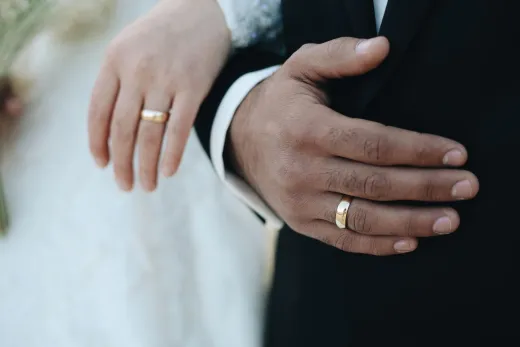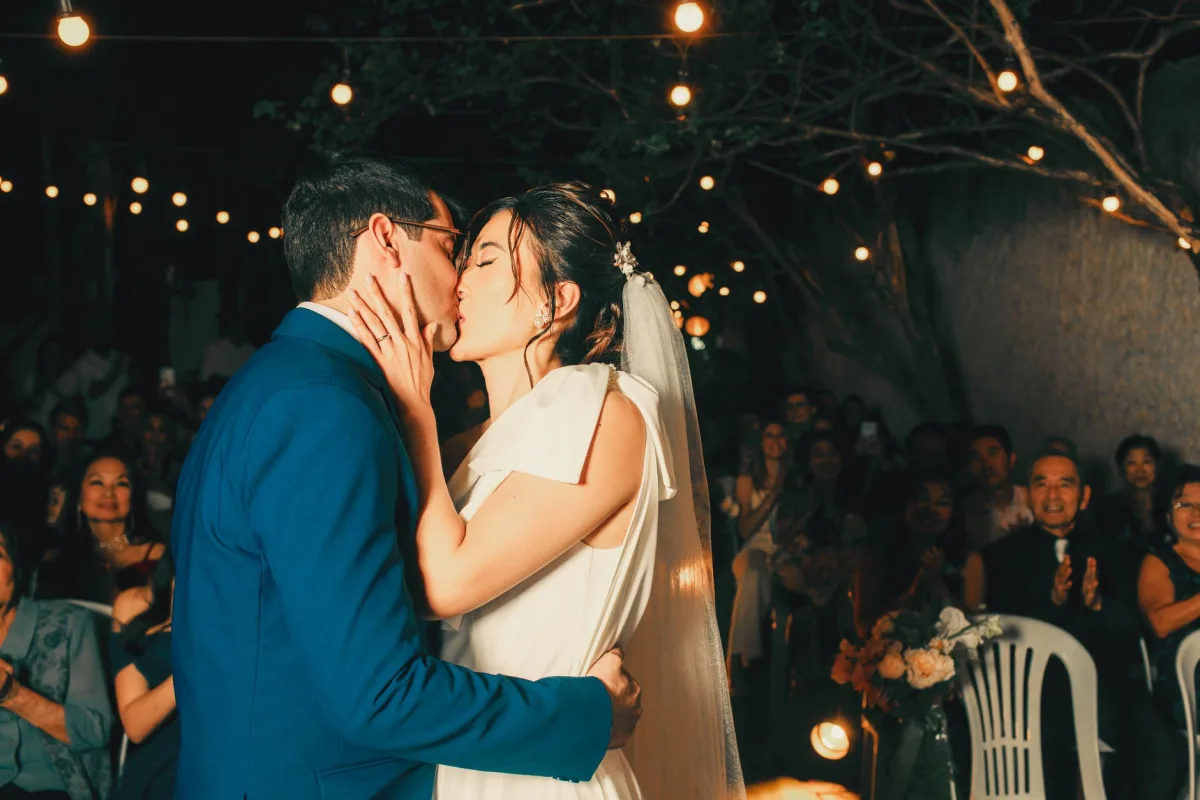
Matrimony: The Complete Guide
What matrimony means, a short history of matchmaking, the routes to a match, how online matrimony changed the picture, and the enduring principles for using it well.
Matrimony is one of those words with two lives. In its formal sense it simply means marriage, the state of being wed. In everyday South Asian usage it has come to mean something more practical: the whole world of matchmaking that helps people find a spouse, from the community matchmaker to the online profile. This guide is the pillar overview of that second sense. It takes matrimony as a process, explains where it came from, lays out the routes people take to find a partner, and offers a grounded, respectful picture of how to move through it well, whichever tradition you come from.
The short version
- Matrimony means marriage, and in common usage also the whole process of finding a spouse.
- Matchmaking is ancient and near-universal, from family introductions to bureaus to modern platforms.
- Consent is the modern cornerstone. Families may introduce, but the couple decides.
- The best approach blends reach and judgement. Wide search, careful verification, family counsel and patience.
What matrimony means
Strictly, matrimony is a synonym for marriage, the culturally and often legally recognised union between spouses that establishes rights and duties between them and, frequently, their families and children. The word carries a slightly formal, sometimes religious weight, the "bonds of matrimony," "holy matrimony", which is why it survives in ceremonies and vows even where plainer words have taken over elsewhere.
Alongside that formal meaning, though, "matrimony" has taken on a busy practical life, especially across South Asia and its diaspora. To speak of "matrimony" there is often to speak of the search: the matrimony sites, the matrimonial columns, the matchmakers and bureaus that exist to bring prospective spouses together. This guide leans into that practical sense, treating matrimony as the broad activity of matchmaking with marriage as its goal, while keeping the deeper institution it serves always in view. The two are inseparable: the process only means anything because of the lifelong union it aims at.
A short history of matchmaking
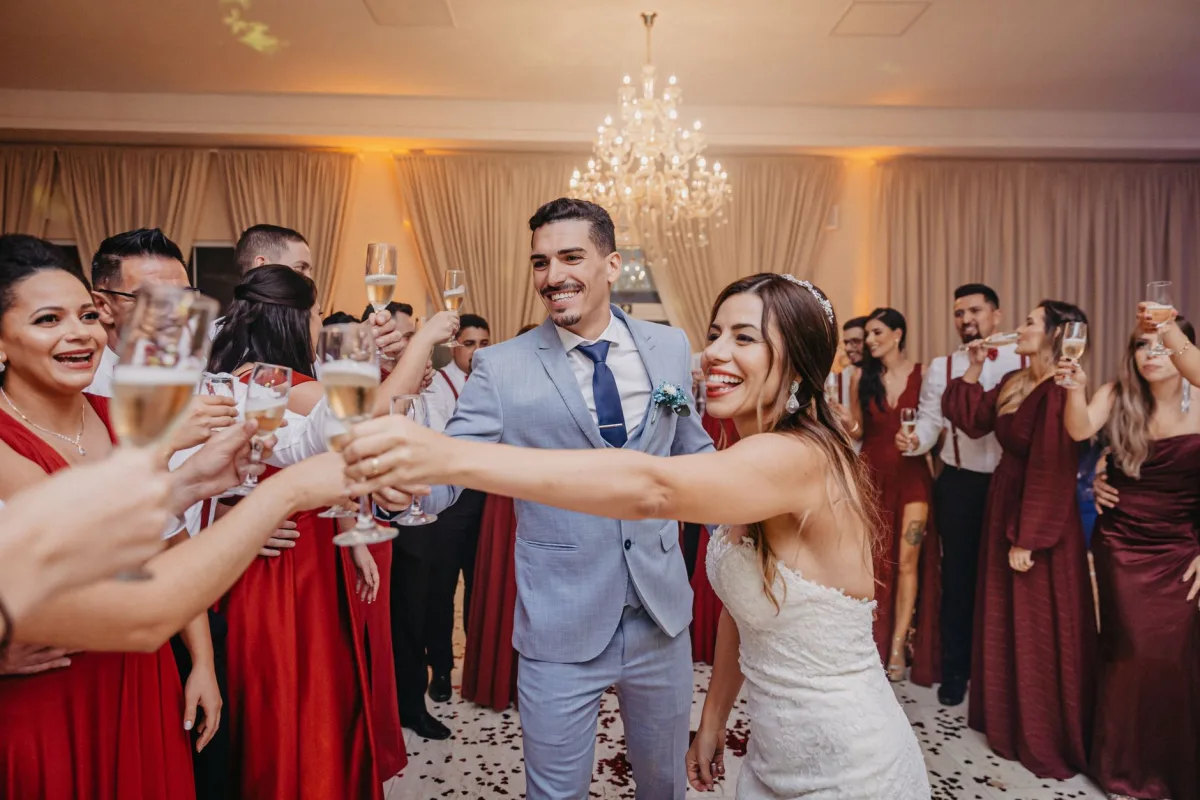


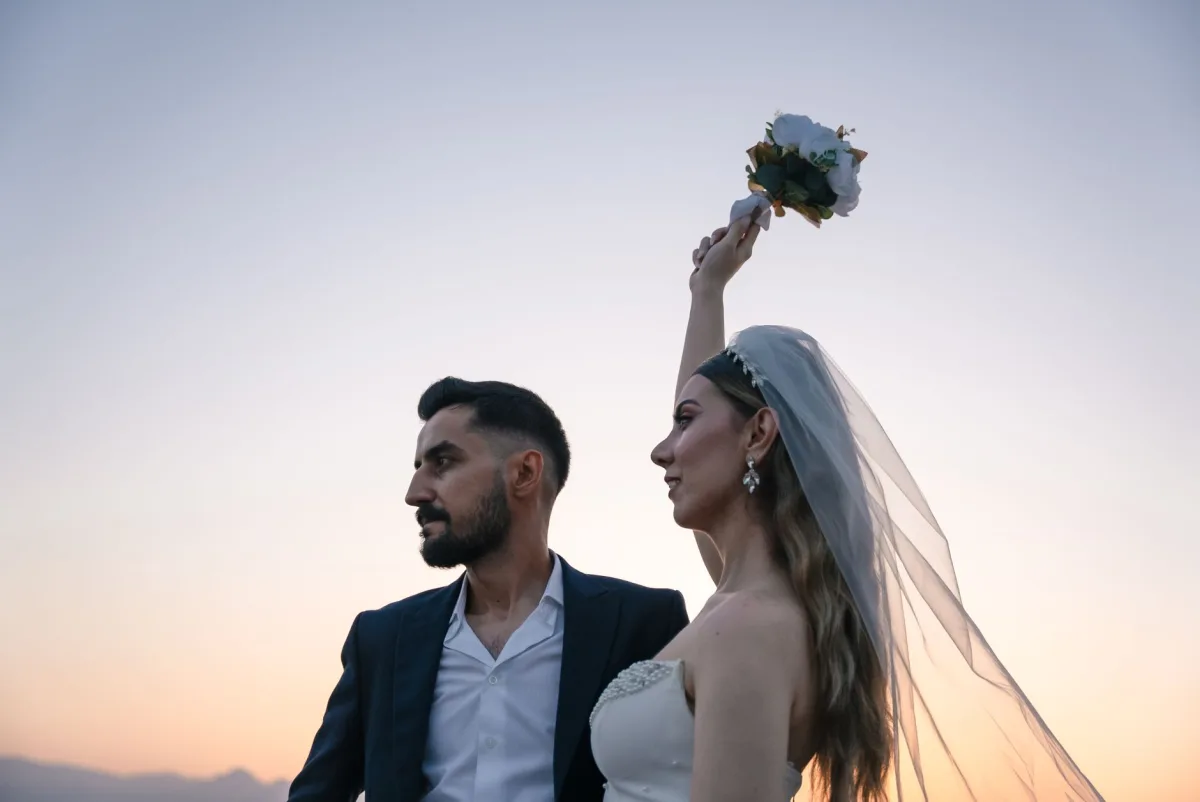
The idea that families help arrange marriages is far older than any website, and for most of human history it was the norm rather than the exception. Across the world, marriages were commonly settled with heavy involvement from parents and elders, weighing family standing, compatibility and the practical joining of two households. This is the tradition of arranged marriage, which remains widely practised today across South Asia, the Middle East, parts of Africa and East Asia, and which is often distinguished carefully from forced marriage by the presence of the couple's consent.
Within that long tradition, the specialist matchmaker emerged early: a trusted person who knew the families of a community and could suggest good pairings. Over time this hardened, in many places, into the marriage bureau, a formal agency offering the same service for a fee. Newspaper matrimonial advertisements extended the reach further in the twentieth century, and the internet has since transformed it entirely, turning a local search into a national or global one. What has not changed across all these forms is the underlying purpose: to widen the circle of possible partners beyond the handful a family would meet by chance.
The routes to a match
People find their way to marriage through several routes, and most families today mix them rather than relying on just one. Each has a distinct character.
Family and community
The oldest route: relatives and elders introduce a match, as a rishta. Strong on trust, limited in reach.
The marriage bureau
A professional matchmaker with a register. Human judgement and vouching, within a curated local pool.
Online matrimony platforms
Searchable profiles at scale, reaching far beyond the neighbourhood. Great breadth; more verification falls on the user.
Meeting independently
Increasingly, couples meet on their own and then bring families in. A blend of self-choice and family blessing.
No single route is right for everyone. A family in a tight-knit community may find everything they need through relatives and a trusted bureau; another, spread across cities or continents, may rely mainly on an online platform. The healthiest attitude treats these as tools rather than tribes: use whichever combination widens your search sensibly while keeping the judgement and care that a good match demands.
How online matrimony changed the picture
The move online is the single biggest shift matchmaking has seen in generations, and it is worth understanding what it did and did not change. What it changed is reach and efficiency. A family that once depended on a matchmaker's memory can now search a vast pool by community, faith, profession, education and location, and connect across cities and countries in minutes. For anyone outside a large local community, especially in the diaspora, this has been genuinely transformative, opening doors that simply did not exist before.
What it did not change is the nature of the decision. A profile can introduce; it cannot vouch, verify or judge character the way a matchmaker who knows both families can. So the responsibility that a bureau used to carry, checking that people are who they say they are, weighing family fit, sensing a mismatch, now falls more heavily on the user. Modern platforms such as matrimony360 answer this by combining wide reach with tools and verification features that help families search safely, but the core truth remains: the platform widens the search, and you supply the judgement. Understanding that division is the difference between using online matrimony well and being overwhelmed by it. For a closer look at the institution all of this serves, our overview of marriage and matrimony is a useful companion.
Using matrimony well: the enduring principles
Across every route and every era, the same handful of principles separate a calm, dignified search from a fraught one. They are old-fashioned precisely because they work.
- Be honest. Accurate information about yourself and your expectations respects everyone's time and lays the foundation of trust a marriage will need.
- Know what truly matters. Distinguish your genuine non-negotiables from mere preferences, so you neither compromise on the essential nor reject over the trivial.
- Verify, especially online. Confirm identity and key claims early, before feelings and families are invested. Never send money to a supposed match or intermediary.
- Keep family in counsel, not command. The wisdom of the tradition is many eyes on a decision; the danger is losing your own voice. Aim for advice, and keep your consent central.
- Be patient. A lifelong decision deserves more than one meeting. Pressure to rush is a warning sign, not a good one.
Matrimony is a beginning, not an end
It is easy, in the thick of searching, to treat finding the match as the whole task. It is not. A match is an introduction to the possibility of a marriage, and the marriage itself is built afterwards through the ordinary work of two people learning to live well together. This is why the couples who thrive keep investing long after the wedding, communicating honestly, sharing the load fairly, and choosing each other again through the hard seasons. Our guide to building a strong, lasting relationship covers the habits that matter most once matrimony's search is over and married life has begun.
Seeing matrimony this way takes some of the pressure off the search itself. You are not looking for a flawless person who guarantees happiness; you are looking for a compatible partner with whom you can build it. That is a far more achievable, and far more honest, goal, and it tends to produce both better decisions and calmer families along the way.
The bottom line
Matrimony is marriage, and, in everyday use, the whole ancient business of matchmaking that leads to it. Its routes, from family introductions to bureaus to online platforms, are tools of different reach and character, and the wise combine them rather than choosing sides. Across all of them the enduring principles hold: be honest, know what matters, verify, keep family in counsel, and take your time. Above all, remember that finding the match is the beginning, not the achievement. Approach matrimony with that clarity and respect, and its long tradition does exactly what it was always meant to do, bring the right two people together, and then leave the building of a life, rightly, to them.
Frequently asked questions
What does matrimony mean?
Formally, matrimony is a synonym for marriage: the culturally and often legally recognised union between spouses. In everyday South Asian usage it also refers to the whole process of finding a spouse: the matrimony sites, matchmakers and bureaus. So the word covers both the institution of marriage and the matchmaking activity that leads to it, and the two are closely linked.
Is matrimony the same as an arranged marriage?
Not exactly. Matrimony is the broad subject of marriage and matchmaking, while arranged marriage is one long-standing tradition within it, in which families take an active role in identifying suitable partners. Much of the matrimony world, including bureaus and many online platforms, operates within that arranged tradition, but modern practice centres the couple's consent, which distinguishes an arranged match from a forced one.
How has online matrimony changed matchmaking?
Chiefly by transforming reach and efficiency. Where families once depended on a matchmaker's local knowledge, they can now search a vast pool by community, faith, profession, education and location, and connect across cities and countries. What it did not change is the need for judgement: a profile can introduce but cannot vouch for or verify a person, so more responsibility for checking falls on the user than with a traditional matchmaker.
What are the main routes to finding a match?
There are broadly four, and most families blend them: introductions through family and community; the professional marriage bureau with its matchmaker and register; online matrimony platforms offering searchable profiles at scale; and couples meeting independently and then involving their families. Each has different strengths in reach, trust and judgement, so combining them often works better than relying on a single route.
Does finding a match through matrimony guarantee happiness?
No. Matrimony, in the matchmaking sense, can introduce you to a compatible partner, but a happy marriage is built afterwards through honest communication, fairness and continued commitment. The match is a beginning, not an achievement. Approaching the search looking for a compatible partner to build a life with, rather than a flawless person who guarantees it, tends to produce both better decisions and a calmer process.