Rishta: The Complete Guide
What a rishta really is, how one unfolds from first mention to a firm yes, the etiquette behind it, and how to handle a rishta safely in the online age.
A rishta is, at its simplest, a proposal of marriage: an introduction between two people and, in the South Asian tradition, between two families. The word travels far beyond a dating match. It carries the weight of families meeting, elders weighing character and compatibility, and a relationship being built slowly and in the open rather than in private. This guide walks through what a rishta actually is, how one unfolds from the first mention to a firm yes, the etiquette that keeps it dignified for everyone, and how the process has adapted to a world where much of the search now begins online.
The short version
- A rishta is a marriage proposal or introduction, usually made with families involved rather than between two individuals alone.
- It is a process, not a single event. It moves in stages: the suggestion, the exchange of details, meetings, and finally a considered decision.
- Consent sits at the centre. An arranged introduction only becomes a match when both people agree, which is what separates it from a forced marriage.
- Etiquette protects everyone. Honesty, patience and a gracious no keep the process respectful for both families.
What a rishta actually means
In Urdu and Hindi, rishta means a relationship or connection, and in the context of marriage it names the proposal itself: "a rishta has come" means a family has suggested a match. Unlike a Western date, which two people usually arrange privately, a rishta is traditionally introduced through a wider circle, relatives, family friends, a matchmaker or, increasingly, an online platform, and it is understood from the outset to be aimed at marriage rather than casual company. This sits within the broader tradition of arranged marriage, which remains common across South Asia, the Middle East and parts of Africa and East Asia.
It is worth clearing up a common misunderstanding straight away. A modern rishta is not a decision made over the heads of the couple. In the great majority of families today it is better described as an introduction: the elders open the door, and the two people decide whether to walk through it. The consent of both is the hinge on which the whole thing turns, and it is precisely this that distinguishes an arranged introduction from a forced marriage, which is coercive and widely condemned. Understanding the difference between a rishta as it is practised now and the caricature of it is the first step to approaching the process with confidence.
The stages of a rishta
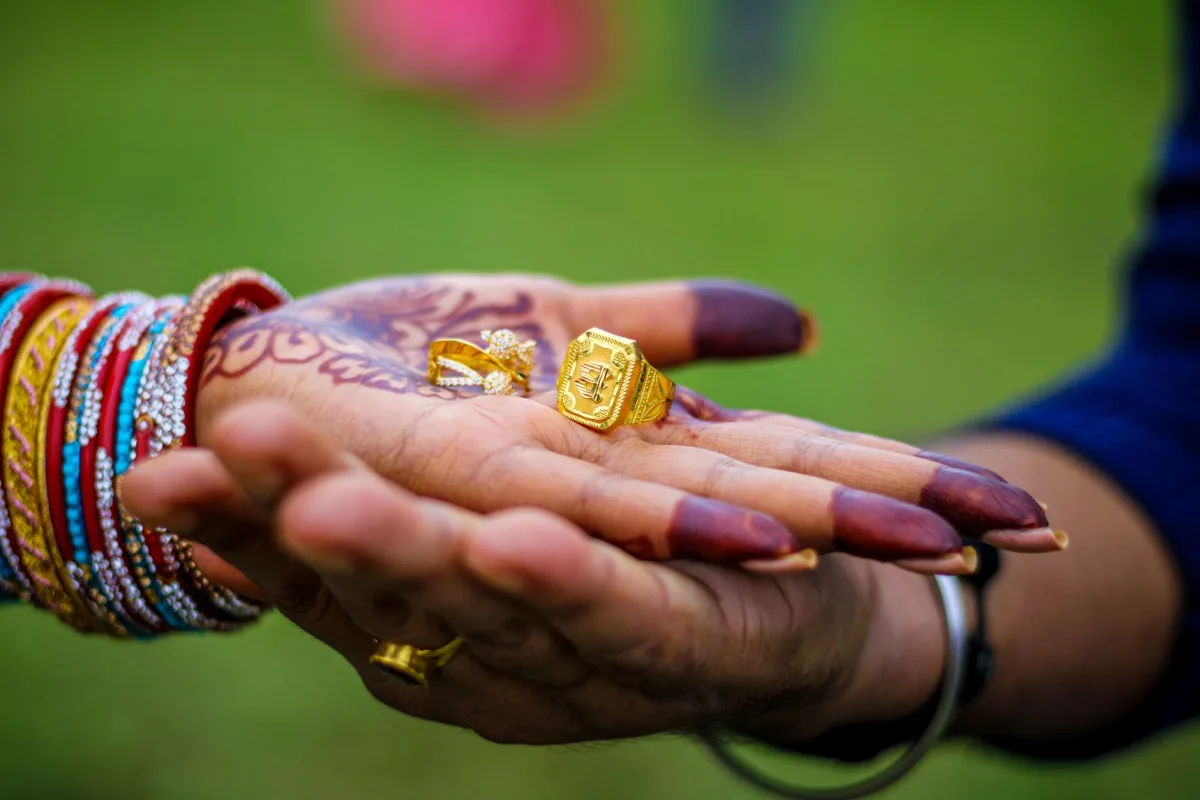
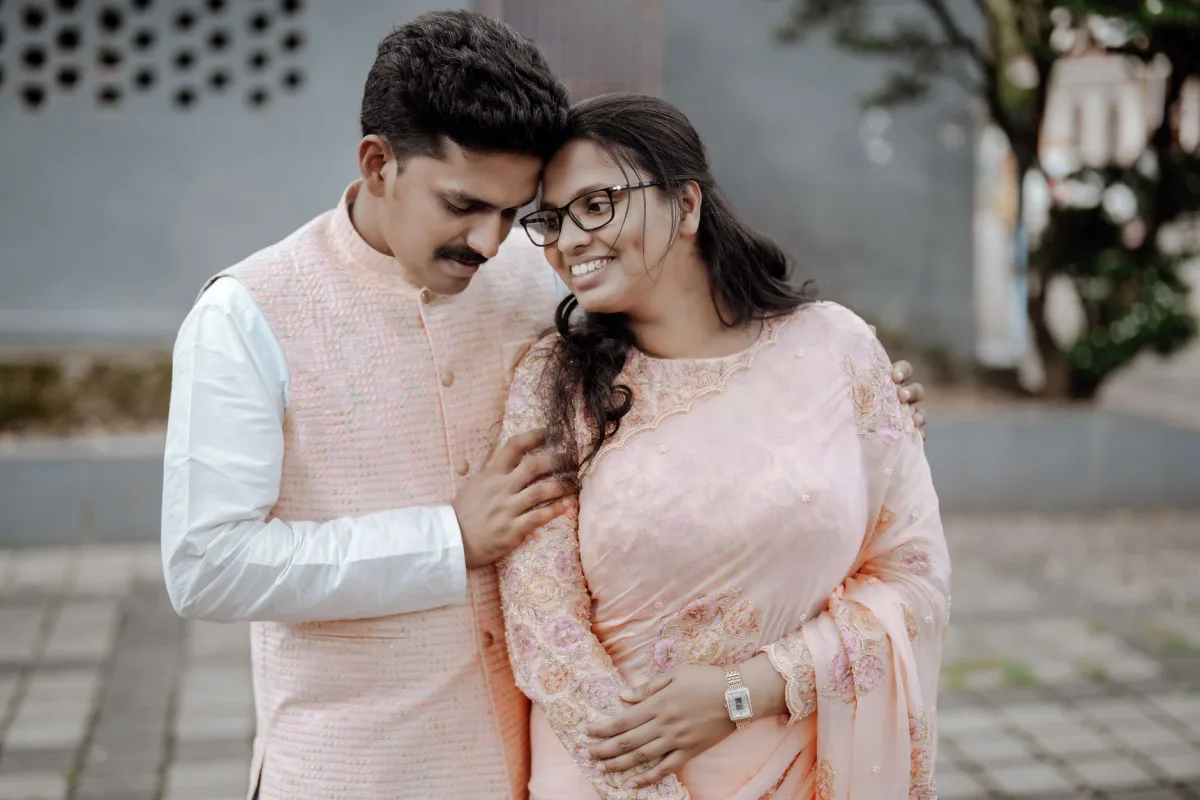
A rishta rarely happens in one meeting. It moves through recognisable stages, each with its own purpose, and rushing them is one of the most reliable ways to regret the outcome. The names differ by region and community, but the shape of the journey is remarkably consistent.
The suggestion
Someone, a relative, a family friend, a matchmaker or a profile online, proposes the match. At this stage it is only a name and a broad outline.
Exchange of details
Families share information: background, education, work, values, family circumstances and expectations. This is where obvious mismatches are filtered out early and kindly.
The first meeting
The families, and usually the prospective couple, meet. It is formal and often a little awkward by nature; the aim is a first impression, not a verdict.
Getting to know each other
Further conversations, sometimes over calls or supervised meetings, let the couple gauge compatibility, values and life goals before anyone commits.
The decision
Both sides reflect and respond. A yes moves toward engagement; a no, given graciously, closes the matter without ill feeling.
The single most useful mindset across all of these stages is patience. A rishta is a decision about a lifetime, and the people who fare best treat the early meetings as the opening of a conversation rather than a final examination. Nobody reveals their true character in a single supervised sitting over tea, and expecting them to only breeds anxiety on both sides.
Who introduces a rishta
Traditionally the rishta comes through people who already know both families: aunts, uncles, family friends and community elders who act as informal matchmakers. In many communities there is also a professional or semi-professional matchmaker, sometimes attached to a marriage bureau, whose reputation rests on making sound introductions. The advantage of this route is trust: the introducer can vouch for both sides and knows the wider context that a stranger never would.
Increasingly, though, the first suggestion arrives through an online matrimony platform, where families and individuals create profiles and search a pool far larger than any single neighbourhood. Services such as matrimony360 sit in this space, letting families widen the search while keeping the same careful, marriage-minded intent. The medium has changed; the underlying etiquette has not. Whether a rishta arrives through an aunt or an app, the courtesies that follow are the same.
Rishta etiquette: the unwritten rules
Because a rishta involves two families and not just two people, etiquette carries real weight. A process handled with grace leaves everyone with their dignity intact, even when the answer is no. A few principles hold across communities.
- Be honest from the start. Misrepresenting age, income, health, family circumstances or intentions poisons the process and is discovered sooner or later. Accurate information respects everyone's time.
- Give a clear, kind answer. A vague non-reply keeps another family waiting and hoping. A polite, timely no is far kinder than silence, and it protects your own reputation too.
- Do not haggle over people. Treating a rishta like a transaction, especially anything resembling a dowry demand, is both distasteful and, in many places, unlawful. The focus belongs on character and compatibility.
- Respect the pace of both sides. One family may need more time or more meetings. Pressure is a red flag; patience is a good sign.
- Keep confidences. Details shared during a rishta, and the fact of a rishta that did not proceed, are not gossip. Discretion protects the next introduction for everyone.
The quiet thread running through all of these is respect for the other family's dignity. You are, in a real sense, being trusted with information about someone's child, and returning that trust with honesty and courtesy is the mark of a family worth marrying into.
What to look for, and what to ask
A rishta is a rare, structured chance to ask the questions that matter before emotions run ahead of judgement. Used well, that structure is a gift. The meetings are your opportunity to understand not just a person but the life you would share, so it helps to go in knowing roughly what you want to learn.
Beyond the obvious matters of education, work and family, the conversations that predict real compatibility tend to circle around values and expectations: how each of you sees the balance of careers and home, where you would live and near whom, how finances would be handled, what role faith and extended family would play, and whether you both want children and on what timeline. These are not romantic questions, but they are the ones that quietly determine whether a marriage is peaceful or strained. Our guide to building a strong relationship goes deeper on the habits that keep a couple close once the wedding is over, and it is worth reading before, not after, you decide.
From rishta to shaadi
When both sides say yes, the rishta gives way to the celebrations. In most traditions an engagement or a formal agreement between the families comes first, followed by the wedding functions themselves. The full arc, from the first suggestion through the engagement to the shaadi, can take anywhere from a few weeks to well over a year, depending on the families, the season and the scale of the wedding planned. A rishta, in other words, is the beginning of a longer story rather than the end of a search.
It also helps to remember that saying yes to a rishta is a beginning in a deeper sense too. The introduction opens the door; the marriage itself is built afterwards, through the ordinary work of two people learning to live well together. This is why so many families, wisely, treat the wedding as a milestone rather than a finish line, and why the couple who keep talking and keep choosing each other after the ceremony tend to be the ones who thrive.
Doing a rishta safely in the online age
The move online has widened the pool wonderfully, but it has also added a layer of caution that the old family-introduction route did not need. When a rishta arrives through a platform rather than a trusted aunt, the responsibility for verification shifts partly onto you. That is not a reason to avoid online matrimony, which has made countless good matches; it is simply a reason to be sensible.
Verify before you invest
Confirm identity, background and the key claims early, ideally through mutual contacts or documents, before feelings or families are committed.
Never send money
A genuine rishta never involves paying a supposed match or their intermediary. Requests for money, gifts or fees to an individual are a clear warning sign.
Involve your family early
The strength of the rishta tradition is many eyes on a decision. Keep trusted elders in the loop rather than proceeding entirely alone.
Let time do its work
Anyone rushing you toward commitment, secrecy or money is not respecting the process. Patience is your best protection.
Handled with these habits, an online rishta carries the same dignity as one arranged across a drawing room. The tools have modernised; the wisdom behind them, honesty, family involvement, patience and consent, is exactly what it always was.
The bottom line
A rishta is a proposal, an introduction and the opening of a careful, family-supported conversation aimed at marriage. Its strength lies in what surrounds it: the trust of the people who introduce it, the etiquette that keeps it gracious, and the shared judgement of two families weighing a lifelong decision together. Whether it reaches you through a relative or a matrimony platform, treat it with honesty, give your answer kindly, involve the people who love you, and above all take your time. Do that, and a rishta becomes what it was always meant to be: a good beginning, made in the open, with everyone's eyes wide.
Frequently asked questions
What does rishta mean?
Rishta is an Urdu and Hindi word meaning a relationship or connection, and in the context of marriage it means a marriage proposal or introduction. When a family says "a rishta has come," they mean a match has been suggested. It is aimed at marriage from the outset and typically involves both families rather than just two individuals, which is what sets it apart from casual dating.
Is a rishta the same as an arranged marriage?
A rishta is the introduction or proposal that begins an arranged match, so it is part of the arranged-marriage tradition rather than the marriage itself. In its modern form it is best thought of as a family-supported introduction: the elders open the door, but the couple decide whether to proceed. The consent of both people is essential, and it is this consent that separates an arranged marriage from a forced one.
How long does the rishta process take?
There is no fixed timeline. Some rishtas move to engagement within weeks; others involve months of meetings and reflection. The process runs in stages, the suggestion, the exchange of details, a first meeting, further conversations and finally a decision, and the healthiest ones are not rushed. Feeling pressured to commit quickly is generally a warning sign rather than a good one.
What is the right way to decline a rishta?
Politely, clearly and reasonably promptly. A gracious no, given directly rather than through vague silence, respects the other family's time and protects your own reputation. There is no obligation to give an elaborate reason; a simple, courteous message that it is not the right match is enough. Dragging out a decision or ignoring a family is considered poor etiquette.
Is it safe to accept a rishta from an online matrimony site?
Yes, when you take sensible precautions. Online matrimony has made many successful matches, but because the introduction does not come through a trusted family contact, you should verify identity and key claims early, never send money to a match or intermediary, involve your family in the process, and refuse to be rushed. With those habits, an online rishta can be just as dignified and safe as a traditional one.