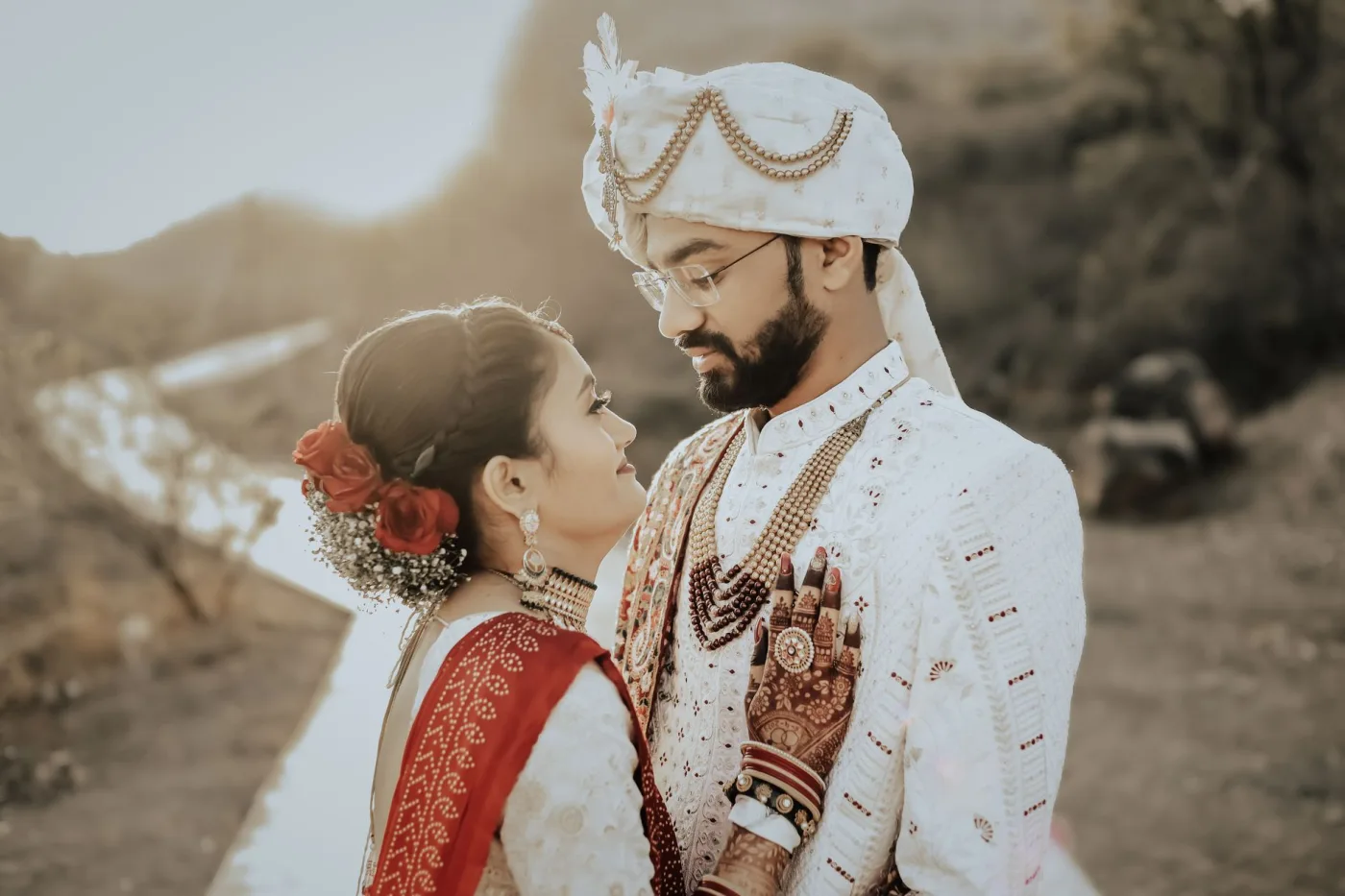
Shaadi: The Complete Guide
What shaadi really means, how the journey unfolds across faiths, and how to search for a match thoughtfully and safely, online and off.
Shaadi is one of those words that carries a whole world inside it. To some it means a single day of colour, music and feasting. To others it means the long, careful process that leads up to that day: families meeting, a match being weighed, elders giving their blessing, and two lives being joined with the consent of the people at the centre of it. This guide takes shaadi in that fuller sense, as both the institution of marriage in South Asia and the journey that surrounds it. It covers what the word means, how a shaadi actually unfolds, how the modern world of online matrimony compares with traditional matchmaking, and how to approach the whole thing safely, thoughtfully and with your eyes open.
The short version
- Shaadi means marriage, the Urdu and Hindi word for the union of two people and, by extension, the wedding and the process that leads to it. It sits alongside the broader idea of marriage as a social and legal institution.
- It is a family affair, traditionally arranged through relatives and matchmakers, though the couple's own consent is central and distinguishes an arranged match from a forced one.
- The customs vary by faith. Hindu, Muslim, Sikh and Christian communities each mark a shaadi differently, yet the shape of the journey rhymes across all of them.
- Online matrimony now sits beside tradition. Families still introduce matches, but a great deal of the search has moved onto platforms, widening the pool far beyond the neighbourhood.
- Safety and verification matter. A wider search brings more choice and, with it, the need to be careful, patient and honest about red flags.
What shaadi means
Shaadi, also spelt shadi, is the everyday word for marriage across much of South Asia. In Urdu and Hindi it names both the state of being married and the wedding itself, in the same way English lets a single word cover the ceremony, the celebration and the lifelong bond. When a family says a shaadi is being arranged, they usually mean the entire arc: the search for a suitable partner, the meetings between families, the engagement, and finally the wedding functions that seal it.
At its heart, a shaadi is a culturally and often legally recognised union between two people, establishing rights and responsibilities between them, their children and their two families. The English word matrimony, which gives platforms like this one their name, traces back to the Latin matrimonium, built from mater, meaning mother, a reminder of how closely marriage has always been tied to the founding of a family. Shaadi carries that same weight. It is rarely framed as a private arrangement between two individuals alone. It is understood as the joining of two households, two lineages and two circles of kin.
That family dimension is the single most important thing to understand about a South Asian shaadi. It shapes who is consulted, how a match is found, how the wedding is paid for and how the couple is supported afterwards. It is also why the process can feel slower and more deliberate than dating culture elsewhere. A shaadi is not only two people deciding they suit each other. It is a wider community satisfying itself that the match is sound.
The journey of a shaadi
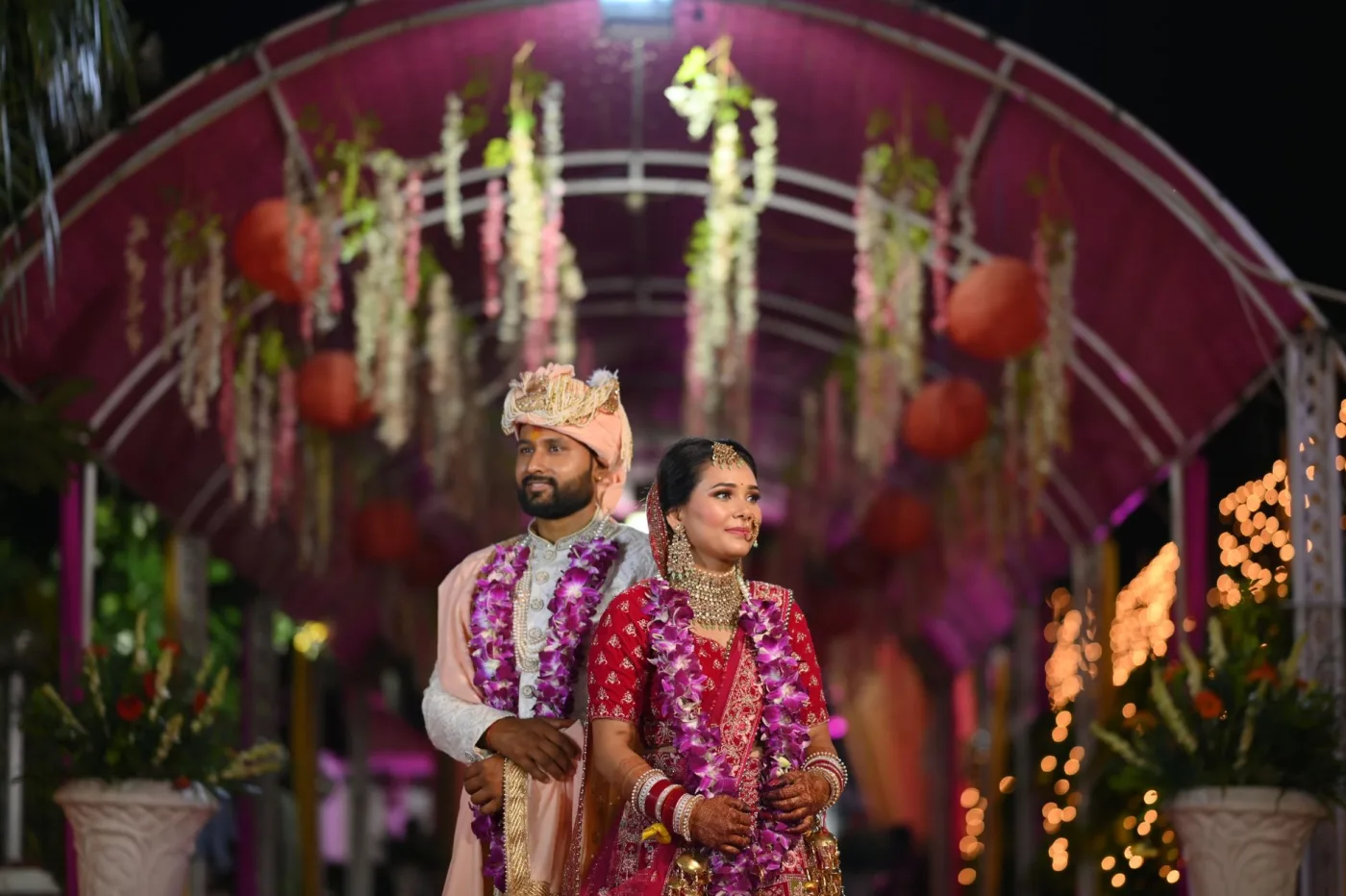
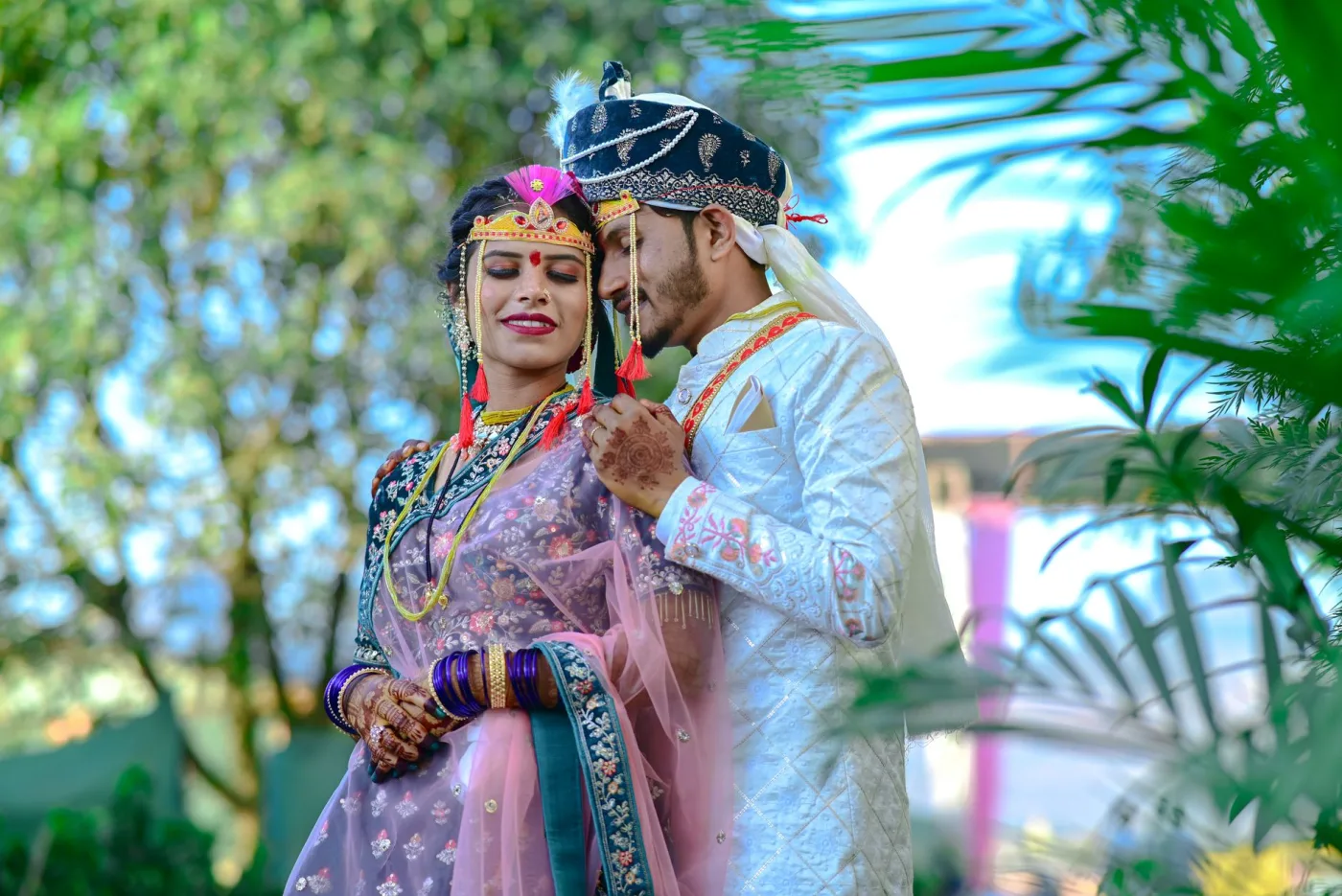
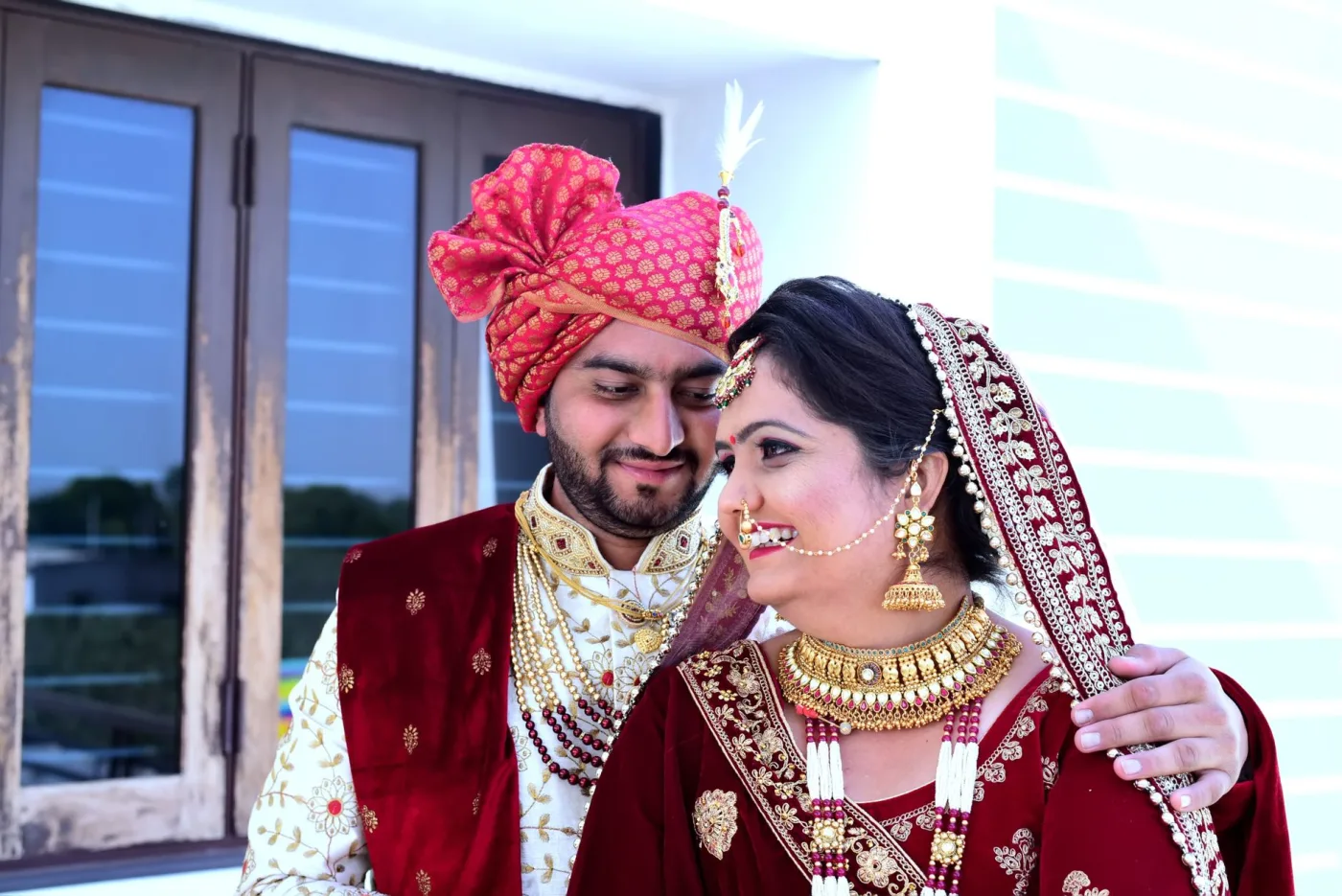
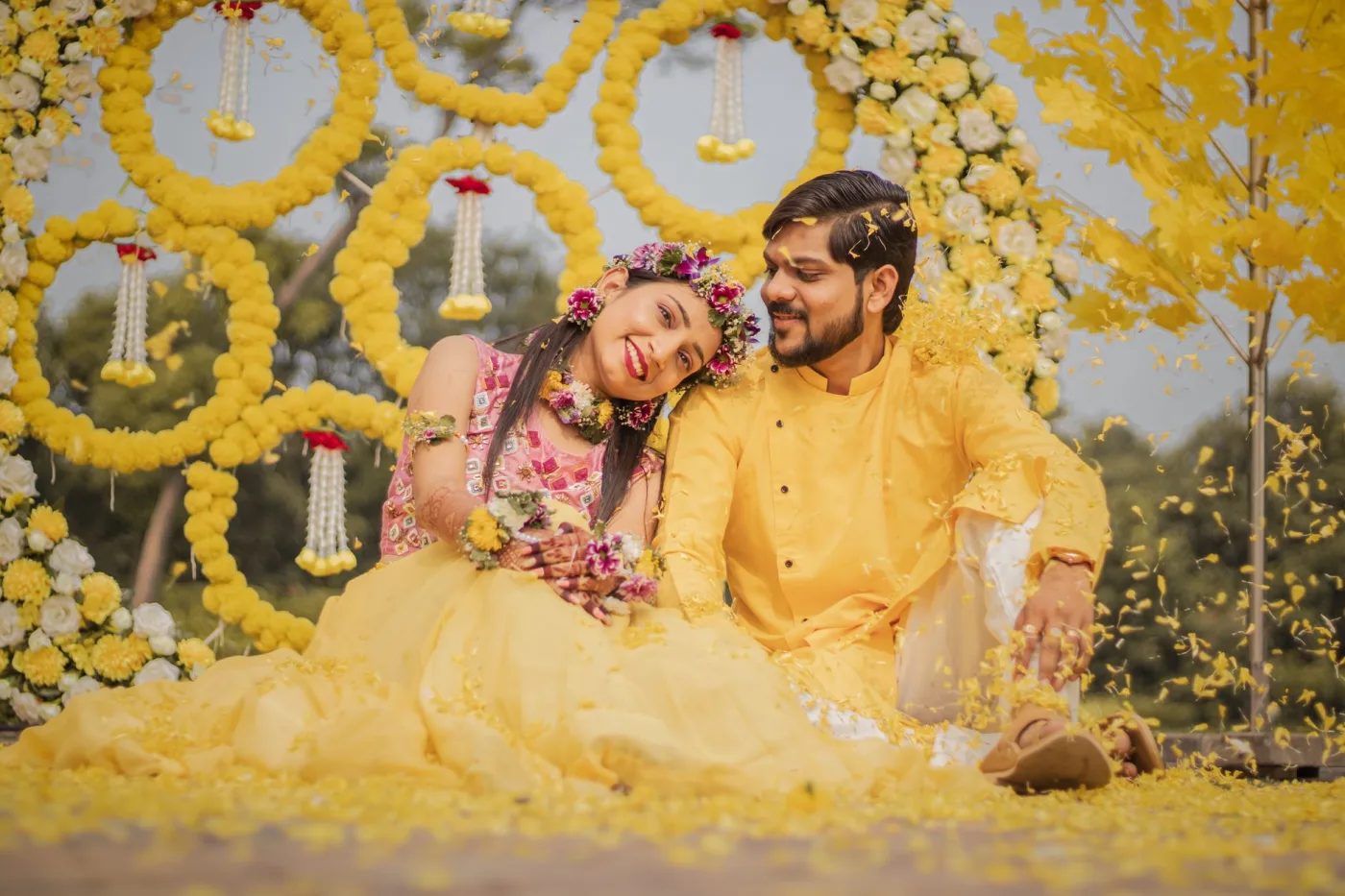
Every shaadi is different, and no two families do it in exactly the same order, yet the journey tends to move through a recognisable set of stages. Seeing them laid out helps demystify a process that can otherwise feel like a blur of relatives, phone calls and functions.
A typical arc. Real journeys loop back, pause and skip steps, but this is the shape most shaadis follow.
It usually begins with the search. Traditionally this fell to parents, aunts, uncles and family friends, often with the help of a matchmaker. In India such an intermediary is sometimes called a nayan, typically a family friend or distant relative who both knows the community and can quietly sound out potential families. Increasingly the search also happens online, where the pool of candidates is far larger than any one family's network.
Next comes the introduction, when two families exchange details and, if there is early interest, arrange for the prospective couple and their elders to meet. This is where biodata, horoscopes in some Hindu families, and now online profiles do their work: they help families decide whether a fuller conversation is worth everyone's time. Then follows the crucial stage of getting to know each other, where the couple talk, sometimes over weeks or months, and decide for themselves whether they wish to proceed. This is the point at which consent lives, and it is what separates a genuine arranged match from anything coerced.
If both say yes, the families mark the promise with an engagement, known by many names such as roka, mangni or sagai depending on region and community, often with the exchange of rings and gifts. Finally there is the wedding itself, the shaadi in its narrowest sense, which unfolds across a series of ceremonies that differ by faith but share a common purpose: to witness, bless and formalise the union before family, community and, in most traditions, the divine.
How the ceremonies differ across faiths
South Asia is home to many faiths, and a shaadi looks different in each while rhyming across all of them. What follows is a respectful, simplified sketch. Every community, region and family has its own variations, and none of these summaries can capture the full richness of the real thing.
Hindu
Rites centre on a sacred fire. The bride is given away in the kanyadaan, the couple's hands are joined in panigrahana, and they take the saptapadi, seven steps that complete the marriage.
Muslim
The nikah is a marriage contract witnessed and agreed by both parties, with a mahr, a dower given by the groom to the bride, followed by celebration and a reception.
Sikh
The Anand Karaj is performed in the presence of the Guru Granth Sahib, the couple circling it four times as the marriage hymns are sung.
Christian
A church ceremony with betrothal, prayers, the exchange of vows and wedding rings, symbolising a mutual and lifelong commitment.
Across all of these, the wider pattern holds. There is usually a pre-wedding phase of ritual and celebration, a central rite that formally makes the couple husband and wife, and a reception that presents the newlyweds to the wider community. You can read more about the specific customs, and how lavish they can become, on the Wikipedia overview of weddings in India, which notes that India sees roughly ten million weddings a year. If you are planning the day itself, our companion guide to the wedding walks through the events in more practical detail.
Traditional matchmaking versus online matrimony
For most of history a shaadi was arranged entirely within a family's own web of relatives, neighbours and community elders. That world has not disappeared, but it now sits alongside a second one: online matrimony, where profiles, filters and messaging widen the search far beyond anyone's address book. Most families today use a blend of the two. It helps to see clearly what each approach does well.
| Traditional matchmaking | Online matrimony | |
|---|---|---|
| Who finds the match | Family, relatives and a matchmaker | You and your family, aided by search filters |
| Size of the pool | Limited to the community network | Very large, across cities and countries |
| Trust and vetting | Built in through shared connections | Rests on profile verification and your own checks |
| Speed and reach | Slower, word of mouth | Fast, searchable, always on |
| Privacy | The community knows your search | You control what you share and when |
| Cost | Often gifts or fees to the matchmaker | Free to browse on many sites, paid tiers for more |
| Main risk | A small pool can mean fewer real options | Misrepresentation by strangers you have not met |
Neither column is better in the abstract. Traditional matchmaking carries a built-in layer of trust, because a match arrives through people who know both families and stake their own reputation on it. Online matrimony trades some of that built-in trust for reach: it opens a pool that a single family could never assemble alone, which matters enormously for anyone from a smaller community, living abroad, or simply looking beyond the immediate circle. The sensible path for most people is to use online tools to widen the search and traditional care to vet what the search turns up.
Approaching a shaadi thoughtfully
A shaadi is one of the largest decisions most people ever make, and rushing it rarely helps. Whether a match comes through family or a platform, a few habits make the process calmer and the outcome sounder.
Know what matters to you
Before you begin, be honest with yourself about values, faith, family expectations and dealbreakers. Clarity early saves heartache later.
Involve family, keep your voice
Elders bring wisdom and networks. The healthiest matches balance their guidance with the couple's own clear consent.
Take your time
Meet more than once, talk about real things, and resist pressure to commit before you genuinely know your own mind.
Talk about the hard subjects
Money, children, careers, where you will live and how faith will be practised are far better discussed before the shaadi than after.
Verify before you trust
Especially online, confirm who someone really is through calls, video, and meeting in a safe, public setting with family aware.
Look for respect, not just a resume
Qualifications and horoscopes have their place, but how someone treats you and others is the truer signal of a lasting marriage.
It is worth remembering that an arranged shaadi and a forced one are not the same thing, and the difference is consent. As anti-slavery advocates put it, in an arranged marriage the couple decides whether they want to marry, while a forced marriage is the opposite. India's Hindu Marriage Act of 1955 prohibits non-consensual unions and those below the legal age, and comparable protections exist across the region. A shaadi worthy of the name is one that both people freely choose. You can read more about that distinction on the Wikipedia article on arranged marriage.
Red flags and verification
The wider a search reaches, the more important it becomes to be careful with strangers. Most people on matrimony platforms are exactly who they say they are, but a minority are not, and a shaadi search is an emotionally loaded moment that the dishonest know how to exploit. Learn the warning signs and treat them seriously.
Slow down if you see these: someone who refuses to video call or meet, who asks for money, gifts or help with a visa, who rushes you toward commitment or secrecy, whose story keeps shifting, who avoids introducing family, or whose photos and details do not add up. Never send money to someone you have not met, never share financial account details or one-time passwords, and always involve trusted family before things get serious. If a profile pressures you to move the conversation off the platform immediately, or discourages you from telling your parents, treat that as a reason to step back, not to lean in. A genuine match will welcome patience, verification and your family's involvement, not resist them.
Practical verification is straightforward and worth doing every time. Speak on the phone and then on video before meeting, so you know the person matches their profile. Meet first in a public place, with family aware of where you are. Cross-check the details a person shares, such as their work, city and family background, against what you can independently confirm. Prefer platforms that verify profiles and give you tools to report anyone who behaves badly. None of this is cynicism. It is simply the modern equivalent of the vetting that a family matchmaker once did quietly on your behalf.
Choosing a matrimony platform
If you decide to search online, the platform you choose shapes the whole experience. The best ones do more than list profiles. They verify identities, protect your privacy, give you honest filters, and make it easy to involve family at the right moments. When you compare options, weigh the things that actually protect you rather than the size of the advertised member count.
- Verification. Does the site confirm identities, and can you tell a verified profile from an unverified one?
- Privacy controls. Can you decide who sees your photos, your contact details and your full profile, and when?
- Safety tools. Is it easy to block, report and get help if someone behaves badly?
- Honest matching. Do the filters reflect what genuinely matters to you, including faith, community, values and location?
- Real cost. Many sites let you create a profile and browse free, then charge for messaging or extra visibility. Know what free shaadi search really includes before you pay.
- Respectful tone. Good platforms treat marriage seriously and steer away from the throwaway feel of casual dating apps.
This is the standard we hold ourselves to at Matrimony360, and it is the standard we would urge you to demand wherever you search: verified profiles, real privacy, and a search built around respect rather than volume. If you would like to weigh several services side by side before you commit, our guide to matrimony sites compares what the main options offer. Whichever you choose, remember that the platform is only the introduction. The shaadi itself is still built the old way, through patience, honesty, family and consent.
Frequently asked questions
What does the word shaadi mean?
Shaadi, also spelt shadi, is the Urdu and Hindi word for marriage. It refers both to the state of being married and to the wedding itself, and in everyday use it often covers the whole process that leads to marriage: the search for a partner, the meetings between families, the engagement and the wedding ceremonies. At its core a shaadi is a culturally and legally recognised union between two people that also joins their two families.
Is an arranged shaadi the same as a forced marriage?
No. The defining difference is consent. In an arranged marriage the family helps find and introduce a match, but the couple themselves decide whether to go ahead. A forced marriage is the opposite, where one or both people are made to marry against their will. Genuine arranged shaadis rest on the free agreement of both partners, and laws across South Asia, such as India's Hindu Marriage Act, prohibit non-consensual and under-age unions.
How is online shaadi search different from traditional matchmaking?
Traditional matchmaking works through family, relatives and community matchmakers, which brings built-in trust but a limited pool. Online matrimony widens the search dramatically across cities and countries, using profiles and filters, but places more of the vetting on you. Most families today blend the two, using online tools to find candidates and traditional care to check them. The wider reach of online search is its great strength, and careful verification is what keeps it safe.
Is there a genuinely free shaadi option?
Many matrimony platforms let you create a profile, browse matches and express interest without paying, then charge for extras such as unlimited messaging, contact details or greater visibility. So free shaadi search is real, but usually partial. Before you pay for a plan, check exactly what the free tier includes and whether the paid features are worth it for your situation. Traditional matchmaking through family is also, in effect, free, though it is limited to your community network.
How do I stay safe when searching for a shaadi online?
Treat every new contact with friendly caution until they are verified. Speak by phone and video before meeting, meet first in a public place with family aware, and cross-check the details a person shares. Never send money, share financial details or move quickly toward secrecy. Be wary of anyone who refuses to video call, pressures you to commit fast, or discourages you from involving your parents. Prefer platforms that verify profiles and make it easy to report bad behaviour.
Do families still arrange shaadis today?
Yes, family involvement remains central to most shaadis in South Asia, even as the tools have changed. What has shifted is the balance: young people typically have far more say than in the past, the search often begins online, and the couple's own consent and comfort are given real weight. Many modern shaadis sit somewhere between fully arranged and fully independent, with families and the couple working together to find a match that everyone can bless.