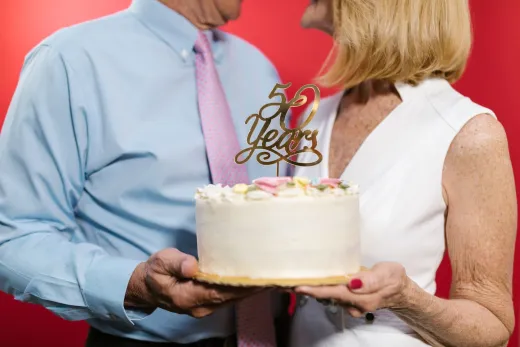
Relationship Couple Romance: The Complete Guide
Romance is affection made visible, fed by small daily attention far more than grand gestures. Here is how it grows, why it changes, and how to keep it warm.
"Romance" gets sold to us as fireworks: grand gestures, sweeping music, the rush of the beginning. That version is real, but it is also the smallest and shortest part of the story. The romance that holds a couple together across decades looks less like a movie and more like a practice, a set of small, deliberate ways two people keep choosing each other. This guide takes romance seriously as a skill, tracing how it changes over the life of a relationship and what actually keeps it alive long after the fireworks fade.
The short version
- Romance is a practice, not a personality trait. It is built from repeated small actions, not born from natural talent.
- Passion, intimacy and commitment are different things. Lasting love needs all three, and they grow at different speeds.
- People give and receive love differently. A gesture only lands as romantic if it speaks your partner's language.
- The early rush is meant to change. Companionate love is not a downgrade; it is the deeper thing the rush was building toward.
What romance actually is
Romance, in the sense that matters here, is the feeling of excitement and mystery associated with love, and the expression of that feeling through action. The important word is expression. A private feeling of affection is lovely, but it is not romance until it becomes something your partner can see, hear or feel: a note, a touch, an unprompted act of care. Romance is affection made visible, which is exactly why it can be learned and practised rather than simply waited for.
That reframing matters because so many people believe they are either "romantic" or they are not, as if it were a fixed trait like height. It is not. Romance is a set of behaviours, and behaviours can be built. The partner who claims not to have a romantic bone in their body usually just has an untrained one. Once you see romance as something you do rather than something you are, the whole subject stops feeling like pressure and starts feeling like a skill you can get better at over a lifetime.
The three ingredients of lasting love

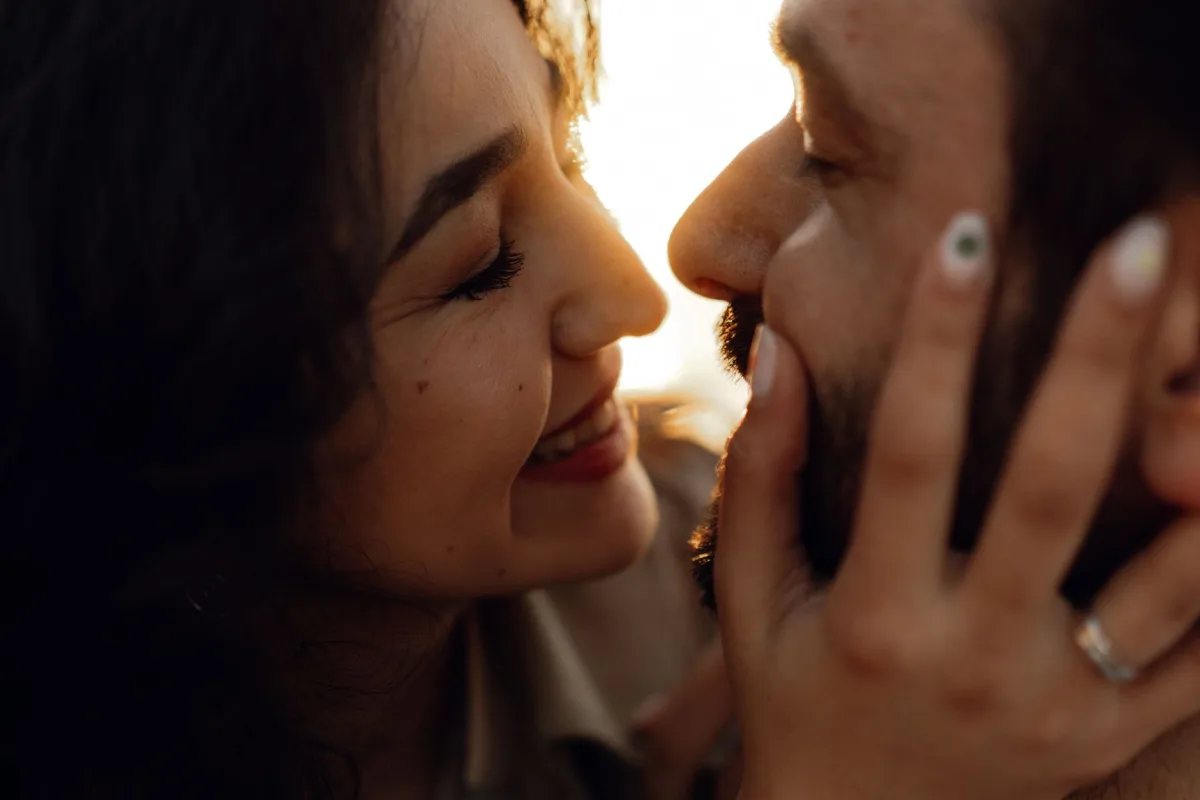


Romance sits inside something larger, and one of the most useful maps of that larger thing comes from psychology. Robert Sternberg's triangular theory of love proposes that love is made of three components that combine in different ways: intimacy, passion and commitment. Understanding them separately explains a great deal about why relationships feel the way they do at different stages, and why "keeping the romance alive" is really about keeping all three in play.
Passion
The spark: physical attraction, excitement, the intensity of the beginning. It rises fast and, left alone, cools fastest. It responds to novelty and attention.
Intimacy
Closeness, warmth, the sense of being deeply known. It grows slowly through disclosure and shared experience, and it deepens rather than fades with time.
Commitment
The decision to stay and to keep choosing each other. It is the frame that lets passion and intimacy survive the seasons when they dip.
Consummate love
Sternberg's name for all three together: passion, intimacy and commitment in balance. Rare, effortful, and the thing most couples are actually reaching for.
The practical lesson is that romance is not only about reigniting passion, though that is the part people obsess over. A relationship rich in intimacy and commitment but starved of passion feels like a warm friendship; one high on passion but low on the other two feels thrilling and unstable. The couples who last tend to the whole triangle, and they understand that each corner is fed differently.
How romance changes over time
One of the kindest things you can learn about relationships is that the early intensity is supposed to change. Psychologists often distinguish passionate love, the exhilarating, absorbing state of a new relationship, from companionate love, the deep affection and attachment that grows between people whose lives are entwined. Passionate love is a phase, chemically and emotionally designed to bond you quickly. It is not built to last at full volume, and its cooling is not a sign that something has gone wrong.
Many couples panic at exactly this transition. The thrill of the first year gives way to something steadier, and they mistake steadiness for decline. In reality, companionate love is the deeper prize the early rush was building toward. The task is not to cling to the passionate phase forever, which is impossible, but to carry enough of its spark into the companionate phase that the relationship stays warm as well as secure. That carrying-over is what "keeping the romance alive" really means, and it is entirely doable with intention.
Speaking your partner's language
Here is where a great deal of romantic effort quietly fails. One partner pours energy into gestures that mean the world to them and land as nothing to the other, then concludes their efforts are unappreciated. The five love languages framework, popularised by Gary Chapman, offers a simple explanation: people tend to express and receive affection primarily through one of five channels, and mismatches between them cause a lot of avoidable hurt.
The five are words of affirmation, quality time, receiving gifts, acts of service and physical touch. The insight is not that any one is better, but that we tend to give love in the form we would most like to receive it, and then miss our partner entirely. If your partner feels most loved by quality time and you keep buying them presents, your genuine effort barely registers. Romance, in practice, is often less about doing more and more about doing the right thing, the thing that actually speaks to the person in front of you. Learning their language is the single highest-leverage move in the whole subject. Our guide to everyday relationship tips goes deeper on turning this awareness into habit.
Small romance beats grand romance
The culture of romance is dominated by the grand gesture: the surprise trip, the expensive gift, the public proposal. Grand gestures are wonderful, but they are not what sustains a relationship, partly because they are rare by definition. What sustains romance is the accumulation of small, frequent acts of attention. A relationship is fed far more reliably by a hundred small kindnesses than by one spectacular event a year.
- Turn toward the small moments. When your partner points out a bird or shares a thought, the tiny choice to respond with interest, rather than a distracted grunt, is romance in its most everyday form.
- Protect a ritual. A morning coffee together, a nightly check-in, a weekly walk. Predictable, protected time is the soil romance grows in.
- Keep noticing out loud. Say the appreciative thing you are already thinking. Unspoken admiration does no romantic work; spoken, it lands.
- Introduce small novelty. Passion responds to freshness. A new place, a new activity, a break from routine gives the spark something to catch on.
- Guard against contempt. Nothing kills romance faster than eye-rolling, sarcasm and criticism. Protecting the tone of your everyday exchanges is itself a romantic act.
None of these are expensive or dramatic. That is the point. Romance that depends on money or on peak occasions is fragile; romance built into the texture of an ordinary week is durable. For milestones that deserve a bigger gesture, our thoughts on marking a wedding anniversary pair naturally with the small-and-steady approach.
When romance runs dry
Sometimes the small acts stop and neither partner quite knows why. Long stretches of stress, parenthood, illness or overwork can flatten a relationship into pure logistics, two people co-managing a household with no romance left in the room. This is common and usually reversible, but it does not reverse itself. Romance that has gone quiet responds to deliberate re-investment, not to waiting for the mood to return.
Start small and start honestly. A conversation that names the drift, without blame, is often the first romantic act after a dry spell. From there, rebuilding a single ritual, or reintroducing one piece of novelty, does more than a heroic effort you cannot sustain. If the distance runs deeper, if resentment has set in or you cannot seem to reach each other at all, structured support through couples therapy can help you understand what drained the romance and how to restore it. Reaching for help is not an admission of failure; it is romance taken seriously enough to protect.
The bottom line
Relationship, couple and romance are three words for one truth: love is not a state you fall into and then possess, but a practice two people keep up together. Romance is affection made visible, fed by small daily attention far more than by grand occasional gestures, and it changes shape as a relationship deepens from thrilling to secure. Learn your partner's language, tend all three corners of love, protect your everyday tone, and treat the quieter later chapters as a deepening rather than a loss. Do that, and romance stops being something you chase and becomes something you live inside.
Frequently asked questions
Is it normal for romance to fade in a long relationship?
The intense, all-consuming passion of a new relationship is meant to change; it is not built to last at full volume, and its cooling is not a sign of trouble. What replaces it, companionate love, is a deeper attachment, not a downgrade. Romance in the everyday sense of attention and affection does not have to fade at all, but it does need tending. If it goes quiet, that is a cue to re-invest deliberately, not evidence that the relationship is failing.
How do you keep romance alive in a marriage?
Through small, frequent acts of attention rather than rare grand gestures. Protect a shared ritual, keep noticing and voicing appreciation, introduce gentle novelty to feed passion, and guard the tone of your everyday exchanges against contempt and criticism. Crucially, express affection in the way your partner actually receives it, not only the way you prefer to give it. Romance is a practice built from repetition, not a mood you wait to strike.
What are the five love languages?
They are five channels through which people tend to express and receive affection: words of affirmation, quality time, receiving gifts, acts of service and physical touch. The framework, popularised by Gary Chapman, suggests we often give love in the form we most want to receive it and then miss our partner. Learning which language speaks loudest to your partner lets your genuine effort actually land, which is often more effective than simply doing more.
What is the difference between passionate and companionate love?
Passionate love is the exhilarating, absorbing state of a new relationship, driven by intensity and novelty; it rises fast and naturally cools. Companionate love is the deep affection, trust and attachment that grows between people whose lives are entwined over time. Passionate love bonds you quickly at the start, while companionate love is the steadier, deeper thing it was building toward. Healthy long relationships carry some of the early spark into the later, deeper phase.
Can romance be learned, or are some people just not romantic?
Romance can absolutely be learned. It is a set of behaviours, expressing affection in ways your partner can see and feel, not a fixed personality trait. People who say they have no romantic bone in their body usually just have an untrained one. Once you treat romance as a skill built from small, repeatable actions, and learn what actually lands for your partner, anyone can become more romantic with practice.