Wedding Videographer: The Complete Guide
Styles, costs and the questions that separate a memorable wedding film from a forgettable one, plus how videography and photography work together.
A photographer freezes the day into stills; a wedding videographer keeps it moving, holding on to the sound of the vows, the shake in a father's voice and the roar when you are announced as married. It is the one vendor whose work you cannot fake or redo after the fact, which is exactly why it deserves real thought. This guide explains what a wedding videographer does, the styles on offer, what shapes the price, and how to hire the right one without regret.
The short version
- Video captures what photos cannot: voices, movement and the sound of the day.
- Style is the first decision. Cinematic, documentary and traditional produce very different films.
- Coverage hours and deliverables drive the price more than the camera does.
- Audio and a second shooter are what separate a good wedding film from a forgettable one.
What a wedding videographer does
Wedding videography is the practice of recording a wedding on video and editing it into a film the couple can keep. The modern form grew out of the wider field of videography once affordable cameras made it practical to document events rather than only broadcast or film them. A videographer plans the coverage, captures footage and, crucially, records clean audio, then shapes hours of raw material into a watchable story.
The work is not a single deliverable but a small family of them. Most couples receive a short highlight film of a few minutes, and many also get a longer documentary edit and lightly edited full recordings of the key moments such as the ceremony and speeches. Understanding which of these you actually want is the first step to comparing quotes fairly, because a cheap package with only a short trailer is not comparable to one that includes full ceremony coverage.
Videographer versus photographer
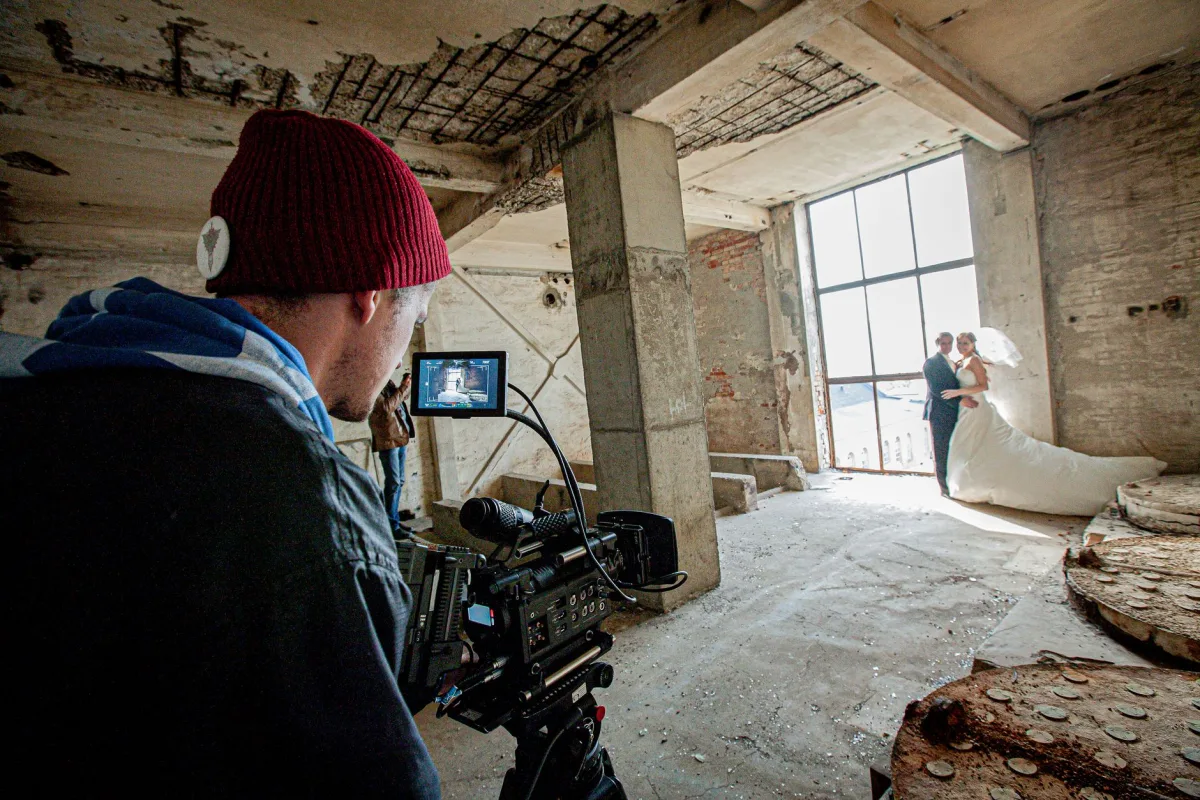
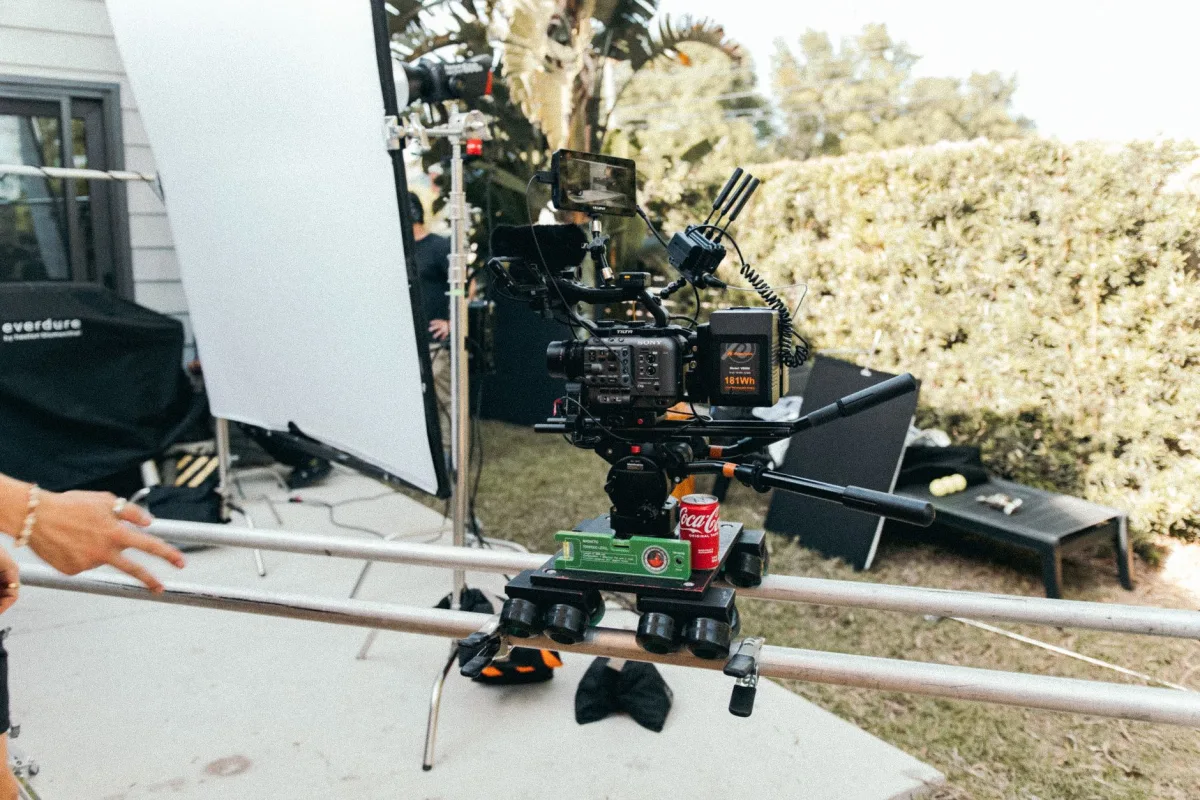
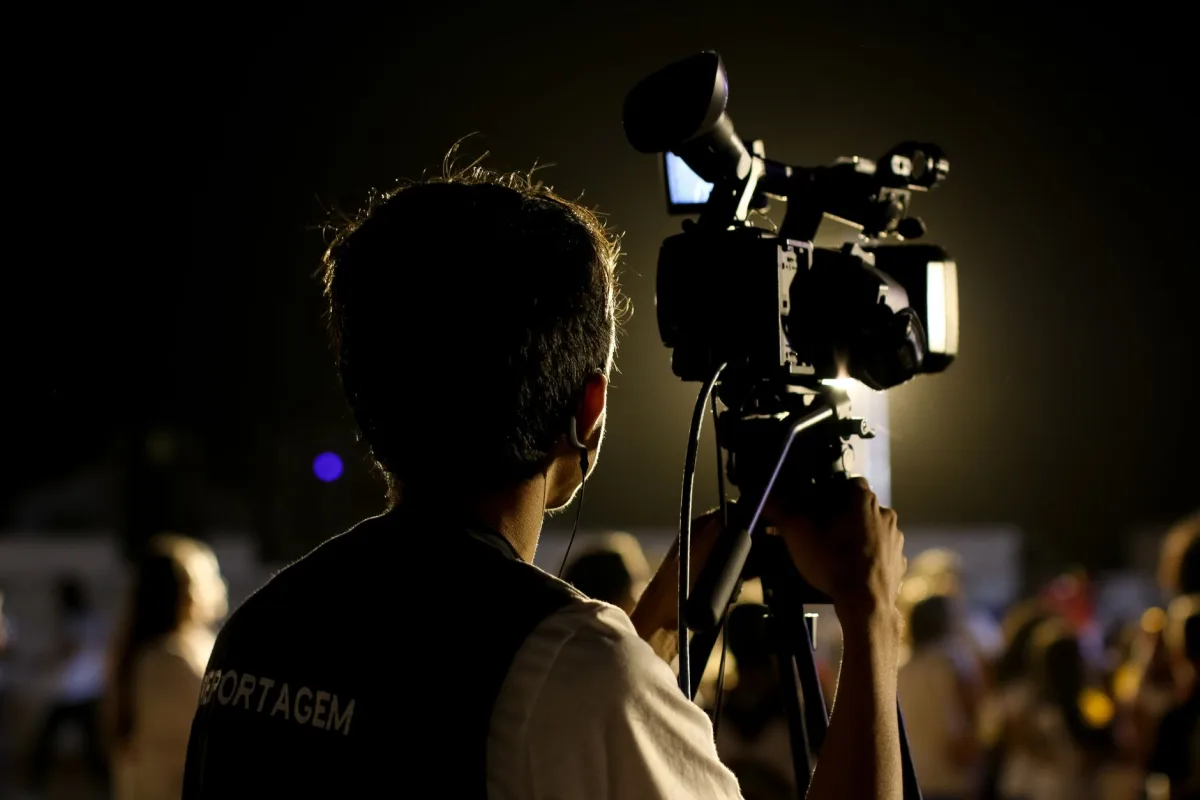
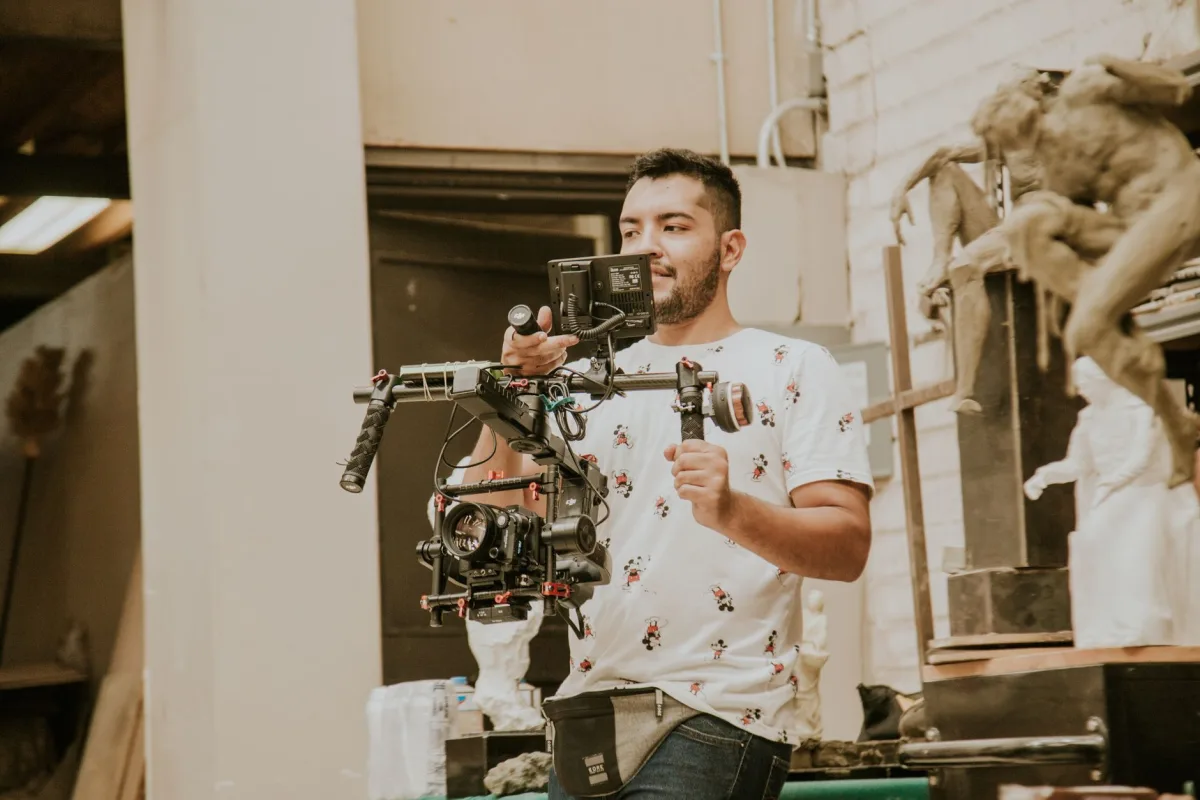
These are complementary, not competing, and most couples book both. Photography gives you the stills that hang on a wall and pass down through albums; video gives you the movement and sound that stills cannot hold. If budget forces a choice, decide which sense you most want to preserve: the look of the day, or the feel and voices of it.
Photographer
Delivers stills: portraits, group shots and candid frames. Portable, wall-worthy and easy to share, but silent and still. Our wedding photographer guide covers this side.
Videographer
Delivers film: the vows in your own voices, the walk down the aisle in motion, the speeches in full. Immersive and emotional, but longer to watch and to produce.
Working together
Good pairs coordinate angles and share timing so neither blocks the other. Booking two who have worked together, or at least briefing them jointly, pays off.
The main styles of wedding film
"Style" is the single biggest variable in what your film will feel like, and it is where couples most often mistake taste for quality. Watch full sample films, not just a sizzle reel, and decide which voice you want telling your story.
- Cinematic. Borrowing the language of cinematography, this style uses sweeping shots, music and dramatic editing to make the day feel like a short film. Polished and emotive, though it can feel staged if overdone.
- Documentary. Fly-on-the-wall coverage that captures the day as it unfolded, with real audio and minimal manipulation. Honest and timeless, favoured by couples who dislike anything that feels produced.
- Traditional. Straightforward, mostly chronological coverage of the key moments from start to finish. Less stylised but comprehensive, and often the most affordable.
- Hybrid. Most working videographers blend these: a cinematic highlight film plus documentary-style full coverage of the ceremony and speeches. This is often the best of both worlds.
What drives the price
Wedding video pricing varies enormously by region and experience, so treat any figure as a rough signal rather than a quote. As a broad guide, established videographers in many markets fall somewhere between the low four figures for a single shooter with a short film and well into five figures for a two-person team with feature-length deliverables. What moves the number is rarely the camera; it is time and people.
Coverage hours
Full-day coverage from getting ready to the first dances costs far more than a few hours around the ceremony. Decide what you need filmed before you compare quotes.
Second shooter
A second camera captures reactions and angles a lone operator misses, and covers both partners as they prepare. It is one of the most worthwhile upgrades.
Deliverables
A short highlight film is quick to edit; adding a documentary cut, full-ceremony video and raw footage multiplies the post-production hours, which is where much of your money goes.
Turnaround and extras
Faster edits, drone footage, live streaming and same-day highlight reels all add cost. Longer turnaround is usually cheaper and normal for detailed films.
A useful mindset: you are buying editing hours and a second pair of trained eyes far more than you are buying equipment. Two videographers with identical cameras can deliver wildly different films because the difference lives in coverage, sound and the edit. For how this fits your wider spend, pair it with our wedding budget checklist.
How to hire the right videographer
The single most important habit is to watch complete films, not trailers. A thirty-second reel proves a videographer can cut a good highlight; a full ceremony and speech edit proves they can capture clean audio and hold a story together, which is the real job. Beyond that, a short, sane process protects you.
- Watch two or three full films, ideally from weddings like yours in size and lighting, not just their showreel.
- Ask specifically about audio. How do they mic the vows and speeches? Poor sound ruins more wedding films than poor footage does.
- Confirm who actually films your day. With larger studios, the person in the sample may not be the one assigned to you.
- Read the contract for deliverables and timing, including exact coverage hours, what films you receive, backup equipment and how footage is stored.
- Check they coordinate with your photographer, so the two vendors share angles and timing rather than fighting for the same spot.
If you are still assembling your vendor team, a videographer sits naturally alongside your wedding planner and your pre-wedding photography plans, and a good planner can recommend videographers they have seen deliver reliably.
Getting the most from your film
A little preparation makes a large difference to the finished film. Give your videographer a shortlist of moments that matter to you, from a grandparent's presence to a specific ritual, so nothing important is missed. Build a few quiet minutes into the timeline for them to capture couple footage in good light, and trust them to guide you, because looking natural on camera is a skill they will coach you through.
Above all, be present. The best wedding films come from couples who forget the camera is there and simply live the day. The videographer's craft is to be unobtrusive; your job is to feel it, and the film will hold that feeling for decades.
The bottom line
A wedding videographer preserves the part of the day that photographs cannot: the sound and the motion, the vows in your own voices and the room's reaction to them. Choose your style first, judge candidates on full films and clean audio rather than flashy reels, understand that hours and people drive the price more than gear, and read the contract for exactly what you will receive. Get those right and you will hand your future self the single most re-watched keepsake of the whole wedding.
Frequently asked questions
Do I really need a videographer as well as a photographer?
They capture different things, so it depends on what you most want to keep. Photographs give you still images for walls and albums; video gives you movement and sound, the vows in your own voices and the speeches in full. Many couples book both. If budget forces a choice, decide whether the look of the day or the feel and voices of it matter more to you.
How much does a wedding videographer cost?
It varies widely by region, experience and package, so treat any figure as a rough signal rather than a quote. Broadly, an established videographer can range from the low four figures for a single shooter and a short film up into five figures for a two-person team with feature-length deliverables. Coverage hours, a second shooter and the number of edited films drive the price far more than the camera does.
What style of wedding video should I choose?
The main styles are cinematic, which is polished and dramatic; documentary, which is honest and unmanipulated; and traditional, which is straightforward chronological coverage. Many videographers blend them, delivering a cinematic highlight film plus documentary-style full coverage of the ceremony and speeches. Watch full sample films, not just trailers, and pick the voice that feels like your day.
What is the most overlooked part of wedding videography?
Audio. Poor sound ruins more wedding films than poor footage does, because a shaky image is forgivable but muffled vows are not. Ask candidates specifically how they record the vows and speeches, whether they use separate microphones, and listen to the sound quality in their full sample films before you book.
How long does it take to receive the finished film?
Turnaround commonly ranges from several weeks to a few months, depending on the videographer's workload and how many deliverables you ordered. Detailed documentary edits and full-ceremony films take longer than a single short highlight. Faster turnaround is sometimes available for an extra fee, but a longer wait for a carefully edited film is normal and usually worth it.