Wedding Photographer: The Complete Guide
The one vendor whose work you keep for decades: styles, real costs, the questions that matter and how to book well.
The flowers wilt, the cake is eaten, and the guests go home, but the photographs stay. Long after the day itself has blurred into memory, the images are what you actually keep, which is why the wedding photographer is one of the few vendors whose work you will still be looking at in thirty years. This guide explains what a wedding photographer really does, the different styles you can choose between, what the service tends to cost, and the questions that separate a photographer you will love from one you will regret.
The short version
- Photography is a keepsake, not a decoration. It outlasts almost everything else about the day.
- Style matters most. Traditional, documentary, fine-art and editorial approaches produce very different albums.
- You are booking a person, not just a camera. Rapport and reliability shape the photos as much as gear.
- Understand the full package. Hours, coverage, editing, delivery and rights all vary, so read before you sign.
Why the photographer matters more than most vendors
Wedding photography is the specialised practice of photographing the activities and people around a wedding, and it is one of the oldest and most established forms of professional photography. That maturity matters, because it means there is deep craft and clear specialism to look for, not just someone with a good camera. A wedding cannot be reshot; the photographer gets one attempt at moments that will never repeat, in changing light, on a tight timeline, with real emotion in play. That is a genuinely demanding job, and it is why experienced wedding photographers are worth what they charge.
It also explains why this is not the place to cut corners casually. Almost every other element of the day is temporary. The photographs are the version of the day you hand to your future self, so choosing the right photographer is choosing how you will remember it.
The main styles of wedding photography
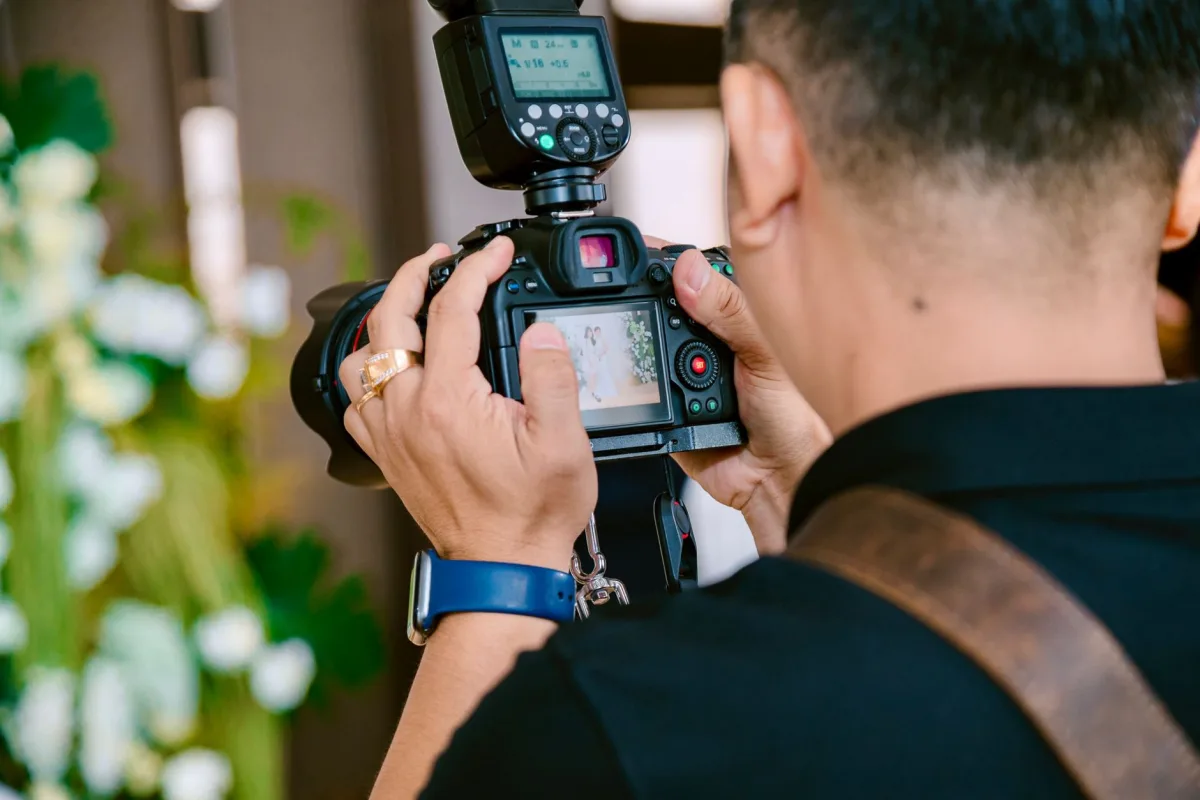
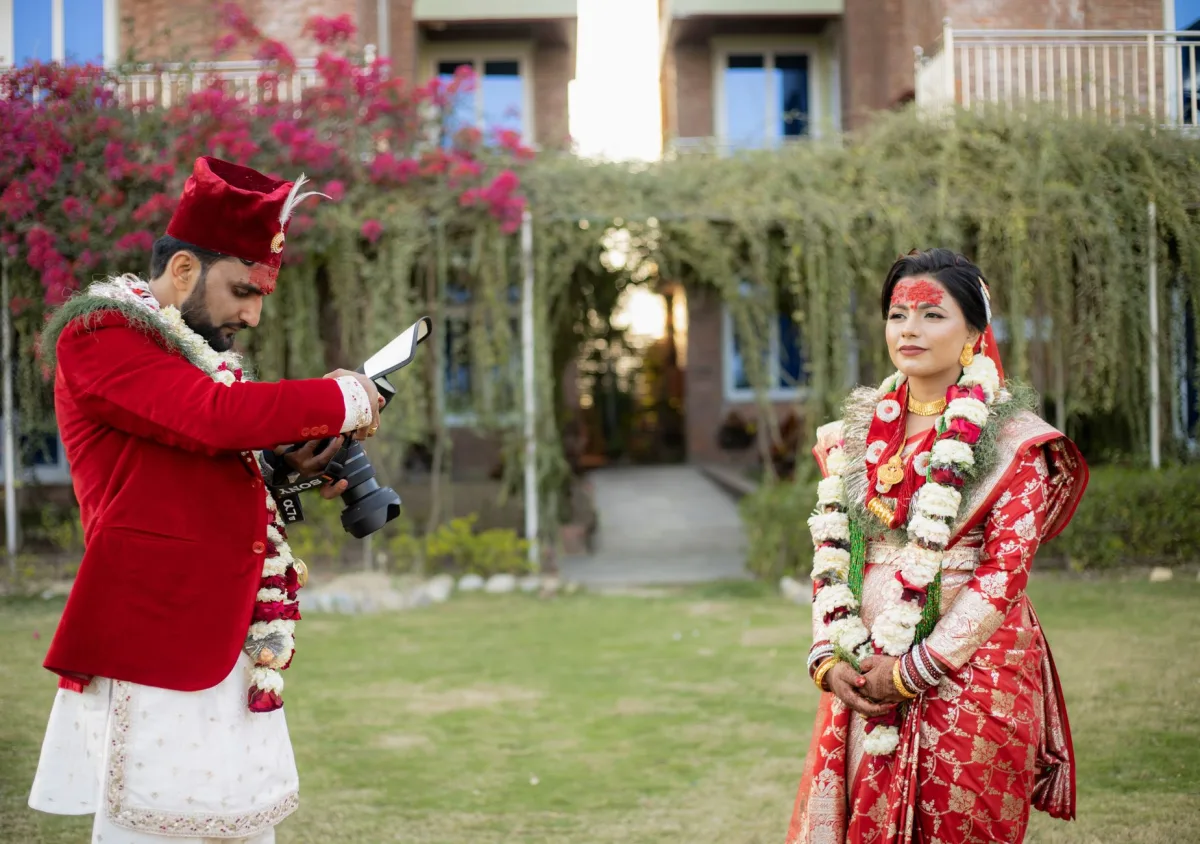
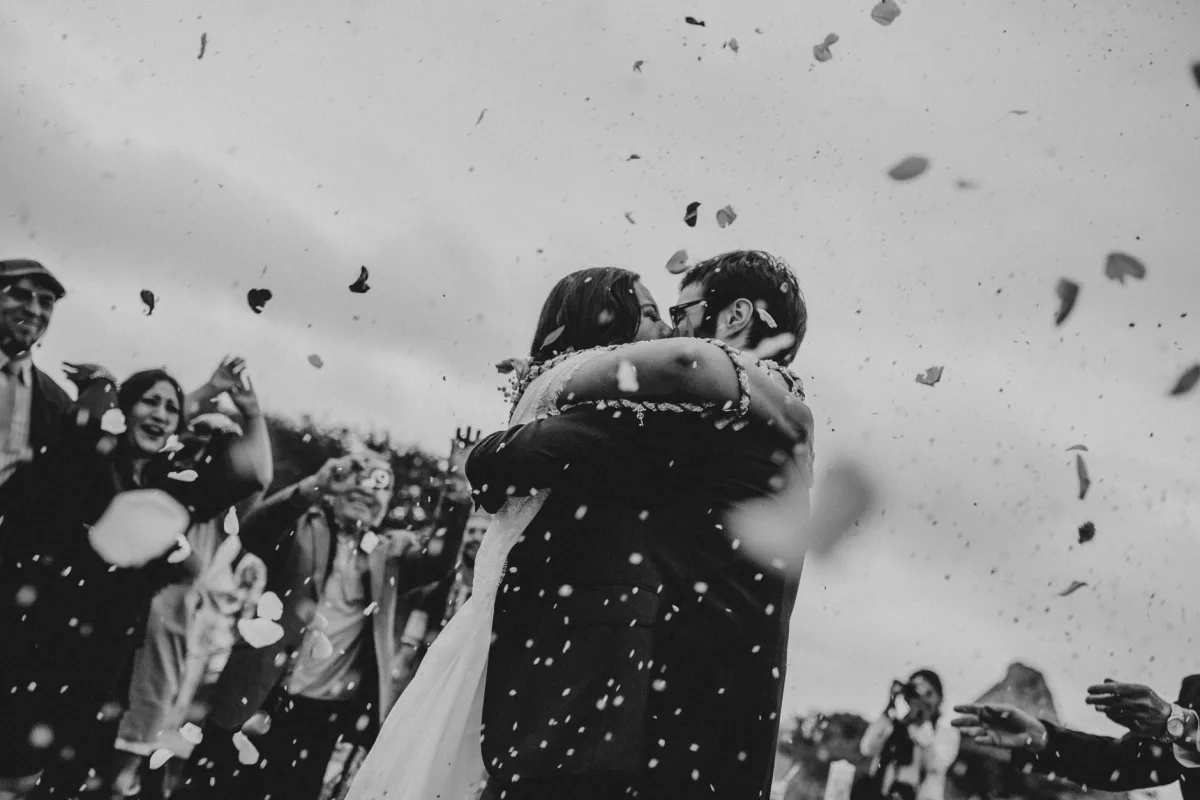
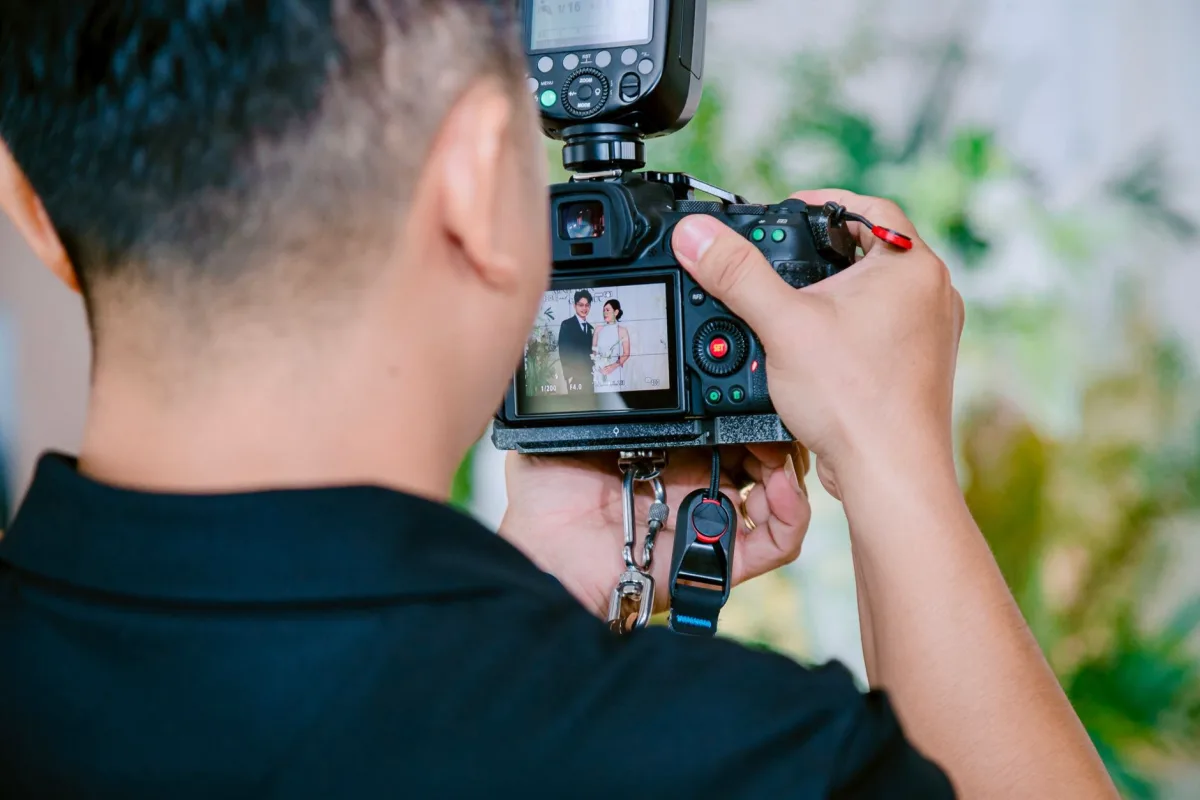
Before comparing individual photographers, work out which style you want, because it shapes everything from how the day feels to how the album looks. Most photographers lean toward one approach even when they can shoot several, so matching their natural style to your taste is the single most important decision you will make here.
Traditional or classic
Posed, carefully composed portraits and group shots. Reliable, formal and family-friendly, ensuring every key combination is captured, though it needs time set aside on the day.
Documentary or photojournalistic
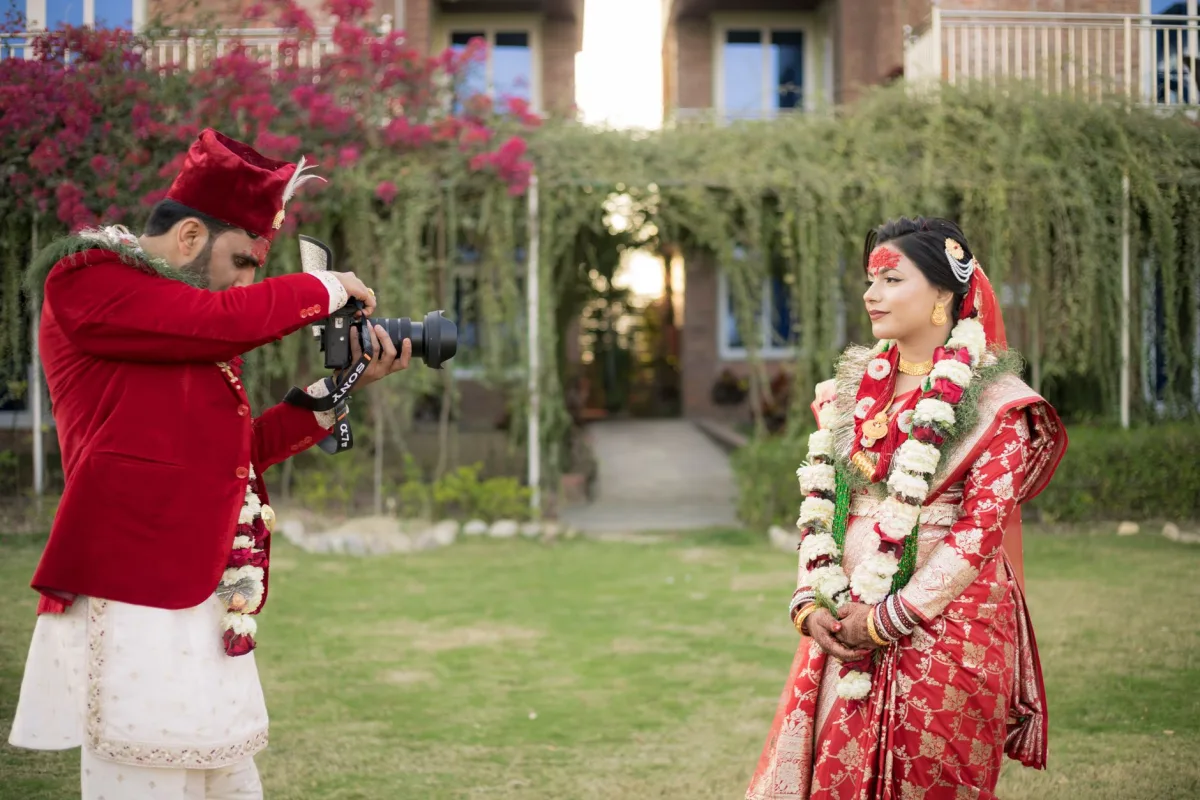
Candid, unposed images that tell the day's story as it unfolds. Drawn from photojournalism, it captures real emotion and needs an observant, unobtrusive shooter.
Fine-art
A creative, stylised approach with a strong personal aesthetic, dramatic light and artful composition. The photographer's vision is part of the product.
Editorial or fashion
Polished, magazine-inspired portraits with deliberate styling and posing. Glamorous and striking, ideal for couples who love a high-production look.
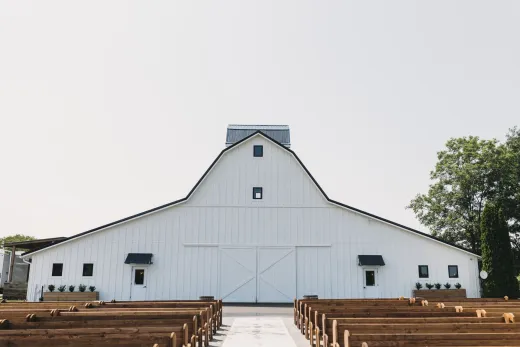
Most modern photographers blend styles, often mixing documentary candids with a set of posed portraits, but each has a centre of gravity. Look through a photographer's full galleries, not just their highlight reel, and ask yourself whether the everyday images move you, because that is the standard your own photos will meet. The style you choose should also suit your setting: a relaxed barn wedding venue lends itself to natural documentary work, while a grand hall may reward a more editorial hand.
What a wedding photographer actually does
The wedding day is only the visible part of the job. A good photographer's work stretches well before and after it, and understanding the full scope helps you judge what you are paying for.
- Before the day. Consultations, planning the timeline and shot priorities, scouting or discussing the venue and light, and sometimes an engagement shoot to build rapport.
- On the day. Capturing preparation, the ceremony, portraits, the reception and candid moments, managing group shots efficiently, and working discreetly around the flow of events.
- After the day. Culling and professionally editing hundreds of images, colour grading, and delivering galleries, prints or albums. This post-production is often the most time-consuming stage of all.
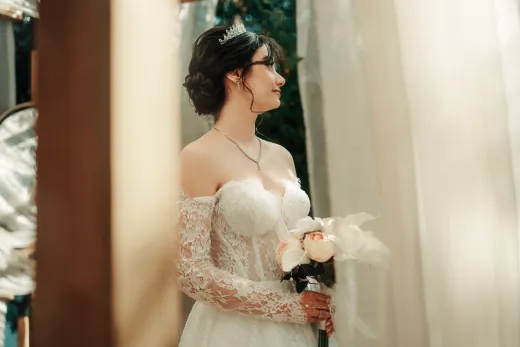
That last point surprises many couples: the editing behind a polished set of wedding images can take many times longer than the day itself. When you compare quotes, you are not paying for hours on the day alone but for the whole craft around them, which is why the getting-ready timeline should give the photographer room to work. Coordinating that timing with your other suppliers, including your wedding hair stylist, keeps the morning's photos calm rather than rushed.
What does a wedding photographer cost?
Photography pricing spans an enormous range, driven by the photographer's experience and reputation, your location, how many hours of coverage you want, whether a second shooter is included, and what you receive at the end. Because it varies so much by country and region, treat the following as broad orientation rather than quotes, and always confirm current pricing directly.
- Newer or part-time photographers and short coverage sit at the lower end, suitable for small or budget-conscious weddings.
- Established professionals with strong portfolios and full-day coverage form the broad middle of the market, where most couples land.
- In-demand or luxury photographers with distinctive styles, second shooters and premium albums sit at the top, and can be a major line in the budget.
The most important habit is to compare what is included, not just the headline figure. One quote might cover eight hours, a second shooter, an online gallery and full editing, while a cheaper one covers fewer hours with limited editing and no album. Ask for an itemised breakdown, and slot the number into your overall plan using our wedding planning checklist so photography is weighed against your other priorities rather than decided in isolation. Be cautious of prices that seem far below the market, since heavy editing and reliable delivery are exactly where corners get quietly cut.
The questions that reveal a good photographer
Once you have shortlisted photographers whose style you love and whose price fits, a conversation reveals the rest. The best photographers welcome these questions; evasiveness is itself an answer.
Can I see full galleries?
Ask to see complete weddings, not just highlights, ideally from a venue or light similar to yours. Consistency across a whole day is what you want.
How much coverage and delivery?
Confirm the hours, whether there is a second shooter, how many edited images you receive, and how long delivery takes.
What is your backup plan?
Professionals shoot to dual memory cards, back up files, carry spare gear, and have a policy if they fall ill. This is a mark of seriousness.
What are the terms and rights?
Understand the contract, the deposit, cancellation terms, and your rights to print and share the final images.
Beyond the checklist, notice how you feel talking to them. You will spend more of your wedding day with your photographer than with almost anyone else, and their manner shapes how relaxed you look in every frame. Someone who puts you at ease will get more natural, more beautiful images than a more famous name who leaves you stiff. Rapport is not a soft extra here; it is part of the craft.
Booking and working with your photographer
Sought-after wedding photographers are often booked a year or more ahead for popular dates, so once you have found the right one, secure them early with a signed contract and deposit. As the day approaches, share your timeline, a short list of must-have shots and any important family groupings or cultural moments, so nothing essential is missed in the rush. Trust their expertise on the day itself; you hired them for their eye, and the best results come when you relax and let them work.
Coordinate them with your wider team, too. Your photographer, your wedding planner and your wedding venue should all understand the same timeline, because good photographs depend on good light and unhurried moments, both of which come from planning rather than luck.
The bottom line
A wedding photographer is the vendor whose work outlasts the day, so choose them with care. Decide on the style that speaks to you, judge photographers by their full galleries rather than their highlights, understand the whole package from coverage to editing to rights, and pick a person whose company puts you at ease. Book early, brief them well, and then trust them. Do that, and long after the flowers have faded you will have images that let you feel the day all over again, which is the entire point of hiring a professional in the first place.
Frequently asked questions
How much does a wedding photographer cost?
It varies widely by experience, location, hours of coverage and what is included. Newer or part-time photographers and short coverage sit at the lower end, established professionals with full-day coverage form the broad middle where most couples land, and in-demand or luxury photographers sit at the top and can be a major budget line. Always compare what each quote includes, such as hours, a second shooter, editing and an album, rather than just the headline price, and confirm current rates directly.
What style of wedding photography should I choose?
Choose the style whose finished images genuinely move you. Traditional photography gives posed, reliable portraits and group shots; documentary or photojournalistic work captures candid, unposed moments as they happen; fine-art photography brings a strong creative aesthetic; and editorial or fashion photography offers polished, magazine-inspired portraits. Many photographers blend these, so look through their full galleries and pick someone whose natural style matches your taste and your venue.
How far in advance should I book a wedding photographer?
As early as you can once you have found the right one, often a year or more ahead for popular dates and peak season. Good photographers book up quickly, so securing your chosen professional with a signed contract and deposit early is wise. Closer to the day, share your timeline, must-have shots and important family or cultural moments so everything essential is planned rather than left to chance.
What questions should I ask a wedding photographer?
Ask to see full galleries from complete weddings rather than only highlights, confirm the hours of coverage, whether there is a second shooter, how many edited images you receive and how long delivery takes. Ask about their backup plan for equipment, files and illness, and read the contract carefully for deposits, cancellation terms and your rights to print and share images. Also notice how comfortable you feel with them, since rapport strongly affects your photos.
Is it worth spending more on a wedding photographer?
For many couples it is, because the photographs are one of the few things from the day that last for decades and cannot be reshot. Spending more typically buys experience, consistency, professional editing, reliable backups and a distinctive style. That said, the right choice is the best photographer your budget allows whose style you love and whose company puts you at ease, not simply the most expensive name. Judge value by the full package and the quality of their complete galleries.