Barn Wedding Venues: The Complete Guide
Rustic charm hides real logistics. Know the types, the questions and the true costs before you fall for the photograph.
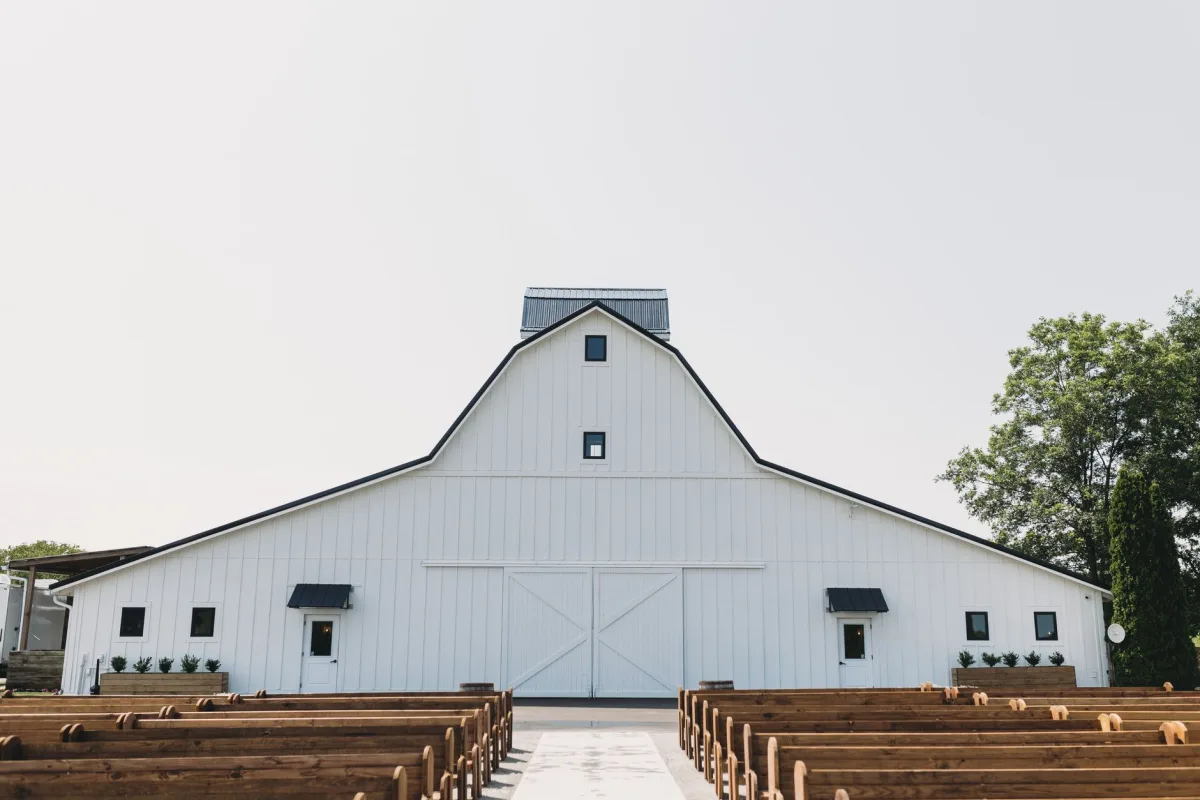
Barn weddings look effortless in photographs: warm wood, string lights, long tables and open country beyond the doors. The reality is a little more involved and a great deal more rewarding once you know what you are choosing. A barn is not a hotel ballroom with a rustic filter; it is a distinctive kind of venue with its own charms, its own logistics and its own questions to ask. This guide walks through what barn wedding venues actually offer, the practical things they rarely put in the brochure, and how to pick one that fits your day rather than fighting it.
The short version
- Barn venues sell character and space, rustic warmth, flexible layouts and a strong sense of place.
- They vary hugely, from fully equipped event barns to bare working structures you build from scratch.
- Logistics make or break the day. Ask about power, heating, toilets, parking, weather backup and noise limits.
- Cost is not just the hire fee. Budget for hire, catering, and everything a barn may not include.
What a barn wedding venue actually is
A barn is an agricultural building traditionally used to store crops, house livestock or shelter equipment, and many are large, sturdy timber-framed structures built to span wide open spans without internal walls. That last quality is exactly why they make such appealing wedding venues: a good barn gives you a big, characterful, column-light space that can hold a ceremony, a wedding reception and a dancefloor under one roof, wrapped in natural materials and countryside.
Some barns are still working farm buildings hired out for events; others are purpose-restored or purpose-built wedding venues that only look agricultural. That difference matters more than almost anything else about a barn, because it shapes what is provided, what you must arrange, and what the day will actually cost you in effort and money.
The main types of barn venue
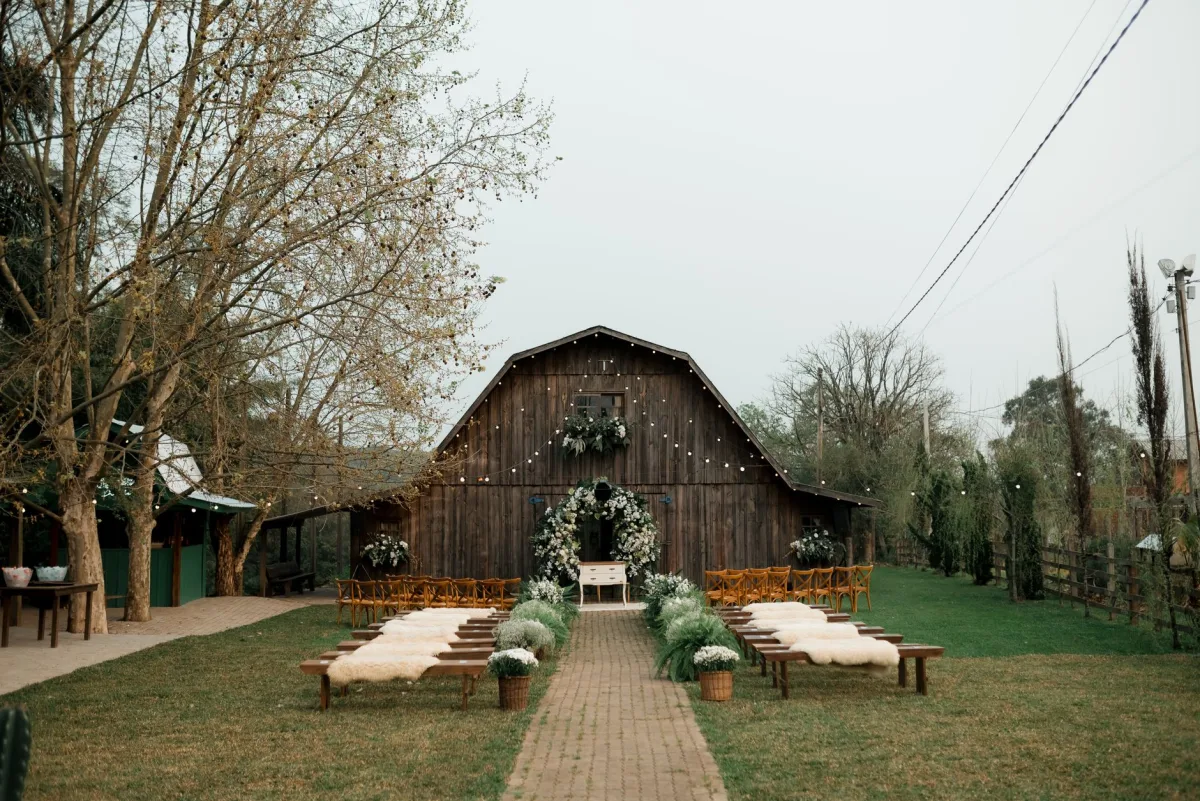
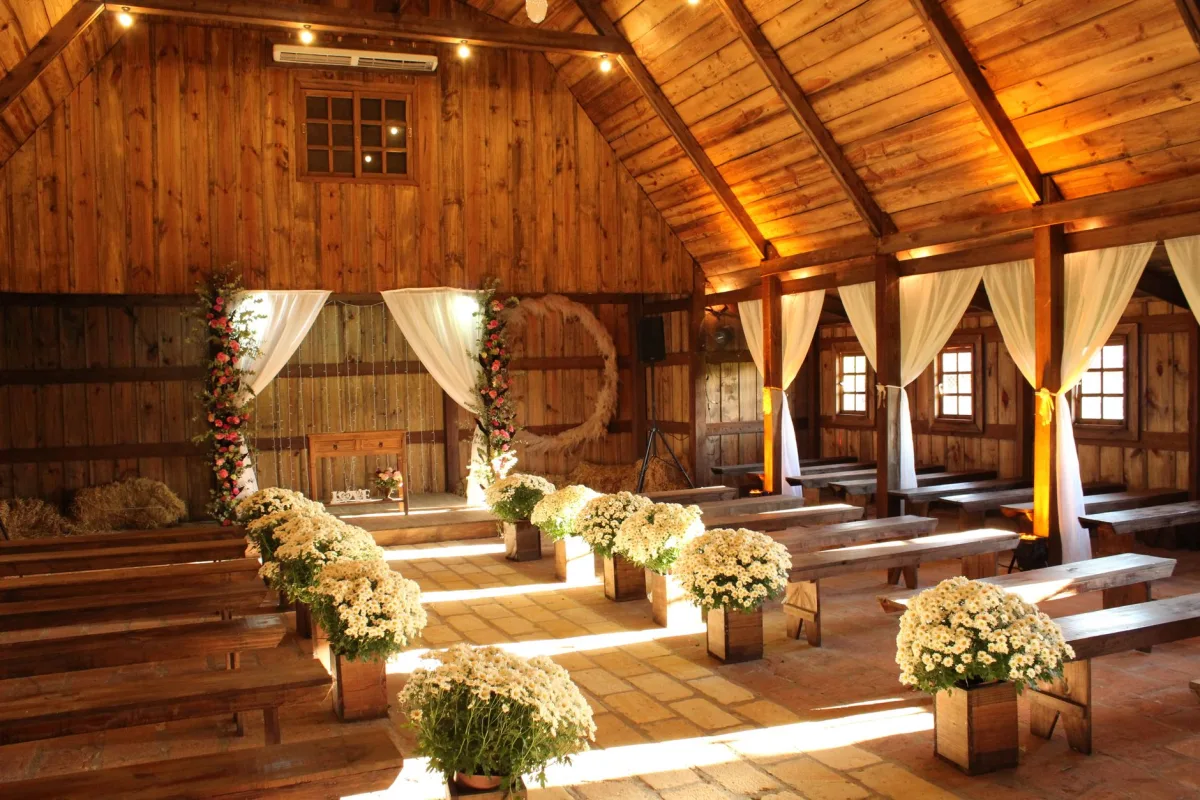
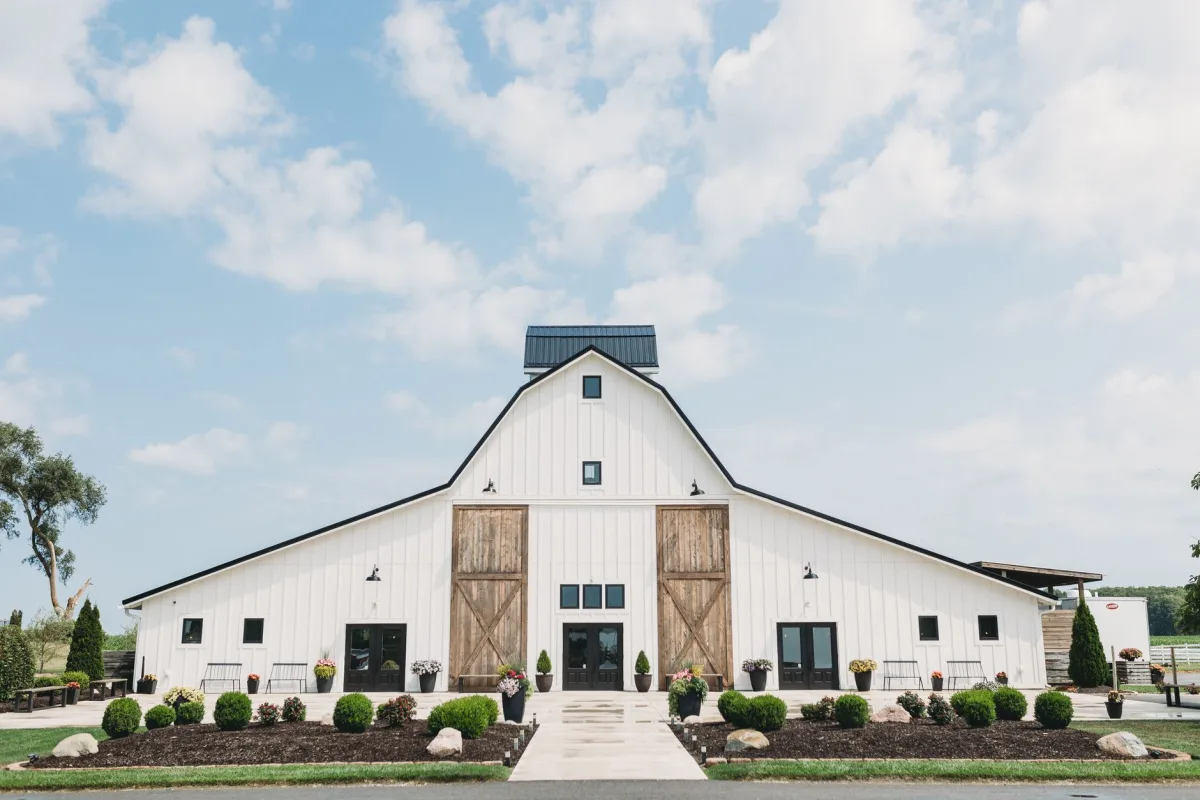
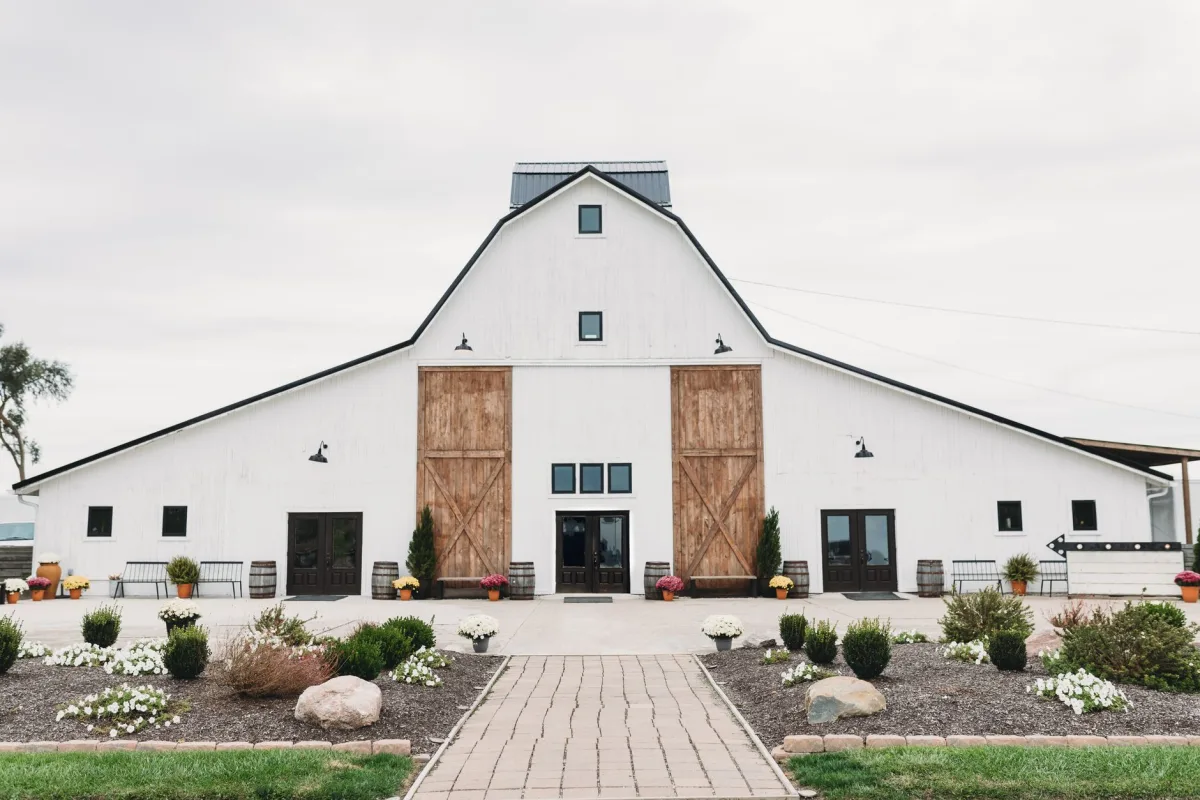
"Barn wedding venue" covers a wide spectrum, and knowing where a particular venue sits on it tells you what you are really signing up for.
Fully equipped event barn
A restored or purpose-built venue with heating, lighting, proper toilets, a licensed bar and often in-house or approved catering. The most turnkey and usually the most expensive.
Blank-canvas barn
A beautiful shell you hire and fit out yourself: furniture, power, catering, toilets and often marquee-style extras. Maximum freedom, maximum work.
Working-farm barn
Part of an operating farm, with genuine rural character and, sometimes, genuine rural realities like livestock, mud and limited facilities nearby.
Barn with accommodation
A venue that includes on-site lodging for the couple and guests, turning a single day into a relaxed weekend and easing transport and timing worries.
Neither end of the spectrum is better; they suit different couples. A fully equipped barn is right if you want beauty with less to organise. A blank-canvas barn rewards couples who enjoy building a day from scratch and want it to feel entirely their own, provided they understand how much a bare space actually needs. Be honest about which kind of planner you are before you fall for a photograph.
Why couples choose a barn
The appeal is easy to feel and worth naming clearly. Barns offer character that a neutral function room cannot: exposed beams, natural light, and a warmth that photographs beautifully in any season. They tend to be flexible, letting you shape the layout, styling and flow to your own vision rather than a fixed template. Many sit in genuinely lovely rural settings, giving guests a sense of escape and a strong sense of place. And the informal, welcoming feel of a barn suits couples who want their day to feel relaxed and personal rather than formal and corporate.
There is also a practical draw: having ceremony, meal and dancing in one location, or across one site, keeps guests together and simplifies the timeline. For couples drawn to the whole outdoor, countryside aesthetic, a barn is often the anchor around which the rest of the day's wedding ideas naturally arrange themselves.
The questions a brochure will not answer
A barn's rustic charm can quietly hide its practical gaps, and the difference between a magical day and a stressful one usually lives in the logistics. Before you commit, walk the site and ask direct questions. These are the ones couples most often wish they had asked sooner.
- Power and lighting. Is there enough electrical supply for catering, a band, lighting and heating, or will you need a generator?
- Heating and shelter. Barns can be cold outside summer and warm in it. What heating exists, and is there insulation or airflow?
- Toilets. Are there permanent, plumbed facilities, or will you need to hire luxury portable units, and at what cost?
- Weather backup. If the ceremony or drinks are meant to be outside, what is the wet-weather plan, and does the barn hold everyone comfortably indoors?
- Access and parking. Can suppliers, coaches and guests reach the site easily? Are rural lanes and fields a problem in bad weather?
- Noise and curfews. Many rural venues have licensing conditions or sound limits that end music earlier than you might expect.
- What is included. Tables, chairs, catering facilities, a bar, cleaning, and staffing, or is it a bare space you equip entirely?
None of these should scare you off a barn. They simply turn a pretty picture into an informed decision. A blank-canvas barn with no toilets and no power can still make a stunning wedding; you just need to know that going in so you can budget and plan for it. A good wedding planner is especially valuable here, because barns hide more logistics than conventional venues.
What a barn wedding really costs
Barn pricing is genuinely hard to generalise because it depends so much on the country, the region, the season and, above all, how much the venue includes. The single biggest budgeting mistake couples make with barns is comparing a bare hire fee against an all-inclusive hotel package and assuming the barn is cheaper. Sometimes it is; sometimes the extras a blank barn requires close the gap entirely.
Rather than chase numbers that vary wildly, build your budget around what the fee does and does not cover. A turnkey event barn may bundle furniture, facilities, a bar and catering into one price. A blank-canvas barn may charge a lower hire fee but leave you to pay separately for toilets, power, furniture, catering, marquee linings and cleaning. Ask every venue for an itemised list of what is included and what is extra, then compare like for like. For a structured way to hold all these moving numbers together, our wedding planning checklist helps you track venue costs alongside everything else. And whichever barn you choose, talk early to your wedding photographer, since barns and their surrounding fields offer wonderful light that a good photographer will plan around.
Making a barn wedding work
Once you have chosen a barn with clear eyes, a few habits keep the day smooth. Visit at the same time of year and, if you can, the same time of day as your wedding, so you understand the light, the temperature and the mood you will actually get. Plan for weather in both directions, warmth for a cold evening and shade or airflow for a hot afternoon. Confirm supplier access and delivery timings, since rural sites can be awkward for large vehicles. And build your styling around the barn rather than against it: rustic spaces reward simple, generous touches, greenery, candles and long tables, far more than they reward fighting the wood with a formal palette it was never built for.
Above all, match the venue to the wedding you actually want. A barn is perfect for a relaxed, characterful, countryside celebration and less suited to a highly formal city affair. If it fits your vision, lean into everything it does well, and let the setting do a great deal of the work that a plain room would make you pay a decorator to fake.
The bottom line
Barn wedding venues offer something a function room cannot: real character, flexible space and a strong sense of place, wrapped in warm natural materials. The trade is that barns hide their logistics behind their charm, so the couples who love their barn weddings are the ones who asked the practical questions early, understood exactly what was and was not included, and budgeted for the whole picture. Choose the type of barn that matches how you like to plan, sort the power and the toilets and the weather backup, and a barn will give you a wedding that feels unmistakably, warmly yours.
Frequently asked questions
What is a barn wedding venue?
A barn wedding venue is a large agricultural-style building, often a timber-framed structure with wide open spans, hired for a ceremony and reception. Some are still working farm buildings, while others are restored or purpose-built venues that keep the rustic look. The appeal is character, flexible space and a countryside setting, but what is provided varies enormously from one barn to the next, which is the most important thing to check.
What should I ask before booking a barn venue?
Ask about the practical things a brochure often skips: power supply and lighting, heating, permanent or hired toilets, a wet-weather backup plan, access and parking for guests and suppliers, any noise limits or music curfews, and exactly what is included versus what you must arrange yourself. These logistics, not the aesthetics, are what determine whether the day runs smoothly, so it is worth getting clear answers before you commit.
Are barn weddings cheaper than other venues?
Not necessarily. A barn's hire fee can look lower than an all-inclusive package, but a blank-canvas barn may leave you paying separately for toilets, power, furniture, catering, marquee linings and cleaning, which can close the gap. A fully equipped event barn bundles more in but costs more upfront. Always ask for an itemised list of what is included and compare venues like for like rather than by headline price.
What are the downsides of a barn wedding?
The main downsides are practical. Barns can be cold outside summer and warm within it, may lack permanent toilets or sufficient power, can be hard for vehicles to access on rural lanes, and often carry noise limits that end music early. Working-farm barns may involve mud or livestock nearby. None of these rules out a beautiful wedding; they simply need planning and budgeting for, which is why asking the right questions early matters so much.
What time of year is best for a barn wedding?
It depends on the barn and your priorities. Late spring through early autumn offers the warmest weather and the best chance of using outdoor space, which suits barns well. Cooler months can be magical with good heating and lighting, giving a cosy, candlelit feel, but you must confirm the barn is genuinely warm and comfortable. Visiting at the same time of year as your planned date is the best way to know what you will actually get.