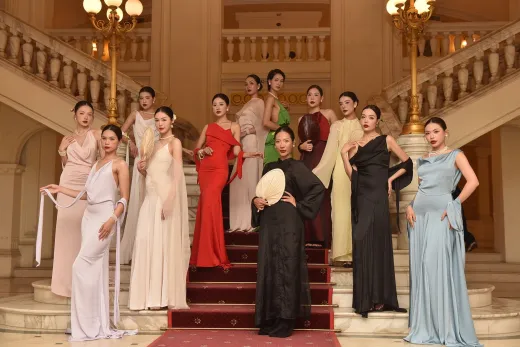
Civil Wedding Attire: The Complete Guide
Elevated, not costume: what the couple and guests each wear to a civil ceremony, and how the setting sets the level of formality.
A civil wedding asks a genuinely different question of your wardrobe than a big traditional ceremony does. There is no long white aisle, no cathedral, often no religious dress code, and frequently a small room and a short slot. That freedom is lovely and slightly paralysing: with fewer rules, more of the decision falls to you. This guide sorts out what civil wedding attire actually means, what the couple and the guests each tend to wear, and how to land on an outfit that feels like a wedding without dressing for the wrong kind of one.
The short version
- Civil weddings are dressier than everyday, softer than black tie. Think elevated, not costume.
- The couple has real freedom. A short dress, a suit, a jumpsuit or a colour are all fair game, no long train required.
- Read the setting. A registry office at noon and a stylish restaurant at night call for different formality.
- Guests should look smart and stay modest. Avoid white, avoid outshining the couple, and lift the outfit a notch above office wear.
What a civil wedding is
A civil marriage is a marriage performed, recorded and recognised by a government official rather than a religious body. In practice that means a ceremony led by a registrar or authorised officiant, often at a registry or register office, a city hall, or a licensed venue, without the religious framework that shapes a church, temple or mosque wedding.
That distinction matters for clothing because so much traditional wedding dress code grew out of religious and formal convention. A civil wedding lifts most of those expectations, which is why the attire question feels so open. The setting still guides you, but it guides more gently, and the tone is set by the couple rather than by a building or a faith.
The right level of formality
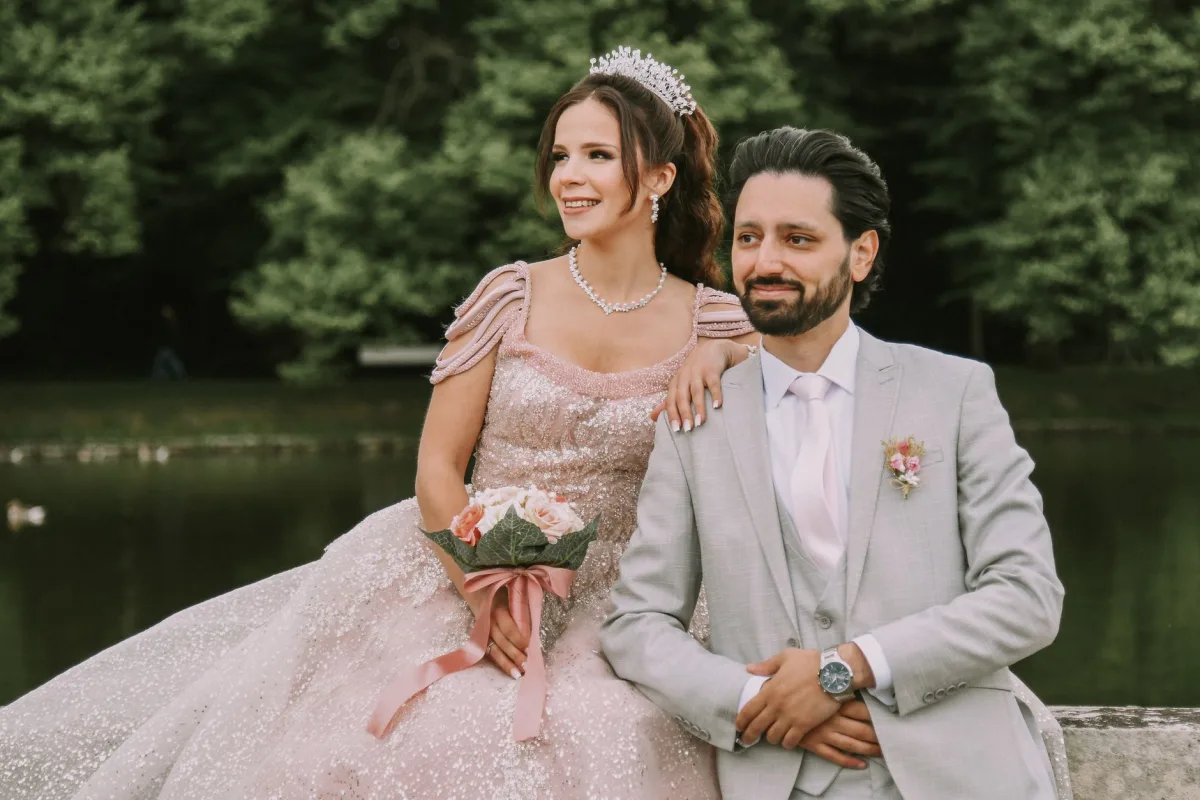
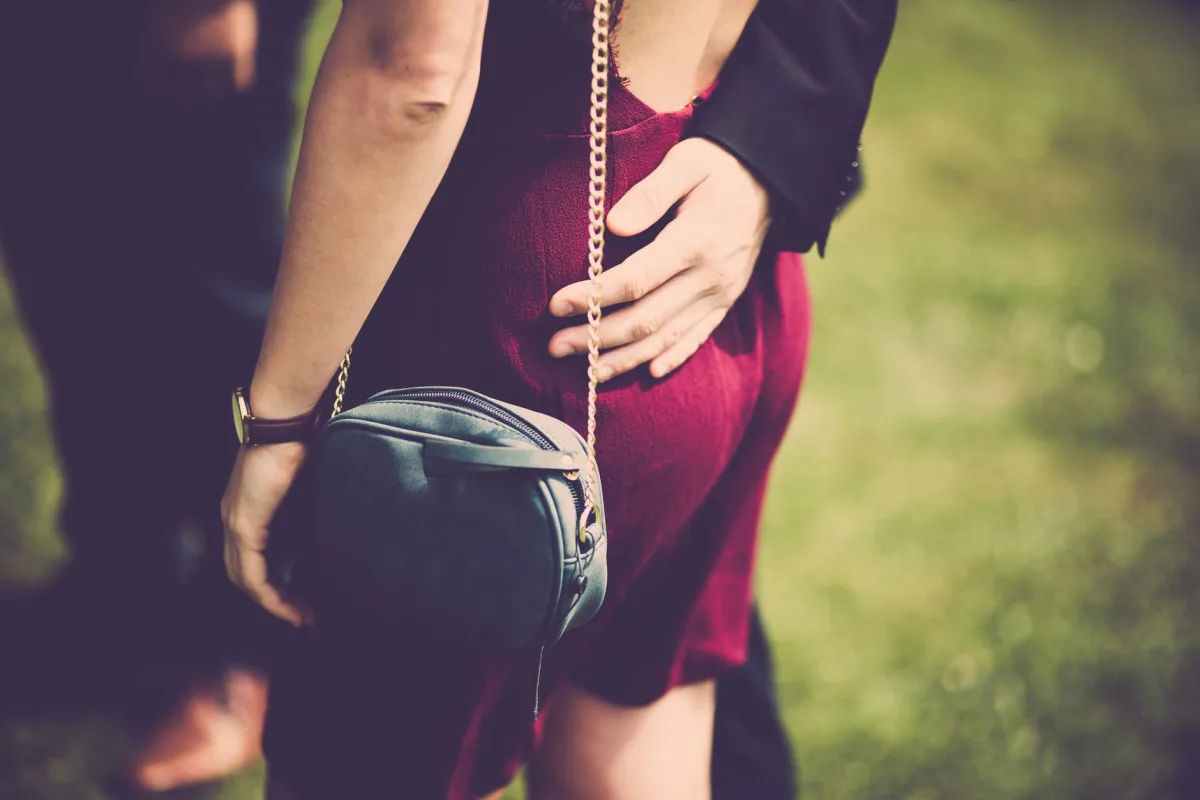

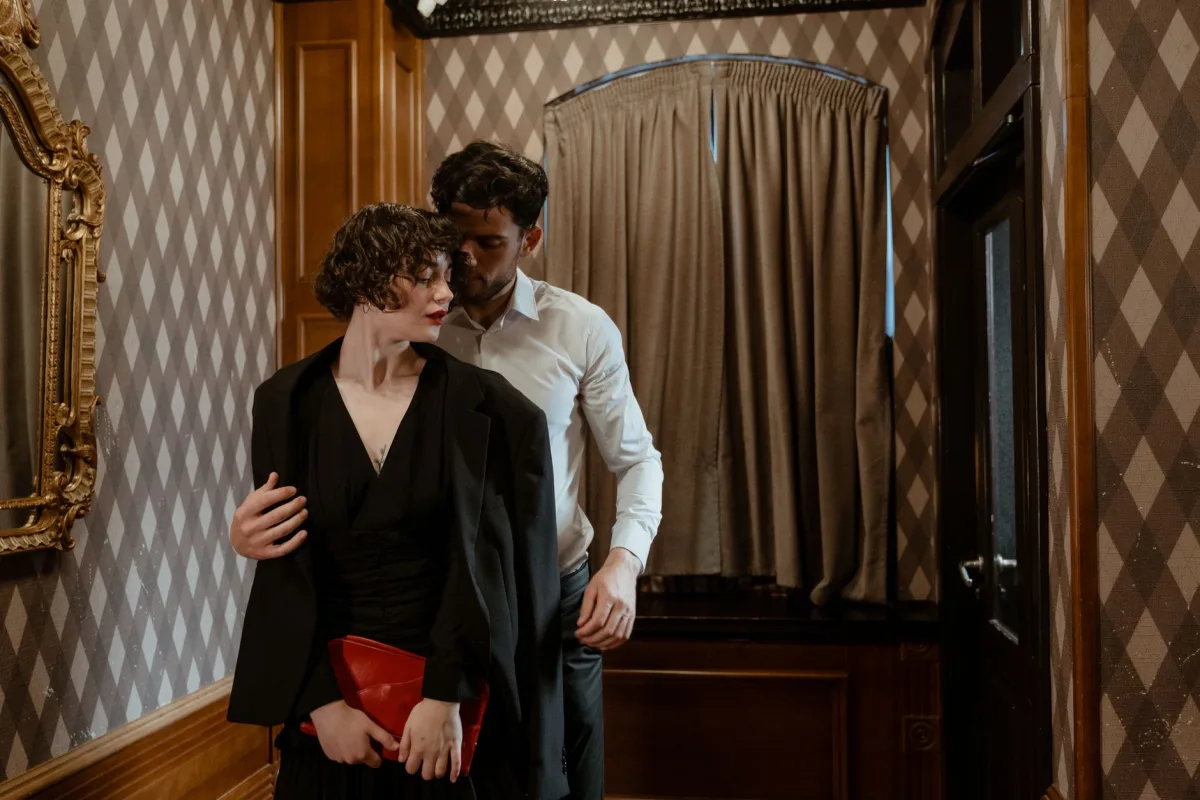
The reliable target for civil wedding attire is "elevated". It sits above what you would wear to work or to lunch, and below the full formality of black tie or a grand religious wedding. You are dressing for a genuine celebration, so everyday clothes read as too casual, but a floor-length gown or a tuxedo can look out of place in a small registry room at midday.
The single most useful signal is the venue and the time of day. A morning ceremony at a register office followed by a relaxed lunch is a smart-daytime affair. An evening civil ceremony at a stylish restaurant or a licensed country house leans dressier, closer to cocktail. Match the outfit to that setting and you will almost never be wrong.
Daytime registry ceremony
Smart daytime dressing: a tailored dress, a suit, a smart jumpsuit or separates. Lighter fabrics and colours, comfortable shoes, nothing heavy or ballgown-scale.
Evening or venue ceremony
Cocktail territory: a knee-length or midi dress, a sharp suit, richer fabrics and a slightly bolder shoe. Dressier than daytime, still short of black tie.
City hall, short slot
Chic and simple wins in a small, quick ceremony. A standout dress or a well-cut suit photographs beautifully without overwhelming the room.
Relaxed or outdoor setting
Soften the formality: breathable fabrics, block heels or smart flats, and an outfit that copes with grass, sun or a garden without wilting.
What the couple wears
Here is the freedom a civil wedding gives you: almost none of the traditional wedding dress rules are compulsory. The white floor-length gown is a Western convention that only took firm hold in the 1800s, and a civil ceremony is exactly the setting where couples happily step outside it. A short white dress, a midi in blush or pale blue, a chic trouser suit, a jumpsuit, or a coloured gown are all entirely at home.
For one partner, a knee-length or tea-length dress, a tailored jumpsuit or a sleek suit in white or colour all work, finished with a smart heel or flat and understated jewellery. Some choose a small veil or a hair accessory to mark the occasion; many skip it. For the other partner, a well-fitted suit, lounge suit or smart blazer and trousers is the standard, with the formality dialled up or down by the fabric, the tie and the setting. The unifying rule is simple: choose something that reads as celebratory and photographs as a wedding, then make sure the two of you coordinate rather than clash.
Comfort deserves a word, because a civil day is often more mobile than a seated church service: signing, stepping outside for photos, moving straight to a meal. Break in your shoes, choose fabric you can sit and move in, and if you love the idea of a longer gown for photographs, keep it lighter than a full traditional dress. For a wider look at how attire fits the whole occasion, our overview of bridal style puts the outfit in the context of beauty, timeline and the rest of the day.
What guests wear to a civil wedding
Guests often find civil weddings harder to dress for than formal ones, precisely because the code is unstated. The safe interpretation is "smart occasion wear": a step up from office clothes, a step down from black tie, unless the invitation says otherwise. A midi dress, a tailored suit, smart separates or a jumpsuit all sit comfortably in that band.
A few conventions still apply, and they matter more when the rules are loose. Do not wear white, cream or anything that could read as bridal, since that lane belongs to the couple. Avoid anything so eye-catching that it competes for attention, keep hemlines and necklines on the modest side for a ceremony, and always let the invitation and the venue override these defaults. If a dress code is stated, follow it; if not, smart daytime for a daytime ceremony and cocktail for an evening one is a dependable rule of thumb. Our guide to wedding guest gowns works through the dress-code ladder in more detail if you want to fine-tune the choice.
Season, setting and practicalities
Whatever you land on, the outfit has to survive the actual day. Season is the first filter: light fabrics and breathable layers for summer, a smart coat or wrap and warmer materials for winter, since many civil ceremonies involve a walk between the ceremony room, the photographs and the meal. Dressing for the weather is not a compromise on style; it is what keeps you looking composed in the pictures.
- Plan for movement. Civil days often shift quickly from signing to photos to a meal, so choose clothes and shoes you can move in comfortably.
- Layer thoughtfully. A jacket, wrap or smart coat handles cold rooms and outdoor photos without ruining the line of the outfit.
- Mind the small room. Registry ceremony spaces are often compact, so a huge dress or a long train is impractical as well as over-formal.
- Coordinate as a couple and a party. Agree the formality between the two of you first, then brief close family so nobody arrives dressed for a different kind of wedding.
Civil ceremonies frequently pair with a court or registry process, so it is worth understanding the legal side alongside the style side. Our guides to civil marriage and court marriage cover what actually happens on the day, which in turn tells you how long you will be standing, sitting and moving in whatever you choose to wear.
The bottom line
Civil wedding attire is defined by freedom rather than rules, which is a gift once you know how to use it. Aim for elevated rather than everyday, let the venue and the time of day set the exact formality, and for the couple, feel free to leave the long white gown behind for a short dress, a colour, a jumpsuit or a sharp suit. Guests should stay smart and modest, skip white, and never outshine the couple. Get those instincts right and a civil wedding looks every bit as much like a wedding as any grand ceremony, only on your own terms.
Frequently asked questions
What should you wear to a civil wedding?
Aim for elevated occasion wear: dressier than everyday or office clothes, but below full black tie. The venue and time of day set the exact level, so a daytime registry ceremony calls for smart daytime dressing while an evening ceremony at a stylish venue leans toward cocktail. A tailored dress, a suit, a jumpsuit or smart separates all work. Choose something celebratory that photographs as a wedding and suits the setting.
Can the bride wear white to a civil wedding?
Yes, but it is entirely optional. The white gown is a Western tradition rather than a requirement, and civil weddings are a common place to step outside it. Many couples choose a short white dress, a coloured or pastel outfit, a jumpsuit or a suit instead. Wear white if you love it, in whatever length suits the setting, but know that colour is just as appropriate at a civil ceremony.
Do you have to wear a suit to a civil wedding?
Not necessarily, though a suit is a reliable choice. For the partner who would traditionally wear one, a well-fitted suit or smart blazer and trousers is standard, with the formality set by the fabric and the setting. Some opt for a lounge suit or smart separates at a relaxed daytime ceremony instead. The key is to look smart and celebratory and to coordinate with your partner's level of formality.
What should guests avoid wearing to a civil wedding?
Avoid white, cream or anything that could read as bridal, since that belongs to the couple. Steer clear of overly casual clothes like jeans or trainers unless the invitation explicitly allows them, and avoid anything so bold it competes for attention. Keep hemlines and necklines reasonably modest for the ceremony. When in doubt, dress smart for a daytime ceremony and cocktail for an evening one, and follow any stated dress code.
Is a civil wedding formal or casual?
It sits in the middle and varies by couple and venue. A civil wedding is a real celebration, so it is dressier than casual, but it usually lacks the strict formality of a grand religious or black-tie wedding. Some couples keep theirs relaxed and daytime; others hold an evening ceremony at a smart venue that feels quite formal. Read the invitation and the setting, and default to elevated, occasion-ready attire.