Bridal: The Complete Guide
A broad pillar on all things bridal, respectful of many cultures: attire, beauty and prep, the bridal party, pre-wedding events, a planning timeline and modern trends.
"Bridal" is one of those words that sounds simple and turns out to hold an entire world. It covers the gown and the veil, yes, but also the months of planning behind them, the beauty routine that starts long before the morning of, the friends who carry the day with you, and the pre-wedding events that build toward it. This guide takes the whole subject in one pass, respectful of the many cultures that shape it, so you can see how the pieces fit before you start choosing between them.
The short version
- Bridal is a whole system, not just a dress: attire, beauty, party, events and a timeline.
- Colour and custom vary widely. White is Western; red, gold and layered outfits lead across much of Asia.
- Start early and pace yourself. The best bridal experiences run on a calendar, not on adrenaline.
- Your people are part of the look. The bridal party and pre-wedding events carry the day with you.
What "bridal" actually covers
A bride is a woman who is about to be married or who has just married, and "bridal" is everything that gathers around her in that window. The word reaches back to Old English and is shared across the Germanic languages, which tells you how old the idea is. What it means in practice has always depended on where you stand: a bride in a cathedral, a bride under a mandap, a bride in a tea ceremony and a bride on a beach are all doing the same human thing in wildly different clothes and customs.
It helps to think of bridal as five overlapping layers rather than a single decision. There is what you wear, how you prepare your skin and hair, who stands beside you, the celebrations that lead up to the day, and the timeline that holds it all together. Get those five in view and the endless stream of choices stops feeling like chaos and starts feeling like a sequence.
Bridal is five layers around one person: attire, beauty, party, events and the timeline that holds them.
Bridal attire, from gown to shoes
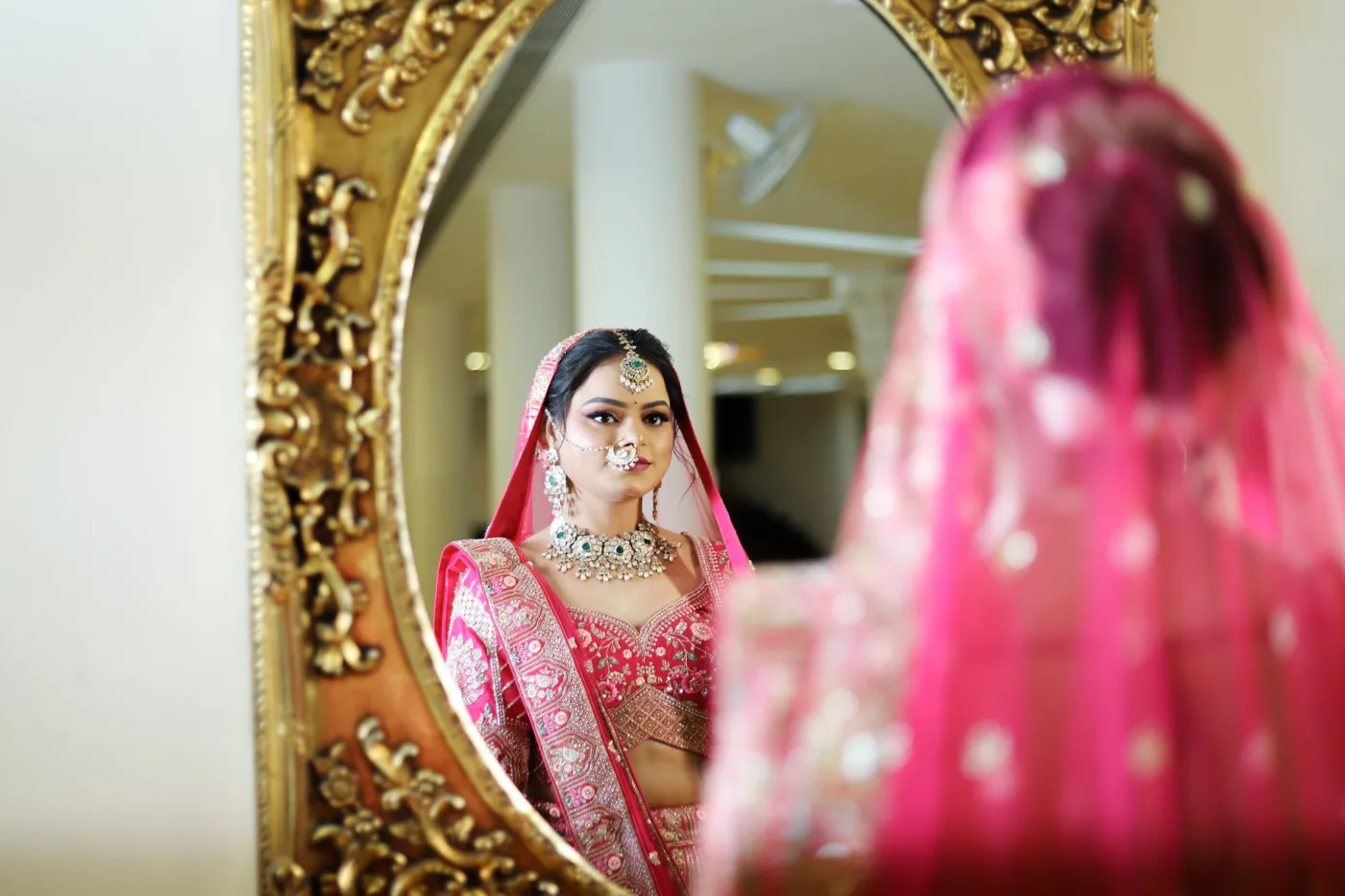
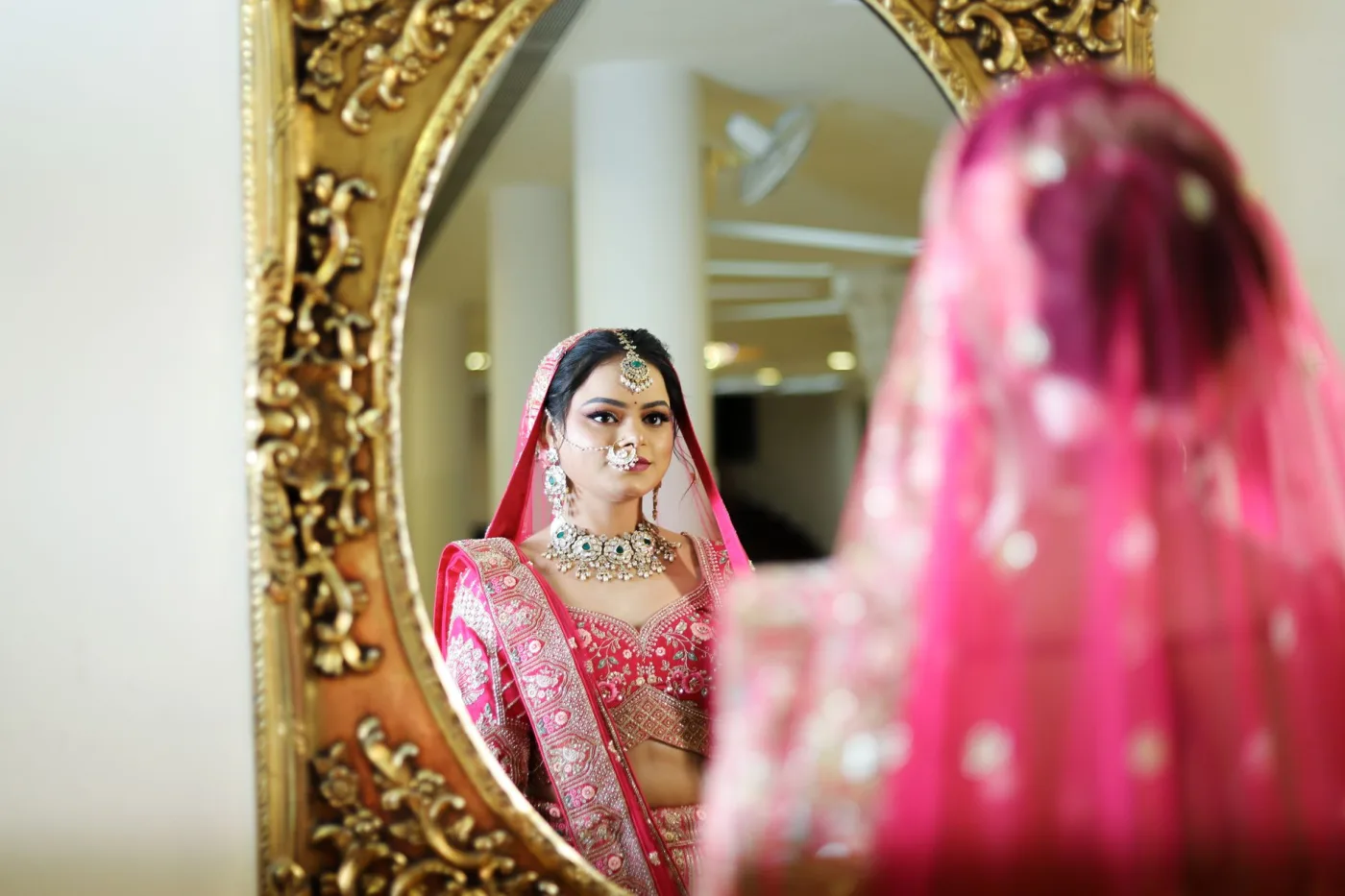
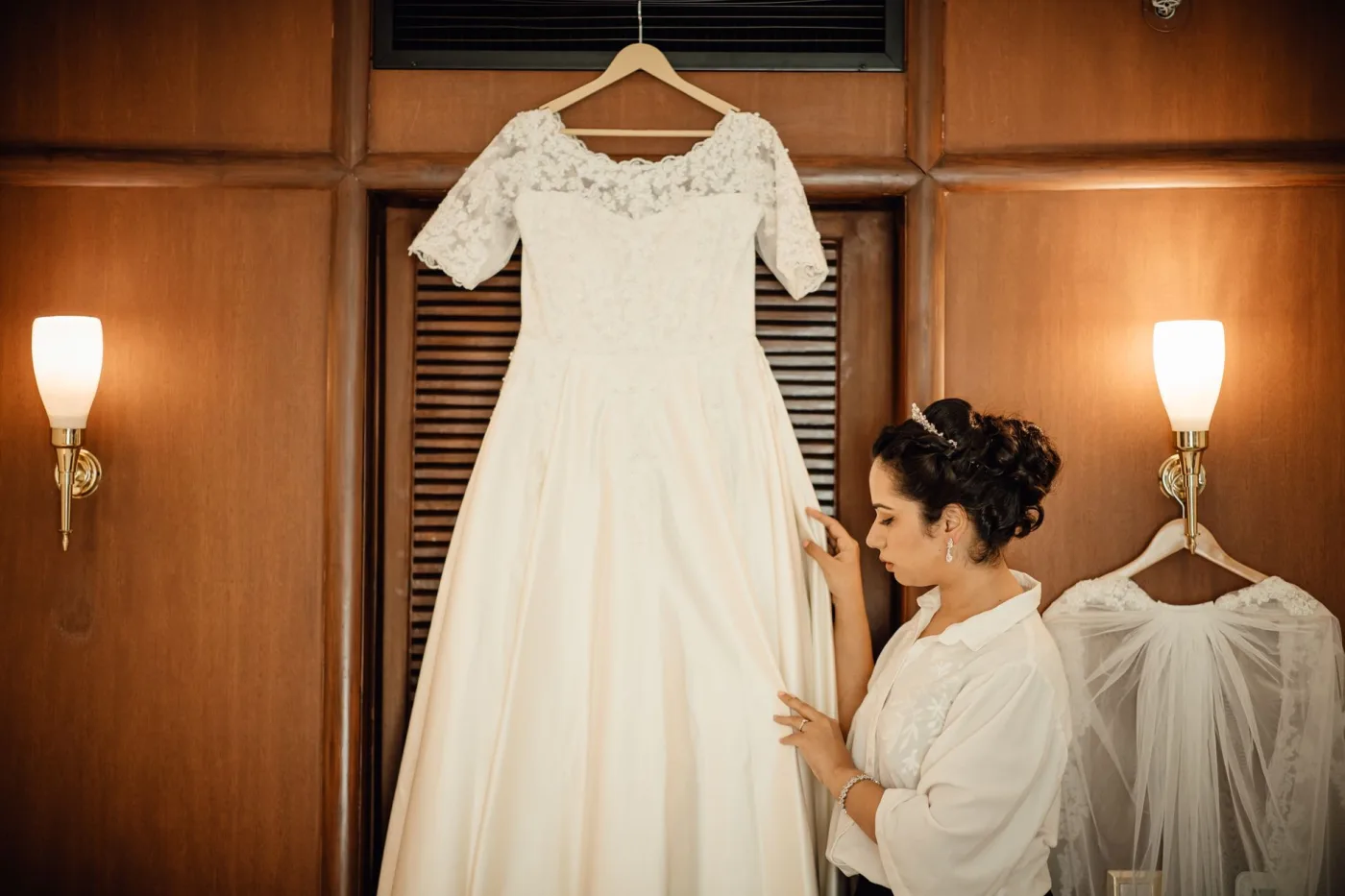
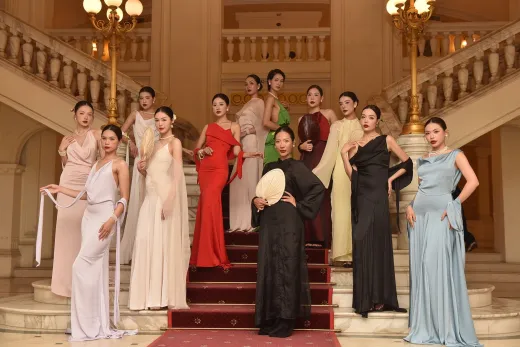
Attire is where most people start, and for good reason: it sets the tone for everything else. The Western default is the white wedding dress, but that convention is younger and narrower than it feels. White gained its grip after Queen Victoria married in a white gown in 1840 and the image travelled through the press, though a royal bride, Philippa of England, had worn white silk as early as 1406. Before white became a statement of status and then of tradition, brides across Europe simply wore their best dress in any colour.
Step outside the Western frame and the palette changes entirely. Across much of Asia white is the colour of mourning and is avoided, so red leads instead, read as vibrant, auspicious and full of life. Chinese and Indian brides classically wear red and gold, and it is common in Japanese, Indian and Arab traditions for a bride to change through several outfits across a single celebration. There is no single "bridal look," only the one that belongs to your family, faith and taste.
Whatever the silhouette, bridal attire tends to be built from the same handful of elements. Knowing what each one does helps you decide where to spend and where to simplify.
The gown or bridal wear
The centrepiece, from a white gown to a red lehenga, a hanbok, an ao dai or a kimono. Choose the shape first; the details follow the shape.
The veil or headpiece
A veil, dupatta, crown or headscarf frames the face. Length and opacity change the mood far more than the gown does in photographs.
Jewellery
Rings, a mangalsutra, chura bangles, a maang tikka or heirloom gold. This is where family history usually enters the outfit.
Mehndi or henna
Intricate henna on the hands and feet is central to South Asian and many Middle Eastern and North African weddings. It is applied days before, not on the morning.
Shoes
Comfort is not optional across a twelve-hour day. Break them in, and keep a flat second pair for the dancing.
The finishing pieces
Gloves, a wrap, a clutch, a garter or a sash. Small, but they carry the code up or down a notch.
A note that saves stress later: your attire should agree with your venue and season, exactly as a guest's should. A heavy embroidered gown is glorious in a winter hall and punishing on a summer beach. If you are also helping guests understand what to wear, our guide to wedding guest gowns lays out the dress-code ladder that your invitation is quietly setting.
Bridal beauty and preparation
Bridal beauty is a timeline, not an event. The single biggest mistake is treating skin, hair and makeup as things that happen on the morning of the wedding. The look you want on the day is built in the weeks and months before it, and the morning itself should be mostly execution, not experiment.
Skincare comes first because it takes the longest to respond. If you want to change anything, a new routine, a treatment, a professional facial, start early and change one thing at a time, so that if your skin reacts you know exactly what caused it. The golden rule of bridal prep is that the weeks before the wedding are for maintaining and calming, never for trying something new that your skin has never met.
Hair and makeup deserve a trial, ideally two. A trial is where you discover that the lip you loved on a screen washes you out in daylight, or that your hair will not hold the style you set your heart on. Book the trial for the same time of day as the wedding if you can, wear a white or pale top so the colours read true, and bring photographs of both what you want and what you do not. Take your own photos at the trial in natural light, because the camera sees makeup differently from the mirror, and it is the camera that keeps the day.
One rule above all others: never debut anything on your wedding day. Not a new product, not a first-time treatment, not shoes straight from the box, not a fad diet. The day itself is for the version of you that you have already tested and trust. Every "new" belongs to a trial run with room to recover if it goes wrong.
The bridal party and their roles
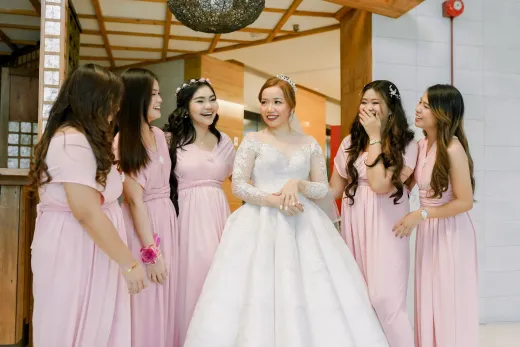
The bridal party is the small group who stand with the couple and, quietly, run the human side of the day. Titles and composition vary by culture and by choice, but the roles behind them are remarkably consistent: someone to organise, someone to reassure, and several people to carry the hundred small tasks that would otherwise land on the bride.
Maid or matron of honour
The right hand. Coordinates the other attendants, holds the bouquet, keeps the timeline moving and stays calm when the bride cannot.
Bridesmaids
The support crew: getting ready together, helping with the dress, gathering guests, and lending a hand wherever the day needs one.
Flower attendants
Younger members of the family who walk the aisle. Low on duty, high on charm and on photographs.
Family and elders
In many cultures parents and elders hold ceremonial roles, from blessings to leading specific rituals. Their part is often the emotional centre.
Choose this group for temperament as much as closeness. The friend who is unshakeable under pressure is worth more on the day than the one with the loudest opinions about flowers. If you are building this group now, our guide to choosing and looking after bridesmaids goes deeper on how to ask, what to expect of them, and how to keep the whole party happy.
Bridal shower and pre-wedding events
The wedding is rarely a single day so much as the peak of a small season. Around it sit the pre-wedding events, and the best known in the Western world is the bridal shower, a gathering where friends and family bring gifts to help the bride start married life. Its roots are usually traced to dowry customs, with early stories placing it in 19th-century Brussels, and it spread through American cities in the 1890s before reaching rural life by the 1930s.
What is fascinating is how differently the same impulse shows up around the world. In the UK the American-style shower is sometimes viewed as a consumerist import; Australia and New Zealand traditionally held a "Kitchen Tea"; and across South Asia the pre-wedding celebration is the mehndi or mehendi night, where henna is applied amid music and food. Different names, one idea: gather the people who love the bride before the day itself.
Bridal shower or kitchen tea
A daytime gathering, gifts and games, hosted by the maid of honour or a close relative. Warm rather than wild.
Mehndi or henna night
Henna, music and food, often the night before or a few days prior. The bride cannot use her hands, so it is unhurried by design.
Engagement and hen events
The engagement party announces; the hen or bachelorette celebrates the bride's last chapter of single life with her closest friends.
Rehearsal and welcome
A rehearsal dinner or welcome gathering settles the logistics and lets travelling families meet before the main event.
The bride's planning timeline
Everything above works better on a calendar. A bride who plans backward from the date, in sensible stages, arrives at the day rested; a bride who compresses it all into the final weeks arrives at the day exhausted. The table below is a broad, culture-agnostic template. Slide the rows to fit your own traditions, but keep the order: the slow-moving things (venue, attire, skin) go early, and the fast-moving things (final fittings, beauty) go late.
| When | Attire and beauty | Events and people | Self-care focus |
|---|---|---|---|
| 12+ months | Set a budget; start gathering styles you love | Choose the date and venue; draft the guest list | Protect sleep; set a sustainable routine |
| 9-12 months | Order the gown or bridal wear (long lead times) | Ask your bridal party; book key vendors | Begin a steady skincare routine, one change at a time |
| 6-9 months | Book hair and makeup; plan jewellery and shoes | Send save-the-dates; plan pre-wedding events | Add movement you enjoy, not a crash plan |
| 3-6 months | First fitting; book the mehndi or henna artist | Finalise the shower or mehndi; send invitations | Professional facial if you want one, no experiments |
| 1-2 months | Hair and makeup trials; second fitting | Bridal shower or mehndi; confirm all vendors | Calm the routine; prioritise sleep and water |
| Final 2 weeks | Final fitting; break in shoes; pack a kit | Rehearsal; delegate day-of tasks to your party | Rest, hydrate, and stop trying anything new |
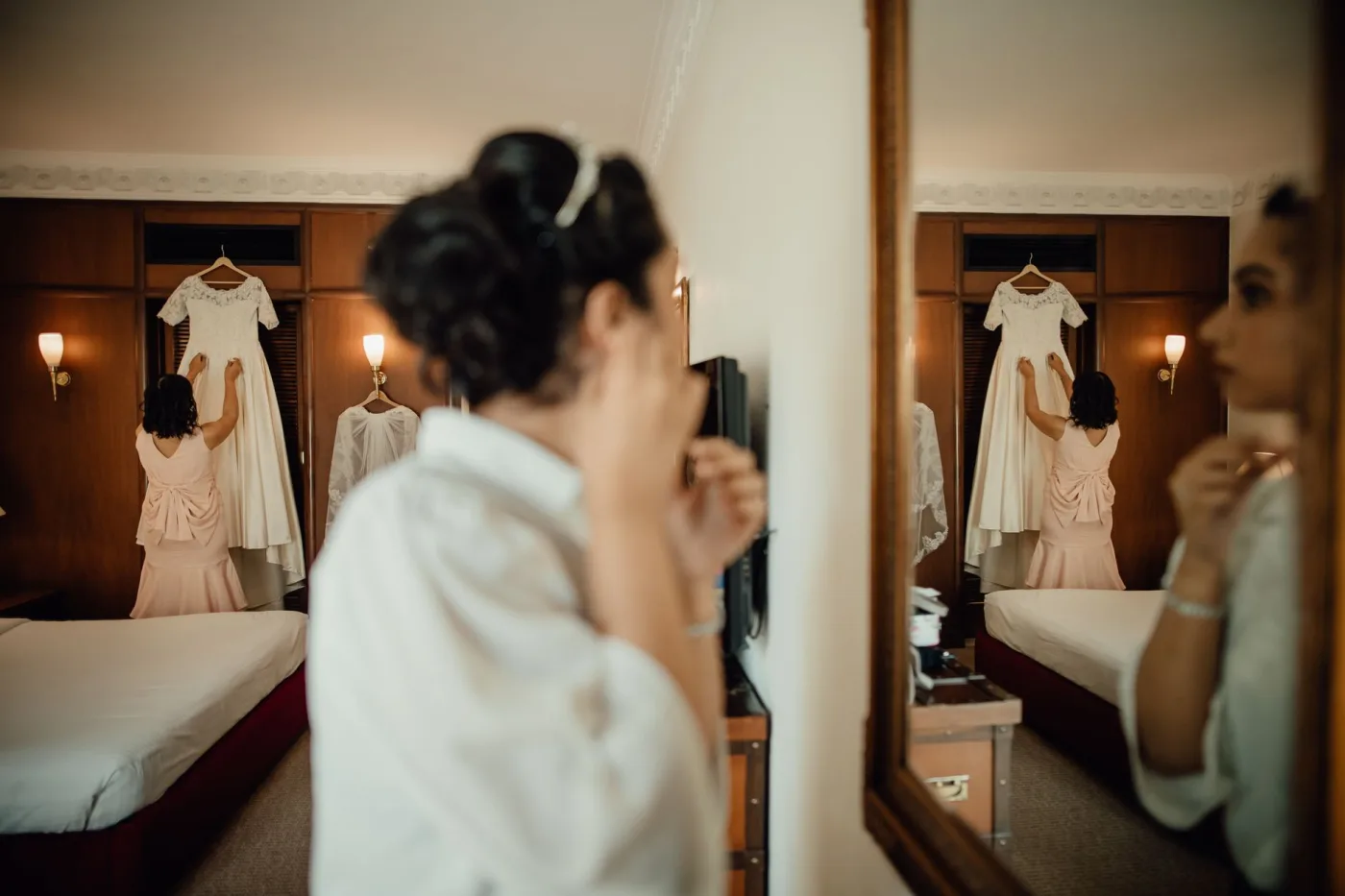
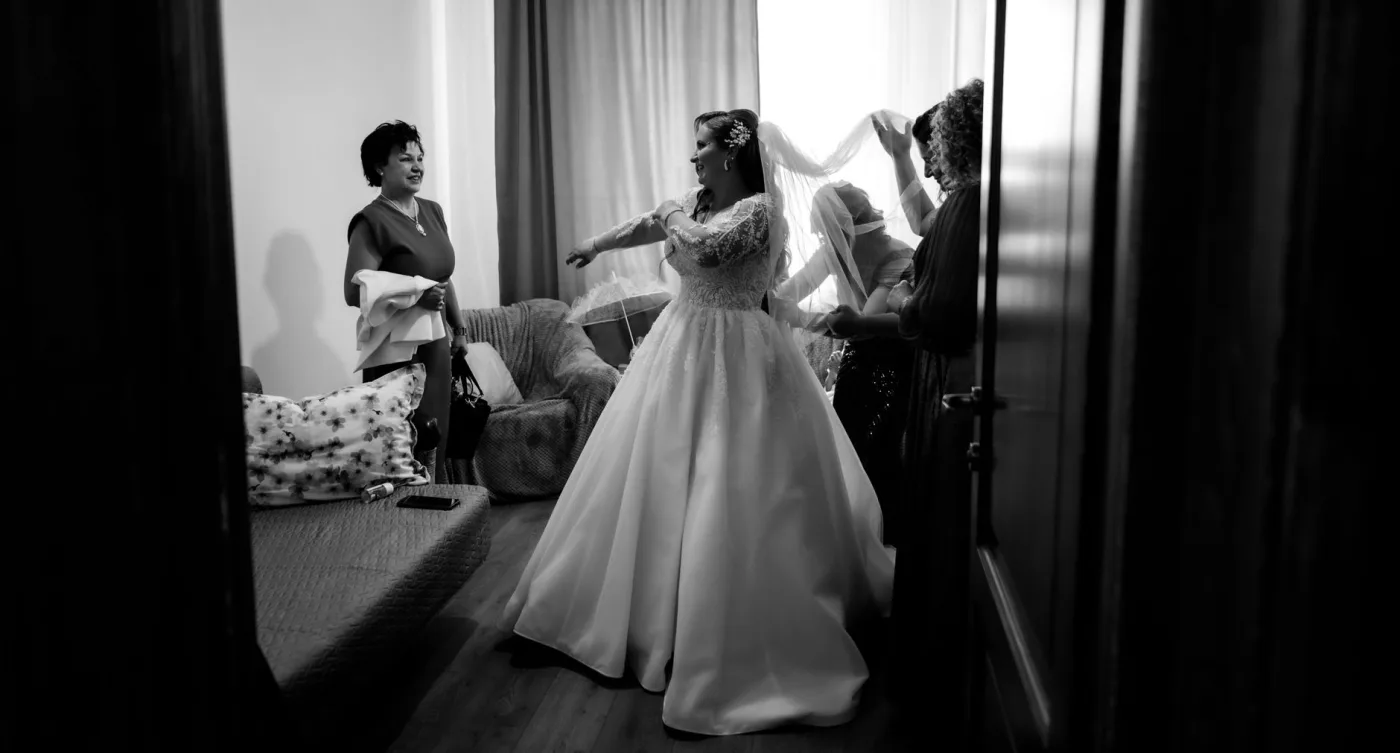
| The morning | Hair, makeup, dressing, in that order | Get ready with your people; hand off logistics | Eat something; breathe; be present |
The single most useful line in that table is the last self-care cell. By the final fortnight your job is not to add polish but to protect your energy, delegate freely, and trust the plan you built when you had time to think. Self-care is not a luxury bolted onto bridal planning; it is what lets you actually enjoy the day you spent a year building.
Modern bridal trends
Bridal is traditional at its core and restless at its edges, and the current direction of travel is clear: more personal, more comfortable, and less bound by a single rulebook. A few threads are worth knowing, whether you follow them or deliberately do not.
- Colour beyond white. Blush, gold, sage and even bold jewel gowns are increasingly normal for Western brides, while brides from red-wearing traditions are borrowing pastels for their second or third outfit. The old white-only rule is loosening.
- Multiple outfits, everywhere. The long-standing Asian custom of changing through several looks is spreading. A ceremony gown and a lighter reception outfit is now common far outside the traditions that started it.
- Comfort as a feature. Pockets, lower heels, breathable fabrics and a planned flat-shoe change are treated as smart, not as compromises.
- Sustainability and re-wear. Renting, resale and re-styling an heirloom gown are shedding their stigma, both to save money and to waste less.
- Personal ritual. Couples are blending customs, writing their own vows and folding in family traditions from more than one culture, so no two weddings read quite the same.
Trends are a menu, not a mandate. The most timeless bridal choice is still the one that looks like you and honours where you come from. For how all of this sits inside the larger event, its structure, its customs and its history, our overview of the wedding itself is the natural next read.
The bottom line
"Bridal" is not a dress and it is not a single day. It is attire, beauty, people, celebration and a timeline, held together by the one decision that matters most: to do it in a way that is genuinely yours. Learn the layers, respect the traditions you carry, borrow gently from the ones you admire, and build the whole thing on a calendar that leaves you rested. Do that, and the day arrives feeling less like a performance you have to pull off and more like the celebration it was always meant to be.
Frequently asked questions
Does "bridal" only mean the dress?
No. The dress is the most visible part, but "bridal" covers the whole world around the bride: her attire from gown to shoes, her beauty and skincare preparation, the bridal party who support her, the pre-wedding events like a bridal shower or mehndi night, and the planning timeline that ties it all together. Thinking in those layers, rather than fixating on the gown alone, is what keeps bridal planning calm.
Do all brides wear white?
Not at all. The white gown is a Western convention that only took hold after Queen Victoria married in white in 1840. Across much of Asia white signals mourning and is avoided, so brides classically wear red and gold, and in Chinese, Indian, Japanese and Arab traditions it is common to change through several outfits in one celebration. There is no universal bridal colour, only the one your culture, faith and taste call for.
When should I start planning as a bride?
For a formal wedding, roughly twelve months ahead is comfortable, and long-lead items such as the gown, the venue and popular vendors are worth locking in even earlier. Skincare should begin months out too, because it responds slowly. The principle is to schedule slow-moving decisions early and fast-moving ones like fittings and beauty trials late, so nothing important is rushed at the end.
Why do I need a hair and makeup trial?
Because the day is not the time to discover a colour washes you out or a style will not hold. A trial lets you test the full look in advance, ideally at the same time of day as the wedding and in natural light, so you can photograph it and adjust. It also builds trust with your artist. The overriding bridal rule is never to debut anything, product, treatment or style, on the wedding day itself.
What is the difference between a bridal shower and a mehndi night?
Both are pre-wedding celebrations for the bride, but they come from different traditions. A bridal shower is a Western gathering, rooted in dowry customs, where friends and family bring gifts to help the bride start married life. A mehndi or henna night is the South Asian equivalent in spirit, an evening of henna application, music and food, often held shortly before the wedding. Australia's "Kitchen Tea" is another cousin of the same idea.
Who is in the bridal party and what do they do?
Typically a maid or matron of honour, several bridesmaids, and sometimes younger flower attendants, with parents and elders holding ceremonial roles in many cultures. The honour attendant coordinates the others and keeps the day moving; the bridesmaids provide hands-on support from getting ready to gathering guests. Choose them for how steady they are under pressure, not only for how close they are to you.