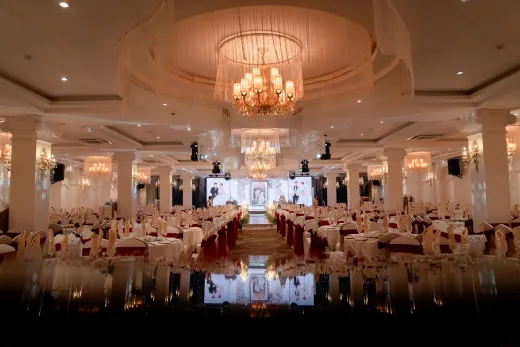
Company Event Management: The Complete Guide
Corporate events explained: their business purpose, the main types, the logistics that carry them, and how to measure whether the money was well spent.
Company event management is the discipline of planning and running the events a business puts on: the conference that gathers a scattered workforce, the launch that introduces a product to the market, the awards night that thanks the team, the offsite that resets a strategy. It shares a toolkit with weddings and festivals, but its logic is different, because a company event is not judged by how lovely it was. It is judged by whether it moved the business forward. This guide explains what corporate events are for, the main types a company runs, the moving parts that make them succeed or fail, and how to measure whether the money was well spent.
The short version
- A company event exists to serve a business goal, not simply to look impressive.
- The main families are meetings, conferences, launches, incentives and team building.
- Success is measurable: attendance, engagement, leads, morale or a clear return on investment.
- Logistics and technology carry the day, from registration and AV to a tight run of show.
What company event management is for
Every corporate event should be able to answer one blunt question: what is this event supposed to change? That is the difference between company event management and the social kind. A wedding succeeds if the couple and their guests feel joy; a company event succeeds if a defined business outcome moves, whether that is a sales pipeline, a workforce that understands a new strategy, or a team that feels valued enough to stay. As a specialised branch of event management, corporate work applies the same project-management backbone to a commercial purpose.
This purpose-first framing shapes everything downstream. The budget has to be justified against a return, the content has to serve the objective rather than merely entertain, and the whole event is typically measured afterwards against the goal it was built for. A company that treats an event as a party with a logo on it wastes money; a company that treats it as a tool with a target uses it well.
The main types of company event
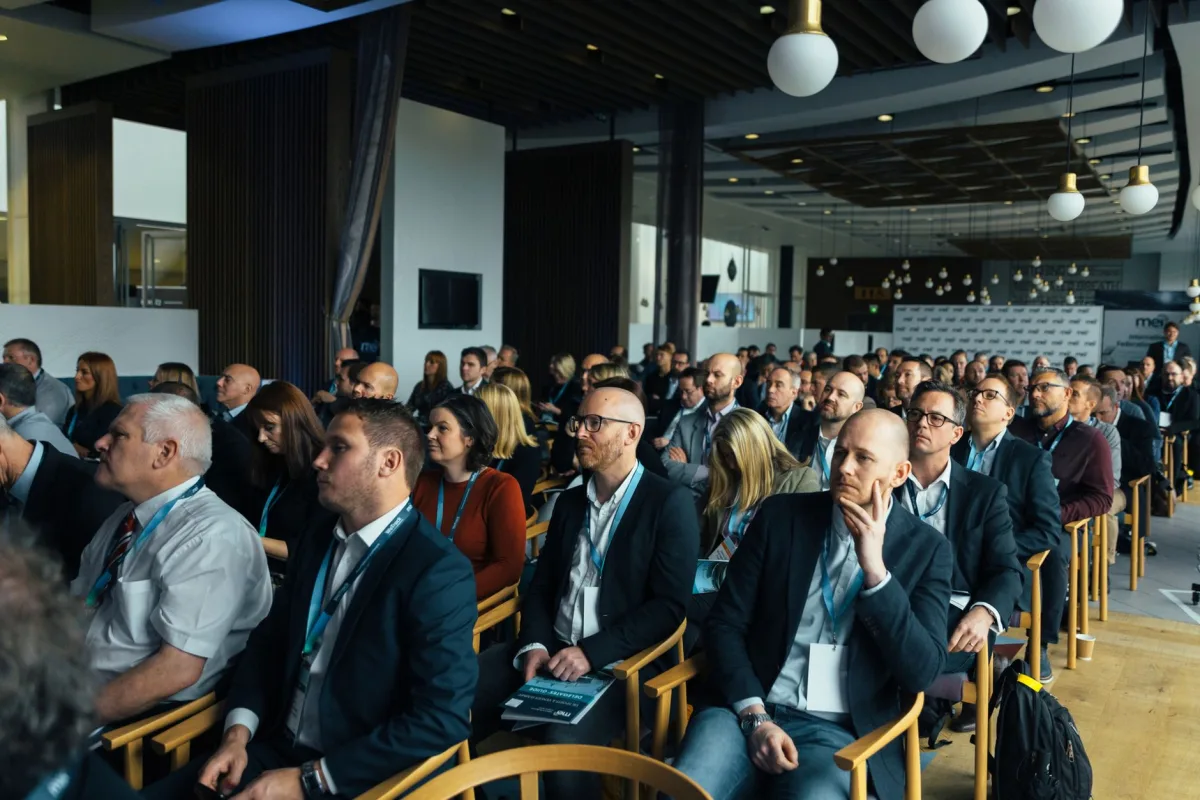


Corporate events cluster into a handful of recognisable types, and much of the industry summarises the core of them with the acronym MICE: Meetings, Incentives, Conferences and Exhibitions. Around that core sit launches, internal celebrations and team-building days. Knowing which type you are running tells you what to optimise for.
Conferences and meetings
Gatherings to inform, align or decide. Success is measured in knowledge transferred and delegates engaged, so content, scheduling and AV dominate.
Product launches
A staged moment to introduce something to customers, press or partners. Judged on reach, coverage and the momentum it creates in the market.
Incentives and retreats
Trips and offsites that reward and motivate staff. Judged on morale, retention and the strategic alignment they build.
Awards and celebrations
Galas, milestones and holiday parties that recognise people. Judged on how valued and connected the team feels afterwards.
A distinct and often underestimated category is team building, the deliberate use of activities to improve how a group works together. Done thoughtfully it builds trust and communication; done as a box-ticking exercise it becomes the awkward afternoon everyone quietly dreads. The difference is almost always whether the activity was matched to a real goal or simply booked because it was available.
The moving parts that decide success
Corporate events live or die on execution, and the audience notices the failures far more than the triumphs. A conference with a brilliant speaker and a broken microphone is remembered for the microphone. Several elements carry disproportionate weight.
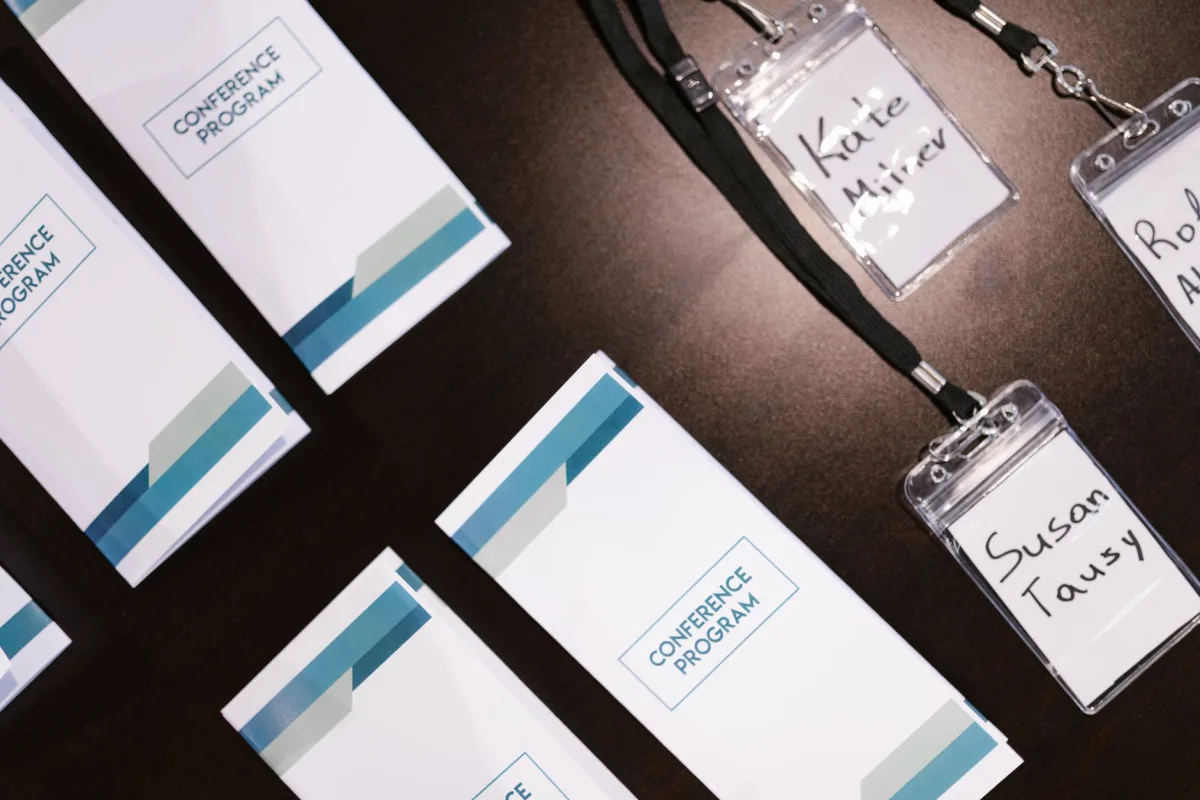
- Registration and delegate management. The attendee's first experience is signing up and checking in. A smooth, professional process sets the tone; a chaotic one undermines everything that follows.
- Audiovisual and technology. Sound, screens, lighting, staging and, increasingly, hybrid streaming for remote attendees. This is where corporate events spend heavily, because it is where they most visibly fail.
- The run of show. A precise, minute-by-minute schedule that keeps sessions on time and transitions invisible. Delegates judge an event partly on whether it respects their time.
- Content and speakers. The substance the audience came for. Even a flawless production fails if the content does not serve the objective or hold attention.
- Branding and experience. Consistent visual identity and thoughtful touches that reinforce the company's message throughout, not just on the welcome banner.
Underneath all of this runs the same planning skeleton that governs any event: objective, budget, venue, suppliers, schedule and contingency. If you want that backbone laid out as an ordered process, our step-by-step event planning checklist is the practical companion, and our overview of the full range of managed events shows where corporate work sits in the wider landscape.
In-house or an agency
A recurring decision in company event management is whether to run events with internal staff or hire a specialist agency, and the honest answer depends on scale and frequency. A small internal team can comfortably handle regular meetings and modest gatherings, and keeping it in-house preserves control and institutional knowledge. But a flagship conference, a high-stakes launch or a large incentive trip often exceeds what a marketing or HR team can absorb on top of their day jobs, and that is when an agency earns its fee through expertise, supplier relationships and sheer bandwidth.
The frequent middle path is a hybrid: an internal owner who holds the objective, the budget and the brand, working with an external agency that supplies the specialist muscle. If you reach the point of hiring, the same diligence that applies to any event supplier applies here, and our guide to choosing an event management company walks through how to compare them, interrogate the details and protect yourself with a clear contract.
Measuring whether it worked
Because a company event is an investment, it should be measured, and this is where corporate work parts company most sharply from social events. You cannot put a number on a wedding, but you can and should put numbers on a conference. What you measure depends on the type of event, but the mindset is constant: define success before the event, then check it afterwards.
- Reach and attendance: how many of the right people showed up, registered or tuned in.
- Engagement: session attendance, app activity, questions asked, time spent, and post-event survey scores.
- Commercial outcomes: qualified leads generated, meetings booked, deals influenced or media coverage earned.
- People outcomes: morale, retention signals and feedback for internal and team events, where the return is human rather than financial.
The discipline of measuring closes the loop and makes the next event better. An honest post-event review, what met the objective, what did not, and why, is the single habit that separates companies whose events keep improving from those that repeat the same expensive mistakes every year.
The bottom line
Company event management is event management pointed at a business goal. Whether it is a conference, a launch, an incentive trip, an awards night or a team-building day, the event exists to change something measurable, and that purpose should drive the budget, the content and the final judgement of whether it worked. Execution is unforgiving, so registration, technology and a tight run of show carry real weight; the in-house or agency decision turns on scale and frequency; and a genuine post-event review is what compounds one good event into a better one next time. Treat the event as a tool with a target, not a party with a logo, and it will earn its place in the budget.
Frequently asked questions
What is company event management?
It is the discipline of planning and running the events a business puts on, such as conferences, product launches, incentive trips, awards nights and team-building days. It applies the same project-management backbone as any event management, but with a crucial difference: a company event exists to serve a measurable business goal rather than simply to look impressive. Its success is judged by whether it moved the business forward, not by how lovely it was.
What are the main types of corporate events?
Much of the industry summarises the core with the acronym MICE: Meetings, Incentives, Conferences and Exhibitions. Around that sit product launches, which introduce something to the market; awards nights and internal celebrations, which recognise people; retreats and offsites; and team-building days, which deliberately improve how a group works together. Each type has a different objective, so knowing which you are running tells you what to optimise for.
Should we manage company events in-house or hire an agency?
It depends on scale and frequency. A small internal team can handle regular meetings and modest gatherings, which keeps control and institutional knowledge in the business. But a flagship conference, a high-stakes launch or a large incentive trip often exceeds what a marketing or HR team can absorb, and that is when a specialist agency earns its fee through expertise, supplier relationships and bandwidth. Many companies use a hybrid: an internal owner working with an external agency.
How do you measure the success of a company event?
Define success before the event, then check it afterwards. Depending on the type, measure reach and attendance, engagement through session activity and survey scores, commercial outcomes such as qualified leads and media coverage, and people outcomes such as morale and retention for internal events. Because a company event is an investment, it should return something measurable, and an honest post-event review of what met the objective and what did not is what makes the next event better.
What is the most important part of running a corporate event?
Execution, because audiences notice failures far more than triumphs. The elements that carry disproportionate weight are smooth registration and check-in, reliable audiovisual and technology, a precise minute-by-minute run of show, content and speakers that serve the objective, and consistent branding throughout. A conference with a brilliant speaker and a broken microphone is remembered for the microphone, which is why corporate events invest heavily in the technical production.