Event Management Events: The Complete Guide
The families of managed events, from weddings to conferences to festivals, what each one demands, and the planning backbone they all share.
"Event management events" sounds like a tongue twister, but the question behind it is a good one: what kinds of events do event managers actually handle, and what does each one really involve? The answer is broader than most people imagine. The same core discipline that runs a wedding also runs a product launch, a music festival and a global conference, yet each category has its own logic, its own pressures and its own definition of success. This guide maps the main types of managed events, explains what makes each one distinct, and shows the common backbone of planning that runs underneath them all, so you can see where your own event fits and what it demands.
The short version
- Managed events fall into a few broad families: social, corporate, cultural, and large public events.
- Each type has its own goal: a wedding sells emotion, a conference sells knowledge, a launch sells a product.
- The planning backbone is shared, even though the surface details differ enormously.
- Complexity, not glamour, drives cost: guest numbers, logistics and risk are what really scale the work.
What counts as a managed event
At its simplest, an event is a planned occasion that gathers people for a purpose, and event management is the discipline of creating and running that occasion. The field is genuinely vast, spanning everything from an intimate dinner to a stadium concert, and professionals usually specialise by category because the skills, suppliers and regulations differ so much between them. A florist-heavy wedding and a heavily ticketed festival share a planning method but almost nothing else.
It helps to sort the field into families rather than an endless list. Most managed events fall into social and personal occasions, corporate and business events, cultural and community gatherings, and large-scale public events. The families overlap at the edges, a corporate gala is both business and social, but the grouping is a useful map for understanding what any given event will demand of whoever runs it.
Social events
Weddings, anniversaries, birthdays and private parties. The currency is emotion and hospitality, and the guest experience is deeply personal.
Corporate events
Conferences, launches, meetings and incentives. The currency is a business outcome: knowledge shared, a product sold, a team motivated.
Cultural and community events
Festivals, fairs, religious gatherings and civic celebrations. The currency is shared identity, often at large scale and low ticket price.
Public and fundraising events
Concerts, sporting events, galas and charity drives. The currency is reach, revenue or a cause, usually with heavy logistics and public safety at stake.
Social events: weddings and personal celebrations
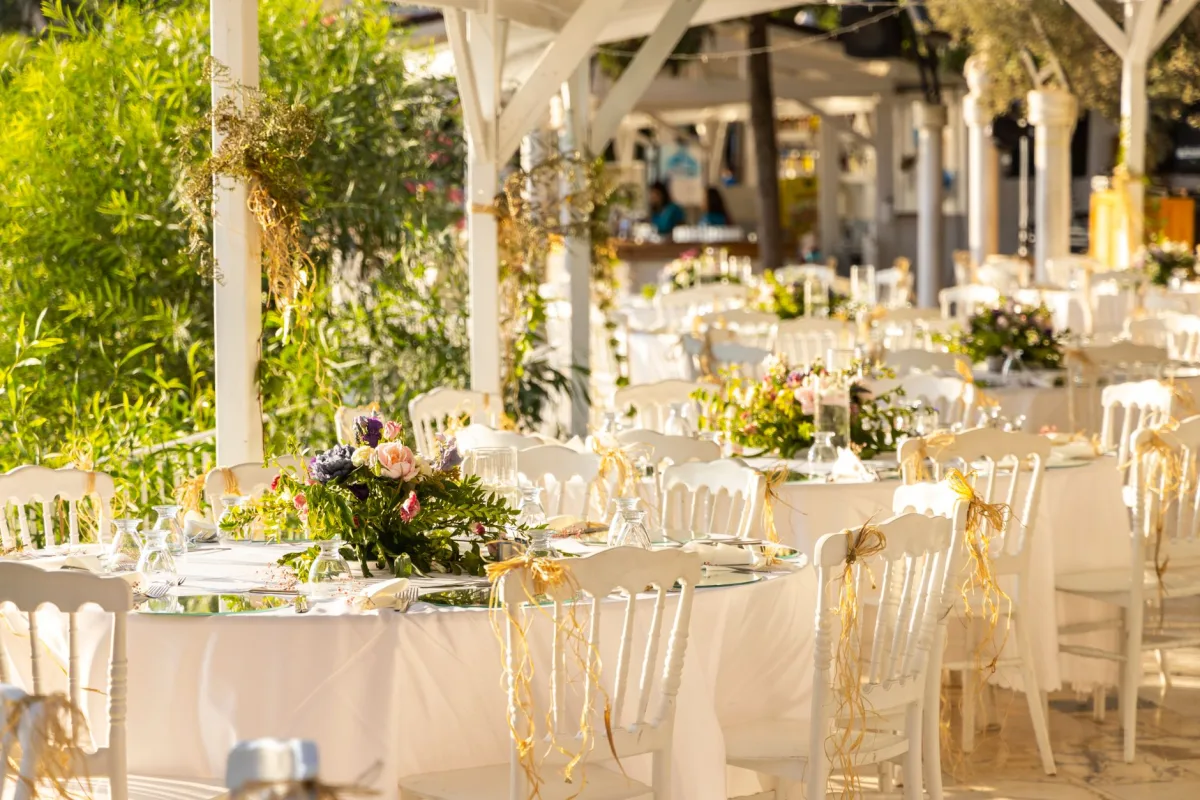


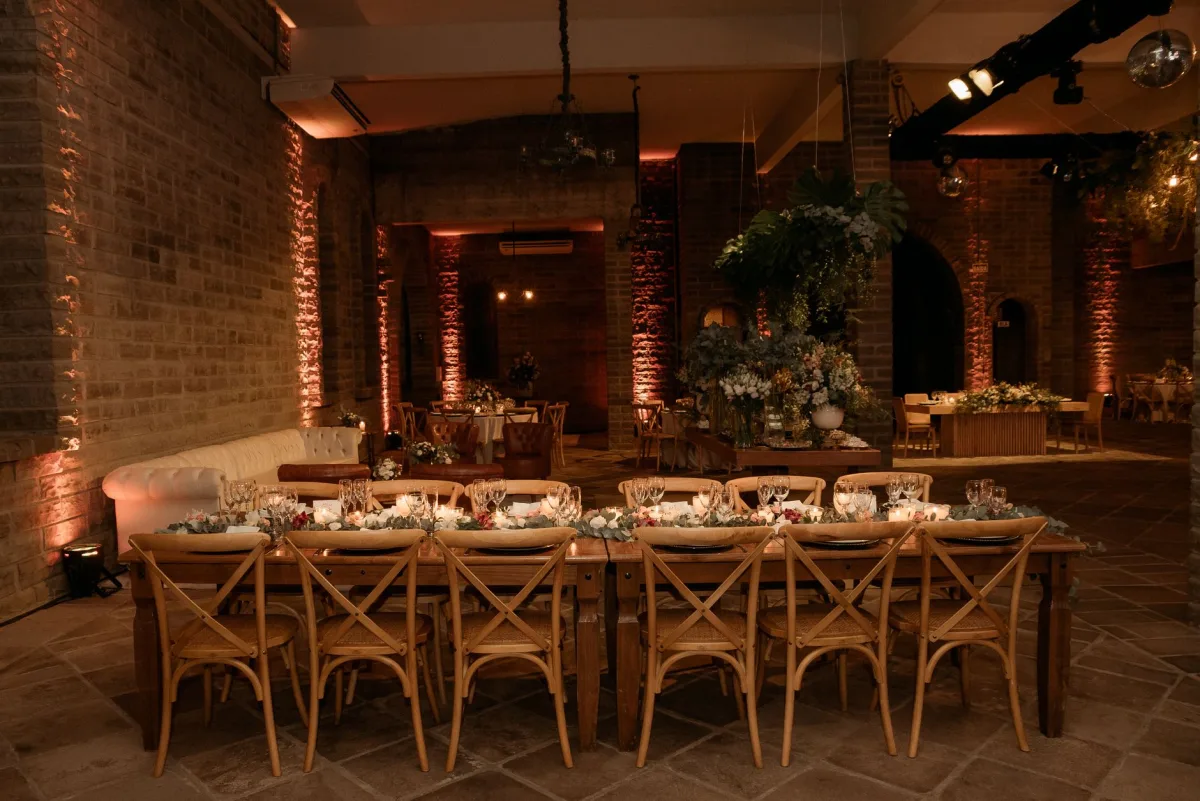
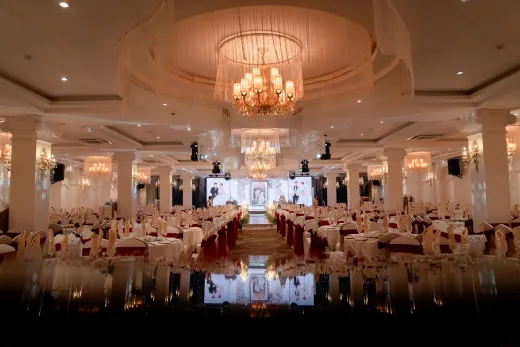
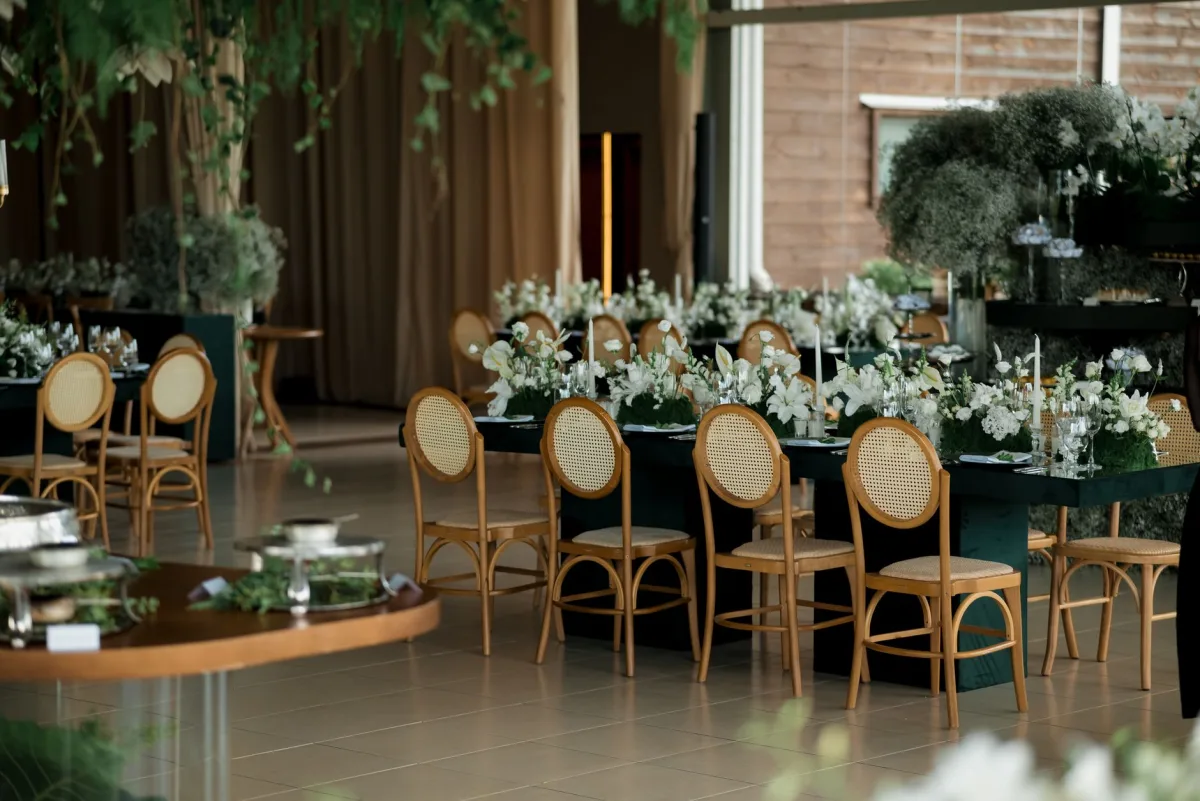
Social events are the ones most people encounter first, and the wedding is their most demanding example. What makes a wedding uniquely difficult is not its size, since many are modest, but its emotional stakes and its intolerance of mistakes. There is no second take. Family dynamics, cultural rituals, a very personal aesthetic and a client who is living one of the biggest days of their life all compress into a single non-repeatable occasion, which is why wedding specialists are their own breed of event manager.
The wider social category, anniversaries, milestone birthdays, engagement parties, retirement dinners, shares the same emotional logic on a smaller scale. Success is measured in how the guests felt, not in a spreadsheet. For the wedding end of this family specifically, our guide to wedding management goes deep on the discipline, and the wedding planning checklist tracks the hundreds of small tasks that a personal celebration quietly generates.
Corporate events: where business meets logistics
Corporate events swap emotion for outcome. The industry even has an acronym for its core categories, MICE, which stands for Meetings, Incentives, Conferences and Exhibitions, and it captures most of what companies pay to have organised. A conference has to transfer knowledge to hundreds of delegates on a strict schedule; an exhibition has to give exhibitors a return on an expensive stand; an incentive trip has to reward and motivate staff; a product launch has to create a memorable moment that moves a market.
What unites them is measurability. A corporate event is judged against a business objective, so the planning is heavy on audiovisual technology, timing, registration, branding and, increasingly, data on who attended and what they did. The emotional flourishes of a wedding matter far less than whether the microphones worked and the delegates left informed. Because this family is so distinct, we cover it separately in our guide to company event management, which is worth reading if your event is a corporate one.
Cultural, community and large public events
At the largest end sit cultural and public events, and here the defining feature is scale and the crowd. A festival is a celebration, often religious or seasonal in origin, that can gather anywhere from a village square to a field of a hundred thousand people. Once numbers reach that level, the job changes character. The dominant concerns become crowd flow, security, sanitation, licensing, emergency planning and the genuine safety of large numbers of strangers, all governed by regulation.
Concerts, sporting events, public celebrations and large charity galas share this DNA. The creative programming still matters, but it sits on top of an enormous logistical and safety operation that the audience, ideally, never notices. This is where dedicated crowd and safety disciplines come in, and our guide to crowd management services explains the specialist work that keeps big public events safe.
The planning backbone every event shares
Beneath their obvious differences, every managed event runs on the same underlying process, and recognising it is what lets a good planner move between categories. The surface changes; the skeleton does not.
- Objective and brief. Every event starts with a purpose, whether that is "marry these two people beautifully" or "launch this product to two hundred journalists". The purpose drives every later decision.
- Budget and resources. What money, time and people are available. This constraint shapes what is genuinely possible more than any creative ambition.
- Venue and logistics. Where it happens and how everything and everyone gets there, in and out, safely and on time.
- Suppliers and production. Catering, technical, decor, entertainment and staff, coordinated so the pieces arrive in the right order.
- The run sheet. A minute-by-minute schedule for the day itself, the document that turns a plan into a running event.
- Contingency and review. A plan for what could go wrong, and afterwards, an honest look at what worked. Professionals never skip either.
For a practical, ordered walk through this backbone applied to a real occasion, our step-by-step event planning checklist turns the theory into a sequence you can actually follow.
What really drives the difficulty
A common misconception is that glamour drives cost and effort, that a lavish wedding is harder to run than a plain conference. In reality the drivers are guest numbers, logistical complexity and risk. A thousand-person festival on a muddy field is a far larger operation than an exquisite fifty-guest dinner, however humble the festival food. When you are budgeting or hiring for an event, it pays to think honestly about those three levers rather than about how impressive the result will look.
This is also why choosing the right kind of specialist matters. A brilliant wedding planner is not automatically the right person to run a trade exhibition, and vice versa. Match the manager to the family of event, and if you are at the stage of hiring, our guide to choosing an event management company walks through how to compare them properly.
The takeaway
Event management events span a huge range, from a whispered wedding vow to a roaring festival crowd, but they organise neatly into families: social, corporate, cultural and large public events. Each family measures success differently, emotion for a wedding, outcome for a conference, reach and safety for a festival, and each demands a slightly different specialist. Underneath them all runs one shared planning backbone, and the real difficulty is set less by glamour than by guest numbers, logistics and risk. Understand which family your event belongs to, and you will know exactly what it will ask of you and of whoever you hire to run it.
Frequently asked questions
What types of events do event managers handle?
They handle a very wide range, usually grouped into families: social and personal events such as weddings, anniversaries and parties; corporate and business events such as conferences, product launches, meetings and exhibitions; cultural and community events such as festivals and civic celebrations; and large public events such as concerts, sporting events and charity galas. Most professionals specialise by category, because the skills, suppliers and regulations differ significantly between them.
What does MICE mean in event management?
MICE stands for Meetings, Incentives, Conferences and Exhibitions, and it describes the core categories of corporate event work. A meeting brings people together to decide or align; an incentive rewards and motivates staff, often through a trip; a conference transfers knowledge to many delegates on a schedule; and an exhibition gives exhibitors a platform and a return. What unites them is that each is judged against a measurable business objective.
What is the difference between a social event and a corporate event?
The core difference is what they are trying to achieve. A social event such as a wedding or anniversary trades in emotion and hospitality, and its success is measured by how the guests felt. A corporate event trades in a business outcome such as knowledge shared, a product sold or a team motivated, and its success is measured against that objective. As a result, corporate events lean heavily on technology, timing and data, while social events lean on personal atmosphere and ritual.
What makes a large public event harder to manage?
Scale and the crowd. Once an event gathers thousands of strangers, the dominant concerns shift to crowd flow, security, sanitation, licensing, emergency planning and public safety, all heavily regulated. The creative programming still matters but sits on top of a large logistical and safety operation. This is why big festivals, concerts and sporting events use dedicated crowd management specialists, and why guest numbers and risk, rather than glamour, drive the real difficulty.
Do all events follow the same planning process?
Broadly yes. Beneath their differences, managed events share a backbone: define the objective and brief, set the budget and resources, choose the venue and logistics, book and coordinate suppliers, build a minute-by-minute run sheet for the day, and plan for contingencies before reviewing afterwards. The surface details change enormously between a wedding and a conference, but this underlying sequence is what lets a skilled planner move between different types of event.