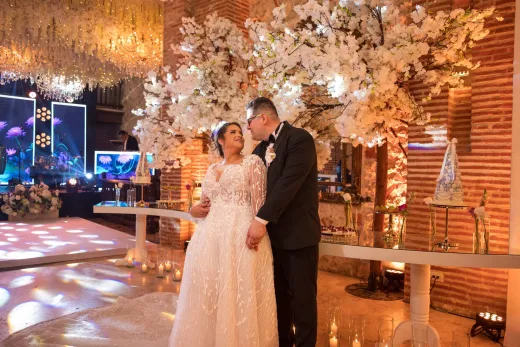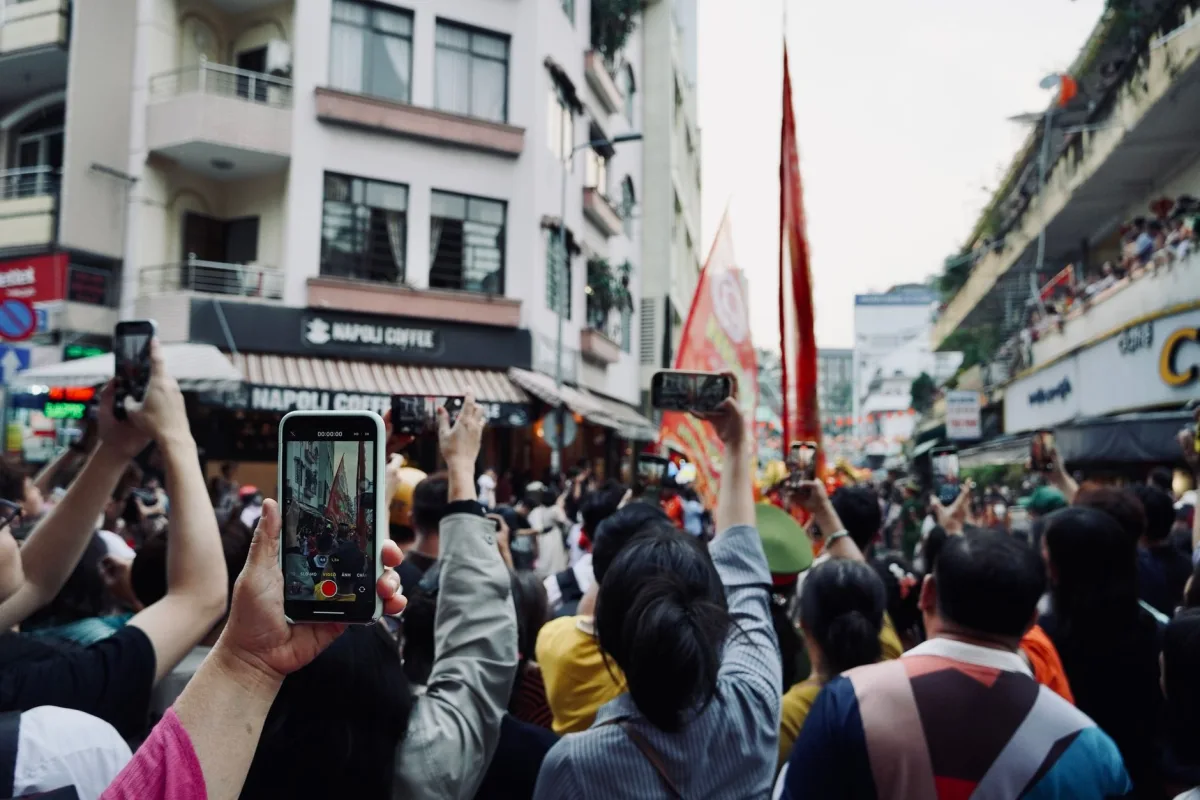
Crowd Management Services: The Complete Guide
What these services actually do, how management differs from control, and how to judge and hire a provider for a large celebration.
Crowd management services are the people and plans that keep a large gathering safe, orderly and pleasant to be part of. At a wedding of four hundred guests, a festival, or a corporate gala, someone has to think about how people arrive, where they flow, what happens if it rains, and who steps in when a queue turns into a crush. This guide explains what these services actually do, how crowd management differs from simple security, and how to judge and hire a provider for your own event, so the day feels effortless to guests precisely because someone planned it not to be.
The short version
- Crowd management is proactive, not reactive: it designs safe flow before problems start, rather than only responding once they do.
- It is broader than security. Guarding is one tool; layout, signage, staffing ratios and timing matter just as much.
- It scales with the event. A 500-guest wedding needs a real plan; a small dinner does not.
- Choose on planning, not muscle. The best providers show you a written plan, licences and references, not just a headcount of staff.
What crowd management services actually are
A crowd management service is a team that plans and oversees how large numbers of people move through and occupy a space safely. Crowd management is concerned with the systematic planning for, and supervision of, the orderly movement and assembly of people. That word "planning" is the heart of it. Good crowd management is largely invisible on the day, because its whole purpose is to prevent the bottlenecks, confusion and dangerous density that make a gathering feel chaotic or unsafe in the first place.
The services usually bundle several roles together: designing entry and exit routes, setting safe capacity, positioning staff, managing queues, guiding parking and arrivals, and holding a plan for emergencies. On a wedding day that might mean smoothly moving guests from ceremony to reception, keeping a doorway from clogging during the grand entrance, and quietly steering an elderly relative to a seat rather than letting them navigate a scrum. The scale is different from a festival, but the thinking is the same.
Crowd management is not the same as crowd control

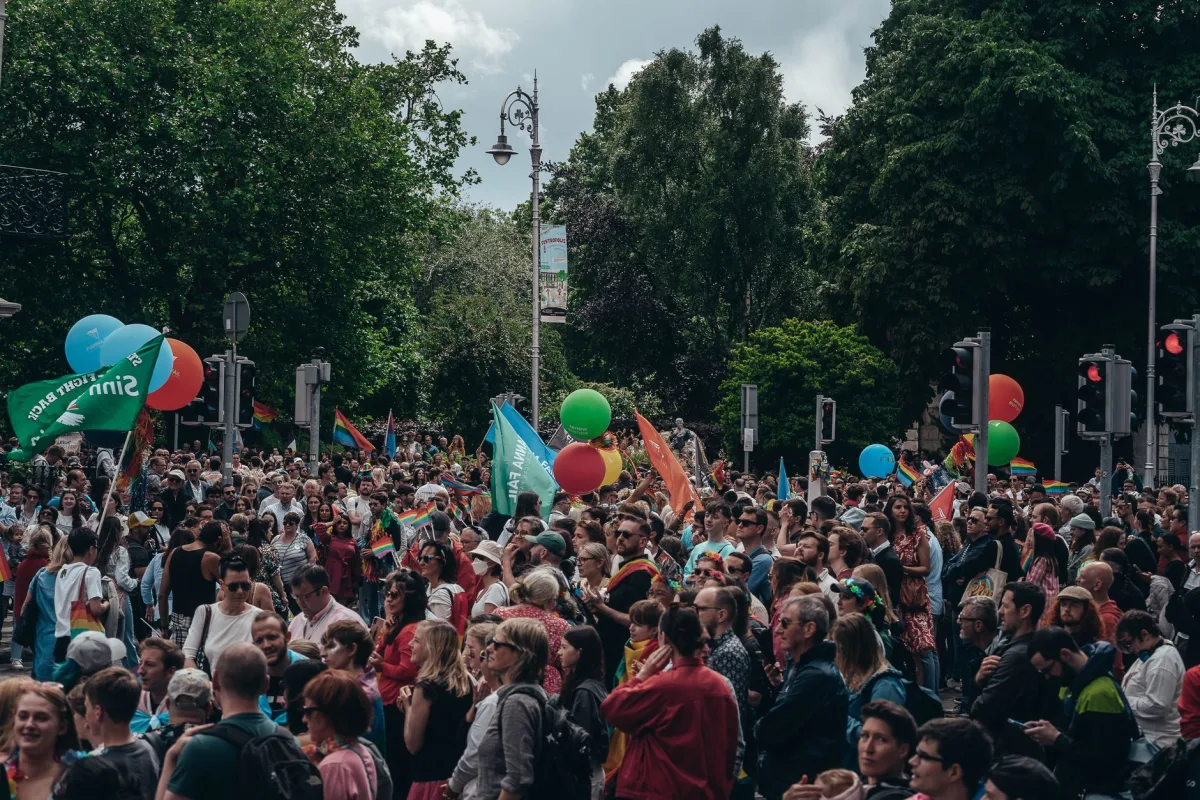
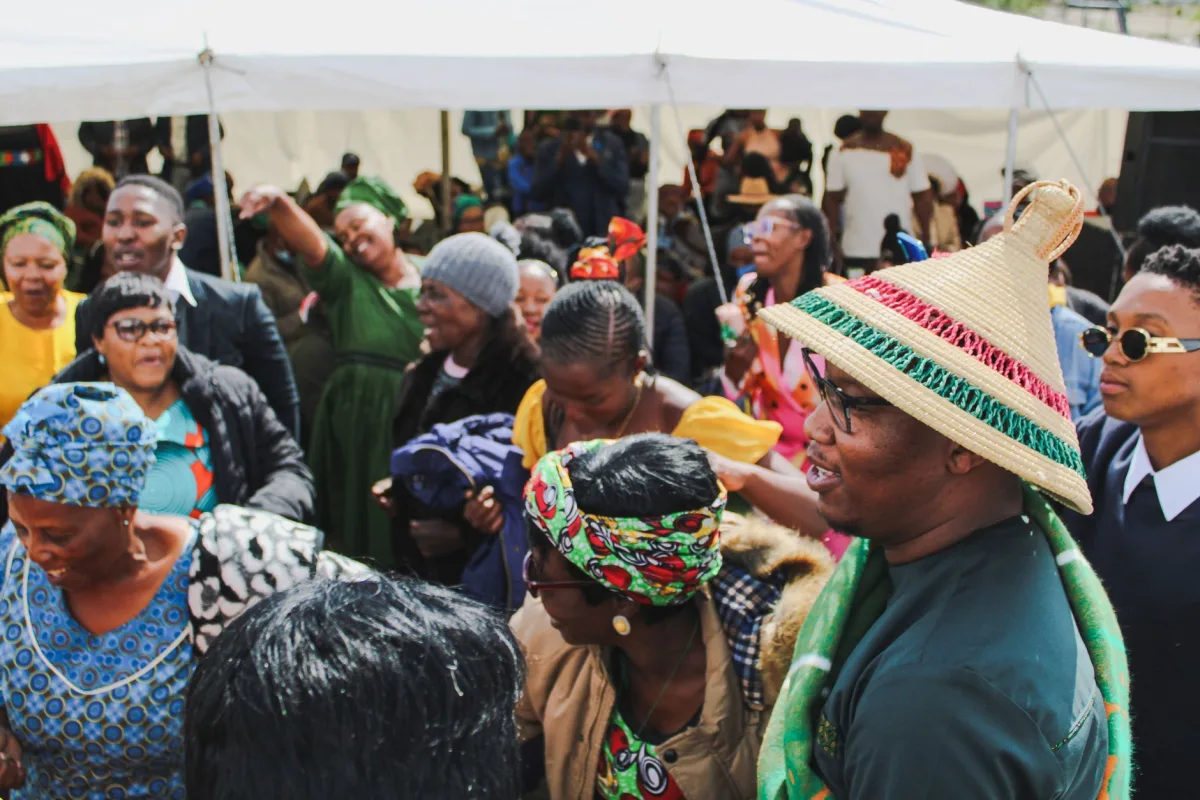

The two phrases get used interchangeably, but they point at different mindsets, and understanding the difference tells you a lot about the quality of a provider. Crowd control refers to the practices used to manage and restrict crowd behaviour, often once a crowd is already dense or agitated. It is more reactive and, at the extreme, more physical. Crowd management, by contrast, is the upstream discipline: shaping the environment and the schedule so that a crowd never reaches the point where control is needed.
A useful test when hiring: does the provider talk mostly about their staff intervening, or mostly about how they will design the day so intervention is rarely required? A team that leads with layout, timing, signage and capacity is thinking like crowd managers. A team that leads only with the number of guards it will supply is offering something narrower. For most celebrations you want the former, with the latter available as a backstop.
The core services, defined
Providers package their work in different ways, but the underlying functions are consistent. Knowing the vocabulary helps you read a quotation and ask sharper questions.
Flow and layout planning
Mapping how people enter, move, gather and leave, so routes do not cross awkwardly and no doorway becomes a pinch point. The single most valuable part of the service.
Capacity and density
Setting how many people a space safely holds, and monitoring it so an area never becomes dangerously packed. Grounded in the venue's limits, not guesswork.
Wayfinding and signage
Clear signs and stationed staff so guests know where to go without being told twice. Good wayfinding removes most confusion before it starts.
Arrivals and parking
Managing the entrance, drop-off, valet and car park so the first and last impressions of the event are calm rather than gridlocked.
Stewarding and security
Trained stewards to assist, direct and reassure, with licensed security where a venue or guest list calls for it. Assistance first, enforcement rarely.
Emergency planning
A written plan for evacuation, medical incidents and severe weather, agreed with the venue in advance. The part you hope never to use and must always have.
Why weddings and large events need it
Not every celebration needs a crowd management service, and it is worth being honest about the threshold. A fifty-guest dinner does not. But once a guest count climbs into the hundreds, or a venue has tricky access, multiple levels, or a single narrow entrance, the number of things that can quietly go wrong multiplies. Large South Asian weddings in particular can run to several hundred or more than a thousand guests across a multi-day celebration, and at that scale, movement stops being something that manages itself.
The value is easiest to see in the moments that would otherwise sour a day: a hundred cars arriving in the same ten minutes, a receiving line that blocks the only route to the dining hall, or a sudden downpour that sends an outdoor crowd rushing for one covered doorway. A crowd management team has already war-gamed these. They are part of the wider machinery of event management, and they slot alongside the rest of your suppliers. If you are still assembling that wider team, our guide to event management companies covers how the pieces fit together.
How to choose a crowd management provider
Hiring well is mostly about looking past the sales pitch to the substance underneath. The providers worth your money can show you thinking, credentials and a track record, not just a promise of bodies on the day. Work through the checklist below before you sign anything.
A written plan
Ask for a site-specific plan after a walk-through: routes, capacities, staffing positions and an emergency procedure. A provider who cannot produce one is guessing.
Licences and insurance
Where security staff are used, they should be properly licensed for your jurisdiction, and the company should carry public liability insurance. Ask to see both.
Relevant references
References for events like yours in size and type. A firm that runs football crowds may not be the right fit for a family wedding, and vice versa.
Sensible staffing ratios
They should justify their headcount against your numbers and layout, not pluck a figure from the air. Too few is unsafe; too many is money wasted.
Venue coordination
Good providers speak directly to your venue about its capacity limits, exits and existing procedures, rather than working in isolation from it.
The right tone
For a celebration you want stewards who are warm and guest-facing, not heavy-handed. Ask how they train staff to assist rather than confront.
A few warning signs are worth naming plainly. Be cautious of any provider who will not visit the venue before quoting, who cannot or will not put a plan in writing, who dodges questions about licensing and insurance, or whose only answer to every worry is "we will add more staff." Numbers without a plan are not management. The best firms coordinate closely with your other suppliers, which is why crowd management sits naturally within broader wedding management and is often arranged through your wedding organiser rather than hired in a vacuum.
Working it into your plan
Crowd management is most effective when it is designed in early, not bolted on late. Bring it into the conversation as soon as you have a venue and a rough guest count, because those two facts drive everything the provider will plan around. If your celebration is large enough to warrant a service, slot it into your overall timeline alongside catering and staging rather than treating it as an afterthought a fortnight before. Our step-by-step event planning checklist shows where it naturally lands in the wider sequence, and your choice of banquet hall will shape a great deal of the flow the team has to work with.
The bottom line
Crowd management services exist so that a big gathering feels easy from the inside. They plan how people arrive, move, gather and leave, set safe limits, and hold a calm plan for the moments that could otherwise turn a wonderful day tense. The distinction that matters most is between management, which prevents problems by design, and control, which reacts to them once they arise: for a celebration, you want a team built around the first. Judge providers on their written plans, their credentials and their references rather than on headcount alone, bring them in early, and the crowds at your event will feel less like a crowd and more like a gathering of the people you love.
Frequently asked questions
What do crowd management services do?
Crowd management services plan and oversee how large numbers of people move through and occupy a space safely. That includes designing entry and exit routes, setting and monitoring safe capacity, managing queues, guiding arrivals and parking, positioning stewards and security, and holding an emergency plan for evacuation, medical incidents or bad weather. The aim is proactive: to shape the event so that dangerous crowding and confusion never develop, rather than only reacting once they do.
What is the difference between crowd management and crowd control?
Crowd management is the proactive discipline of planning for orderly movement and assembly, shaping the layout, timing and staffing so a crowd stays safe and comfortable. Crowd control refers to the more reactive practices used to manage or restrict a crowd that is already dense or agitated, and can be more physical. Management happens upstream and prevents problems; control happens downstream and responds to them. For a celebration you primarily want management, with control available only as a backstop.
Does my wedding need a crowd management service?
It depends on scale and venue. A small wedding of a few dozen guests does not need one. But once your guest count runs into the hundreds, or your venue has difficult access, multiple levels or a single narrow entrance, a crowd management service becomes genuinely valuable. Large multi-day weddings with several hundred or more guests almost always benefit. If you are unsure, ask your venue and your organiser whether the numbers and layout warrant a dedicated plan.
How do I choose a good crowd management provider?
Look for a provider who will visit your venue and then give you a written, site-specific plan covering routes, capacities, staffing and emergencies. Check that any security staff are properly licensed and that the company carries public liability insurance. Ask for references from events similar to yours in size and type, expect them to justify their staffing numbers, and confirm they will coordinate directly with your venue. Avoid anyone who will not put a plan in writing or whose only answer is more staff.
Is crowd management just security by another name?
No. Security, in the sense of guarding and enforcement, is only one tool within crowd management. The larger part of the work is planning: layout and flow design, capacity setting, wayfinding, arrivals and parking, and emergency procedures. A good crowd management team aims to make the environment and schedule so well designed that heavy security intervention is rarely needed. Judging a provider only by how many guards it supplies misses most of what actually keeps an event safe.