Engagement Gown for Bride: The Complete Guide
Reading the occasion, choosing a flattering silhouette, playing with colour and budgeting well for a bride-to-be's engagement outfit.
The engagement is the first time a bride steps into the spotlight as a bride-to-be, and the gown she wears sets the tone for everything that follows. It is a happy, slightly lower-stakes rehearsal for the wedding outfit itself: a chance to look beautiful and photograph well without the full weight of the wedding day. This guide walks through how to choose an engagement gown that suits the occasion, your culture, your body and your budget, so the decision feels joyful rather than overwhelming.
The short version
- Match the gown to the event. A small home engagement and a grand hall call for very different formality.
- Silhouette first, details second. Choosing the shape that flatters you narrows every other decision.
- Keep it distinct from your wedding look. The engagement gown should complement, not upstage, the main day.
- Comfort and fit decide the photos. A gown you can move and breathe in always looks better than one you cannot.
What an engagement gown is for
An engagement is the period of betrothal after a proposal is accepted and before the wedding, and in many cultures it is marked with its own celebration, from an intimate family gathering to a party as large as some weddings. The engagement gown is simply the outfit the bride-to-be wears for that occasion. Its job is to make her feel beautiful and confident on a day that is about promise and anticipation.
Because it is not the wedding dress, an engagement gown carries a little more freedom. There is room to experiment with a colour or a silhouette you might not choose for the ceremony itself, and to enjoy the dressing-up without every eye trained on tradition. The best approach is to treat it as its own event with its own character, related to the wedding but not a copy of it.
Reading the occasion first
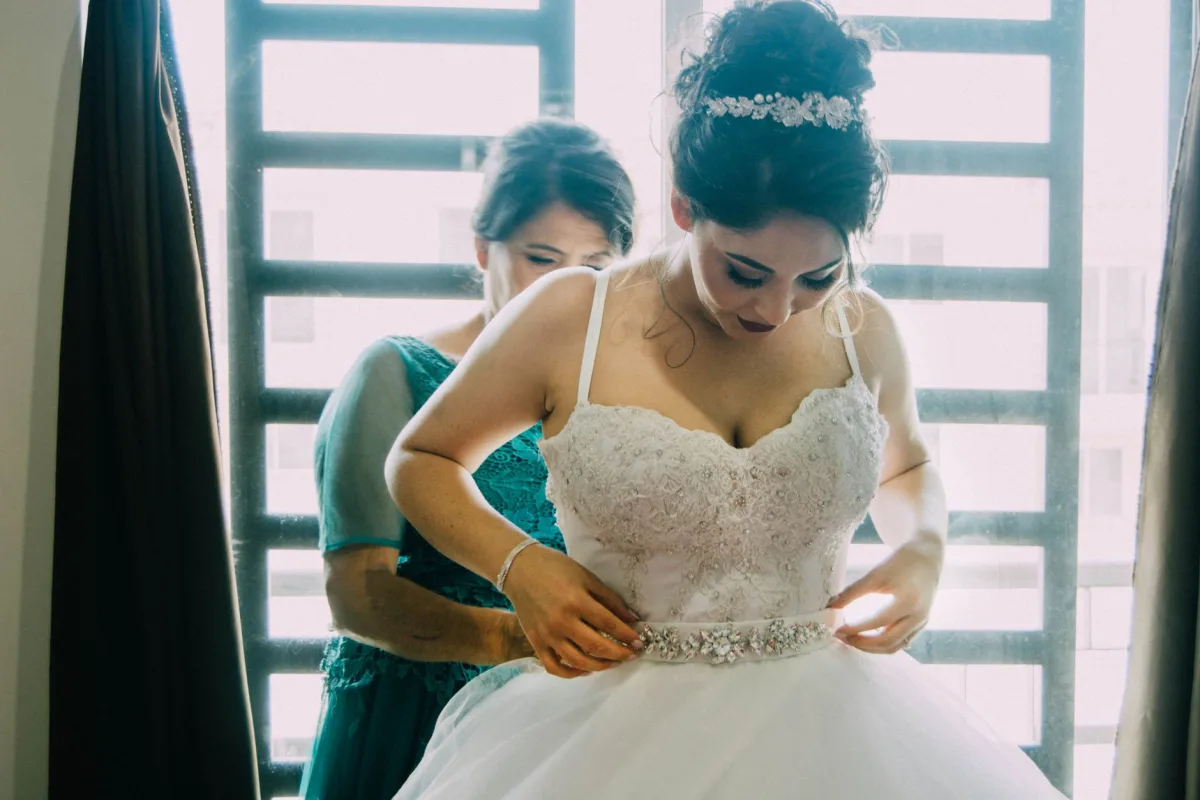
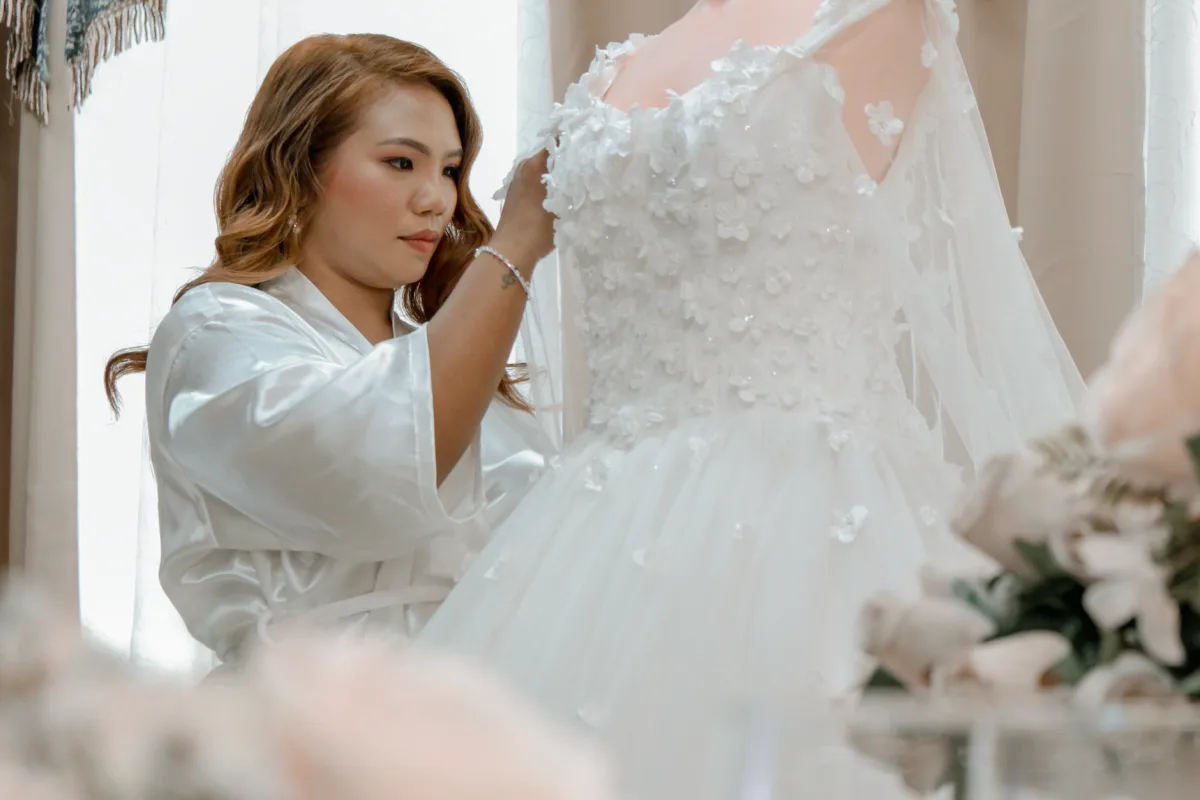
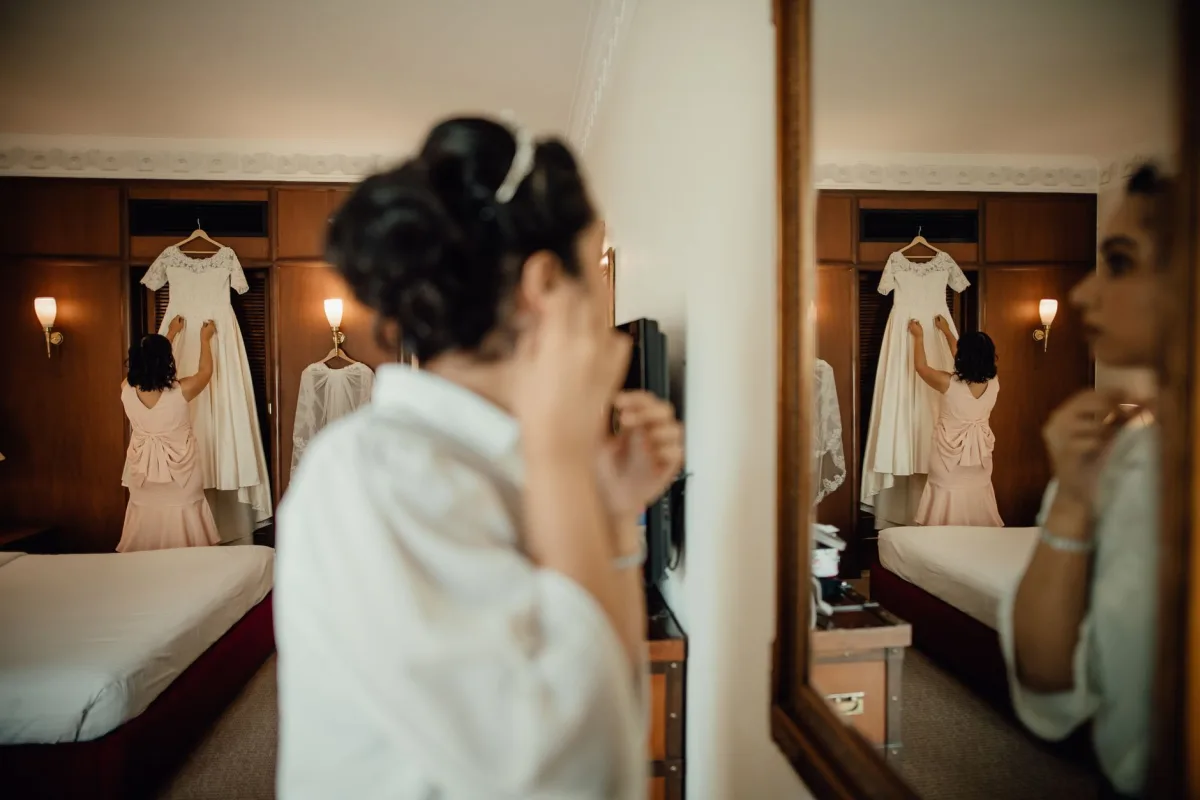
Before you look at a single gown, look at the event. The formality, size and setting of your engagement do more to guide the right outfit than any trend. An engagement can range from a quiet ring exchange at home to a lavish reception, and each end of that spectrum asks for something different.
Intimate or at home
A small family gathering suits a softer, more relaxed gown or an elegant cocktail-length dress. Ease and warmth matter more than grandeur.
Formal reception
A large hall or hotel event invites a floor-length gown with more structure, embellishment or a fuller skirt to hold the room.
Cultural ceremony
Where the engagement is a defined ritual, tradition often guides colour and style, from a lehenga or saree to a richly embroidered gown.
Photo-led shoot
If the day is built around a photographer, choose fabrics and colours that read well on camera and allow easy movement between poses.
When in doubt, aim to be at or very slightly above the formality of the event rather than below it. It is always more comfortable to be the best-dressed person in a room that expected it than to feel underdressed at your own celebration.
Choosing a silhouette that flatters
Silhouette, the overall shape of the gown, is the decision that shapes all the others, and it is where the heritage of the wedding dress is most useful, since engagement gowns borrow freely from bridal shapes. Choosing a silhouette that genuinely suits your body will make you feel more confident than any amount of embellishment.
- A-line. Fitted through the bodice and gently widening to the hem. Universally flattering and comfortable, which is why it is the most popular choice.
- Ball gown. A fitted bodice with a full, dramatic skirt. The ball gown makes the grandest statement and suits a formal reception.
- Mermaid or fishtail. Fitted through the body and flaring below the knee. Striking and glamorous, though it limits how freely you can move and sit.
- Sheath or column. A slim, straight line that skims the body. Modern and elegant, ideal for a smaller or more contemporary engagement.
- Cocktail length. A shorter hem for a relaxed, playful look that works beautifully for intimate gatherings and warm climates.
Try several shapes on before you fall in love with one from a photograph. Gowns behave very differently on a real body than on a model, and the silhouette that surprises you is often the one you end up choosing.
Colour, culture and personal style
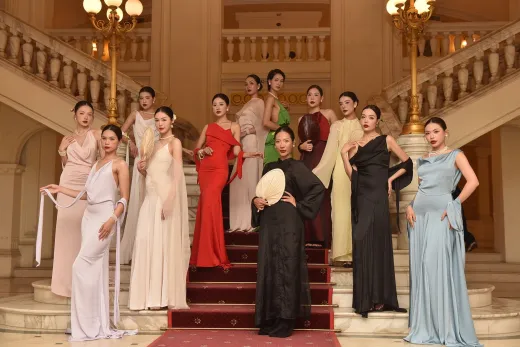
Engagement gowns are not bound by the white convention of the Western wedding dress, which makes colour one of the most enjoyable choices. Soft pastels such as blush, champagne and dusty rose are perennially popular for their romance and photograph beautifully. Jewel tones like emerald, burgundy and deep blue read as rich and elegant, and in many South Asian and Middle Eastern traditions bold reds, golds and vivid hues are the natural, auspicious choice for an engagement.
Let three things guide the colour: your culture and any expectations that come with it, your complexion, and the season and setting. A shade that glows in autumn light can feel heavy at a summer garden party. If your engagement is a formal cultural ceremony, our broader guide to bridal attire puts the outfit in the context of the whole celebration, and if you are also advising guests on what to wear, our guide to wedding guest gowns explains the dress-code ladder your invitation is quietly setting.
Fit, comfort and the practical details
The most photogenic gown in the world fails if you cannot move, sit or breathe in it. Engagements often run for hours and involve a lot of standing, greeting and, sometimes, dancing, so comfort is not a compromise; it is part of looking good. Choose a gown you can actually live in for the length of the event.
A few practical rules save a lot of grief. Allow enough time for alterations, because almost no gown fits perfectly off the rack and a good tailor is the difference between a dress and your dress. Consider the fabric against your climate, since heavy embroidery is glorious in winter and punishing in summer heat. Choose shoes you can stand in for hours and break them in beforehand. And think about the practicalities of the day, such as whether you can sit for the ring exchange or lift your arms for embraces, before you commit. Comfort tested in the fitting room is comfort you will still have hours into the party.
Budget and where to spend
Engagement gowns span an enormous range, and it helps to decide your budget before you shop rather than after you fall for something. As a broad orientation, a simple ready-to-wear gown might be modest, a boutique or lightly customised piece sits in the middle, and a designer or heavily embellished couture gown runs to many times that. There is a beautiful option at every level, so the real skill is matching the spend to the occasion.
Remember that the engagement is usually the smaller of the two events, so many brides sensibly spend less here and save the larger budget for the wedding outfit. Renting a gown, buying off the rack and altering it well, or re-styling a family piece are all respectable ways to look wonderful for less. Wherever you land, confirm the full cost including alterations before you commit, and treat the gown as one line in a wider plan rather than a decision made in isolation.
The bottom line
The right engagement gown is the one that suits the occasion, honours your culture, flatters your body and lets you enjoy the day in comfort. Read the event before you shop, choose the silhouette first, have fun with colour since white is not required, keep the look distinct from your wedding dress, and never let the photographs tempt you into something you cannot move in. Get those right and the gown does exactly what it should: it lets you step into this new chapter feeling completely, confidently yourself.
Frequently asked questions
Should an engagement gown be different from the wedding dress?
Yes, ideally. The engagement gown should complement your wedding look rather than copy or upstage it. Many brides use the engagement to enjoy a colour or silhouette they would not choose for the ceremony, saving the white gown or the grandest outfit for the wedding day itself. Keeping the two distinct means each occasion feels special in its own right.
Does an engagement gown have to be white?
Not at all. Unlike the Western wedding dress, an engagement gown is not bound by any colour convention. Pastels such as blush and champagne, rich jewel tones, and, in many South Asian and Middle Eastern traditions, bold reds and golds are all popular and appropriate. Choose a colour that suits your culture, your complexion and the season rather than defaulting to white.
How much should I spend on an engagement gown?
It depends entirely on the formality of your engagement and your overall wedding budget. Since the engagement is usually the smaller event, many brides spend less here and reserve the larger budget for the wedding outfit. Simple ready-to-wear gowns are modest, boutique pieces sit in the middle, and designer or couture gowns cost many times more. Renting or altering an off-the-rack gown are good ways to look wonderful for less. Always confirm the total cost including alterations.
Which gown silhouette is most flattering?
The A-line is the most universally flattering and comfortable, which is why it is so popular, but the best silhouette is the one that suits your body and the formality of the event. Ball gowns make the grandest statement, sheath and column shapes read modern and elegant, and cocktail length suits relaxed gatherings. Try several shapes on in person, because gowns behave very differently on a real body than in a photograph.
How far in advance should I choose my engagement gown?
Give yourself enough time for alterations, and more if the gown is being custom-made or ordered, since these can take weeks or months. Even a ready-to-wear gown usually needs tailoring to fit perfectly, so avoid leaving it to the last moment. Choosing a few weeks ahead at minimum lets you handle fittings, shoes and any accessories without a rush.