Event Companies Near Me: How to Choose the Right One (2026 Local Guide)
Company versus solo planner, why local roots are a real advantage, where to look beyond the ads, the criteria and questions that reveal a capable firm, and what event companies cost near you in 2026.
Searching "event companies near me" usually means you have moved past the dreaming stage and into the hiring one. You want a firm, not just an individual, a team with a supplier network and the scale to run something sizeable, and you want it close enough to know your area. This 2026 guide helps you turn a map full of results into a confident booking. It covers why a local company beats a distant one, how to tell an agency apart from a solo planner, where to look beyond the ads, the criteria that reveal real competence, the questions that expose the pretenders, and the price bands to expect this year.
The short version
- An event company brings a team and a network, which matters for larger or more complex events.
- Local roots are the advantage: known venues, trusted vendors, permits and on-the-ground presence.
- Compare like for like: a solo planner and a full agency are different products at different prices.
- Verify before you sign: portfolio, references, insurance, a written contract and a named on-site lead.
What an event company is, and how it differs from a solo planner
An event company is a business that plans and runs events, applying event management as a professional discipline: designing the concept, sourcing suppliers, building the timeline and directing the day. What distinguishes a company from an individual planner is usually scale. A company tends to have a team, so several events can run at once and there is cover if someone falls ill; a standing network of vetted vendors; and often the production capacity, staging, sound and lighting, that larger events demand. A solo planner offers closer personal attention, which can be perfect for an intimate celebration but stretched thin for a big, complex one.
Neither is better in the abstract, and the right answer depends on your event. If yours is a wedding specifically, weigh whether you want a dedicated wedding planner or a broader firm, and read our guide to event companies for the full landscape before you shortlist anyone.
Why "near me" is a genuine advantage
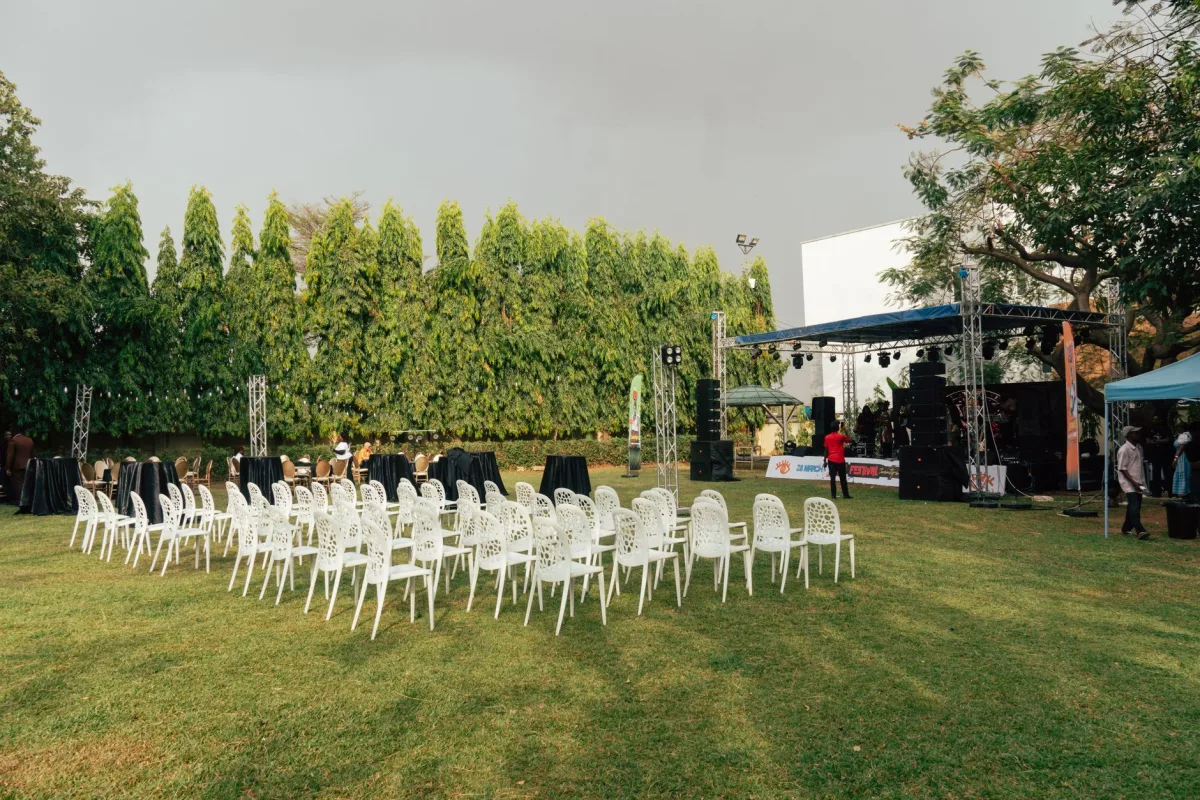


Event work is intensely local, which is why the "near me" search makes sense rather than being a mere convenience. A company rooted in your area already knows which venues suit your numbers, which local caterers and florists are reliable, which permits your council requires and how far ahead, and how the logistics of your specific city behave on a busy weekend. That is knowledge no out-of-town firm can match without months of catching up. Being nearby also makes site visits, tastings and planning meetings simple, and means the team can be physically present in the final week when small problems tend to surface.
A local company's supplier relationships are worth singling out. Because it books the same trusted vendors repeatedly, coordination is smoother and pricing is sometimes better than you could negotiate alone. Just ask whether you are free to bring your own vendors too, so a preferred list never becomes a cage.
Where to look beyond the first page
Search results mix paid placement with genuine quality, so treat page one as a start, not a verdict. Widen your net toward the sources that are hardest to game.
- Referrals from recent local events. Someone who ran a similar occasion nearby is the strongest source. Ask what went wrong and how the company handled it.
- Venue preferred-supplier lists. Venues see event companies work week after week and know who is reliable, though check whether recommendations carry referral fees.
- Reviews across multiple platforms. Look for a consistent pattern over time, and read the lukewarm reviews most closely of all.
- Local directories and community groups. These surface companies genuinely active and reputable in your specific area rather than nationally.
The criteria that reveal a capable company
With a shortlist in hand, judge each firm on evidence, because a polished pitch proves only that they can pitch. You are buying reliability under pressure, so look for the markers that reveal it.
Depth of portfolio
Ask for complete events similar to yours in size and style, not a highlight reel. Depth shows range and consistency, not luck on one job.
The team behind the name
Find out who actually staffs your event and how many others run the same weekend. Scale is only a benefit if it is not spread too thin.
Clear pricing model
Flat fee, percentage of spend or vendor commission: each shapes the advice you receive. Ask which, and what the fee includes.
Insurance and contracts
Professional liability cover and a proper written agreement separate an established company from a risky improviser.
Questions to ask before booking
A focused conversation exposes more than any brochure. Put these to every company on your shortlist.
- Who is the named lead on my event, and will they be on site? You want one accountable person, not a rotating cast.
- How many events do you run around my date? Scale helps only if your event is not competing for scarce attention.
- What is your contingency if a key team member or vendor drops out? A real company has a practised answer; an amateur improvises.
- Which local vendors do you use, and can I add my own? This reveals both the strength and the flexibility of their network.
- What exactly is in the quote, and what costs extra? Nail the boundaries in writing to avoid painful additions later.
What a local event company costs in 2026
Prices swing widely with location, the scale of the event and the tier of service, so plan in bands rather than fixed numbers. The most affordable arrangement is day-of coordination, where you plan everything and the company only runs the day. Partial planning costs more, and full-service management, where the company handles the event end to end, is the most expensive, commonly charged as a flat fee or as a percentage of the total budget in the low-to-mid teens as a percentage. Companies in major cities generally cost more than those in smaller towns, reflecting demand and higher local supplier prices. Remember that the lowest quote is often lowest because it excludes work you will pay for regardless, so compare quotes item by item, in writing. Our event planning services checklist breaks the tiers down further.
From map to booking, and red flags to avoid
Bring it together simply: collect three or four local companies from referrals, reviews and venue lists; check each portfolio and call recent references; interview your top two or three with the questions above; then compare written proposals like for like and judge value, not headline price. Sign only when the scope, cost, cancellation terms and named on-site lead are all documented. Walk away from any company that will not share references, resists a contract, pressures you with a "today only" discount, is cagey about who runs the day, or cannot explain how it is paid. The clearest warning is reluctance to discuss what happens when something goes wrong, since handling problems calmly is the heart of the job. If you are hiring an individual rather than a firm, our companion guide to choosing local event planning covers that route, and Matrimony360's wider guides fill in the rest of the team.
Frequently asked questions
How do I find good event companies near me?
Combine several sources rather than relying on the first page of search results. Personal referrals from people who ran a similar local event are strongest, followed by venue preferred-supplier lists, reviews across multiple platforms, and local directories or community groups. Build a shortlist of three or four, check each company's full portfolio, call recent references, and interview your top candidates before you decide. The goal is evidence of reliability, not the slickest sales pitch.
What is the difference between an event company and a solo planner?
An event company usually brings a team, a standing network of vetted vendors, and often production capacity such as staging and lighting, which suits larger or more complex events and provides cover if someone falls ill. A solo planner offers closer, more personal attention, ideal for intimate celebrations but potentially stretched on a big, complicated occasion. Neither is better in the abstract; match the choice to your event's size and complexity.
Why choose a local event company over a distant one?
Event work is intensely local. A nearby company already knows the venues, vendors, permits and logistics of your area, which is exactly the knowledge that keeps an event running smoothly. Proximity also makes site visits and planning meetings easy and lets the team be present in the final week when problems tend to appear. Its established relationships with local suppliers often mean smoother coordination and sometimes better pricing too.
How much do local event companies charge?
It varies by location, event scale and service tier, so plan in bands. Day-of coordination is the most affordable, partial planning sits in the middle, and full-service management is the most expensive, often charged as a flat fee or a percentage of the total budget in the low-to-mid teens as a percentage. Major-city companies usually cost more than small-town ones. Ask how the fee is structured and exactly what it includes, and compare quotes item by item in writing.
What are the warning signs of an unreliable event company?
Refusing to share references, resisting a written contract, pressuring you to sign quickly with a limited-time discount, being vague about who leads your event on the day, and being unable to explain its pricing model. The biggest red flag is reluctance to discuss contingencies and what happens when something goes wrong, because calmly managing problems is the core of the service. Difficult communication before booking almost always worsens once the pressure is on.