Event Planning Near Me: How to Choose the Right One (2026 Local Guide)
Why local knowledge is the real product, where to look beyond page one, the criteria and questions that reveal a good planner, and what event planning costs near you in 2026.
When you search "event planning near me" you are almost always close to a decision. You have an event in mind, a rough date, and a growing sense that you cannot do it all yourself. What you need now is not inspiration but a way to sort a map full of names into a shortlist you can actually trust. This 2026 guide is that filter. It covers why local matters more than it seems, where to look beyond the first page of results, the criteria that separate a professional from a risk, the questions to ask before you book, and the realistic price bands to expect, so you hire once and hire well.
The short version
- Local knowledge is the real product: venues, vendors, permits and traffic that only someone nearby knows cold.
- Look past page one: reviews, real portfolios and personal referrals beat ad placement.
- Judge on evidence and fit, not the prettiest single photo or the lowest headline quote.
- Confirm the details in writing: scope, cost, who is on site, and the plan if something goes wrong.
Why "near me" matters more than it looks
Event management is a deeply local craft, and that is the real reason the "near me" search exists. A planner who works in your area already knows which venues photograph well in winter light, which caterers turn up on time, which streets close for a festival on your date, and which council needs a permit application weeks in advance. That knowledge is invisible on a website but decisive on the day. A brilliant planner two cities away is starting from scratch on all of it, while a solid local planner is standing on years of relationships and hard-won local detail.
Proximity also makes the practical parts easier. Site visits, tastings and face-to-face meetings happen without a day of travel, and a local planner can be physically present if something needs fixing in the final week. For most events, "near me" is not a compromise you settle for; it is a genuine advantage you should actively want.
Where to actually look
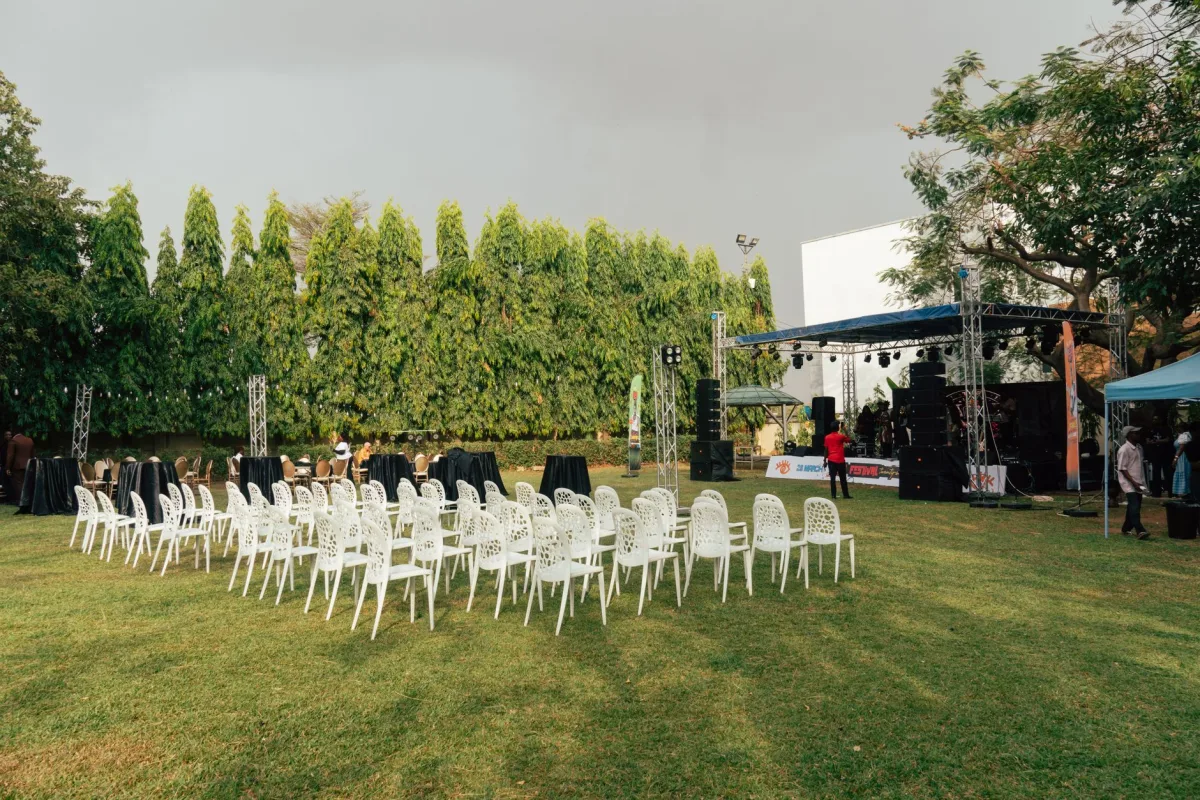

The first page of a search engine is a starting point, not an answer, because it blends paid placement with genuine quality. Widen the net before you decide, and weight the sources that are hardest to fake.
- Personal referrals. Someone who recently ran a similar event nearby is the single best source. Ask what went wrong and how the planner handled it, because something always does.
- Venue recommendations. Venues work with planners constantly and know who is easy to work with. Their preferred list is a strong signal, though ask whether it involves referral fees.
- Reviews across several platforms. Look for a consistent pattern over time, not a handful of glowing lines. Read the mediocre reviews most carefully.
- Local directories and communities. Neighbourhood groups and matrimonial or event directories surface planners who are active and reputable in your specific area.
The criteria that separate professionals from risks
Once you have a shortlist, judge each candidate on evidence rather than instinct. A beautiful website only proves someone can build a beautiful website. What you are buying is reliability under pressure.
A complete portfolio
Ask to see whole events similar to yours in size, style and budget, not a gallery of the single prettiest shots from many jobs.
Contactable references
A confident planner connects you with recent local clients. The reference call is where the real picture appears.
Transparent pricing
Understand whether they charge a flat fee, a percentage of spend, or take vendor commissions. Each shapes the advice you get.
Insurance and a contract
Professional liability cover and a willingness to put everything in writing mark a real business rather than a hobbyist.
Questions to ask before you book
A short, pointed conversation reveals more than any glossy proposal. Ask each shortlisted planner the questions a seasoned professional answers easily and an amateur fumbles.
- How many events do you take around my date? You want to know you are not one of several jobs competing for the same attention on the same weekend.
- Who exactly is on site on the day? The person who sells the service is not always the one who runs it. Meet the actual coordinator.
- What is your backup if you fall ill or a vendor cancels? The answer shows whether they have planned for failure, which is the whole point of hiring them.
- Which local vendors do you use, and can I bring my own? This reveals both their network and how flexible they are.
- What is included, and what triggers an extra charge? Get the boundaries in writing so there are no painful surprises later.
What local event planning costs in 2026
Prices vary sharply by city and by the scale of the event, so treat these as bands, not quotes. Day-of coordination, where you plan everything and hand over only the running of the day, is the most affordable option. Partial planning costs more, and full planning, where the planner handles everything end to end, is the most expensive, often quoted as a flat fee or as a percentage of the total event budget, commonly in the low-to-mid teens as a percentage. Big-city planners generally cost more than those in smaller towns, reflecting both demand and higher local supplier prices. Whatever the band, the cheapest quote is often cheapest because it quietly excludes work you will pay for anyway, so compare like for like in writing. For the full breakdown, our event planning services checklist lays out the tiers and stages in detail.
Red flags to walk away from
Most local planners are honest professionals, but a few patterns should end the conversation. Be wary of anyone who will not provide references, resists a written contract, pressures you to sign quickly with a "today only" discount, is vague about who actually runs the day, or cannot explain how they are paid. Reluctance to talk about what happens when things go wrong is the biggest tell of all, because handling problems calmly is the core of the job. Trust your instincts, too: if communication feels like hard work now, it will only get harder under pressure.
From shortlist to booking
Bring it together in a simple sequence. Gather three or four candidates from referrals, reviews and venue lists; check each portfolio and call the references; interview your top two or three with the questions above; then compare written proposals like for like, weighing value rather than headline price. Sign only when the scope, cost, cancellation terms and on-site team are all in writing. Once your planner is in place, our guides to finding venues nearby and to choosing a local event company help you line up the rest of the team, and Matrimony360's wider event guides cover the pieces around them.
Frequently asked questions
How do I find good event planning near me?
Start with personal referrals from people who recently ran a similar local event, then add venue recommendations, reviews across several platforms, and local directories or community groups. Treat the first page of search results as a starting point rather than an answer, since it mixes paid placement with genuine quality. Build a shortlist of three or four, check each one's portfolio and references, and interview your top candidates before deciding.
Is a local event planner really better than a distant one?
For most events, yes. Event planning is a local craft, and a nearby planner already knows the venues, vendors, permits and quirks of your area, which is exactly the knowledge that makes a day run smoothly. Proximity also makes site visits, tastings and face-to-face meetings easy, and lets the planner be physically present if something needs fixing in the final week. A distant planner has to learn all of that from scratch.
How much does local event planning cost?
It varies by city and by the scale of the event, so plan in bands. Day-of coordination is the most affordable, partial planning sits in the middle, and full planning is the most expensive, often charged as a flat fee or a percentage of the total budget, commonly in the low-to-mid teens as a percentage. Big-city planners usually cost more than small-town ones. Always ask how the fee is structured and what it includes, and compare quotes like for like in writing.
What questions should I ask a local planner before booking?
Ask how many events they take around your date, who exactly will be on site on the day, what their backup is if they fall ill or a vendor cancels, which local vendors they use and whether you can bring your own, and precisely what is included versus what triggers an extra charge. A seasoned professional answers these easily; hesitation or vagueness, especially about handling problems, is a warning sign.
What are the warning signs of a bad event planner?
Refusing to provide references, resisting a written contract, pressuring you to sign quickly with a limited-time discount, being vague about who runs the day, and being unable to explain how they are paid. The clearest red flag is reluctance to discuss what happens when something goes wrong, because calmly handling problems is the heart of the job. If communication feels like hard work before you have even booked, expect it to worsen under pressure.