
Event Organizers Near Me: How to Choose the Right One (2026 Local Guide)
Local knowledge is real value, but the nearest name is not automatically the best. Where to look, how to compare fairly, what to pay, the questions to ask, and the red flags to walk away from.
Searching "event organizers near me" is usually a sign you have moved from wondering whether to hire help to actually finding it. Local matters more in this decision than people expect: an organizer who knows your venues, your suppliers and your city's quirks starts miles ahead of one flown in cold. But proximity alone is not a qualification, and the top result on a map is not automatically the best hire. This guide is a practical playbook for turning a list of nearby names into one confident booking: where to look, how to compare, what to pay, and the exact questions that separate a safe pair of hands from a risky one.
The short version
- Local knowledge is real value: a nearby organizer knows your venues, vendors and permits.
- Shortlist three, not one, and compare them against the same written brief.
- References for events like yours matter more than a polished map listing or star rating.
- Get scope, price and cancellation terms in writing before any deposit changes hands.
Why "near me" genuinely matters here
Some services are the same wherever they come from. Event organising is not one of them. A good local organizer brings knowledge that no amount of talent can replace at a distance: which venues actually deliver on their promises, which caterers are reliable, how the local council handles permits and noise, and where the loading access is at that hall you love. This is applied event management, and much of its value lives in relationships and ground knowledge built over years in one place.
That said, "near me" is a starting filter, not a verdict. The nearest organizer is not necessarily the best fit for your particular event, and a slightly further one with the right specialism may serve you better. Use locality to build a sensible shortlist, then judge each name on the same criteria you would apply to any important vendor. Proximity earns a place on the list; it does not win the job.
Where to find local event organizers
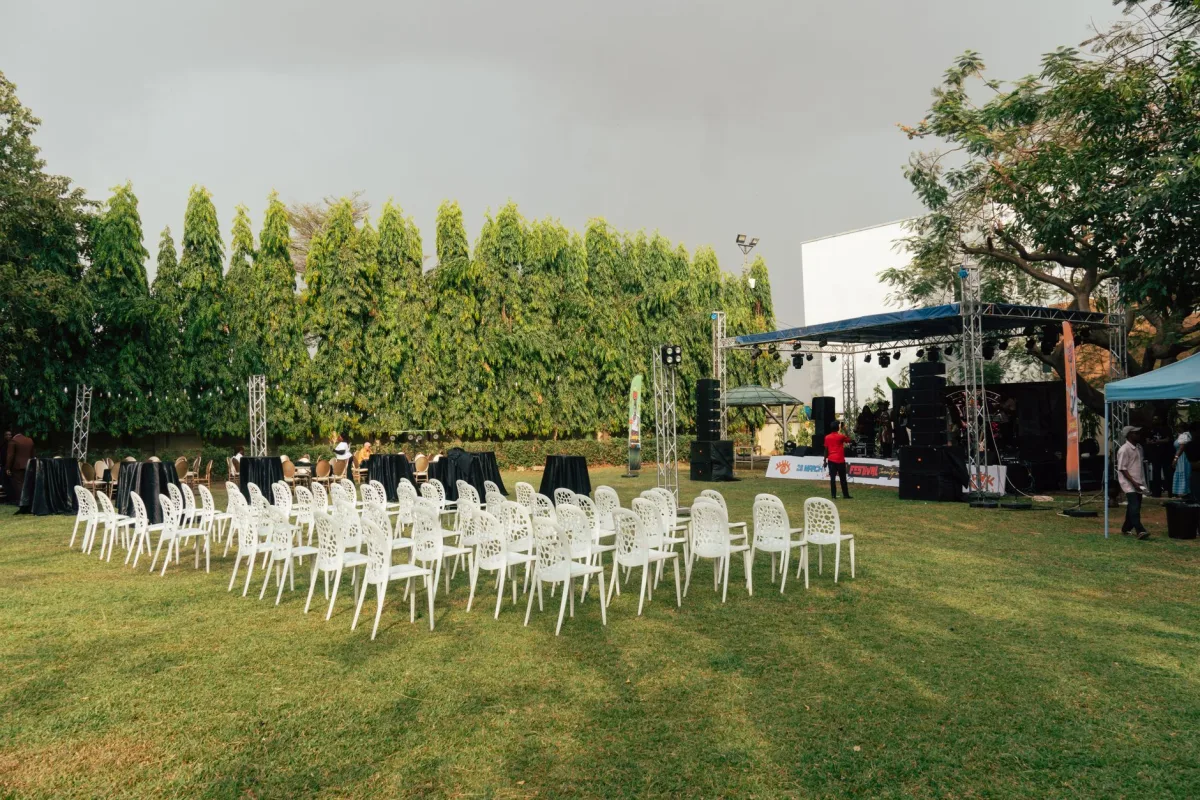



A map search is the obvious first move, but it is a narrow one. The strongest local organizers are often the busiest, and the busiest rely on referrals rather than advertising. Cast a wider net.
- Ask your venue. Venues work with organizers constantly and know who runs a smooth event in their space. This is often the single best lead.
- Ask recent hosts. Friends, family or colleagues who held a similar event nearby can point you to someone tested, and warn you off someone not.
- Search and read reviews critically. Map and directory listings are useful for names, but read the detail of reviews, not just the star count.
- Check other vendors. Photographers, caterers and florists see organizers at work and know who is easy to collaborate with.
- Use a specialist platform. For weddings, a matchmaking or planning resource can help you connect the pieces. matrimony360 focuses on that journey, so it is worth checking what is available in your area on the site itself.
Before you commit to any of them, it helps to understand what an organizer actually does across the spectrum, from a day-of coordinator to a full agency. Our guide to the event organizer role sets out those options so you brief the right kind of help rather than the first one you find.
How to compare your shortlist
Aim for a shortlist of three. One quote tells you nothing about the market; three tell you a great deal. The trick is to make the comparison fair by giving every organizer the same written brief: the same date, guest count, venue if known, budget and goals. When each one prices the same event, the differences in their responses become genuinely informative.
What you are comparing is not just price. Read how each organizer responds. Do they ask sharp questions about your goals and constraints, or launch straight into a sales pitch? Do they put their process and inclusions in writing, or stay vague? Is their recent work genuinely similar to your event? A slightly dearer organizer who clearly understands your day is almost always a better bet than a cheaper one who is guessing. For the broader firm-versus-individual choice, our overview of event companies lays out the trade-offs in full.
The questions to ask before booking
A short, direct set of questions will tell you more than any brochure. Ask every shortlisted organizer the same ones, and listen as much to how they answer as to what they say.
Availability and focus
Are you free on my date, and how many other events will you be running that week? Divided attention is a real risk at busy times.
Scope and inclusions
Exactly what is and is not included in your fee? Which tasks are yours and which stay mine? Vagueness here becomes conflict later.
References
Can I speak to two recent clients with events like mine? A confident organizer offers these before you ask.
Backup and insurance
What happens if you are ill on the day, and do you carry liability insurance? Mature organizers have clear answers to both.
Contract and payments
What are the deposit, payment schedule and cancellation terms? Everything agreed should appear in a written contract.
That last point is not a formality. Never pay a deposit on a verbal promise. The scope, the price, the payment schedule and the cancellation terms all belong in a signed contract, which protects both sides and turns a friendly conversation into a real commitment.
What local event organizers cost
Prices vary widely by region, event type, experience and how much you ask the organizer to carry, so treat any figure as a rough range rather than a quote. The honest answer is that costs depend heavily on your local market, and the only reliable number is the one an organizer gives you against your own brief. That said, a few patterns hold almost everywhere.
- Day-of coordination is the most affordable option, a flat fee for running the event itself, and often the best value for people who have planned the rest.
- Partial planning sits in the middle, where the organizer takes on defined chunks of the work alongside you.
- Full-service organising is the most expensive, frequently priced as a flat fee or as a percentage of the total budget, commonly in the region of ten to twenty percent.
- Hourly consulting suits small, bounded jobs where you need advice rather than delivery.
Whatever the model, focus on the all-in figure and what it excludes, such as staff, overtime, travel and insurance. A headline fee that hides those extras is not the bargain it appears. For a fuller breakdown of comparable numbers on the planning side, our local guide to event planners near you walks through the same pricing questions in more detail.
Red flags to walk away from
Most bookings go well, but a few warning signs are worth taking seriously, because they tend to predict trouble on the day.
- Reluctance to give references. A good organizer is proud of recent work and happy to connect you with past clients.
- No written contract. If someone wants a deposit on a handshake, stop. Everything of substance should be in writing.
- Pressure and false scarcity. Aggressive "book today or lose the date" tactics are a sales manoeuvre, not a reason to rush a major decision.
- Vague answers on backup and insurance. If they cannot say what happens when something goes wrong, assume nothing will be ready when it does.
- Portfolio that never matches your event. Impressive work in a different field is not evidence they can run yours.
Take those seriously and the search becomes far less daunting. Whether your event is a wedding, a milestone celebration or a community occasion, the method is the same: shortlist locally, compare fairly, ask the hard questions, and put it all in writing. If you are planning a wedding specifically, matrimony360 is built around that journey, from finding your partner to organising the day, and pairs naturally with a good local organizer or a dedicated event coordinator to carry the logistics while you enjoy the occasion.
Frequently asked questions
Does hiring a local event organizer actually matter?
Yes, more than for most services. A local organizer knows your venues, reliable suppliers, permit processes and the practical quirks of your area, which is knowledge that cannot easily be replicated at a distance. That said, "near me" is a starting filter rather than a final answer. Use locality to build a shortlist, then judge each organizer on their experience, references and fit for your specific event, because the nearest is not automatically the best.
How many event organizers should I compare?
Aim for about three. A single quote tells you nothing about the local market, while three let you see the range of prices and approaches. Give each organizer the same written brief, with the same date, guest count, venue and budget, so their responses are genuinely comparable. Then weigh not just the price but how well each one understands your event, how clearly they explain their process, and how relevant their recent work is.
How much do local event organizers charge?
It varies widely by region, event type and how much work you hand over, so treat any figure as a rough range. Day-of coordination is the most affordable, partial planning sits in the middle, and full-service organising is the most expensive, often a flat fee or a percentage of the budget commonly around ten to twenty percent. Focus on the all-in cost and what it excludes, such as staff, travel and insurance, and get a real quote against your own brief.
What should I ask before booking an event organizer?
Ask about availability and how many other events they are running that week, exactly what is included in the fee, and whether they can provide recent references for events like yours. Ask what happens if they are ill on the day and whether they carry liability insurance. Finally, confirm the deposit, payment schedule and cancellation terms. Every organizer on your shortlist should answer the same questions, and everything agreed should appear in a written contract.
What are the warning signs of a bad event organizer?
Watch for reluctance to provide references, an unwillingness to put terms in a written contract, and high-pressure tactics urging you to book immediately. Vague answers about backup plans and insurance are a serious red flag, since they suggest nothing is prepared for when something goes wrong. Be cautious too if their portfolio never resembles your kind of event. Any one of these is a reason to slow down and look at other options before committing a deposit.