Event Companies: The Complete Guide
Full-service agencies, specialist vendors, production firms and destination companies: what each type does, how they charge, and how to pick the right one for your event.
"Event companies" is a broad label that hides a surprising amount of variety. Under the same phrase sit tiny two-person studios that dress a wedding hall, global agencies that stage product launches on three continents, and production firms whose whole job is the sound, light and rigging you never notice until it fails. If you are trying to hire one, or simply understand who does what, the first task is to stop treating "event company" as a single thing. This guide sorts the field into the handful of company types that actually exist, explains what each one is good at, and shows how to tell a capable firm from a confident website.
The short version
- "Event company" is an umbrella, covering full-service agencies, specialists, production firms and destination companies.
- Match the company to the job, not the other way round: a launch, a conference and a wedding need different firms.
- Full-service costs more but carries more, while a specialist is cheaper and narrower. Both are valid.
- Judge on process and references, not on the glossiest portfolio. Delivery is a habit, not a photo.
What an event company actually is
At its simplest, an event company is a business that plans, produces or supports gatherings for other people. The discipline behind it, event management, is the practice of applying project management to the creation of festivals, ceremonies, conferences, launches and parties. What makes the sector confusing is that this single discipline is delivered by firms of wildly different shapes. Some do everything from concept to clean-up; others do one slice, such as catering or staging, extremely well and nothing else.
Because the label is so elastic, the useful question is never "should I hire an event company?" but "which kind of event company does my event actually need?" A milestone birthday, a three-day industry convention and a wedding all fall under the same heading, yet the right partner for each is a different animal. Getting that match right is most of the battle, and it starts with knowing the families that make up the field.
The main types of event companies



Most firms fall into a few recognisable categories. They overlap at the edges, and larger businesses may span several, but the distinctions are real and worth learning before you brief anyone.
Full-service agencies
They take an event from first idea to final invoice: concept, budget, venue, vendors, run of show and on-site delivery. You get one point of contact and pay for that convenience.
Specialist vendors
Caterers, florists, decor houses, entertainment agencies. They own one part of the event brilliantly and expect someone else to coordinate the whole.
Production companies
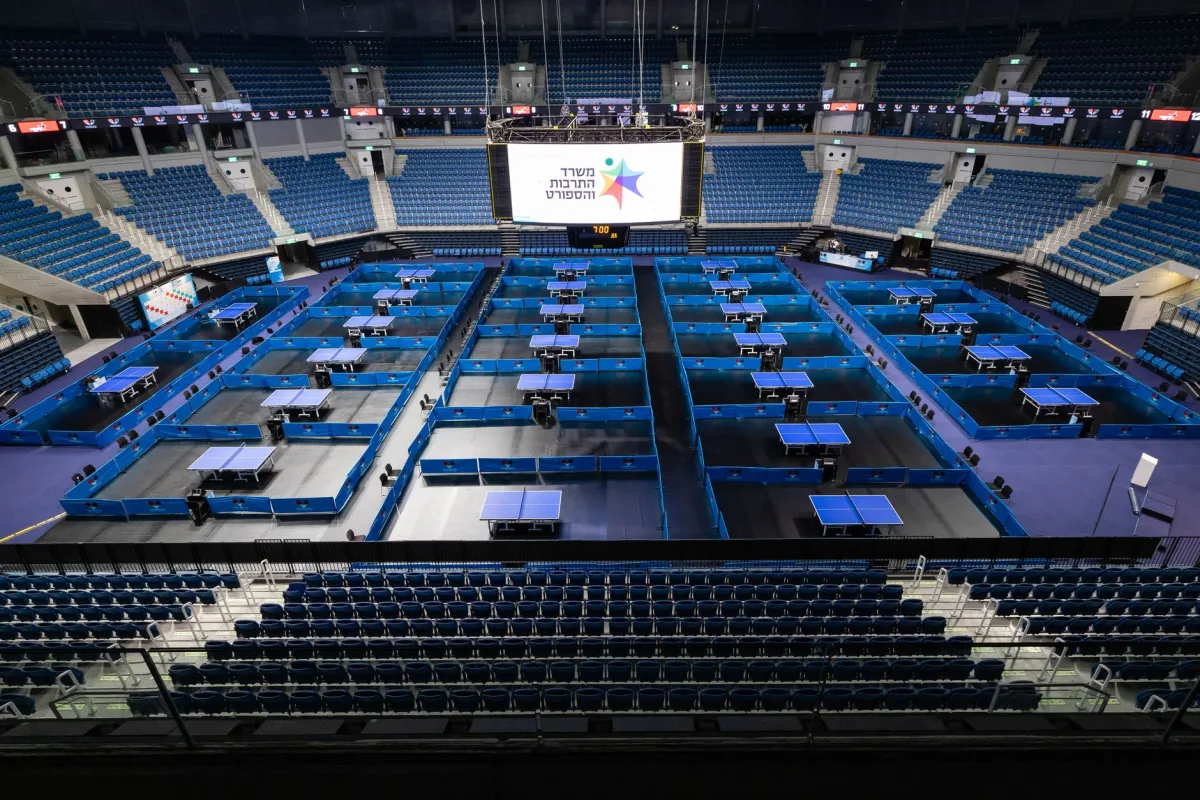
The technical backbone: staging, sound, lighting, video, rigging and power. Essential for conferences, concerts and any event where the room itself is a performance.
Destination companies
Local experts who handle logistics in a place you do not know, from transport to permits. They are how an event lands smoothly in an unfamiliar city or country.
Corporate and MICE firms
Focused on business events: meetings, incentives, conferences and exhibitions. They speak the language of return on investment as fluently as the language of decor.
Social and wedding specialists
Firms built around personal celebrations, where emotion, family dynamics and tradition matter as much as logistics. Weddings are their own craft.
Notice how the split maps onto the kind of event you are holding. A corporate conference leans on MICE and production firms; a wedding leans on social specialists and vendors; a large public festival needs production, destination logistics and often crowd specialists working together. If your event is a company gathering, our guide to event management companies goes deeper on the agency side of that world.
Full-service agency or a team of specialists?
The biggest practical decision is whether to hire one company to run everything or to assemble your own team of specialists and coordinate them yourself. Neither is automatically right. A full-service agency buys you a single throat to hold accountable, a tested vendor network and far fewer decisions landing on your desk. You pay for that with a management fee, and you trade some direct control over each supplier.
Building your own roster of specialists is usually cheaper on paper and gives you total say over every choice, from the exact florist to the specific band. The hidden cost is your time and your risk: you become the coordinator, the schedule-keeper and the person who solves it when two vendors disagree on the loading dock at 4pm. For a small, familiar event that trade can be worth it. For anything large, unfamiliar or high-stakes, the agency fee often buys back more stress than it costs.
A middle path is common and sensible: hire a lead firm or an event coordinator to own the plan and the day-of running, while you keep a few personal vendor relationships you care about. If you prefer to run things yourself but want the structure a professional would use, the event planning checklist lays out the same sequence an agency follows internally.
How event companies charge
Pricing in this industry is not standardised, which is exactly why quotes are hard to compare. Most firms use one of a few models, and knowing them lets you read a proposal for what it really says.
- Flat project fee. One agreed price for a defined scope. Clean and predictable, as long as the scope is written down in detail.
- Percentage of budget. The fee is a share of total spend, often in the region of ten to twenty percent. Simple, but it quietly rewards a bigger budget.
- Hourly or day rate. Common for coordinators and consultants brought in for part of the job. Best for well-bounded work.
- Cost-plus with markup. The firm books vendors and adds a margin. Ask whether that markup is disclosed, because transparency here separates good firms from careless ones.
Whatever the model, the number that matters is the all-in figure and what it excludes. A low fee that leaves you to pay for staff, overtime, insurance and travel separately is not a bargain. When you request quotes, ask every firm to price the same written brief, so you are comparing like with like rather than optimism with caution. For realistic ranges by role, the wedding planner guide breaks down comparable fees on the social side of the industry.
Signs of a company worth hiring
Portfolios are designed to impress, so learn to look past them. The firms that deliver tend to share a set of unglamorous habits that show up long before the event does.
- They ask more than they pitch. A strong first meeting is full of questions about your goal, guests and budget, not a rehearsed showreel.
- They put process in writing. Timelines, responsibilities and a run of show on paper signal a company that has done this many times.
- They give real references. Recent clients with events like yours, willing to talk, are worth more than any award badge.
- They are clear about risk. Insurance, contingency plans and a wet-weather option show maturity. Vagueness here is a warning.
- They are honest about fit. The best firms will tell you when your event is not their specialty, and point you elsewhere.
For events in a city or country the company does not know well, a destination management company can be the difference between smooth logistics and a scramble over permits and transport. Match the firm to the ground as carefully as you match it to the event.
Where event companies fit for weddings
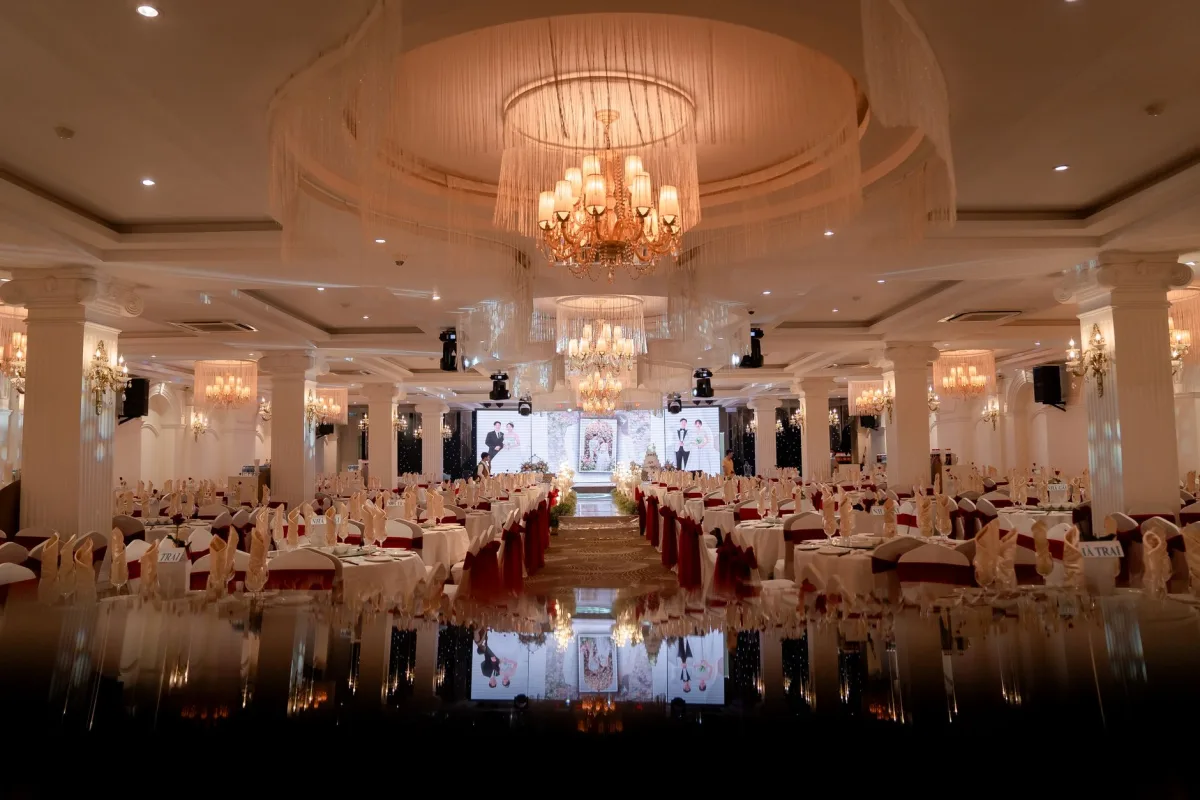
Weddings are their own corner of the industry, and it is where many people meet an event company for the first time. The mix is usually a lead planner or coordinator who owns the day, a set of specialist vendors for catering, flowers, photography and music, and sometimes a production element for larger receptions. The emotional weight of the day is why social specialists exist: managing families and tradition is a skill in its own right, separate from moving pallets and building schedules.
This is the world matrimony360 sits closest to. Alongside guides like this one, we cover the people and partners who make a celebration work, from the first wedding events in the run-up to the reception itself. If you are early in planning, start by defining the event, then use these guides to decide which kind of company you actually need, rather than hiring broadly and hoping the pieces fit.
Frequently asked questions
What is the difference between an event company and an event planner?
An event planner is usually a person or a small team who designs and coordinates an event, while an "event company" is the broader business term that can mean anything from a solo planner to a large agency with catering, production and logistics under one roof. In practice a planner is one role you might hire, whereas an event company may provide that role plus many others. Always ask a firm exactly which services it delivers in-house and which it subcontracts.
Do I need a full-service event company or individual vendors?
It depends on the size of the event and how much of the work you want to carry yourself. A full-service company handles everything for a fee and removes most of the coordination burden, which suits large, unfamiliar or high-stakes events. Assembling individual vendors is often cheaper and gives you more control, but you become the coordinator. A common compromise is to hire one lead firm or coordinator and keep a few personal vendors you care about.
How much do event companies charge?
There is no fixed rate, because firms use different models: a flat project fee, a percentage of the total budget (often roughly ten to twenty percent), an hourly or day rate, or cost-plus with a markup on vendors. The figure that matters is the all-in cost and what it excludes, such as staff, overtime, insurance and travel. Ask every company to quote against the same written brief so the numbers are genuinely comparable.
What types of events do event companies handle?
The full range: social occasions such as weddings and milestone parties, corporate events including meetings, incentives, conferences and exhibitions, cultural events such as festivals, and large public events. Many firms specialise in one family because the suppliers, skills and regulations differ so much between them. When you approach a company, check that its recent work looks like your event, not just that it looks impressive.
How do I check that an event company is reliable?
Look past the portfolio to the habits underneath. Reliable firms ask detailed questions before pitching, put timelines and responsibilities in writing, give recent references you can actually call, and speak plainly about insurance, contingencies and risk. They are also honest when your event is not their specialty. Vague answers about process, pricing or backup plans are the clearest early warning that delivery may be shaky.