Wedding Events: The Complete Guide
The full constellation of wedding events, from the engagement that opens the season to the send-off that closes it, how culture arranges them, and how to choose which belong in your own celebration.
"Wedding events" is a wider phrase than it first sounds. A wedding is rarely a single afternoon; it is a small season of gatherings, each with its own purpose, mood and guest list, building toward the day the couple are married and then celebrating well past it. Depending on culture and budget, that season might be two events or a dozen. This guide maps the whole constellation, from the engagement that opens it to the send-off that closes it, so you can see how the pieces fit before you decide which ones belong in your own celebration. It is a tour of the landscape, not a rulebook, and every tradition here is optional.
The short version
- A wedding is a sequence of events, not one day: pre-wedding, the wedding itself, and post-wedding.
- Each event has a job: to announce, to prepare, to marry, to celebrate or to say farewell.
- Culture shapes the shape: a Western wedding and a South Asian one arrange the same instincts very differently.
- You choose which events to hold. More functions mean more joy and more cost; pick what fits you.
Why a wedding is a sequence, not a single day
A wedding is the ceremony in which two people are united in marriage, but in practice the word has swallowed everything around it. The reason is human rather than logistical: a marriage is a large change in two families' lives, and large changes want more than one moment to absorb them. So cultures the world over have grown a series of gatherings around the central act, some to announce the news, some to prepare the couple, some to celebrate, and some to ease the transition afterward. Thinking of wedding events as a sequence with distinct jobs, rather than a single overwhelming day, is the first step to planning any of them calmly.
Broadly, the events fall into three phases: the pre-wedding gatherings that build anticipation, the wedding day itself with its ceremony and celebration, and the post-wedding events that close the season. You will not hold all of them, and no culture holds every possible one. The point is to know the menu so you can choose from it deliberately.
The pre-wedding events
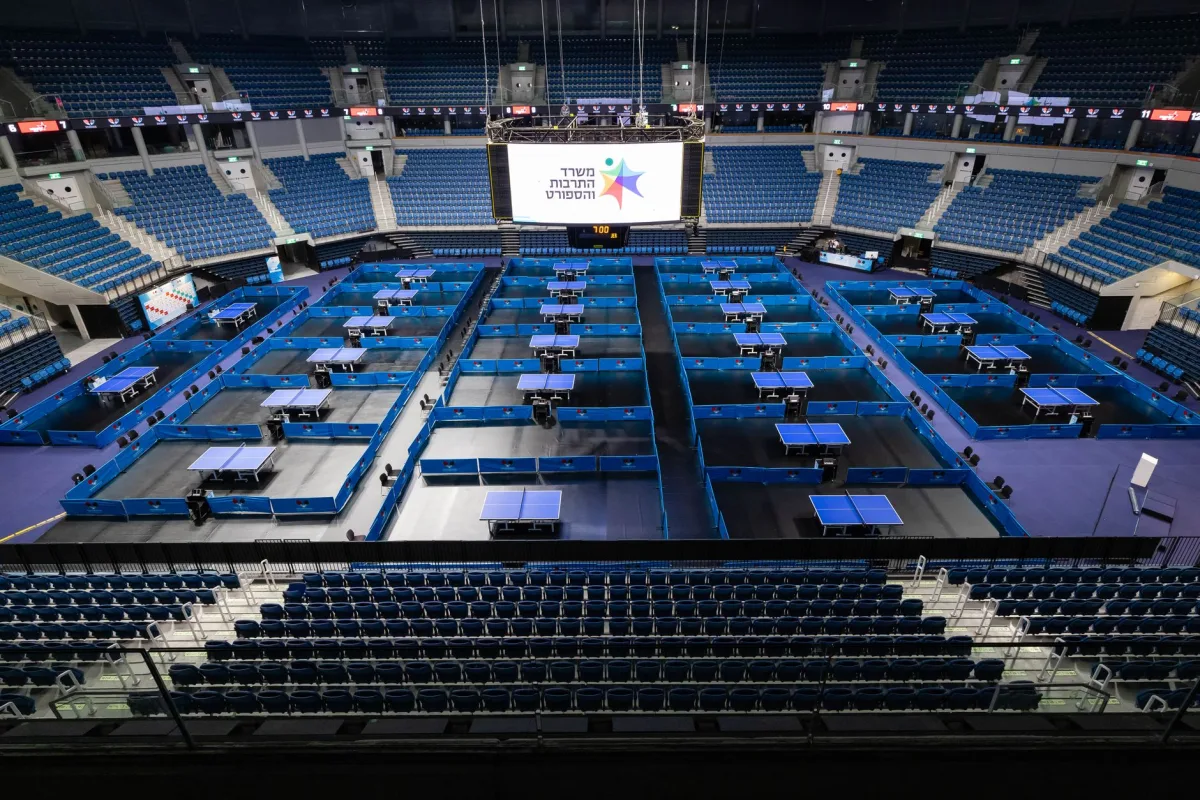

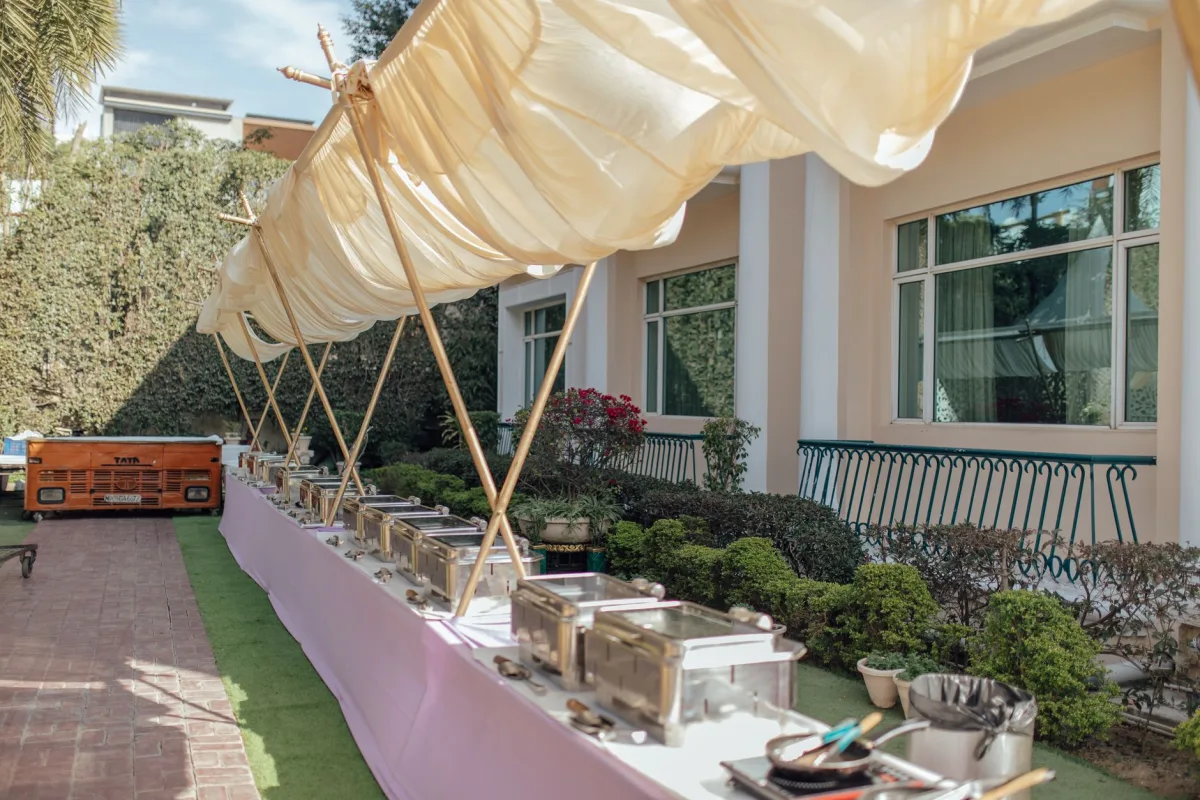
The pre-wedding phase is about announcing the union and preparing for it, both practically and emotionally. These gatherings vary enormously across cultures, but their underlying purposes are strikingly consistent.
Engagement party
An engagement party celebrates and announces the couple's intention to marry, often the first formal gathering of both families.
Shower or gift gathering
A bridal shower, kitchen tea or equivalent, where close friends and family bring gifts to help the couple start married life.
Mehndi or henna night
In South Asian and many Middle Eastern weddings, an evening of henna, music and food, unhurried by design because the bride cannot use her hands.
Hen and stag events
Separate celebrations of each partner's last chapter of single life with their closest friends, from a quiet dinner to a weekend away.
Rehearsal and welcome
A rehearsal dinner or welcome gathering settles the logistics and lets travelling families meet before the main event.
You need not hold all of these, and in some traditions the pre-wedding phase is the largest part of the whole celebration. For the bride-centred side of this season in depth, our guide to bridal covers the attire, beauty and party layers, and our piece on bridesmaids covers the people who carry these events with you.
The wedding day: the ceremony
The ceremony is the heart of the whole sequence, the moment the marriage is actually made. Its form depends entirely on tradition and belief. A religious ceremony follows the rites of a faith, in a place of worship or a space made sacred for the day. A civil ceremony is a legal, secular act conducted by an authorised official. Many couples now blend the two, or write their own vows within a broadly secular frame, so that no two ceremonies read quite the same.
Across this variety, the ceremony almost always contains a recognisable core: a gathering of witnesses, a public declaration of commitment, an exchange of vows and often rings or another token, and a formal pronouncement that the couple are married. What changes from culture to culture is the ritual wrapped around that core, from the seven steps of a Hindu ceremony to the exchange of rings under a Christian arch. The ceremony is usually shorter than the celebration that follows it, but it is the reason every other event exists.
The wedding day: the reception
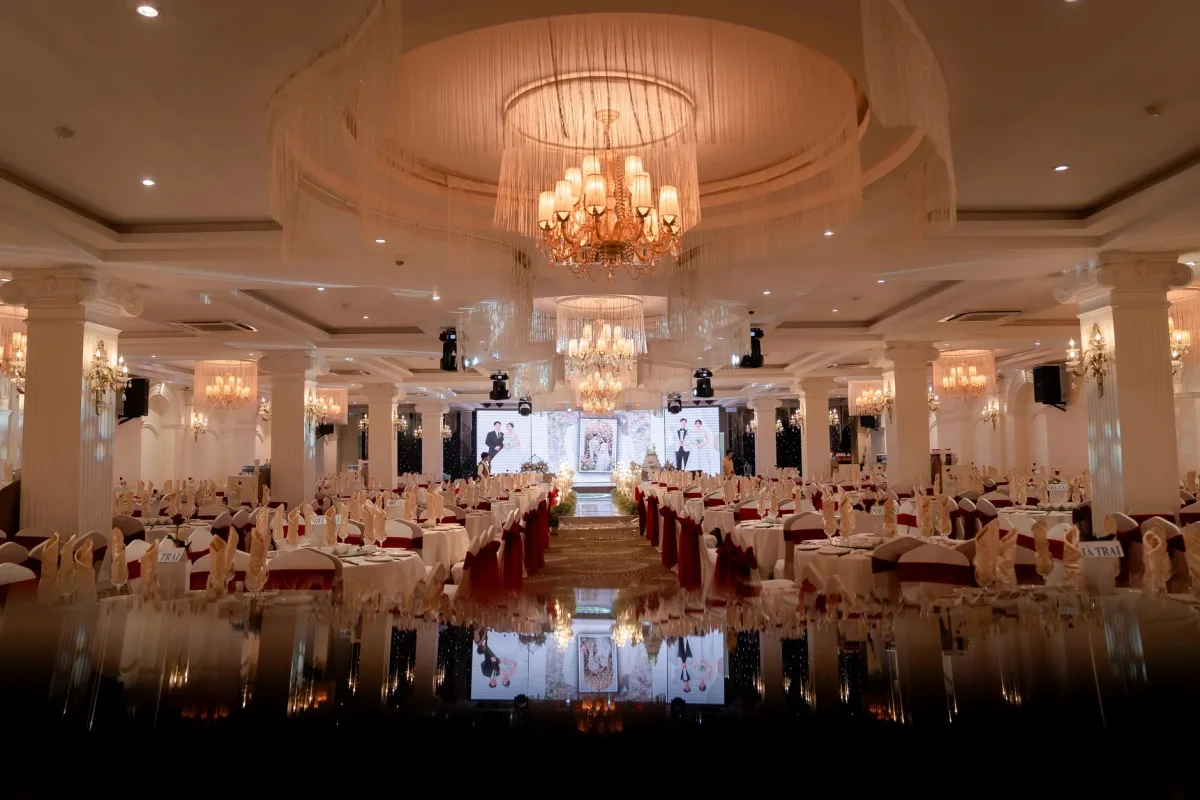
After the ceremony comes the wedding reception, the celebration held to welcome guests and mark the new marriage with food, drink, music and dancing. If the ceremony is the solemn centre, the reception is the joyful release, and for many guests it is the part they remember most. Its shape is enormously flexible: a seated dinner, a standing party, a lavish banquet across several outfits, or an intimate meal for a handful of people.
A typical reception moves through a loose arc, and knowing the beats helps you plan the flow. Guests arrive and are welcomed, often with drinks and time to mingle; the couple make an entrance; a meal is served; speeches or toasts are given; there may be a first dance and rituals such as cutting a cake; and the celebration opens into general dancing and revelry. The order bends to culture and taste, but the underlying rhythm, welcome, feed, honour, celebrate, recurs the world over. To house all this well, our guide to wedding venues covers choosing the space that fits your numbers and style.
The post-wedding events
The season does not always end when the reception does. Many cultures hold gatherings after the wedding to ease the couple and their families into the new arrangement. A post-wedding brunch the next morning lets guests who travelled say a relaxed goodbye. In many South Asian traditions there are formal farewell and welcome rituals as the bride leaves her family home and is received into her new one, emotional events in their own right. Some couples hold a later reception for those who could not attend the main day, or a separate celebration in a second location or country. These closing events are quieter than the peak, but they carry real weight, marking the settling of everything the day set in motion.
How culture shapes the whole shape
The same instincts, announce, prepare, marry, celebrate, farewell, take strikingly different forms around the world. A traditional Western wedding often compresses much of the sequence into a single day: ceremony, then reception, bracketed by a rehearsal dinner before and perhaps a brunch after. A South Asian wedding may spread the sequence across several days, with distinct, elaborate events for each stage and hundreds of guests. A Chinese wedding centres a tea ceremony honouring the elders; a Jewish wedding its own rich sequence of rituals. None is more correct than another; each is a different arrangement of the same deep human impulses. Increasingly, couples from different backgrounds blend two sets of traditions, designing a sequence that honours both families at once.
This is exactly where an organiser earns their keep, because a multi-event, multi-tradition celebration has a great many moving parts. Our guides to the wedding planner role and to event managing companies explain who coordinates a sequence like this, and our wedding planning checklist helps you track it stage by stage.
Choosing which events belong in your celebration
The freeing truth is that this whole menu is optional. Some couples want the full season with every traditional event, and find deep meaning in each one. Others want a single, intimate day, or even an elopement with almost no events at all. Both are complete weddings. The wise approach is to start from what the two of you actually value, and from your budget and energy, rather than from a sense of obligation. Every event you add brings more joy and more cost, more connection and more logistics. Choose the ones that mean something to you and your families, hold them well, and let go of the rest without guilt. A wedding remembered fondly is one that felt like the couple, not one that ticked every possible box.
Frequently asked questions
What are the main wedding events?
They fall into three phases. Pre-wedding events announce and prepare, and include the engagement party, a shower or gift gathering, a mehndi or henna night, hen and stag celebrations, and a rehearsal or welcome dinner. The wedding day itself holds the ceremony and the reception. Post-wedding events, such as a next-day brunch or farewell and welcome rituals, close the season. You choose which of these to hold; no wedding includes them all.
What is the difference between the ceremony and the reception?
The ceremony is the part where the couple are actually married, whether through religious rites or a civil legal act, and it usually contains a declaration of commitment, an exchange of vows and often rings, and a pronouncement that the couple are wed. The reception is the celebration that follows, with food, drink, music and dancing to welcome the guests and mark the new marriage. The ceremony is the solemn centre; the reception is the joyful release.
How many events does a wedding usually have?
It depends entirely on culture, budget and preference. A traditional Western wedding may compress almost everything into a single day, bracketed by a rehearsal dinner and perhaps a brunch. A South Asian wedding may spread distinct events across several days. An elopement may have almost no separate events at all. There is no correct number; the right count is whichever set of events genuinely means something to the couple and their families.
Do we have to hold pre-wedding events?
No. Pre-wedding events such as engagement parties, showers and henna nights are traditions you can embrace, adapt or skip entirely. In some cultures they are the largest part of the celebration; in others they are minimal or absent. The sensible approach is to choose the events that carry real meaning for you and fit your budget and energy, rather than holding a function simply because it is expected.
Who coordinates all the different wedding events?
For a simple wedding, the couple and their families often coordinate the events themselves with a good checklist. For a larger or multi-day celebration with several functions, many people hire a wedding planner or an event managing company to coordinate the whole sequence, manage the vendors across every event, and run each day so the family can be present rather than working. The more events and traditions involved, the stronger the case for professional coordination.