Event Managing Company: The Complete Guide
What an event managing company is, the forms the profession takes, who works inside one, the process every strong event follows, and why the good ones are worth far more than their fee.
An event managing company is a business whose entire job is to turn an occasion into a running reality: a wedding, a conference, a launch, a festival or a family celebration. Where a caterer feeds people and a venue houses them, an event managing company is the mind that coordinates every moving part so the whole thing happens in the right order at the right time. This is a foundational guide to the profession rather than a how-to-hire checklist. It explains what these companies actually are, how the work is structured, the different forms they take, the process they follow, and why the good ones are worth far more than the fee on their invoice.
The short version
- An event managing company applies project management to events, from first concept to final clean-up.
- The profession spans many forms: boutique planners, full-service agencies, corporate specialists and wedding experts.
- The real product is expertise plus bandwidth: knowing what works, and having the time to do it.
- Every strong event follows a process: brief, design, plan, coordinate, execute, review.
What an event managing company is
Event management is the application of project management to the creation and running of events. An event managing company is simply an organisation that does this for a living: studying the brief, designing the concept, planning the logistics, coordinating the suppliers and directing the event on the day. The profession sits at the crossroads of creativity and operations, which is what makes it distinctive. A company must be imaginative enough to design an experience people remember, and disciplined enough to run it to the minute without anyone seeing the effort underneath.
That dual nature is the key to understanding the whole field. When you engage such a company you are buying two things at once. The first is expertise, the accumulated knowledge of what works, which suppliers are reliable, and how long things actually take. The second is bandwidth, the plain fact that they will absorb the hundreds of hours of work that you do not have time to do. The best companies make this look effortless, which is precisely why their value is so easy to underestimate from the outside.
The forms an event managing company takes

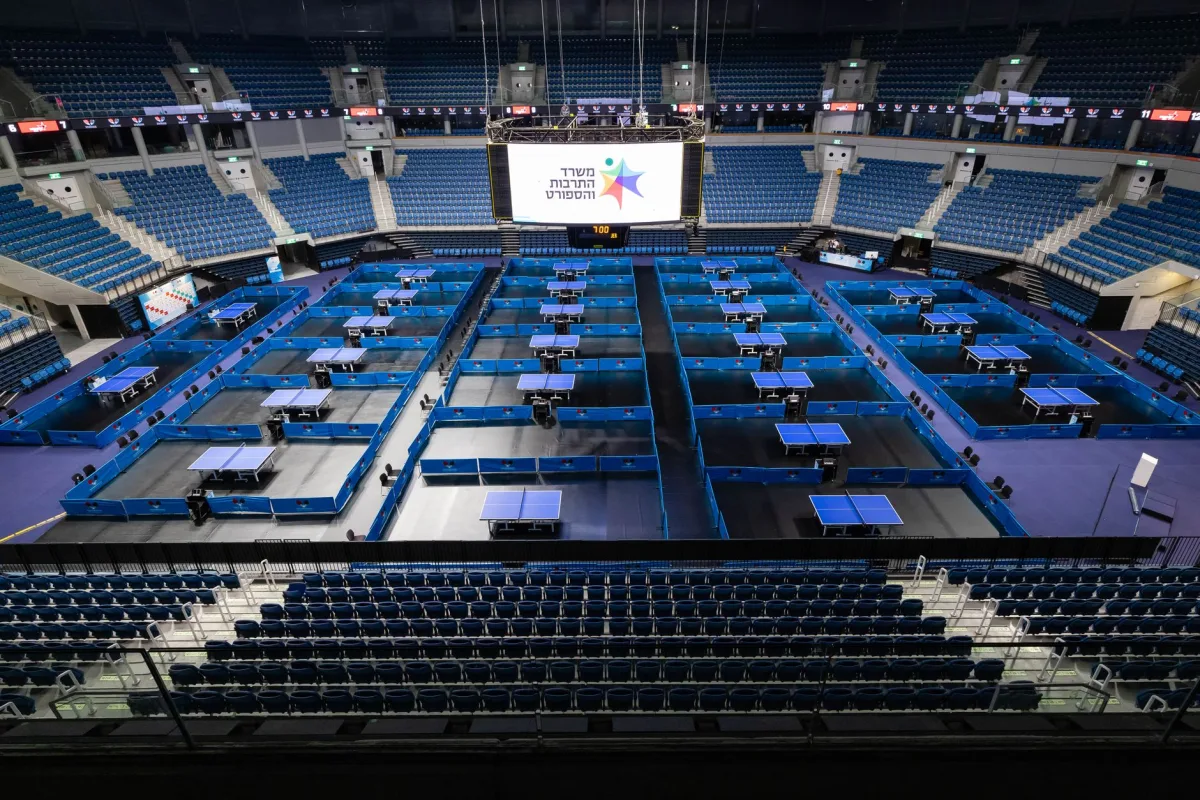


"Event managing company" is an umbrella over several quite different businesses. They are not ranked; they are suited to different events, budgets and levels of complexity.
Boutique planner
A one-person or small business taking a limited number of events a year, offering close personal attention. Ideal for intimate or highly personal celebrations.
Full-service agency
A larger firm running many events at once with a full team, bringing scale, redundancy and slick logistics for big or complex occasions.
Corporate specialist
Focused on conferences, product launches and company functions, where audiovisual production, branding and delegate logistics dominate.
Wedding specialist
Fluent in the customs, emotions and family dynamics of a wedding, a very different skill from running a corporate event.
A wedding specialist and a corporate agency both "manage events," yet the day-to-day skills barely overlap. If your occasion is a wedding, it is usually worth understanding how a dedicated wedding planner works, because the emotional literacy the role demands is genuinely specialised. Our broader guide to event companies maps the wider landscape of firms in the field.
Who works inside one
Behind the single name on a proposal usually sits a small ecosystem of roles. Understanding them demystifies what you are actually paying for and who does what.
- The lead planner or event manager owns the client relationship, the concept and the overall plan, and carries responsibility for the outcome.
- Coordinators handle the detail: vendor liaison, schedules, logistics and the run of the day itself.
- Designers and stylists shape the look and feel, from the palette to the smallest table detail.
- Production and technical staff manage sound, lighting, staging and the physical build for larger events.
- A trusted supplier network of caterers, florists, photographers and more, whom the company books repeatedly and knows it can rely on.
In a boutique company one person may wear several of these hats, while a large agency assigns a dedicated specialist to each. This is one reason quotes differ so much: you are not just comparing prices but comparing the depth of the team behind the day. For the closely related discipline focused on business occasions, our guide to corporate event management goes deeper.
How the work actually flows
Whatever the event, a competent company follows a recognisable process. Seeing the sequence helps you understand where you are at any point and what should be happening next.
- Brief and discovery. Understanding the goal, the guests, the budget and the feeling you want the event to create.
- Concept and design. Translating that brief into a theme, a look and a broad shape for the occasion.
- Planning and sourcing. Building the budget, booking the venue and vendors, and mapping every logistical detail.
- Coordination. Managing contracts, payments and timelines as the pieces come together, and solving clashes early.
- Execution. Directing the event on the day against a minute-by-minute run sheet so it flows without the client lifting a finger.
- Review. Settling final accounts and, for repeat or corporate clients, learning what to do better next time.
Why the good ones are worth it
It is fair to ask why anyone should pay a company to do what looks, from the sofa, like advanced party planning. The answer is that experience compounds in ways that are invisible until something goes wrong. A seasoned company has seen the caterer run late, the weather turn, the headcount jump at the last minute and the venue spring a rule nobody mentioned, and it has quiet, practised answers for all of it. That is bought insurance against the exact disasters an inexperienced organiser does not even know to fear.
There is also a purely human return. The person hosting an event cannot fully enjoy it while also running it, forever half-watching for the next problem. The deepest value an event managing company delivers is presence: the freedom to be genuinely inside your own occasion rather than managing it from the edges. That is a return money struggles to buy any other way.
The company versus the venue and the vendors
A common point of confusion is where the managing company ends and everyone else begins. The venue provides the space. The vendors, caterers, florists, photographers and the like, each deliver one service. The event managing company is the layer above them all, the single mind that hires, coordinates and directs the whole cast so they act as one production rather than a dozen separate bookings. Many venues offer an in-house coordinator, but that person looks after the venue's interests and its part of the day, not your entire event end to end. Understanding this distinction is the first step to knowing which kind of help you actually need, and our guide to managing an event unpacks the coordination layer in detail.
Frequently asked questions
What does an event managing company do?
It plans and runs events from first concept to final clean-up, applying project management to the whole occasion. That spans understanding the brief, designing the concept, setting and tracking the budget, sourcing and booking the venue and vendors, building a detailed timeline, managing contracts and payments, and directing the event on the day. In effect it sells two things at once: accumulated expertise about what works, and the bandwidth to do the hundreds of hours of work a client rarely has time for.
What is the difference between an event managing company and a venue coordinator?
A venue coordinator works for the venue and looks after its space and its part of the day, such as room set-up and in-house catering. An event managing company works for you and coordinates the entire event end to end, hiring and directing every vendor across the whole occasion. The venue is one supplier; the managing company is the layer above all suppliers that makes them act as a single production.
What types of event managing companies are there?
Broadly, boutique planners who take a few events a year with close personal attention; full-service agencies that run many events at once with a full team; corporate specialists focused on conferences and company functions; and wedding specialists fluent in the customs and emotions of a wedding. None is better in the abstract; each suits different events, budgets and levels of complexity.
Do I need an event managing company for a small event?
Not always. For a small, simple gathering you may only need a day-of coordinator, or you may be able to manage it yourself with a good checklist. The case for a managing company grows with the event's size, complexity and the number of moving parts, and with how little time or appetite you have to run it yourself. The honest test is whether professional help would meaningfully reduce your stress and improve the result.
How is an event managing company usually paid?
Commonly through a flat project fee, a percentage of the total event budget, or vendor commissions, and sometimes a blend of these. Each structure creates different incentives, so it is reasonable to ask directly how a company earns its money and exactly what its fee includes. Whatever the model, the terms should be set out in a written agreement before any work or payment begins.