Managing an Event: The Complete Guide
See your event as a project with a hard deadline. A phase-by-phase method that runs from the first idea to the final thank-you, for any event you manage yourself.
Managing an event is less about inspiration and more about sequence. The beautiful weddings and seamless conferences you admire are not the product of a single burst of creativity; they are the product of a hundred small decisions made in the right order, early enough to matter. This guide treats managing an event as the process it actually is: a set of phases that run from the first idea to the final thank-you, each with its own job. Whether you are running a birthday, a fundraiser or a wedding, the backbone is the same, and understanding it is what separates a calm event from a chaotic one.
The short version
- Managing an event is a process, not a talent: define, plan, prepare, deliver, close.
- The goal comes before everything, because it decides the budget, guest list and every choice after.
- Most failures are timing failures, not creative ones. Do slow-moving things first.
- A written run of show is the single best tool for turning a plan into a smooth day.
What managing an event really means
Managing an event is the practice of event management, which is really project management applied to a live occasion. That framing is more helpful than it sounds. A project has a goal, a budget, a timeline, a set of tasks and a fixed deadline that cannot move, and so does an event. Once you see your celebration as a project with a hard launch date, the vague anxiety of "so much to do" resolves into an ordered list of things to do in a sensible order.
The other truth worth accepting early is that managing an event is mostly coordination, not creation. The creative choices, the theme, the menu, the music, are the fun few percent. The other ninety-odd percent is making sure the right people, things and information arrive at the right place at the right time. Respect that balance and you will spend your energy where the event actually needs it.
Phase one: define the event

Every good event starts with a single clear answer to one question: what is this event for? A wedding exists to marry two people and celebrate with the people who matter. A fundraiser exists to raise a specific sum. A launch exists to sell a product. That purpose is not a soft, opening-paragraph idea: it is the tool you will use to settle every later argument, because any choice that serves the goal stays and any choice that does not can go.
With the purpose fixed, define the three numbers that shape everything else: the budget, the guest count and the date. These three constrain each other constantly, more guests means more budget or a cheaper venue, an earlier date means less time to prepare, so decide them together rather than one at a time. Write them down. A defined event on paper is worth ten brilliant ideas held loosely in your head.
Phase two: plan and book
Planning is where the slow-moving decisions get made, and the golden rule is to tackle the things with the longest lead times first. Venues, popular vendors and anything that must be ordered or built are the bottlenecks: they book out months ahead and cannot be rushed later. Lock those early, then work down to the faster-moving details.
Venue and date
The foundation. Everything else, from guest numbers to catering, flexes around where and when. Secure this before anything else.
Vendors
Catering, decor, entertainment, photography and any specialists. Book the ones in high demand early, and get every agreement in writing.
Budget tracker
A living document, not a one-time estimate. Every booking updates it, so you always know what is left rather than discovering a shortfall late.
Guest management
Invitations, replies and dietary or access needs. The guest list drives catering, seating and space, so keep it current.
If you would rather not build this scaffolding from scratch, the event planning checklist lays out the full booking sequence in order. And if the event is large enough that this phase feels overwhelming, this is the point where many people bring in a professional, whether an event company or a single coordinator, to carry the plan for them.
Phase three: prepare and confirm
In the final weeks, the job shifts from booking to confirming. Everything you arranged months ago now needs to be checked, timed and stitched together into a single plan. This is where the two documents that save events get built: the run of show and the contact sheet.
The run of show is a minute-by-minute timeline of the event itself, from vendor arrivals and setup through each moment of the day to breakdown and departure. It tells every person what happens when, so nobody has to improvise. The contact sheet lists every vendor and key helper with a phone number, so that when a question arises on the day, the answer is one call away rather than a frantic search. Build both, share them with everyone involved, and confirm every booking in writing a week or two out.
Phase four: manage the day
On the day itself, your job changes completely. You are no longer planning; you are running. The plan is done, and trying to redesign anything now only creates chaos. The best thing you can do is delegate, because you cannot both host and coordinate. Hand the run of show to a coordinator, a trusted friend or a family member whose only job is to keep the timeline moving and field the questions, so that you can actually be present.
This is exactly the function an event coordinator exists to perform, and it is why day-of coordination is such a popular hire even for people who planned everything else themselves. Whoever holds the role, the principle is the same: on the day, someone other than the host should be watching the clock. For large public events, crowd flow and safety become their own discipline, and dedicated crowd management services take that weight off you entirely.
Phase five: plan for what goes wrong
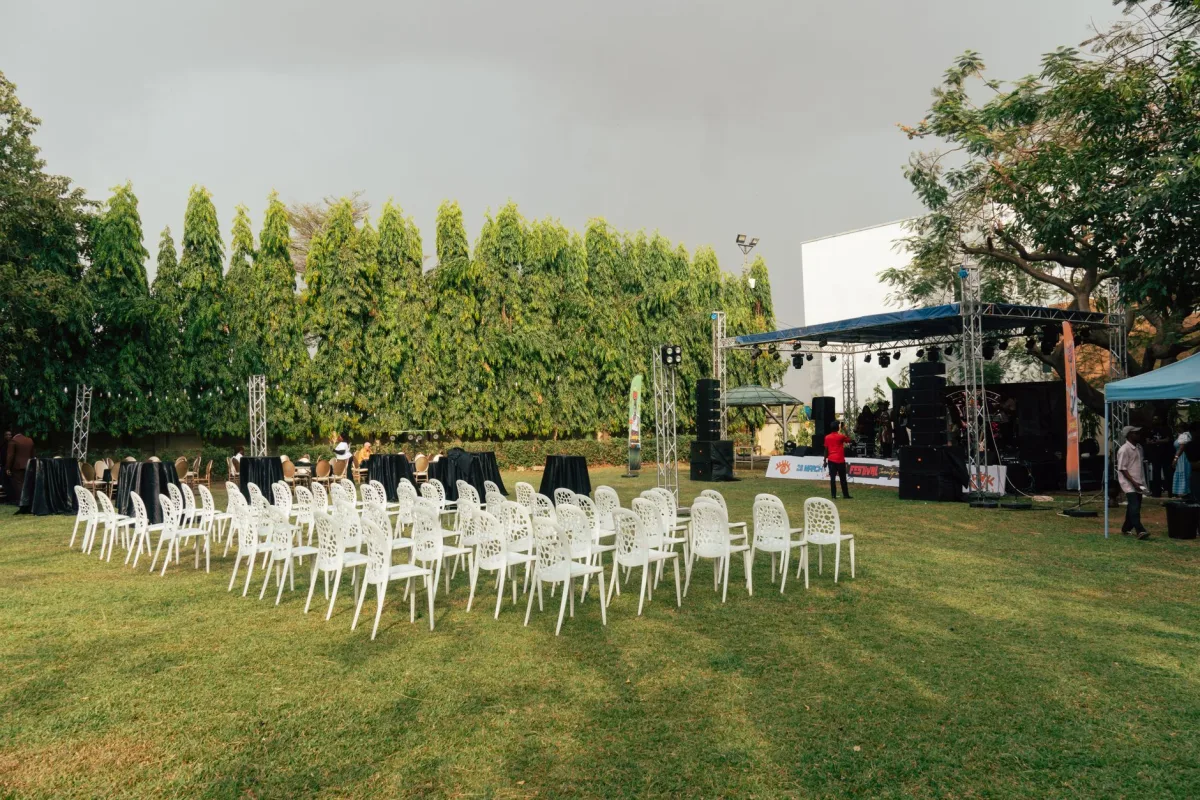
No matter how good the plan, something will not go as scripted, and mature event management plans for that rather than hoping against it. A basic version of risk management is simply asking, for each major element, what happens if this fails, and having an answer ready. The weather turns, a vendor cancels, the timeline slips: none of these need to become disasters if you have thought about them once, in advance, while calm.
- Weather. For anything outdoors, a wet-weather option is not optional. Decide it early and put a decision deadline in the plan.
- Vendor failure. Keep a short list of backups for the most critical suppliers, and know your contract terms.
- Timeline slippage. Build small buffers into the run of show so a late start does not cascade through the whole day.
- A contingency fund. Hold back a modest slice of the budget for the unexpected, because there is always an unexpected.
Phase six: close it out
The event is not quite over when the guests leave. A brief closing phase protects your relationships and your future events: settle final invoices, return hired items, and thank the vendors and helpers who made it work, because you may want them again. If the event was a fundraiser or a corporate occasion, this is also when you measure it against the goal you set in phase one, so you know whether it actually did what it was for.
That loop, from a clear purpose to an honest look back, is the whole of event management in miniature. Weddings run on exactly this structure, and matrimony360 covers each phase in its own right, from the early wedding events that build up to the day to the vendors and venues that carry it. Master the sequence once and every future event, large or small, becomes a matter of filling in the same reliable frame.
Frequently asked questions
What are the main phases of managing an event?
Managing an event breaks into a handful of phases: define the event and its goal, plan and book the venue and vendors, prepare and confirm the details in the final weeks, manage the day itself, plan for what might go wrong, and close out afterwards. Each phase has a distinct job, and doing them in order is what keeps the process calm. Most event problems come from skipping or rushing one of these stages, not from a lack of creativity.
What is the first step in managing an event?
Define the purpose. Before choosing a venue, a theme or a date, answer clearly what the event is for, because that goal decides every later choice. Then set the three numbers that constrain everything: the budget, the guest count and the date. These three flex against each other, so decide them together and write them down. A clearly defined event on paper is worth far more than a pile of loose ideas.
Do I need to hire someone to manage an event?
Not always. A small, familiar event can be managed by one organised person with a good plan and a couple of helpers. Larger, more complex or higher-stakes events benefit from professional help, either a full event company or a single coordinator to run the day. A popular middle path is to plan the event yourself and hire only a day-of coordinator, so you can be present rather than working through your own occasion.
What is a run of show?
A run of show is a minute-by-minute timeline of the event itself, from vendor arrivals and setup through every moment of the day to breakdown and departure. It tells everyone involved what happens when, so nobody has to improvise on the day. Built alongside a contact sheet listing every vendor and helper, it is the single most useful tool for turning a plan into a smooth, on-time event.
How do I handle things going wrong at an event?
Plan for it in advance rather than reacting in the moment. For each major element, ask what happens if it fails and prepare an answer: a wet-weather option for outdoor events, backup vendors for critical suppliers, small time buffers in the schedule, and a contingency fund held back from the budget. Thinking through these risks once, while calm, means that when something does slip on the day it stays a hiccup rather than a crisis.