Event Organizer: The Complete Guide
The person who makes a gathering happen, and the app that helps them do it. What the role covers from DIY host to agency, where software fits, and how much help you really need.
"Event organizer" is one of those phrases that means two different things depending on who is asking. To one person it is a role, the human being who makes a gathering happen. To another it is a tool, the app or software that keeps guests, tasks and schedules in one place. Both meanings are correct, and both matter if you are the one responsible for pulling an event together. This guide takes the term in the round: what an event organizer does, how the job spans everyone from a DIY host to a professional agency, where the software fits, and how to decide how much help you actually need.
The short version
- "Event organizer" means two things: the person who runs an event, and the software that helps run it.
- The role spans a spectrum, from a DIY host organising a party to a professional agency staging a conference.
- Organising is coordination first, creativity second: the value is in reliable delivery.
- Software helps, but does not replace judgement about vendors, budgets and people.
What an event organizer is
In the human sense, an event organizer is whoever takes responsibility for planning and running a gathering, a role that sits inside the wider discipline of event management. That responsibility might rest on a professional who does it for a living, or on an ordinary person organising a party for friends. The title does not require a business card. What it requires is ownership: the organizer is the person the day depends on, the one who decided what happens, booked what was needed, and made sure it all came together.
That is why "event organizer" is such a broad term. It stretches from a parent throwing a birthday to a specialist agency running a global product launch, and everyone in between. The scale changes enormously; the core job does not. An organizer at any level is doing the same thing: turning an idea for a gathering into a real, well-run occasion by managing the people, the money and the timeline.
The organizer as a person: the spectrum
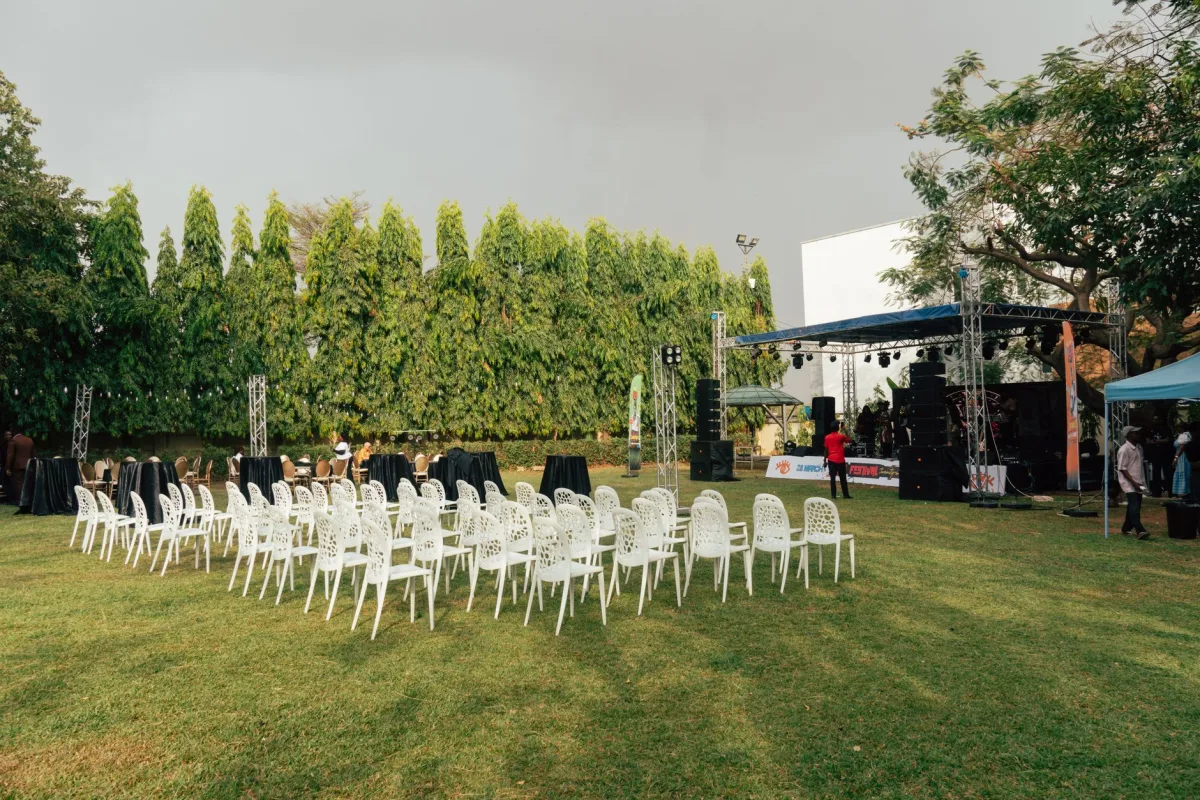
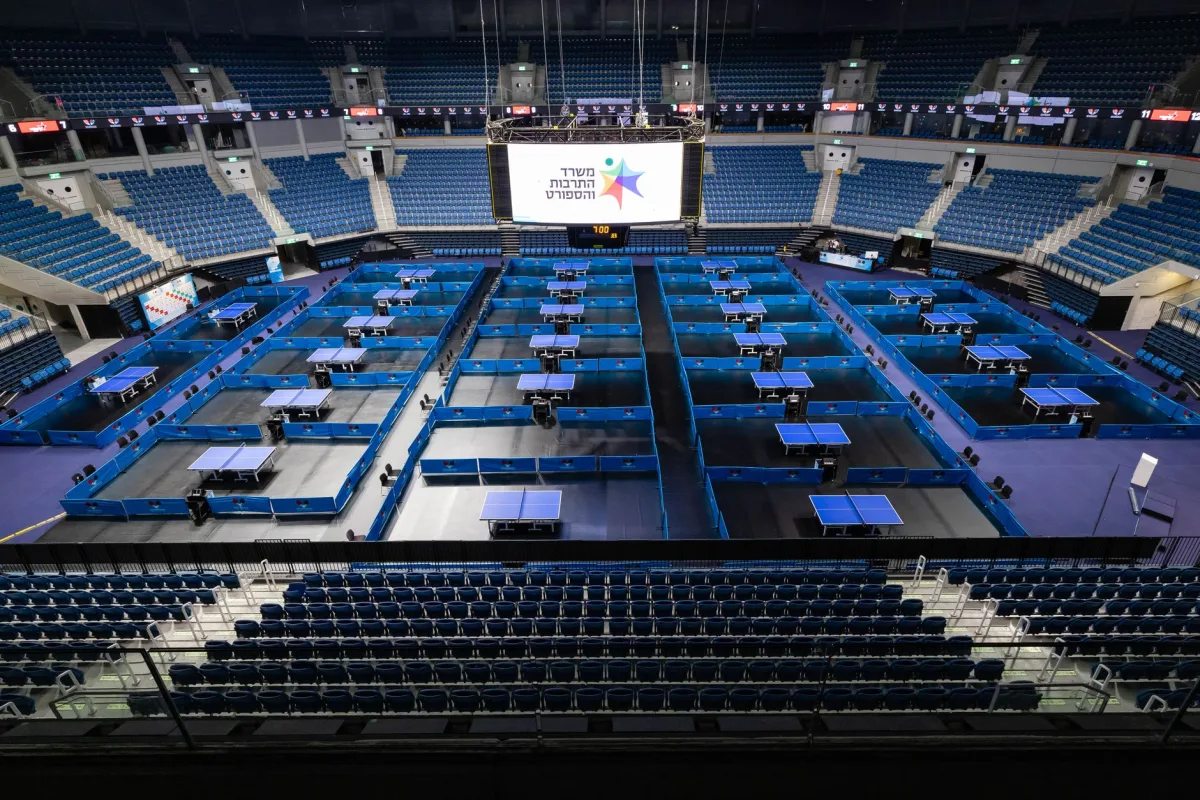


It helps to see event organizing as a spectrum rather than a single job, because where you sit on it decides how much help you need and what to look for.
The DIY host
Organising your own party, dinner or small celebration. No fee, full control, and the whole job resting on you and a few helpers.
The volunteer organizer
Running an event for a club, community or workplace. Often unpaid, frequently juggling a committee and a modest budget.
The professional organizer
A planner or coordinator who organises events for a fee, bringing experience, vendor networks and calm under pressure.
The agency
A full event company with specialists across catering, production and logistics, built for large or complex occasions.
Most people meet the term first as a DIY host and only later, for a bigger event, consider a professional. The honest question is always the same: does the scale and stakes of this event exceed what you can comfortably carry yourself? For a modest gathering, the answer is usually no. For a wedding or a major function, bringing in an event company or a dedicated event coordinator often buys back more stress than it costs.
What the role actually involves
Whatever the scale, organising an event comes down to a recognisable set of responsibilities. The best organizers are not the most creative people in the room: they are the most reliable ones, the people who make sure nothing important is forgotten.
- Setting the goal and budget. Deciding what the event is for and what it can spend, the two anchors for every later choice.
- Booking the venue and vendors. Securing the place and the suppliers, and getting every agreement in writing.
- Managing guests. Invitations, replies, dietary and access needs, and the seating or flow that follows.
- Building the timeline. A run of show that tells everyone what happens when, so the day does not rely on improvisation.
- Running the day and closing out. Directing the event as it happens, then settling invoices and thanking those who helped.
That list is the same whether you are a host or a professional; only the scale of each item changes. If you are organising an event yourself and want the professional's structure, the guide to managing an event walks through these responsibilities as an ordered process, and the event planning checklist turns them into a task list you can work down.
The other meaning: event organizer software
The same phrase is also used for the tools that help you organise. "Event organizer" apps and software have grown into a whole category, and for good reason: much of organising is keeping many moving parts straight, which is exactly what software is good at. These tools typically pull the scattered pieces of an event into one place.
A capable organizer app usually helps with guest lists and replies, a budget tracker that updates as you book, a task checklist with deadlines, and sometimes a seating plan or a shared timeline the whole team can see. For a large event, features like ticketing, registration and check-in matter too. Used well, software removes the mental load of remembering everything and lets you think about the choices that actually need a human. Used badly, it becomes another thing to maintain.
The important caveat: software organises information, but it does not organise the event. It will not judge whether a vendor is trustworthy, negotiate a contract, or read the mood of a nervous host. Treat an organizer app as a filing cabinet and a reminder system, not as a substitute for the decisions and relationships that make an event work.
Organizer, planner or coordinator?
Because "event organizer" is such a broad umbrella, it often overlaps with more specific titles. A planner tends to focus on design and strategy in the months before; a coordinator focuses on execution and the day itself; a manager oversees the whole picture, sometimes across many events. "Organizer" can describe any of them, or an amateur doing all three at once for a single party.
The practical takeaway is not to get lost in titles. When you hire, ignore the label and ask exactly which responsibilities the person will hold and when their involvement begins. When you organise yourself, borrow whichever slice of each role your event needs. The field is wide, from social celebrations to the business-events world of meetings, incentives, conferences and exhibitions known as MICE, and the right amount of help is always the amount your specific event demands.
Where this fits for weddings
Weddings are one of the most common events people find themselves organising, and they sit right at the point where DIY meets professional. Many couples organise most of it themselves and bring in a coordinator only for the day, or hire a planner for the whole journey. matrimony360 exists to help with exactly that stretch, from choosing vendors to running a smooth celebration. If your event is a party rather than a wedding, our guide to the party planner covers the same organising job on a smaller, more social scale. Wherever you land, the principle holds: organising is ownership, and the tools and professionals exist to share the load, not to carry it for you.
Frequently asked questions
What does an event organizer do?
An event organizer takes responsibility for planning and running a gathering. That means setting the goal and budget, booking the venue and vendors, managing the guest list, building the timeline, running the event on the day, and closing it out afterwards. The role can be filled by a professional working for a fee or by an ordinary host organising their own party. The scale changes, but the core job of turning an idea into a well-run occasion stays the same.
Is an event organizer a person or software?
The term is used for both. In the human sense, an event organizer is the person responsible for making an event happen. In the software sense, an event organizer is an app or platform that helps manage guest lists, budgets, tasks and schedules in one place. Both meanings are common. If you are reading about hiring, it usually means the person; if you are reading about apps, it means the tool. The two work together rather than competing.
Do I need to be a professional to organise an event?
No. Plenty of events are organised by ordinary hosts and volunteers rather than professionals. For a small party, dinner or community event, one organised person with a plan and a couple of helpers is usually enough. Professional help becomes worthwhile as the event grows in size, complexity or stakes, such as a wedding or a large function. A common middle path is to organise most of it yourself and hire only a coordinator for the day.
What features should event organizer software have?
The useful core is guest-list and reply management, a budget tracker that updates as you book, a task checklist with deadlines, and often a shared timeline or seating plan. Larger events also benefit from ticketing, registration and check-in tools. The key thing to remember is that software organises information but not judgement: it will not vet a vendor, negotiate a contract or manage people, so treat it as a support system rather than a replacement for real decisions.
What is the difference between an event organizer and a coordinator?
"Event organizer" is a broad umbrella that can describe anyone who runs an event, from an amateur host to a professional agency. "Coordinator" is a more specific role focused on executing a plan and running the day itself. A coordinator is therefore one type of organizer, specialised in delivery. When hiring, do not rely on the title alone: ask exactly which responsibilities the person will carry and when their work begins, because the same word means different things to different firms.