
Event Management Co: The Complete Guide
What an event management company delivers, its service tiers, how fees really work, and how to choose one that fits your event and budget.
An event management co, short for event management company, is a business that takes a gathering off your hands and delivers it end to end: concept, budget, vendors, logistics and the day itself. For a wedding, a corporate launch or a large celebration, the right company can be the difference between a stressful project and a genuinely enjoyable one. This guide explains what these companies actually do, what they cost, and how to choose one without being dazzled by a slick brochure, so you know exactly what you are buying before you sign.
The short version
- An event management co delivers the whole event. Not just ideas, but sourcing, contracts, logistics and on-the-day execution.
- Services are usually tiered. From full management to partial planning to day-of coordination, priced to match.
- Ask how they charge. Flat fee, percentage of budget or commission each change what you pay and where their incentives sit.
- Fit matters as much as portfolio. You will spend months with this team, so trust and communication count for as much as their past work.
What an event management company actually does
An event management company handles the planning and delivery of an event as a single service. The discipline of event management covers the full lifecycle: understanding the brief, designing the concept, setting and holding the budget, sourcing and contracting vendors, managing logistics, and running the event on the day. A good company owns all of that, so the client makes decisions rather than chasing suppliers.
The value is not only in doing the work but in the relationships and judgement behind it. Established companies have vendor networks, know which venues suit which events, and have solved the problems you are about to meet for the first time many times over. If you want the broader landscape of the sector, our guide to event management companies maps the different kinds of firm, and the event companies overview covers the wider category of businesses in the space.
Full management, partial planning or day-of only

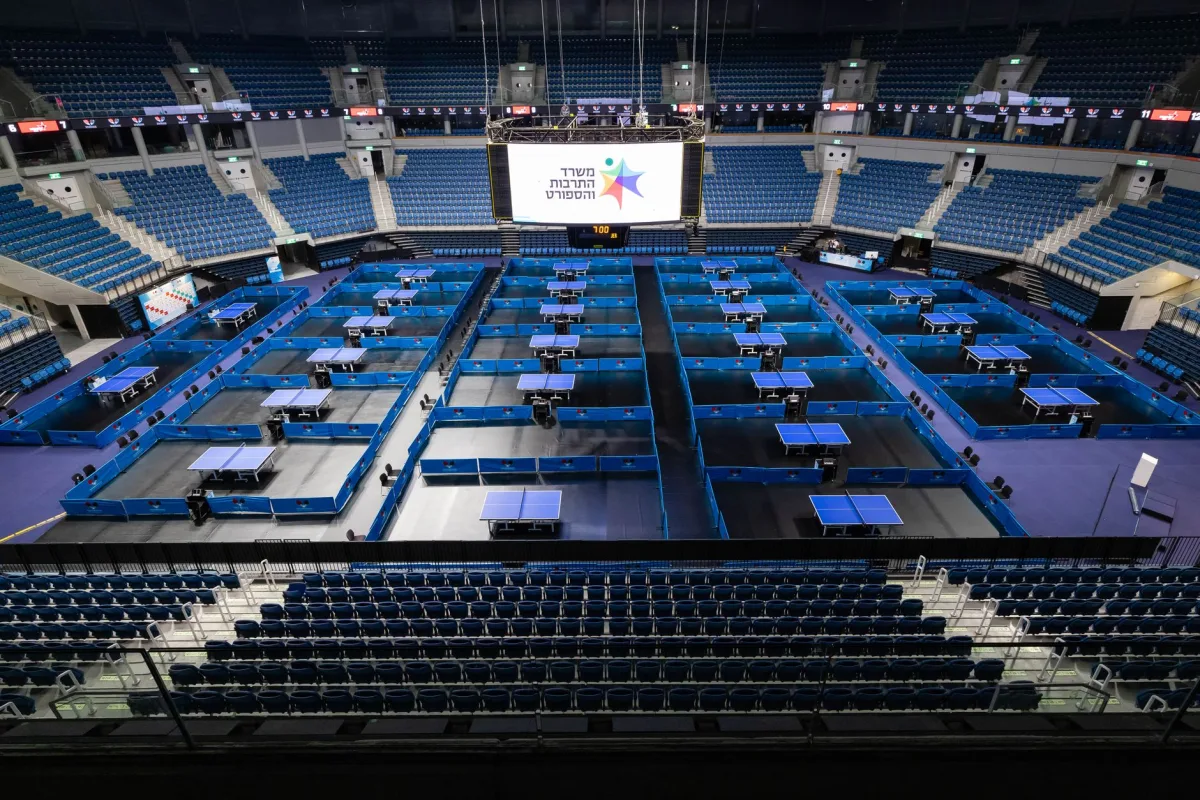


Most event management companies offer a ladder of services, and understanding the rungs saves money and confusion. You are rarely choosing between everything and nothing; you are choosing how much of the work to hand over.
Full management
The company owns the entire event from concept to breakdown. Best when you want minimal involvement or the event is large or complex.
Partial planning
You handle some elements and the company steps in for the rest, often the parts you lack time or contacts for. A middle path on budget and control.
Day-of coordination
You plan everything, and the company runs the day so you can enjoy it. The lowest-cost tier, ideal for confident, hands-on hosts.
Specialist services
Some firms focus on one niche, such as destinations, corporate conferences or cultural weddings, and bring deep expertise to it.
A related but distinct option for events held away from home is a destination management company, which specialises in local knowledge and logistics in a particular place. For workplace and corporate events, our company event management guide covers the specific concerns of business gatherings.
How event management companies charge
Pricing is where clients are most often caught out, because different companies structure fees in very different ways. There is no single right model, but you should always know which one you are agreeing to and what it includes. The common structures are these.
- Flat fee: a fixed price for a defined scope. Predictable, and the company's fee does not rise just because your budget does.
- Percentage of budget: the fee is a share of total spend, often in the region of ten to twenty percent. Simple, but be aware it can create an incentive to spend more.
- Per-hour or per-service: useful for partial or advisory work where the scope is limited and clear.
- Commission-based: the company is paid by vendors rather than you. This can feel cheaper but may narrow which suppliers they recommend, so ask about it directly.
Whatever the model, insist on a written scope that lists precisely what is and is not included, and how changes are priced. Real numbers vary enormously by country, event type and scale, so treat any figure you read online as a rough starting point rather than a quote, and always gather several proposals to compare like for like.
How to choose the right company
Choosing well is less about finding the most impressive portfolio and more about finding the best fit for your specific event and way of working. A structured shortlist beats a gut reaction to a pretty website.
- Match the specialism. A company that shines at corporate conferences may not be the right choice for an intimate cultural wedding, and vice versa.
- Read real reviews and references. Ask to speak to past clients with events like yours, not just to read curated testimonials.
- Test communication early. How quickly and clearly they respond during the sales stage is a fair preview of how they will work later.
- Understand who actually runs your event. The person who sells to you is not always the one on the day. Ask to meet your real coordinator.
- Get everything in writing. Scope, price, payment schedule, cancellation terms and what happens if a key vendor falls through.
A professional and transparent way to compare companies formally is to issue a request for proposal, a short document describing your event and asking each company to respond with their approach and price. Even a simplified version, sent to three firms, quickly reveals who has understood your brief and who has sent a template.
When you do and do not need one
An event management company is an investment, and it is not always the right one. Being honest about when it pays off will save you both money and disappointment.
You most likely benefit from a company when the event is large or logistically complex, when you have little time or few vendor contacts, when the stakes are high, or when you simply want to be a guest at your own event rather than its manager. You may not need one for a small, simple gathering, when you genuinely enjoy planning and have the hours for it, or when a capable friend can run the day. In many cases the day-of coordination tier is the sweet spot: you keep control and cost down, but hand over the part that is hardest to do while also being present.
Event management companies and weddings
Weddings are one of the most common reasons people hire an event management company, and here the line between an event manager and a wedding planner blurs almost completely. A wedding is a large, emotional, multi-vendor event with an unforgiving timeline, which is exactly the kind of project a good company is built to absorb. If a wedding is what you are planning, our wedding management guide focuses on that specific case. At Matrimony360 we see the whole arc, from helping two people find each other to helping them celebrate, and a trustworthy event management company is often the final piece that lets the couple relax into their own day.
Frequently asked questions
What does an event management company actually do?
An event management company plans and delivers an event as a single service. That covers understanding the brief, designing the concept, setting and holding the budget, sourcing and contracting vendors, managing logistics, and running the event on the day. The client makes decisions while the company does the work and absorbs the problems. Their real value lies in vendor networks, judgement and experience built across many similar events.
How much does an event management company cost?
Costs vary enormously by country, event type and scale, so any single figure is misleading. What matters more is the fee structure: a flat fee, a percentage of the total budget often around ten to twenty percent, an hourly rate, or a commission paid by vendors. Always ask which model applies, insist on a written scope of what is included, and gather several proposals so you can compare on a like-for-like basis rather than on headline numbers.
What is the difference between full and day-of service?
Full management means the company owns the entire event from concept to breakdown, ideal when you want minimal involvement. Day-of coordination means you plan everything yourself and the company runs only the day, so you can be present rather than working. Between them sits partial planning, where you handle some elements and the company covers the rest. The right tier depends on your time, budget and how much control you want to keep.
How do I choose a good event management company?
Match the company's specialism to your event, since a corporate expert may not suit an intimate wedding. Speak to past clients with similar events rather than only reading testimonials, and treat their communication during the sales stage as a preview of the whole relationship. Ask who will actually run your event on the day, and get scope, price, payment terms and cancellation policy in writing before you commit. Comparing three written proposals reveals a great deal.
Do I need an event management company for a small event?
Usually not. For a small, simple gathering, especially if you enjoy planning and have the time, you can manage it yourself or with help from a capable friend. Companies earn their fee when events are large, complex, high-stakes or when you want to be a guest rather than the organiser. If your only concern is the day itself, consider the lower-cost day-of coordination tier instead of full management.