Inexpensive Wedding Venues: The Complete Guide
The venue types worth considering, why they cost less, realistic budgets, how to elevate a plain space, and the trade-offs to weigh before you book.
An inexpensive wedding venue is not a compromise; it is a strategy. Some of the most memorable weddings happen in community halls, gardens and restaurant back rooms that cost a fraction of a grand hotel, because the couple understood a simple truth: guests remember the warmth of a day, not the price of the room. This guide maps the whole world of low-cost venues, explains why some spaces cost so much less than others, gives you realistic budget expectations, and shows how to make a modest space look anything but cheap.
The short version
- Inexpensive venues fall into clear types: public spaces, community halls, homes and gardens, and restaurants, each with its own savings and trade-offs.
- Venues cost less when they do less. A bare space that leaves catering, hire and staffing to you is cheaper up front but shifts work and cost onto you.
- Presentation, not budget, decides how a venue reads. Good lighting, flowers and layout make a plain hall feel elevated for very little money.
- The date and guest count matter more than the venue. Off-peak timing and a smaller list cut costs across the board.
What counts as an inexpensive wedding venue
"Inexpensive" is relative, but in practice it describes venues that either charge a low hire fee or none at all, usually because they are not dedicated wedding businesses. Instead of a purpose-built space that bundles catering, staffing and decor into a premium price, an inexpensive venue tends to give you four walls, or an open sky, and leave the rest to you. That is both the saving and the catch: you pay less for the space but take on more of the arranging.
It helps to remember what you are actually paying for. A wedding reception is a party, and a party needs a place, food, drink, seating and a little atmosphere. A premium venue charges you to solve all of those in one invoice; an inexpensive one solves the "place" and lets you shop around for the rest, often at a real saving if you are willing to do the legwork. Judged that way, inexpensive venues are less about doing without and more about unbundling.
Types of inexpensive venue
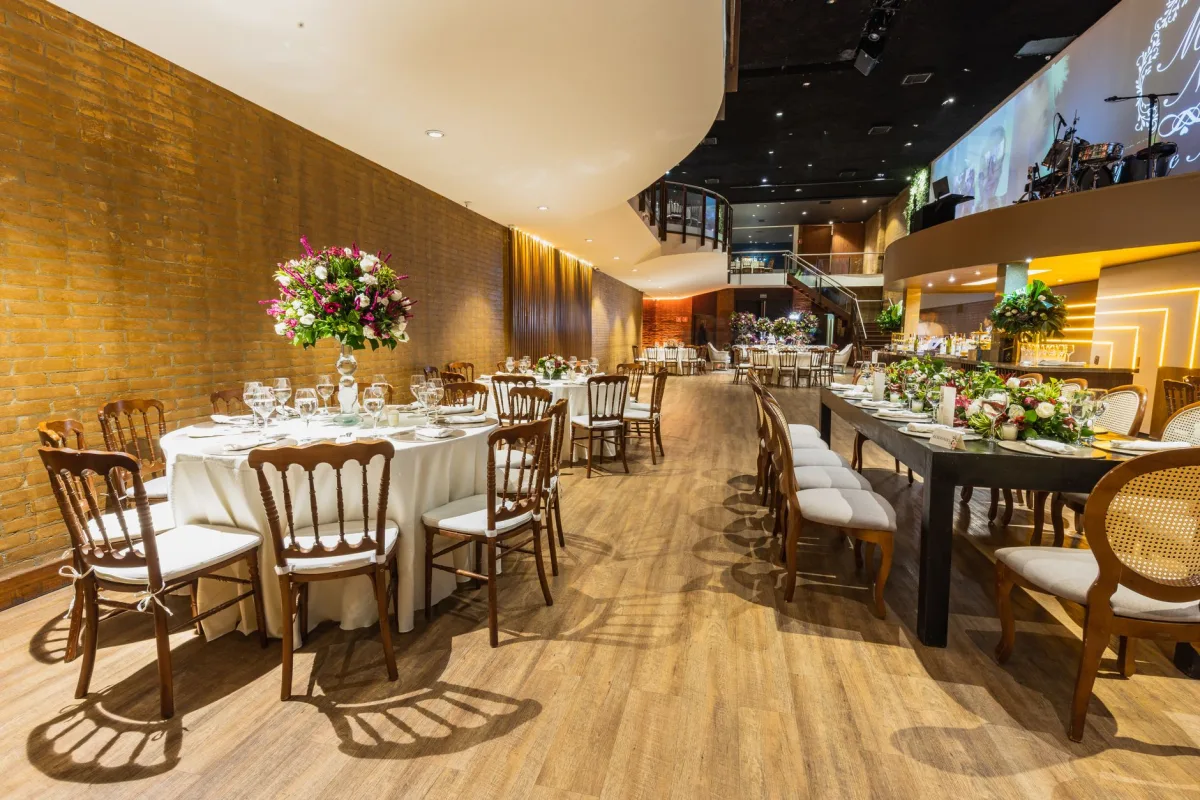
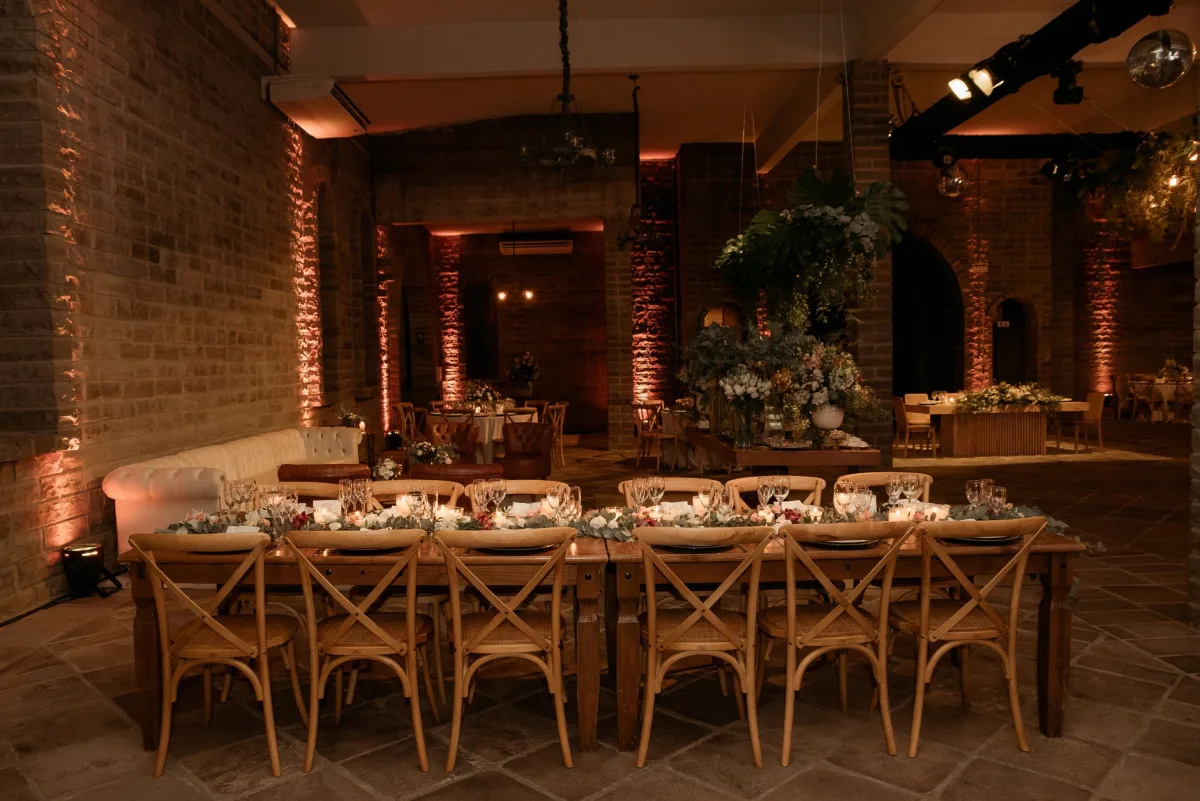
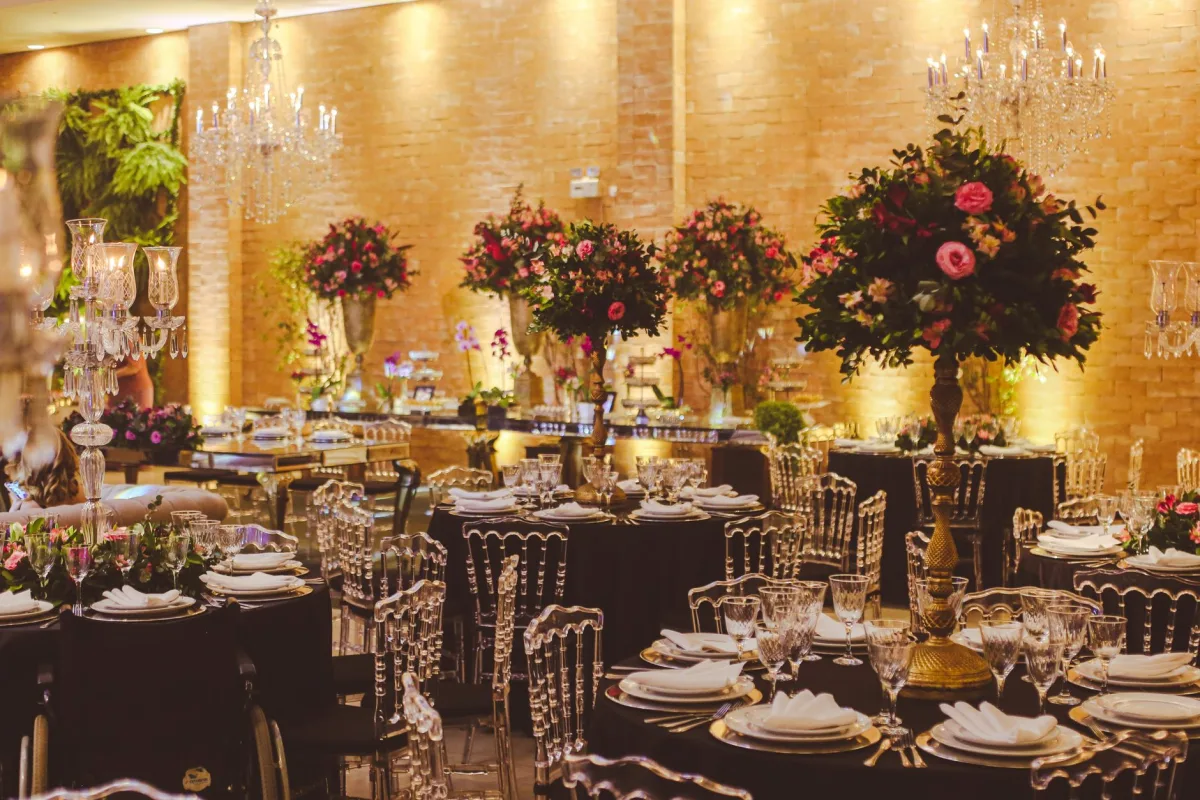
Low-cost venues cluster into a handful of recognisable types. Knowing them helps you target your search rather than scrolling endless listings of places you cannot afford.
Public and outdoor spaces
Parks, botanical gardens, beaches and public gardens. Often a small permit fee only. Gorgeous backdrops for very little, though you supply almost everything and depend on the weather.
Community halls
Village halls, community centres, arts venues and club rooms. A modest flat hire fee, blank-canvas interiors, and usually the freedom to bring your own caterer and drinks.
Homes and gardens
A family backyard or a relative's land. Nearly free for the space itself, deeply personal, but tents, toilets, tables and power quickly add up.
Restaurants and pubs
Function rooms and private dining spaces. Frequently no hire fee at all if you meet a food-and-drink minimum, with catering and staff already handled for you.
Two more categories are worth a mention: places of worship and their halls, which can be very affordable for members, and unusual spaces such as museums, historic societies, sports clubs and working farms that rent out rooms off the wedding radar. For a local search focused on choosing between these, our guide to affordable wedding venues near you walks through the decision step by step.
Why some venues cost so much less
Understanding the price gap helps you shop wisely rather than assuming cheap means worse. Venues charge more mainly for three things: exclusivity, service and demand. A dedicated wedding venue prices in the fact that only one couple books it per day, that staff set up, serve and clean, and that everyone wants a peak Saturday in summer. An inexpensive venue simply carries less of that overhead.
- They do not specialise in weddings. A community hall or restaurant earns its living other ways, so the wedding hire is incremental income priced modestly.
- They unbundle the extras. You pay only for the space and source catering, hire and decor yourself, often more cheaply than a venue would mark them up.
- They are flexible on dates. Without a premium reputation to protect, they are happy to fill quiet off-peak days at low rates.
- They expect you to do more. Self-setup and self-clean keep the fee down, trading your effort for their labour cost.
Realistic budgets
Real numbers vary enormously by country and region, so think in tiers rather than fixed figures. At the lowest end, a park permit or a home garden can cost very little for the space alone, though you then fund everything else. A community hall typically charges a modest flat fee for the day. A restaurant or pub function room often charges no hire fee but sets a minimum spend on food and drink, which becomes your effective venue cost.
The crucial point is that the space is only one line in the budget. A "free" garden can end up costing more than a hall once you rent a marquee, tables, chairs, lighting, toilets and a generator, while a restaurant that charges nothing for the room may work out cheaper because catering and staff are already included. Always tally the full cost of making a venue usable, not just its hire fee, and set that total against your overall wedding budget. A banquet hall package that bundles the extras can sometimes beat a bare space once you count everything you would otherwise rent.
Making an inexpensive venue look elevated
Here is the reassuring part: how expensive a venue looks has surprisingly little to do with how much it cost. A plain hall or a simple garden can be transformed with a few well-chosen touches, and guests respond to atmosphere far more than to price tags.
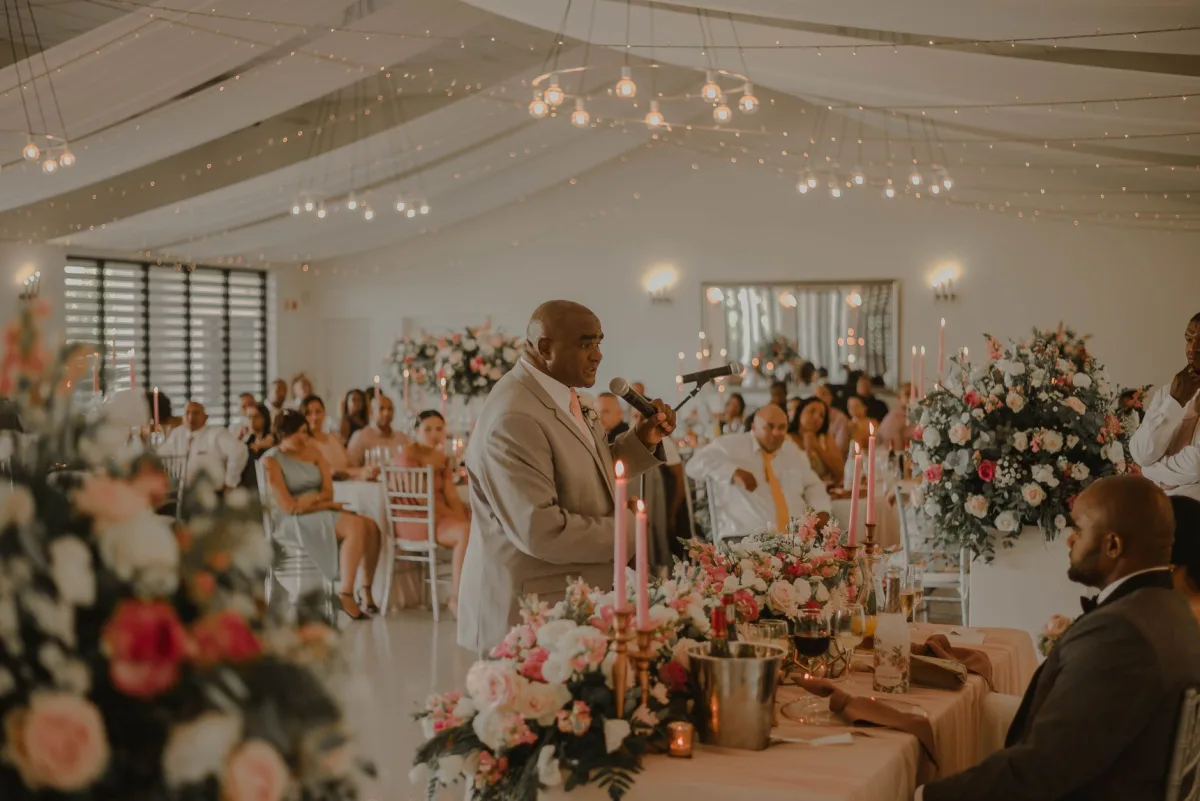
- Light it well. Warm string lights, candles and uplighting hide a dated ceiling and turn any room intimate after dark. Lighting is the highest-impact, lowest-cost upgrade there is.
- Concentrate the flowers and greenery. A few generous arrangements where guests gather read as lavish; spreading a small budget thinly reads as sparse.
- Control the layout. Grouping tables, framing the entrance and creating a clear focal point makes even a bare room feel designed.
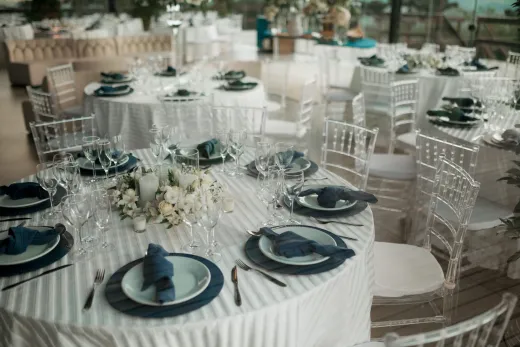
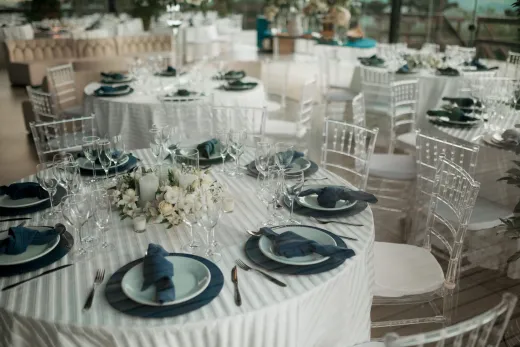
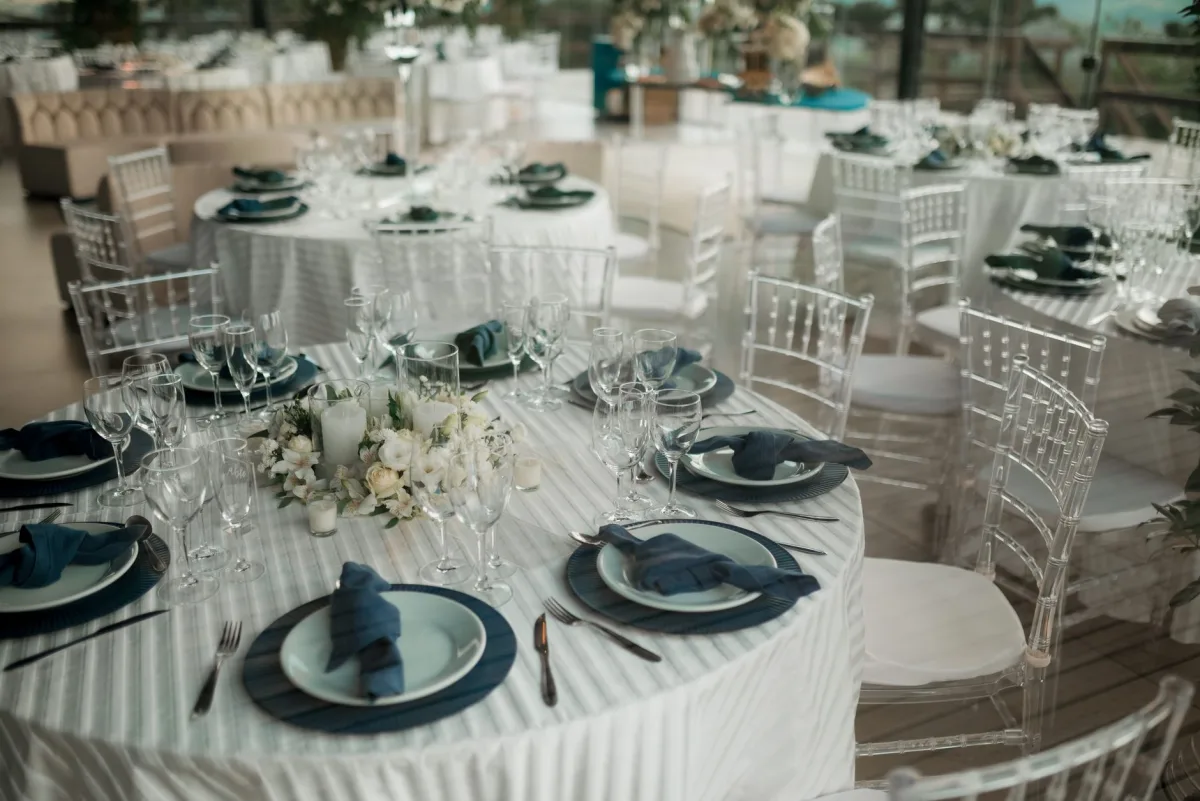
- Dress the tables. Good linen, a little height and consistent styling do more for the look than an expensive venue with careless setup.
- Lean into the character. A rustic barn or a leafy garden already has charm; work with what the space offers rather than fighting it.
Spend where guests look and skip what they will not notice. A beautifully lit, well-styled community hall photographs better than a grand room left plain, and it costs a fraction as much.
Trade-offs to weigh
Inexpensive venues save money by shifting effort and risk onto you, so it is worth being clear-eyed about what you are taking on. A blank-canvas space means arranging catering, hire, staffing and cleanup yourself, which is real work and worth costing in time as well as money. Outdoor venues carry weather risk and often need a backup plan, extra hire and permits. Home weddings can strain the household and the neighbours, and may need insurance and licences you would not otherwise think about.
None of these is a reason to avoid inexpensive venues; they are simply the terms of the deal. Go in knowing that a low hire fee buys you the space and not the service, budget for the extras honestly, and decide whether you have the time and helpers to manage the parts a premium venue would handle. For many couples the answer is an easy yes, and the savings fund a honeymoon or a bigger guest list instead.
Booking checklist
Once you find a promising inexpensive venue, a short checklist keeps you out of trouble. Confirm the all-in cost, not just the hire fee, and get it in writing. Check what is included, tables, chairs, kitchen access, power, parking and toilets, and price anything missing. Ask whether you can bring your own caterer and drinks, since that freedom is where much of the saving lives. Clarify the hire hours, setup and cleanup windows, and any overtime charges.
Finally, sort the practicalities: any permits or licences, insurance requirements, a wet-weather plan for outdoor spaces, and the deposit and cancellation terms. Tick those off and an inexpensive venue becomes a genuine bargain rather than a gamble. An inexpensive wedding venue, chosen with open eyes and dressed with a little care, delivers the thing that actually matters: a warm, personal celebration that leaves your budget intact. For the full range of venue styles and what shapes their price, our overview of wedding venues is the natural next read, and Matrimony360's planning guides can help you build the rest of the day around it.
Frequently asked questions
What is the cheapest type of wedding venue?
The cheapest options are usually public outdoor spaces, such as a park or public garden with only a small permit fee, and home gardens, which are nearly free for the space itself. Community halls are a close third with a modest flat fee. The catch is that these bare spaces leave catering, seating and decor to you, so the true cost depends on how much you have to add to make the space usable.
Do restaurants really cost nothing to hire for a wedding?
Many restaurants and pubs waive a separate hire fee for their function room, but they set a minimum spend on food and drink instead, which becomes your effective venue cost. In exchange you get catering, staff and cleanup already handled, which can make a restaurant genuinely cheaper overall than a bare hall where you rent and arrange everything yourself. Always confirm the minimum spend before booking.
How can I make a cheap venue look expensive?
Focus your budget where guests look. Warm lighting, whether string lights, candles or uplighting, is the single highest-impact upgrade and hides a plain room. Concentrate flowers and greenery where people gather rather than spreading them thin, dress the tables with good linen and a little height, and plan the layout so the space feels designed. Atmosphere, not the hire fee, is what guests actually notice.
Are inexpensive venues more work to organise?
Generally yes. A low fee usually means the venue provides the space and little else, so you arrange catering, hire, staffing, decor and cleanup yourself. Outdoor and home venues add weather planning, permits and extra rentals. This is the trade for the saving. If you have the time and helpers it is well worth it; if not, a restaurant or an all-inclusive package that handles the extras may suit you better despite a higher headline price.
What hidden costs come with a bare or outdoor venue?
Bare and outdoor spaces often need rented tables, chairs, linen, lighting, a marquee or tent, portable toilets, power or a generator, and sometimes a permit and event insurance. A home wedding may need a licence and extra insurance too. These can add up to more than a modest hall's fee, so always cost the full setup, not just the hire charge, before deciding a venue is truly inexpensive.