Cheap Wedding Venues: The Complete Guide
Non-traditional spaces, guest count and date as your main levers, the hidden fees to watch, and how to make cheap mean genuine value.
A beautiful wedding does not have to come from an expensive venue. The venue is usually the largest single cost of the whole day, so it is also the place where the smartest savings live, and where a little knowledge stretches the budget furthest. This complete guide takes the wide view of cheap wedding venues: which types genuinely cost less, the two levers that move the price more than anything else, the hidden fees that quietly erase a bargain, and the practical ways to spend less without the day feeling like you did. It is the pillar to read before you start comparing individual options.
The short version
- Non-traditional spaces are cheapest. Halls, clubs, gardens and homes routinely undercut dedicated wedding venues.
- Guests and date are the master levers. A shorter list and an off-peak slot save more than any negotiation.
- Watch the hidden fees. Minimum spends, corkage and cleanup can turn a low fee into a high bill.
- Cheap should mean value. The best affordable venue is a low true total, not merely a low first number.
What makes a wedding venue cheap
The cost of a venue is really the cost of a wedding reception stacked into one place: the hire of the space, the food and drink, and the extras such as furniture, staff and cleanup. A venue can be cheap because its hire fee is low, because it bundles a lot in for a modest per-head price, or because it lets you supply the expensive parts yourself. Those are different kinds of cheap, and confusing them is the most common budgeting mistake couples make.
The clearest way to think about it is to separate the space from everything that happens inside it. A dedicated wedding venue charges a premium partly for the setting and partly for the convenience of handling catering, furniture and staff for you. A blank space charges far less for the room but hands you the job of arranging the rest. Neither is automatically cheaper overall; it depends on your guest count and how much you are willing to organise. Decide which kind of value you are chasing before you compare a single price.
The venue types that cost less
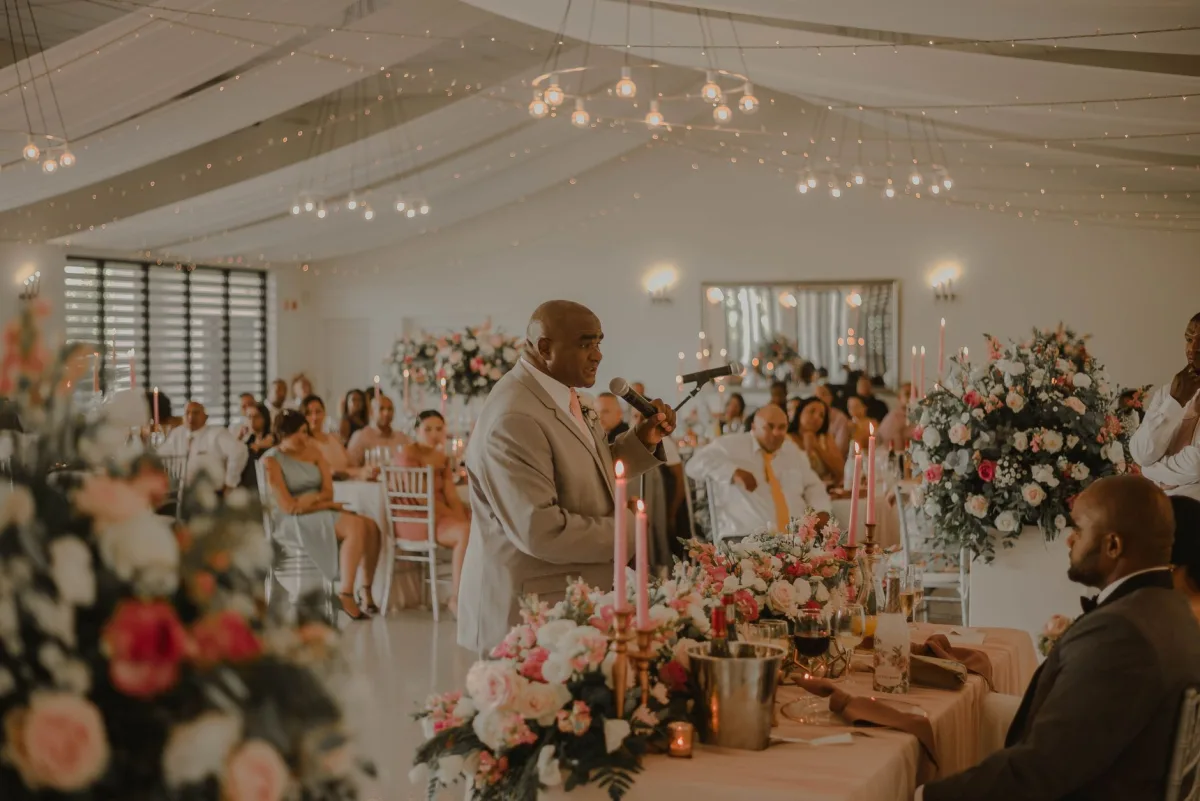
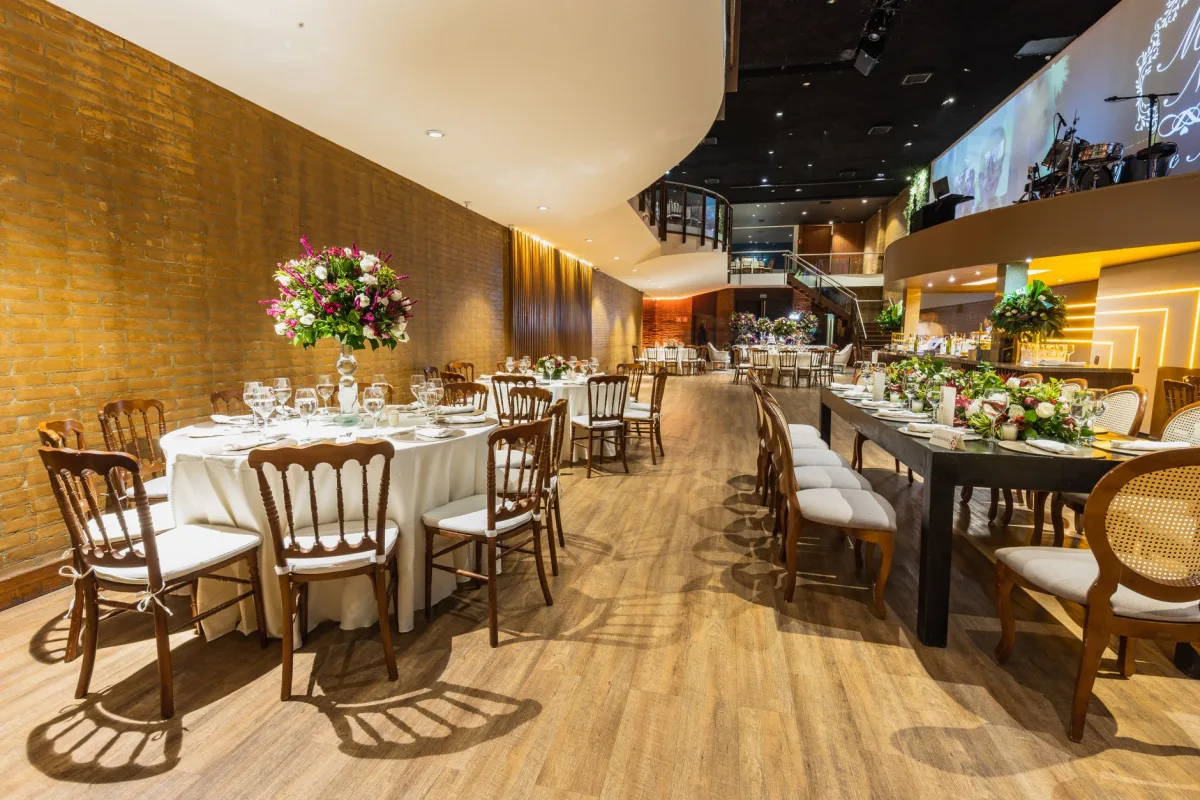
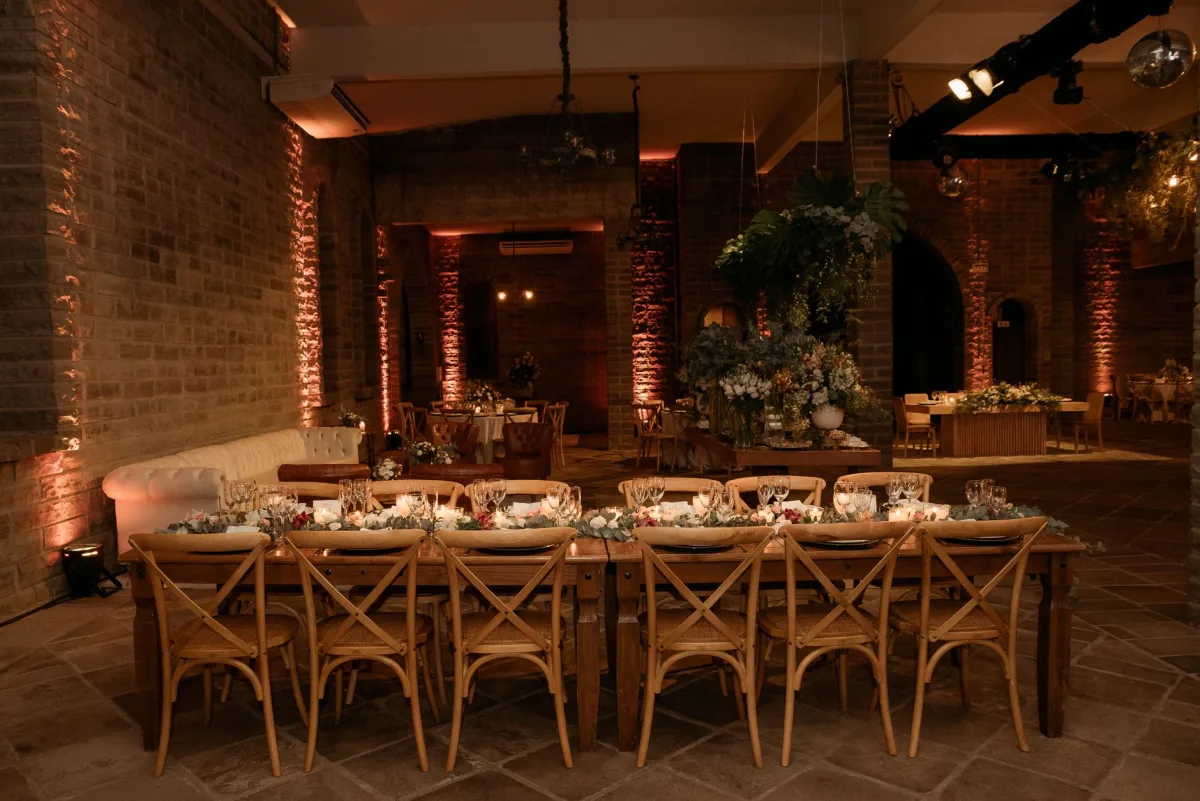
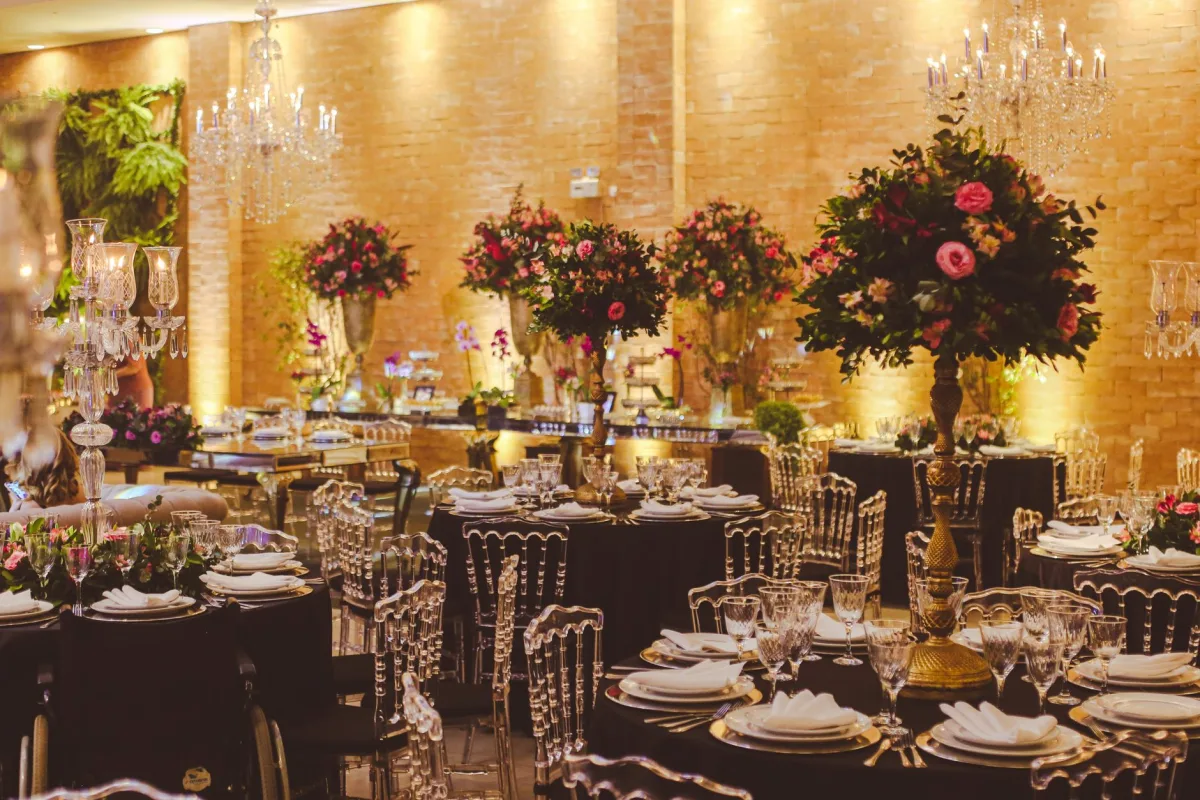
Some categories of venue are consistently more affordable than others. Knowing the strengths and trade-offs of each helps you look in the right places rather than assuming every wedding needs a purpose-built setting.
Community and village halls
A community centre or village hall is often the cheapest hire of all. A blank canvas to decorate and cater yourself, ideal for hands-on couples.
Restaurants and pubs
A private room or whole-venue hire with food built in, frequently with no separate room fee if you meet a food and drink minimum.
Parks and public gardens
Council gardens, botanic spaces and park pavilions host ceremonies and relaxed receptions for a modest permit fee.
Home and garden weddings
A backyard or a relative's land removes the venue fee entirely, though you budget for a marquee, hired facilities, tables and power.
Clubs, museums and civic spaces
Sports clubs, social clubs, libraries and smaller museums often hire function rooms well below dedicated wedding venues.
Off-peak dedicated venues
Even a full wedding venue discounts heavily for weekdays and quiet seasons to fill an otherwise empty calendar.
Timing and guest count: the two biggest levers
Before chasing discounts, understand what drives the price, because two decisions move it more than any other. Guest count is the master lever: most venue and catering costs are charged per head, so trimming the list does double duty, cutting the per-person spend and unlocking smaller, cheaper spaces that a large group would rule out. Going from a big wedding to an intimate one is the single most powerful saving available, and it usually makes the day feel warmer, not lesser.
Timing is the second lever. A Saturday evening in peak season is the most expensive slot in the calendar; a Friday, Sunday, weekday or off-season date can carry a large discount for the very same room. Holding the celebration earlier in the day saves again, because a brunch or afternoon event leans on a lighter meal rather than a full dinner and a late bar. Flexibility on date and time is the most valuable thing you can offer a venue, and many will meet a couple willing to fill a quiet slot. Our guide to small wedding venues goes deeper on the guest-count lever specifically.
Hidden costs that erase the savings
The great trap of cheap venues is the bargain that quietly stops being one. A low hire fee often comes attached to a high compulsory catering or bar minimum, which is simply where the money reappears. A blank hall with a tiny fee can end up dearer than a package once you add table and chair hire, linen, staff, decor, a licence and cleanup, all of which the package had already folded in. The advertised number is almost never the final number.
Guard against the usual culprits: service charges added to every bill, corkage that cancels the saving of bringing your own drinks, overtime fees for running past your slot, cleanup charges, and non-refundable deposits with strict cancellation terms. The defence is simple but non-negotiable: for every venue, get an all-in quote for your date and guest count, in writing, listing each charge by name. Then run the total two ways, as a package and as a build-it-yourself hall, and let the true figures decide. Our wedding budget checklist gives you the structure to compare them without fooling yourself.
Ways to spend less without feeling cheap
Beyond the venue type and the timing, a handful of moves reliably lower the cost while keeping the day lovely. None of them require your guests to notice a compromise.
- Shorten the guest list. The biggest saving there is, and often the most personal choice too.
- Choose an off-peak date and time. A weekday, Sunday or off-season slot can discount the same venue substantially.
- Combine the ceremony and reception in one place. One venue, one setup and no transport between sites saves on several fronts.
- Pick a naturally beautiful space. A garden, a characterful hall or a waterfront needs far less decorating to look complete.
- Self-cater or use flexible catering. Venues that allow outside catering or your own drinks, with low corkage, open cheaper menu options.
- Keep decor simple and reusable. Move ceremony flowers to the reception, and lean on candles and greenery rather than elaborate installations.
- Consider a brunch or afternoon-tea reception. A lighter meal at a quieter hour costs less than a full evening dinner and bar.
Realistic price ranges and how to read them
Real numbers help only if you treat them as rough guides, because venue pricing swings enormously by country, city and season. At the low end, community halls, home gardens and public park spaces can bring the venue itself down to a modest hire or permit fee, with the real spend going on catering and rentals. Restaurants, pubs and off-peak halls occupy the middle, often working on a per-head basis with little or no separate room fee. Dedicated wedding venues sit highest, though even they discount for quiet dates.
The key is never to compare a bare hire fee against an all-inclusive package as if they were the same thing. A hall that looks cheap can lose to a package once you tally everything you must add, or it can win handily if your guest count is small and you are happy to organise the rest. Ask each venue to price an identical brief, a full day for your numbers with food, and the genuinely affordable option reveals itself. For neighbouring takes on the same goal, our guides to inexpensive wedding venues and affordable wedding venues near you are worth reading alongside this one.
How to choose a cheap venue well
Affordability is the goal, but it should never be the only test. The best cheap venue is one that is also the right size for your guests, easy for people to reach, and pleasant enough that it does not need a fortune in decor to look finished. Weigh price against those basics, because a venue too far, too small or too bare is not a saving no matter how low the fee. Read reviews for recurring patterns, visit in person, and get every charge in writing before you commit.
Once the venue is set, the biggest remaining cost is usually the food, so it pays to understand how catering is priced and where it can flex; our complete guide to wedding catering pairs naturally with this one. When you move from broad research to actual local options, the same value-first thinking carries straight into our guide to cheap wedding venues near you, which turns these principles into a shortlist. Matrimony360 keeps these guides together so the budget stays whole from first search to signed contract.
The bottom line
Cheap wedding venues are not about settling; they are about spending where it counts. Look to non-traditional spaces, use guest count and date as your main levers, and read every quote for the minimum spends, corkage and cleanup fees that decide whether a bargain holds. Compare true all-in totals rather than headline fees, keep the basics of size, access and setting in view, and remember that the aim is value, not merely a low first number. Do that, and you will host a wedding that looks and feels generous while leaving far more of your budget for the life that follows it.
Frequently asked questions
What are the cheapest types of wedding venue?
The most affordable options are usually non-traditional spaces: community and village halls, restaurants and pubs with private rooms, public parks and gardens, homes and gardens, and civic spaces like clubs, libraries and smaller museums. Even dedicated wedding venues discount heavily for off-peak dates. These tend to cost far less than purpose-built wedding venues, though blank spaces mean you supply catering, furniture and decor yourself, so compare the true all-in cost rather than the hire fee alone.
How can I keep my wedding venue cost low?
Pull the two big levers first: trim the guest list, since most costs are per head, and choose an off-peak date or an earlier time of day. Combine the ceremony and reception in one place, pick a naturally beautiful space that needs little decor, and use venues that allow flexible or outside catering. Keep decor simple and reusable. Above all, compare true all-in totals so you are genuinely cutting cost, not just shifting it into a hidden line.
Is a cheap venue always the most affordable choice overall?
Not necessarily. A venue with a very low hire fee can end up more expensive once you add catering, table and chair hire, linen, staff, decor and cleanup that a pricier all-inclusive package had already included. A low fee can also carry a high compulsory catering or bar minimum. The cheapest venue overall is the one with the lowest true total for your guest count, so always price the same full brief at each option before deciding.
What hidden fees should I watch for?
Watch for compulsory catering or bar minimum spends, service charges added to the bill, corkage on your own drinks, table and chair hire not included in the fee, overtime charges for running late, cleanup fees, and non-refundable deposits with strict cancellation terms. Any venue that will not give you a firm all-in figure for your date and numbers is the biggest warning sign of all. Get every charge in writing before you sign anything.
Does a smaller wedding really save money?
Yes, and it is usually the single most effective saving available. Because most venue and catering costs are charged per head, cutting the guest list reduces the per-person spend directly, and a shorter list also unlocks smaller, cheaper spaces that a large group could not use. An intimate wedding often feels warmer rather than lesser, so trimming numbers frequently improves the day while lowering the bill at the same time.