Small Wedding Venues: The Complete Guide
What counts as small, which venue types suit an intimate headcount, and how to weigh cost, comfort and character before you book.
A small wedding is not a scaled-down version of a big one. It is a different kind of day, with its own logic, and the venue is where that logic lives or dies. Book a cavernous ballroom for thirty guests and the room swallows the warmth; find the right small wedding venue and the same thirty people feel like a full, glowing celebration. This guide walks through what "small" really means, which venue types suit an intimate headcount, and how to weigh cost, comfort and character before you sign anything.
The short version
- Match the room to the headcount. A space that fits your guest list snugly feels warmer than one you rattle around in.
- Small can mean restaurants and homes, not just banquet halls: private dining rooms, gardens, cottages and lofts all work beautifully.
- Minimums matter more than the hire fee. Many venues set a food-and-drink spend floor that quietly sets your real budget.
- Fewer guests buys quality. The saving on a small headcount is best spent on food, comfort and one or two things you will remember.
What counts as a small wedding venue
There is no official cut-off, but in practice a small wedding is usually somewhere between roughly ten and fifty guests, and a small wedding venue is any space designed, or willing, to host a celebration at that scale without feeling empty. That definition is deliberately loose because the category is broad. It includes restaurants with a private room, boutique hotels, a family garden, a village hall, an art gallery, a cosy pub with an upstairs floor, and even the front room of a home. What unites them is intimacy: everyone can hear the speeches, and the couple can genuinely talk to every person who came.
It helps to separate "small wedding" from two neighbours it is often confused with. An elopement is usually just the couple and their witnesses, sometimes in secret, and needs almost no venue at all. A larger gathering with a formal wedding reception is a different animal that rewards space and infrastructure. The small wedding sits in the sweet spot between them: personal enough to feel like a dinner party, real enough to feel like a wedding. If you want the wider picture on formats and headcounts, our overview of the intimate wedding sets the scene.
The main types of small venue
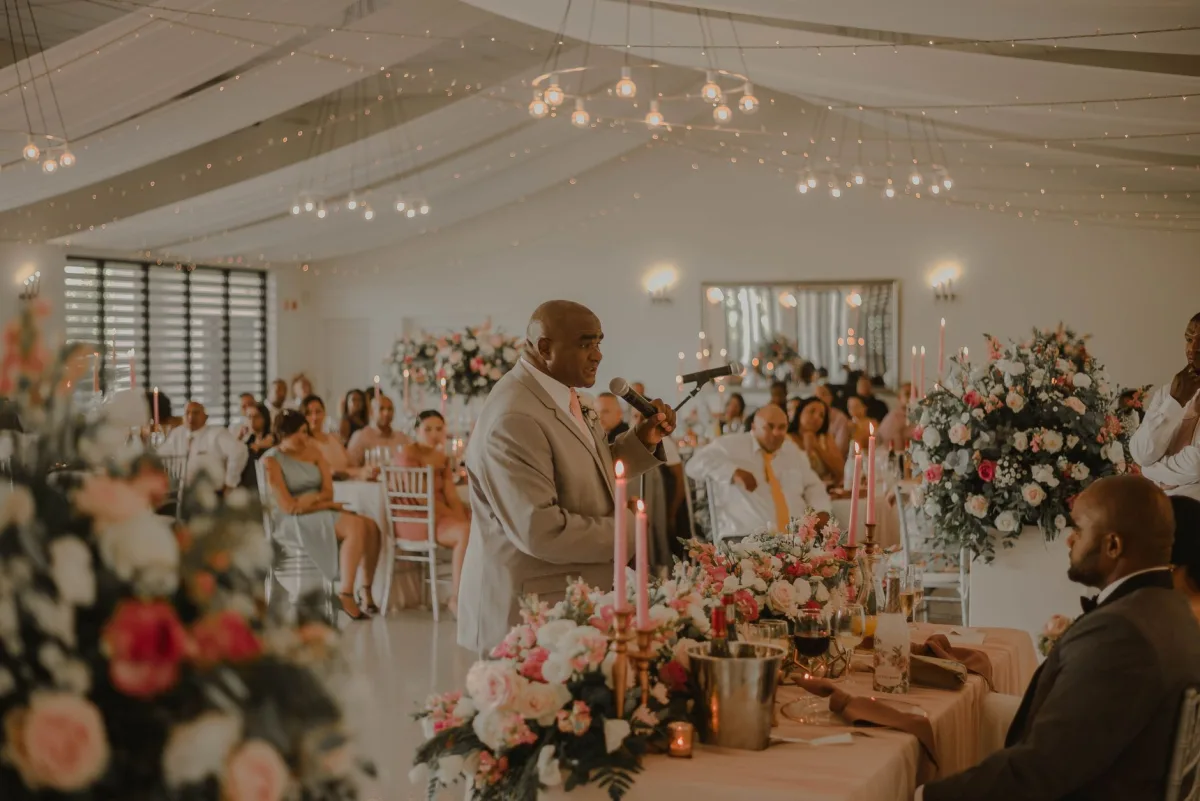
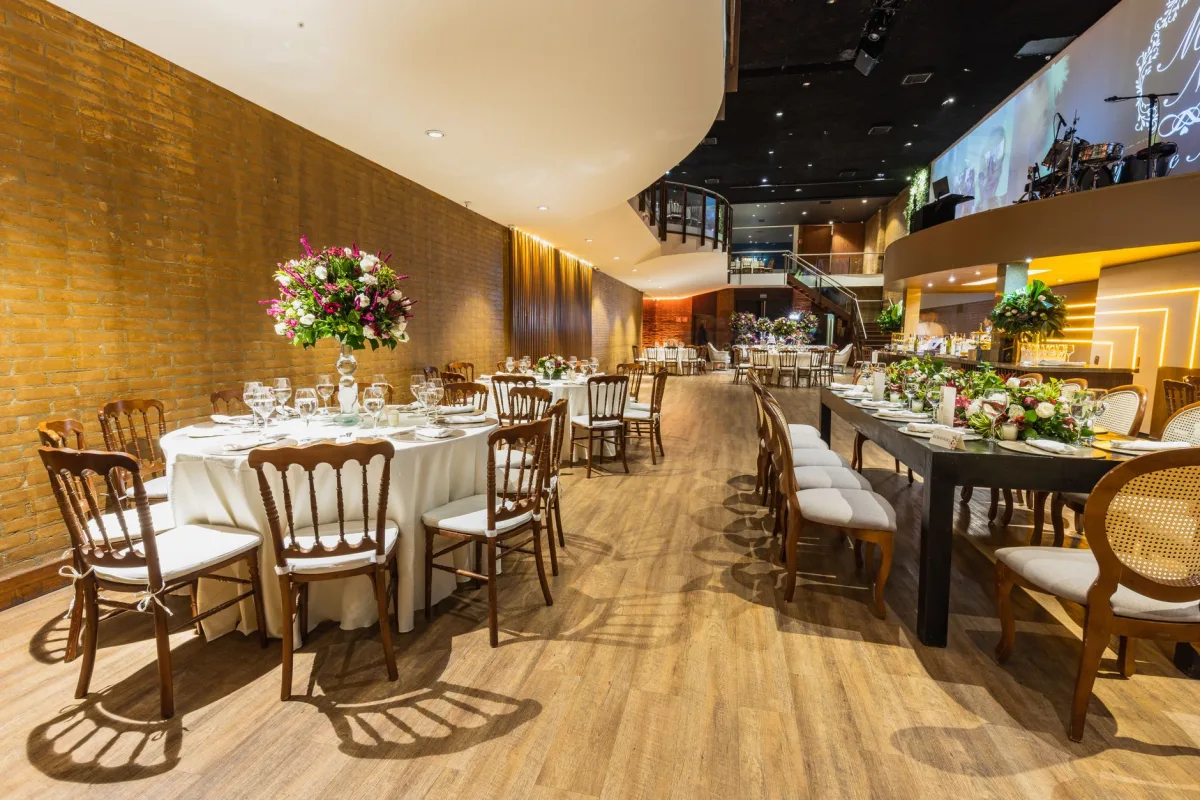
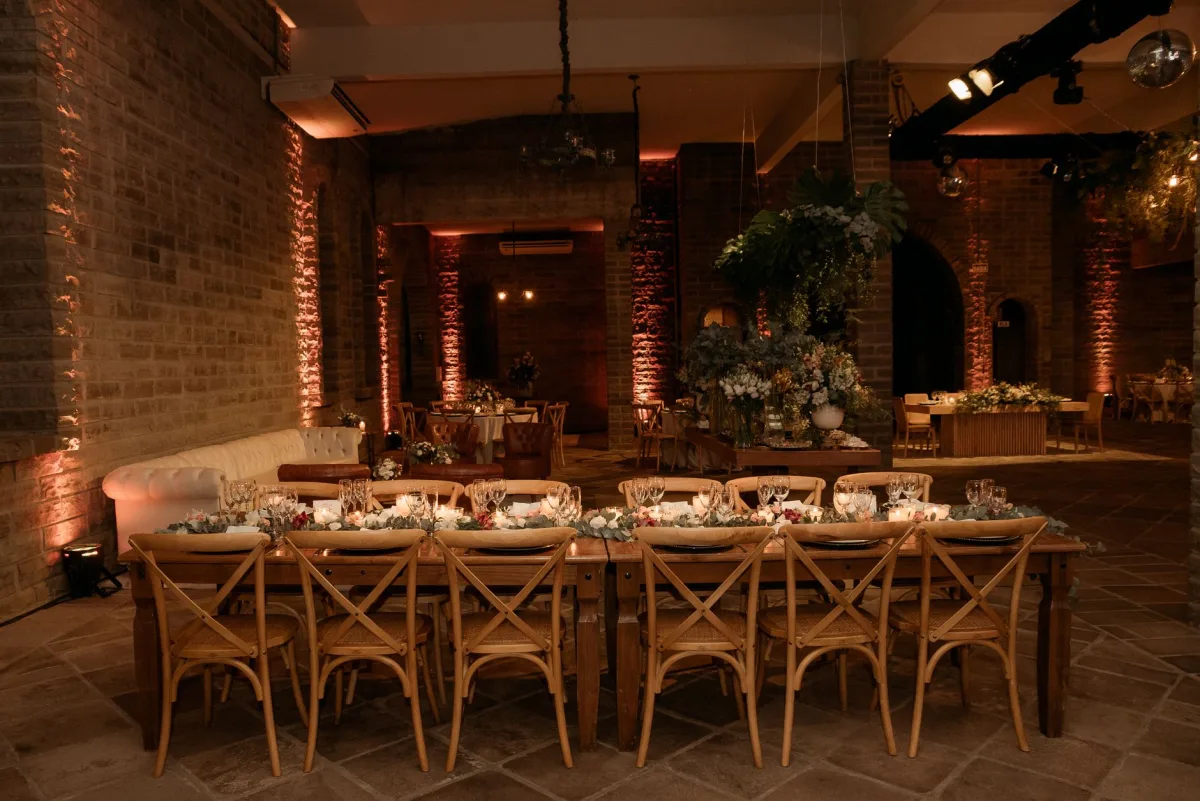
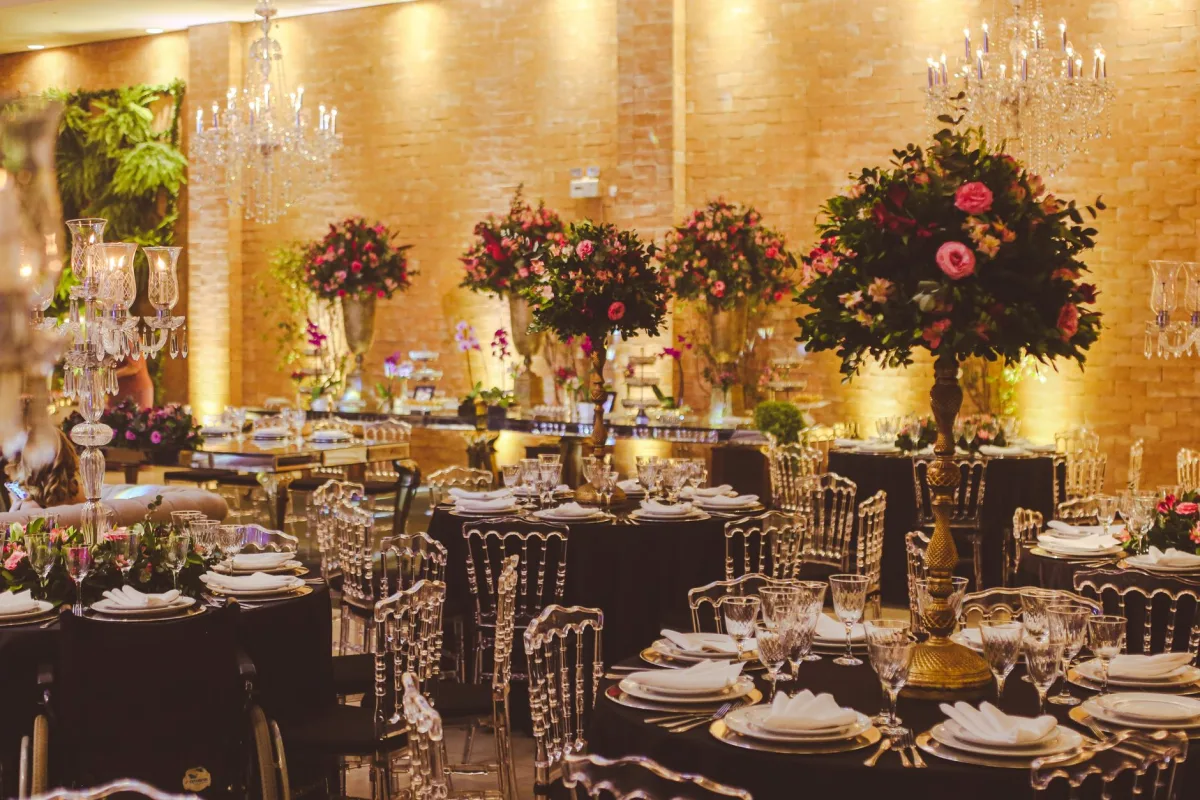
Once you stop looking only at "wedding venues" and start thinking about "places that seat forty and feel special," the options multiply. Each type has a natural personality, and picking the one that matches your day is half the work.
Restaurants and private dining
A private room or a bought-out restaurant handles food, staff and atmosphere in one booking. The simplest route to a warm, low-stress small wedding.
Homes and gardens
A family home or garden is personal and often nearly free to hire, though you take on the catering, hire and logistics yourself. Intimacy at the cost of effort.
Boutique hotels and inns
Smaller hotels offer a room, an overnight for guests and in-house catering without the scale of a full ballroom. A neat all-in-one for out-of-town families.
Barns and outdoor spots
A small barn, vineyard corner or garden marquee suits a rustic day. Charming in fair weather, but always plan a covered backup.
Unusual spaces
Galleries, libraries, historic houses and lofts bring built-in character, so you spend less on decoration. Check the rules on catering and noise first.
Registry and civic rooms
Register offices and small civic rooms are budget-friendly and legally straightforward, ideal when the ceremony matters more than the setting.
None of these is inherently better. A garden wedding for twenty-five can be more memorable than a hotel for the same number, or more stressful, depending entirely on how much you enjoy running logistics. Be honest with yourself about that before you fall for a pretty space.
Match the room size to your guest list
The single most common mistake with a small wedding is choosing a room that is too big. A ballroom built for two hundred looks forlorn with thirty people in it, no matter how many candles you add. The warmth of a small wedding comes from proximity: tables close enough to share conversation, a dance floor that fills rather than echoes, a room where laughter carries. Aim for a space whose comfortable capacity is close to your actual number, not one where your guests are a small island in a large sea.
Ask every venue two capacity questions, because they answer different things. The first is the seated dining capacity, which tells you whether everyone fits at tables. The second is how the room feels at your number, which a good coordinator will tell you honestly if you ask them to picture your exact headcount. If a venue's seated minimum is far above your guest list, it is quietly telling you that you are not its ideal booking. Believe it, and keep looking.
What a small venue really costs
The headline hire fee is rarely the number that matters. Small and intimate venues typically charge in one of three ways, and understanding which one you are dealing with is essential to comparing them fairly.
Flat hire fee
A fixed sum for the space and a set number of hours. You arrange or buy catering and everything else separately. Common for homes, halls and dry-hire spaces.
Minimum spend
No hire fee, but a floor on food and drink you must reach. Restaurants and hotels favour this, and for a small group it can be the real budget driver.
Per-head package
A price per guest that bundles food, drink and often the room. Predictable and easy to compare, though extras still creep in around the edges.
A venue with no hire fee but a high minimum spend can cost more than one with a modest fee and free choice of caterer, so always translate every quote into a single all-in figure before you compare. A good habit is to price your exact guest count against each option, then add the predictable extras: service charge, cake-cutting fee, corkage if you bring your own wine, and any overtime. For the full method, our wedding budget checklist lays out every line so nothing surprises you later.
The good news is that a small headcount is your biggest lever. Because catering is usually the largest single cost of any wedding, cutting the guest list does more for your budget than any other decision. If cost is your leading concern, our guides to cheap wedding venues and inexpensive wedding venues go deeper on stretching every pound without the day feeling thrifty.
Questions to ask before you book
A viewing is where a space either earns your trust or quietly reveals its problems. Walk in with a list, because the pretty details are easy to notice and the practical ones are easy to forget until they cost you. The questions below separate a venue that merely looks right from one that will actually work on the day.
- What is the true all-in price for my exact numbers? Hire fee, minimum spend, service charge and every named extra, in one figure.
- How many hours do we have, and what does overtime cost? A room that closes at ten changes the whole shape of the evening.
- Can we use our own caterer, cake or wine, and are there fees? Corkage and outside-supplier charges can erase the saving on a cheaper caterer.
- Is there a wet-weather or backup plan? Essential for gardens, marquees and anything outdoors.
- What is already included? Tables, chairs, linen, sound, parking and staff vary hugely and add up fast when they are not.
- What happens to our deposit if plans change? Read the cancellation and postponement terms before, not after, you sign.
If a venue is evasive on price or vague on the backup plan, treat that as information. The best small venues answer plainly because they host intimate weddings often and have nothing to hide.
Outdoor and at-home small weddings
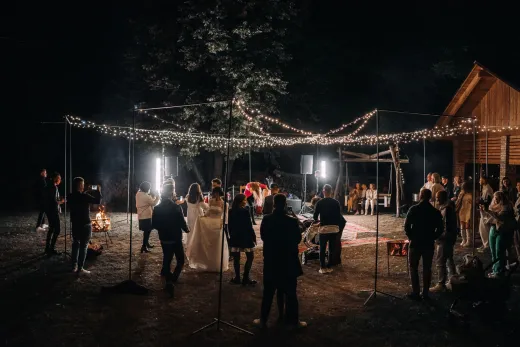
Some of the most personal small weddings happen in a garden or at home, and a marquee or a simple gazebo can turn any patch of lawn into a venue. The appeal is obvious: the space is yours, the sentimental value is built in, and the hire cost can be close to nothing. The catch is that you become the venue manager. Power, toilets, catering space, seating, lighting and a genuine wet-weather plan all fall to you, and a garden that is beautiful in June sunshine is a different proposition in a downpour.
If you go this route, price the hidden infrastructure honestly, because a marquee, flooring, heating, a generator and hired facilities can add up to more than a modest venue would have charged outright. Done with eyes open, though, an at-home small wedding is hard to beat for warmth. Many couples pair a relaxed garden ceremony with a nearby restaurant for the meal, borrowing the best of both. For the dressing of the space itself, our home wedding decorations ideas show how far a small budget can stretch.
Finding the right one near you
Small venues rarely advertise as loudly as big ones, so a little digging pays off. Search beyond the obvious "wedding venue" listings: private dining rooms, boutique hotels and character spaces often sit under restaurants or events rather than weddings. Once you have a shortlist, view in person, picture your exact number in the room, and trust the space that feels warm rather than the one that merely photographs well. On matrimony360 we group intimate spaces alongside the vendors who make them sing, and our wider guide to wedding venues covers the full spectrum from tiny to grand if your plans are still taking shape.
Frequently asked questions
How many guests is a small wedding?
There is no fixed rule, but most people mean somewhere between roughly ten and fifty guests when they say "small wedding," with intimate weddings often sitting under thirty. Anything smaller than about ten starts to feel like an elopement or a private ceremony. The number matters mainly because it decides which venues suit you: choose a space whose comfortable capacity is close to your headcount so the room feels full rather than empty.
Are small wedding venues cheaper?
Usually yes, because catering is the largest cost of most weddings and a shorter guest list cuts it directly. That said, the hire fee is not the whole story. Many venues set a minimum food-and-drink spend that becomes your real budget floor, so a "free to hire" restaurant can cost more than a hall with a modest fee. Always translate each option into one all-in figure for your exact numbers before deciding which is genuinely cheaper.
Can I have a small wedding at home?
Absolutely, and it can be the most personal option of all. A garden or home wedding is often nearly free to hire, but you take on the role of venue manager: catering space, seating, power, toilets, lighting and a real wet-weather backup all become your responsibility. A marquee or gazebo helps, but price the full infrastructure honestly, as it can add up to more than a small venue would have charged outright.
What is the difference between a small wedding and an elopement?
An elopement is typically just the couple and their witnesses, sometimes spontaneous or private, with little or no reception. A small wedding still gathers a handful of family and friends, includes a proper celebration and meal, and needs a venue that seats everyone comfortably. Think of an elopement as the couple's day and a small wedding as a shared but intimate one.
What should I ask a small venue before booking?
Ask for the true all-in price for your exact numbers, how many hours you have and the overtime cost, whether you can use your own caterer or wine and any fees for doing so, what is already included such as tables and staff, and what the backup plan is for bad weather. Also read the deposit and cancellation terms before signing. Clear, plain answers are a good sign; evasiveness on price or logistics is a warning.