Meeting Planners: The Complete Guide
The meeting-planning profession explained: logistics in service of outcomes, the range of events from boardroom to conference, and how the discipline differs from planning a wedding.
Meeting planners are the professionals who turn a room, a date and a purpose into an event that runs on time and lands its message. The term sits next to wedding and party planning in the wider world of event management, but the work has its own flavour: agendas rather than aisles, delegates rather than guests, and outcomes measured in decisions made or deals closed. This complete guide explains what meeting planners do, the types you will meet, how their work differs from a wedding planner's, and how to decide whether to hire one or run a meeting yourself.
The short version
- Meeting planners organise business gatherings, from a boardroom session to a multi-day conference.
- The job is logistics plus outcomes. Venue, catering and audiovisual serve a goal, not just a good time.
- It overlaps with event and wedding planning, but the vocabulary and priorities differ.
- Hire for scale and stakes. A small internal meeting rarely needs one; a large or high-profile event usually does.
What meeting planners actually do
A meeting planner is a specialist within event management who coordinates the many moving parts of a business meeting or conference. Their job spans the obvious logistics, choosing and booking a venue, arranging catering, sorting audiovisual and technology, managing registration and travel, and the less visible work of keeping the whole thing on budget and on message. Where a host sees a smooth afternoon, the planner sees a hundred decisions that had to line up.
The defining feature is that a meeting has a purpose beyond enjoyment. A wedding succeeds if people feel joy; a meeting succeeds if it achieves something, a decision reached, a product launched, a team aligned, a sale advanced. So a good meeting planner starts from the objective and works outward, shaping every logistical choice, from the seating layout to the length of the coffee break, around what the gathering is meant to accomplish.
The types of meetings they handle


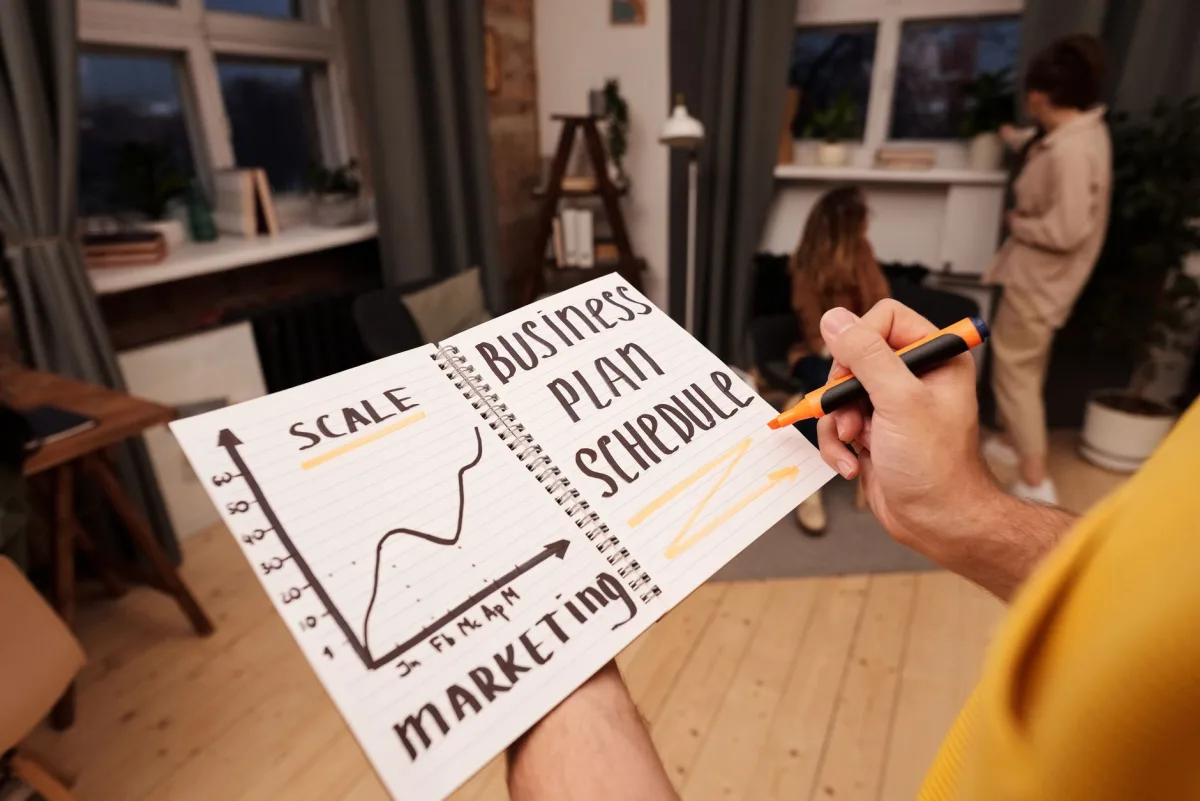

"Meeting" covers an enormous range, and planners tend to specialise. Knowing the categories helps you describe what you actually need when you hire or plan.
Corporate meetings
Board meetings, sales kick-offs, training days and team offsites. Internal audiences, tight agendas, and a strong emphasis on productivity and time.
Conferences and conventions
Large, often multi-day gatherings with speakers, sessions and exhibitors. A convention can draw hundreds or thousands and is the most complex to run.
Seminars and workshops
Focused, educational sessions built around learning outcomes, with room layouts and materials designed for participation.
Incentive and hybrid events
Reward trips for staff or partners, and increasingly events that blend in-person and online attendance, which add a whole technology layer.
Many planners work across several of these, but a conference specialist and a small-meeting coordinator bring different strengths. When you brief a planner, naming the category and the rough size does more to get you the right person than any amount of general description. Our broader guide to event management companies covers the firms that handle the largest of these at scale.
The skills behind the calm
Meeting planning looks effortless when it is done well, which hides how much skill it takes. The best planners combine a few distinct strengths, and recognising them helps you judge whether someone is genuinely good or simply confident.
- Logistics and project management. Timelines, budgets, contracts and a hundred dependencies held in order, so nothing is forgotten and nothing collides.
- Negotiation. Venues, caterers and hotels are booked at rates and terms a first-timer rarely gets, because the planner does it every week and knows the market.
- Calm under pressure. Speakers cancel, technology fails and numbers change. The value is not avoiding every problem but solving them quietly while the event carries on.
- Attention to the attendee. Registration that works, signage that guides, food that arrives on time and a room that is the right temperature all shape whether people can focus on the point.
These are the same core competencies you find in a strong event coordinator or event organizer, applied to the specific rhythms of business gatherings. The titles blur; the underlying craft is consistent.
Meeting planners versus wedding planners
Because both live under event management, people often ask how meeting planning differs from planning a wedding. The machinery is similar, budgets, timelines, vendors, a run-of-show, but the priorities pull in different directions, and understanding that helps you brief the right professional.
A wedding is emotional and personal; its success is measured in feeling, and the planner protects the couple's experience above all. A meeting is functional and strategic; its success is measured in outcomes, and the planner protects the agenda and the objective. A wedding planner navigates family dynamics and tradition; a meeting planner navigates stakeholders, sponsors and return on investment. Neither is harder, they are simply different disciplines, which is why many planners specialise in one world rather than straddling both. If your event is a celebration rather than a business gathering, our guide to the wedding planner role is the better starting point.
Do you need a meeting planner, and how to hire one
Not every meeting needs a professional. A small internal session in your own office rarely justifies one; you can book the room, order the coffee and run it yourself. The case for hiring grows with scale, stakes and complexity. A multi-day conference, an event with external guests or press, a gathering with a real budget and a reputation on the line, these reward professional planning many times over.
If you do hire, brief carefully and vet properly. Define the objective, audience, size, date and budget before you approach anyone, then ask candidates about their experience with your type and scale of event, request references, and get scope and fees in writing. Compare a few professionals against the same brief rather than taking the first polished pitch. For the full process, our guide to choosing event organizers near you walks through vetting and contracts step by step.
Where this fits in the wider picture
Meeting planners are one branch of a large family that also includes wedding, party and conference specialists, all sharing a common toolkit of briefs, budgets, timelines and run-of-shows. Matrimony360 publishes guides across that whole landscape, because the couples and hosts we write for plan more than weddings: engagement parties, anniversaries, family gatherings and, yes, the occasional business event. Whether you hire a professional or run the meeting yourself, the principle is the same one that governs every good gathering: start from the purpose, work backwards from the date, and keep every detail in service of why people are in the room at all.
Frequently asked questions
What exactly does a meeting planner do?
A meeting planner coordinates the logistics and delivery of business meetings and conferences: selecting and booking a venue, arranging catering, organising audiovisual and technology, managing registration and travel, controlling the budget, and running the event on the day. Underneath the logistics, their real job is to serve the meeting's purpose, so that the room, the schedule and the details all push toward the decision, launch or alignment the gathering exists to achieve.
How is a meeting planner different from a wedding planner?
They share the same toolkit, budgets, timelines, vendors and a run-of-show, but their priorities differ. A wedding planner protects an emotional, personal experience and navigates family and tradition, with success measured in feeling. A meeting planner protects an agenda and a business objective and navigates stakeholders and outcomes, with success measured in results. Because the disciplines pull in different directions, many planners specialise in one rather than doing both equally well.
What types of events do meeting planners organise?
A wide range: internal corporate meetings such as board sessions and sales kick-offs, large conferences and conventions with speakers and exhibitors, focused seminars and workshops, incentive trips, and increasingly hybrid events that combine in-person and online attendance. Many planners specialise by type and size, so a conference expert and a small-meeting coordinator bring different strengths. Naming the category and scale when you brief one helps you reach the right specialist.
Do I need to hire a meeting planner?
Not always. A small internal meeting you can book and run yourself rarely needs one. The case for hiring strengthens with scale, stakes and complexity: multi-day conferences, events with external guests or press, and gatherings with a real budget and reputation attached all benefit from professional planning. Weigh the cost of a planner against the cost of an event that underdelivers, and hire when the gathering is too important or too large to leave to spare time.
How do I choose a good meeting planner?
Define your objective, audience, size, date and budget first, then approach a few planners with the same brief. Ask about their experience with your specific type and scale of event, request references from similar clients, and get the scope of work and fees in writing before committing. Compare candidates against one another rather than accepting the first confident pitch, and weigh how clearly they grasp your objective as heavily as their portfolio.