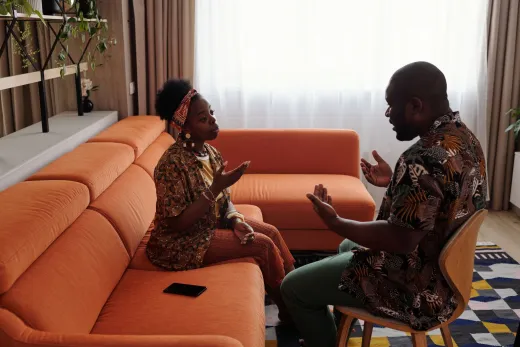
Relationship: The Complete Guide
A broad, warm walk through what makes a romantic relationship healthy: its foundations, the stages it moves through, attachment, love languages, and handling conflict.
A relationship is one of the few things in life you cannot build alone. It is made in the space between two people, out of the small choices they repeat every day: how they speak when they are tired, whether they turn toward each other or away, what they do with a disagreement. This guide is a broad, warm walk through what actually holds a romantic relationship together. It covers the foundations that every healthy partnership rests on, the stages a relationship moves through over time, the ideas of attachment and love languages in plain terms, how to handle conflict without damage, how to keep connection alive after the newness fades, and the honest signs that tell a healthy relationship apart from an unhealthy one.
The short version
- A relationship is built, not found. It rests on trust, communication, respect and shared values, and those are habits more than feelings.
- Relationships move through stages. The early rush is real but temporary. What follows is quieter and, done well, deeper.
- Attachment and love languages are useful shorthand. They explain a lot about why two people who care about each other still miss one another.
- Conflict is not the enemy. How a couple argues predicts far more than whether they argue at all.
- Health is a pattern, not a moment. Safety, respect and repair mark a healthy bond, while control, contempt and fear mark an unhealthy one.
What a relationship really is
In the plainest terms, an intimate relationship is an interpersonal bond marked by emotional or physical closeness. A romantic relationship adds to that a sense of partnership, attraction and, usually, a shared future. But those definitions describe the container, not the contents. What fills it is ordinary: two people paying attention to each other, over and over, in ways large and small.
It helps to drop the idea that a good relationship is something you either have or do not have, like a lottery ticket. A relationship is closer to a garden than a prize. It responds to what you put into it, it goes through seasons, and it needs steady tending rather than one grand gesture. The couples who last are rarely the ones who felt the most electric spark at the start. They are the ones who kept choosing each other after the spark settled into something steadier.
The four foundations



Almost everything that makes a relationship feel safe and worth staying in traces back to four foundations. None of them is glamorous, and that is rather the point. They are the load-bearing walls the rest of the relationship stands on.
Trust
The quiet confidence that your partner has your back, keeps their word, and will not use your vulnerability against you.
Communication
Not just talking, but being able to say hard things kindly and to listen without immediately defending yourself.
Respect
Treating your partner as an equal whose feelings, boundaries and independence matter as much as your own.
Shared values
Broad agreement on the things that shape a life: honesty, family, money, how you treat people, where you are headed.
Notice that none of these is a feeling. You do not fall into trust or communication the way you fall in love. You build them through repeated, deliberate action. Trust grows every time a small promise is kept. Communication improves every time one person chooses to ask instead of assume. Respect shows up in the tone of a hundred tiny exchanges. And shared values reveal themselves slowly, in how a couple actually spends its money, time and attention rather than in what they say they believe. When these four are solid, a relationship can survive almost any storm. When one of them is missing, even a calm relationship tends to feel unsteady.
The stages a relationship moves through
Relationships are not static. Like any interpersonal bond, they change continuously and have a beginning, a lifespan and an end, even the happiest ones, because the end most couples aim for is simply a long life together. Knowing the usual arc helps enormously, because so much needless worry comes from expecting an early stage to last forever, or mistaking a natural transition for a failure.
The usual arc: a steep rise into infatuation, a dip as reality arrives, then a steadier climb into a deeper bond. The dip is not decline. It is the relationship becoming real.
Attraction
The opening spark. Curiosity, chemistry and the pull to spend more time together.
Building
Getting to know each other properly. Shared experiences, first vulnerabilities, growing trust.
Honeymoon
The intense, idealising phase where flaws blur and everything feels effortless. Real, but chemical and temporary.
Adjustment
Reality arrives. Differences surface, the first real conflicts appear, and the couple learns whether they can work as a team.
Commitment
A settled, chosen closeness. Less fireworks, more foundation. This is where lasting love actually lives.
The stage that trips people up most is the move from honeymoon into adjustment. When the giddy early feeling fades, some people conclude they have fallen out of love or picked the wrong person. Far more often, the relationship is simply doing what all relationships do: cooling from a fever into a warmth that can actually be sustained. The couples who understand this ride the dip instead of panicking through it. If you are in that stretch now, our guide to practical relationship tips is built for exactly that moment.
Attachment, in plain terms
Much of how we behave in love is shaped long before we meet our partner. Attachment theory, which grew out of studying how children bond with caregivers, describes patterns that carry into adult relationships and shape how safe or anxious we feel when we get close to someone. You do not need the academic version to use the idea. Three broad patterns cover most people.
Secure
Comfortable with closeness and with space. Trusts easily, communicates needs directly, recovers from conflict without spiralling.
Anxious
Craves closeness and fears losing it. Sensitive to distance, quick to worry, reassured by contact and clarity.
Avoidant
Values independence and can feel crowded by closeness. Pulls back under pressure, needs room to stay regulated.
The single most useful thing to know is that an anxious person and an avoidant person often pair up, and then accidentally trigger each other. The anxious partner reaches for reassurance, which the avoidant partner reads as pressure and answers by withdrawing, which the anxious partner reads as abandonment, which makes them reach harder. Neither is a bad person. They are caught in a loop neither designed. Naming the pattern out loud, without blame, is often enough to start loosening its grip. Attachment styles are tendencies, not sentences, and people can and do move toward security inside a safe relationship.
Love languages, without the hype
The idea of love languages is simple and genuinely useful, even if it is not hard science: people tend to give and receive affection in different currencies, and a lot of hurt comes from paying in a currency your partner does not value. One person feels most loved when they are told so, another when they are helped, another when they are simply given undivided time. The five common categories are a handy vocabulary for a conversation most couples never quite have.
The point is not to label yourself and stop there. The point is to notice that your partner may feel most loved in a way that would barely register for you, and to make a habit of speaking their language rather than only your own. If they light up at quality time, an evening with the phones away will land harder than any gift. If they thrive on words, saying the kind thing out loud beats assuming they already know it. Small translations like these prevent a surprising amount of loneliness inside otherwise loving relationships.
Handling conflict without damage
Every couple fights. The research is clear that the presence of conflict does not predict whether a relationship survives. What predicts it is the way partners fight, and above all whether they can repair afterward. Conflict handled well is not a threat to a relationship. It is one of the main ways two people learn who the other really is and prove they can be trusted with disagreement.
A few habits separate arguments that build a couple from arguments that erode one. Raise things softly rather than with an accusation, because a conversation tends to end on the note it began. Attack the problem, not the person, and stay off the character assassinations that turn a disagreement into a wound. Take a real break if either of you floods with anger, since nothing useful gets said once the body is in fight-or-flight. And repair afterward, deliberately, with a small gesture that says we are still on the same side. The most corrosive thing a couple can let in is contempt: eye-rolling, mockery, treating a partner as beneath respect. Where contempt takes root, warmth cannot survive. When conflict keeps ending badly no matter how hard you both try, that is not failure, and it can be a sensible reason to bring in a professional. Our guide to couples therapy explains what that looks like and when it helps.
The repair rule: it is not the argument that damages a relationship, it is an argument left unrepaired. A short, honest reconnection after a fight, even a clumsy one, does more to protect a couple than never fighting at all. Aim to end conflicts with a bridge back, not a wall.
Keeping connection alive over time
The quiet risk in a long relationship is not explosive conflict. It is slow drift: two people who still love each other gradually living side by side rather than together, until one day the closeness has thinned out without anyone deciding it should. Connection is not self-sustaining. It is renewed, or it fades, and renewing it is mostly a matter of small, repeated attention rather than grand romance.
In practice that means turning toward each other in ordinary moments: answering the small bids for attention, the offhand comment, the look across the room, instead of letting them pass. It means protecting some time that belongs to the relationship rather than to work, children or screens. It means staying curious about a person you think you already know, because people keep changing and the couples who last keep updating their picture of each other. And it means expressing appreciation out loud, since gratitude that stays in your head does nothing for the person beside you. None of this is expensive or dramatic. It is the daily maintenance that keeps a relationship from quietly emptying out.
Healthy versus unhealthy: the honest signs
It can be genuinely hard, from the inside, to tell a rough patch from a real problem. The difference is rarely about how much a couple argues or how intense the feelings are. Intensity is not the same as health. What matters is the underlying pattern: whether the relationship, on balance, makes both people feel safer, freer and more themselves, or smaller, more anxious and more alone. This table lays the contrast out plainly.
| Signs of a healthy relationship | Signs of an unhealthy relationship |
|---|---|
| You feel safe being honest, even about hard things | You edit yourself to avoid a reaction, or walk on eggshells |
| Disagreements happen but end with repair | Conflicts spiral, or end with silence, contempt or fear |
| Both people keep their own friends, interests and independence | One partner isolates the other or controls where they go and who they see |
| Decisions and influence are shared fairly | One partner dominates, dismisses or overrules the other |
| Trust is the default and jealousy stays proportionate | Constant suspicion, monitoring, or accusations without cause |
| You feel more like yourself in the relationship | You feel diminished, anxious or unrecognisable to yourself |
| Support flows both ways in hard times | Support is conditional, kept score of, or withheld as punishment |
A caution worth stating plainly: a healthy relationship is one where both people feel physically and emotionally safe. Patterns of control, intimidation, humiliation or any physical harm are not rough patches to be worked through with better communication. They are signs of an unhealthy and possibly dangerous relationship, and they call for support from people trained to help rather than for trying harder alone. If any of that describes your situation, reaching out to a trusted person or a local support service is not an overreaction. It is the sensible next step.
Love is broader than the fireworks
One last reframe worth carrying. We tend to picture love as the early, breathless kind, the passion of the honeymoon stage. But love comes in many forms, and long relationships are held together as much by companionate love, the deep affection and commitment between two people who have chosen each other repeatedly, as by passion. Some thinkers describe lasting love as a blend of intimacy, passion and commitment, and the balance naturally shifts over the years. Passion runs hottest early. Intimacy and commitment are what deepen with time, and they are what a relationship can actually be built on.
That is oddly reassuring. It means the fading of the early rush is not the fading of love, but its change of shape into something more durable. A relationship is not a feeling you are lucky enough to catch and then hope to keep. It is a thing two people make, together, out of trust, communication, respect and shared values, tended daily and repaired when it breaks. If you keep those foundations strong, the rest tends to follow. For couples thinking about the longer road, our guide to marriage picks up where this one leaves off.
Frequently asked questions
What makes a relationship healthy?
A healthy relationship rests on four foundations: trust, open communication, mutual respect and broadly shared values. In day-to-day terms it means both people feel safe being honest, disagreements end with repair rather than damage, each partner keeps their own independence and friendships, and influence is shared fairly. The clearest test is how you feel inside it. A healthy relationship tends to make both people feel safer, freer and more themselves, not smaller, anxious or alone. Health is a steady pattern over time, not a perfect week.
What are the stages of a relationship?
Most romantic relationships move through a recognisable arc: attraction, where the initial spark forms; building, where trust and shared experience grow; a honeymoon phase of intense idealisation; an adjustment phase where reality arrives and the first real conflicts appear; and a settled commitment phase where a deeper, chosen closeness takes hold. The trickiest transition is from honeymoon into adjustment, when the giddy early feeling cools. That cooling is normal and usually marks the relationship becoming real rather than falling apart.
What are attachment styles and why do they matter?
Attachment styles are broad patterns, learned early in life, that shape how safe or anxious we feel when we get close to a partner. The three common ones are secure, which is comfortable with both closeness and space; anxious, which craves closeness and fears losing it; and avoidant, which values independence and can feel crowded. They matter because an anxious and an avoidant partner often accidentally trigger each other in a push-pull loop. Naming the pattern without blame helps, and styles are tendencies that can shift toward security inside a safe relationship.
Is it normal for couples to argue?
Yes. Every couple has conflict, and its presence does not predict whether a relationship lasts. What matters is how partners argue and whether they repair afterward. Raising issues gently, attacking the problem rather than the person, taking a break when anger floods, and reconnecting after a fight all turn conflict into something that builds a couple rather than erodes it. The one pattern to avoid is contempt, such as mockery or eye-rolling, which corrodes warmth over time.
How do you keep a long-term relationship strong?
Long relationships fade through slow drift more often than through conflict, so connection has to be renewed rather than assumed. The habits that keep it alive are small and repeated: turning toward each other in ordinary moments, protecting some time that belongs to the relationship, staying curious about a partner you think you already know, and saying appreciation out loud instead of leaving it in your head. Passion naturally cools with time, but intimacy and commitment can keep deepening, and those are what a lasting bond is built on.
When should a couple consider getting help?
It is worth seeking help when the same conflict keeps returning no matter how hard you both try, when closeness has quietly thinned out, or when a single hard event has knocked the relationship off balance. You do not need a crisis to go, and going sooner gives a therapist more to work with. If a relationship involves control, intimidation, humiliation or any physical harm, that is not a communication problem to solve alone. It calls for support from trained people and, where needed, a local support service.