Venues Near Me: How to Choose
Any event, any headcount: how to search venues near you, match the venue type to the occasion, compare on cost and rules, and book the right one nearby.
Type "venues near me" into a map and you get a screen full of pins that all look roughly equal and tell you almost nothing. A hotel ballroom, a community hall, a restaurant back room, a rooftop bar and a conference suite can sit within the same three streets, and each one is built for a different kind of event at a different headcount and a different price. The search was never the hard part. The hard part is knowing which type of venue your event actually needs, and then choosing the right specific one nearby without falling for the place that photographs well and works badly. This is a repeatable method for any event: how to search your own area properly, how to match the venue type to what you are hosting, the criteria that genuinely decide it, the questions to ask, and a booking checklist to run before you pay a deposit. No invented venue names, no fabricated citywide prices, just the process and the honest price bands the pins never show you.
The short version
- Match the type to the event first. The right venue for a wedding is rarely the right one for a birthday or a board meeting.
- "Near me" is a filter, not an answer. Proximity shortens the list, then the same criteria decide it that would decide any venue.
- Compare on total cost, not the hire fee. Catering, minimum spend, service and cleaning quietly move the number more than the headline price.
- Capacity, date and budget are the three hard gates. Get any one wrong and the rest of the comparison is wasted.
What a "venues near me" search actually returns
A venue is simply the place where an event happens, which is why a single local search sweeps together spaces that have almost nothing in common. The results mix purpose-built event spaces with venues that happen to rent a room on the side: a dedicated banquet hall exists to host functions, while a restaurant, a pub, a sports club or a hotel is running an event room as a sideline to its main business. Both can be excellent. They behave completely differently on price, flexibility, catering rules and how much of the work they leave to you. Reading the pins as if they were interchangeable is the first mistake, and it is the one that wastes the most time.
So start the search broader than a single map pin. Look at each venue's own website and its real availability rather than only the aggregator listing, read recent reviews that mention events like yours, and confirm which category the space actually belongs to before you spend an afternoon touring it. The goal of the search is not to find the nicest photo. It is to sort a crowded map into a short list of places that are the right type for what you are hosting, and can genuinely take your date, your numbers and your budget.
Match the venue type to your event
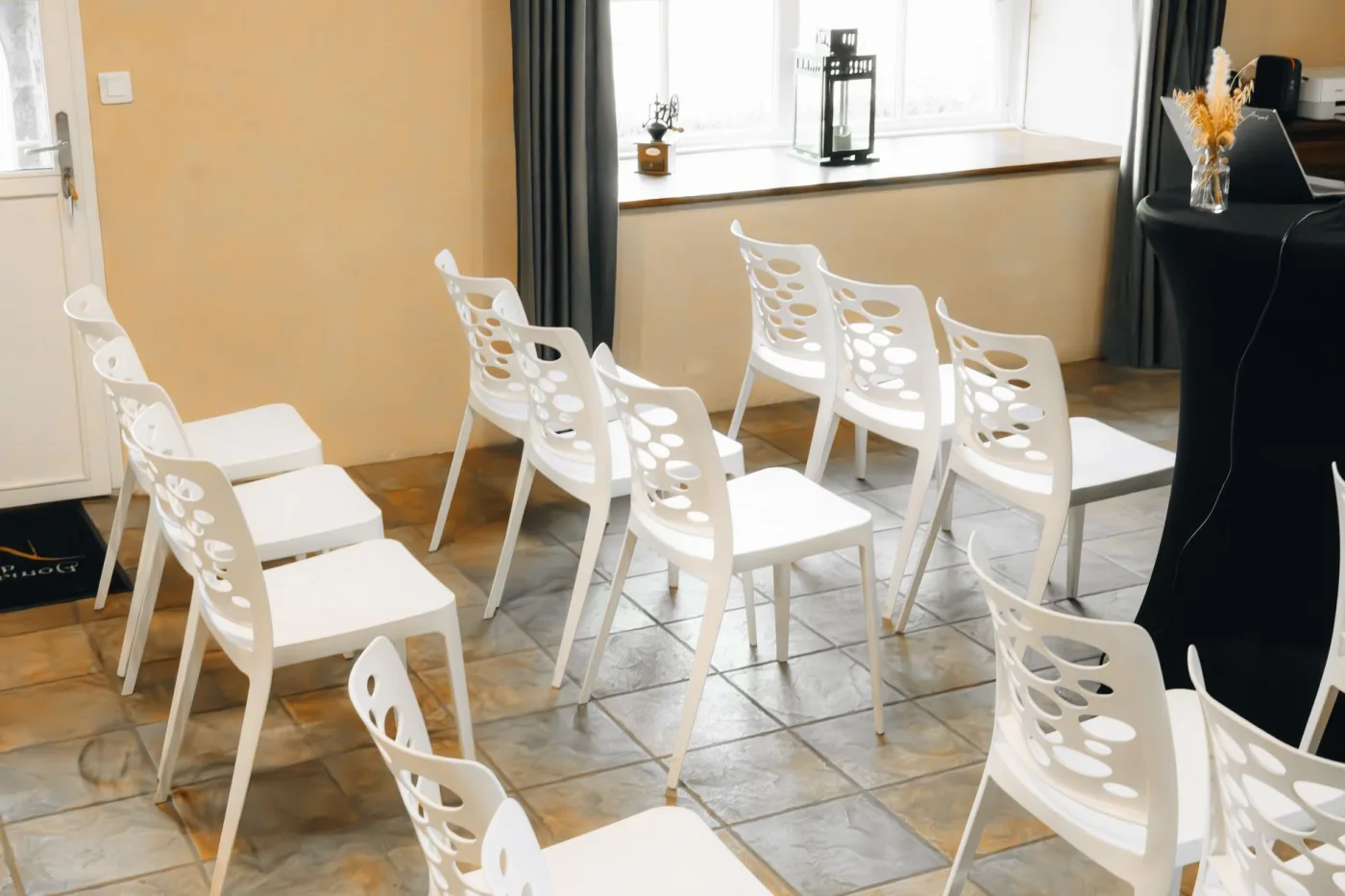
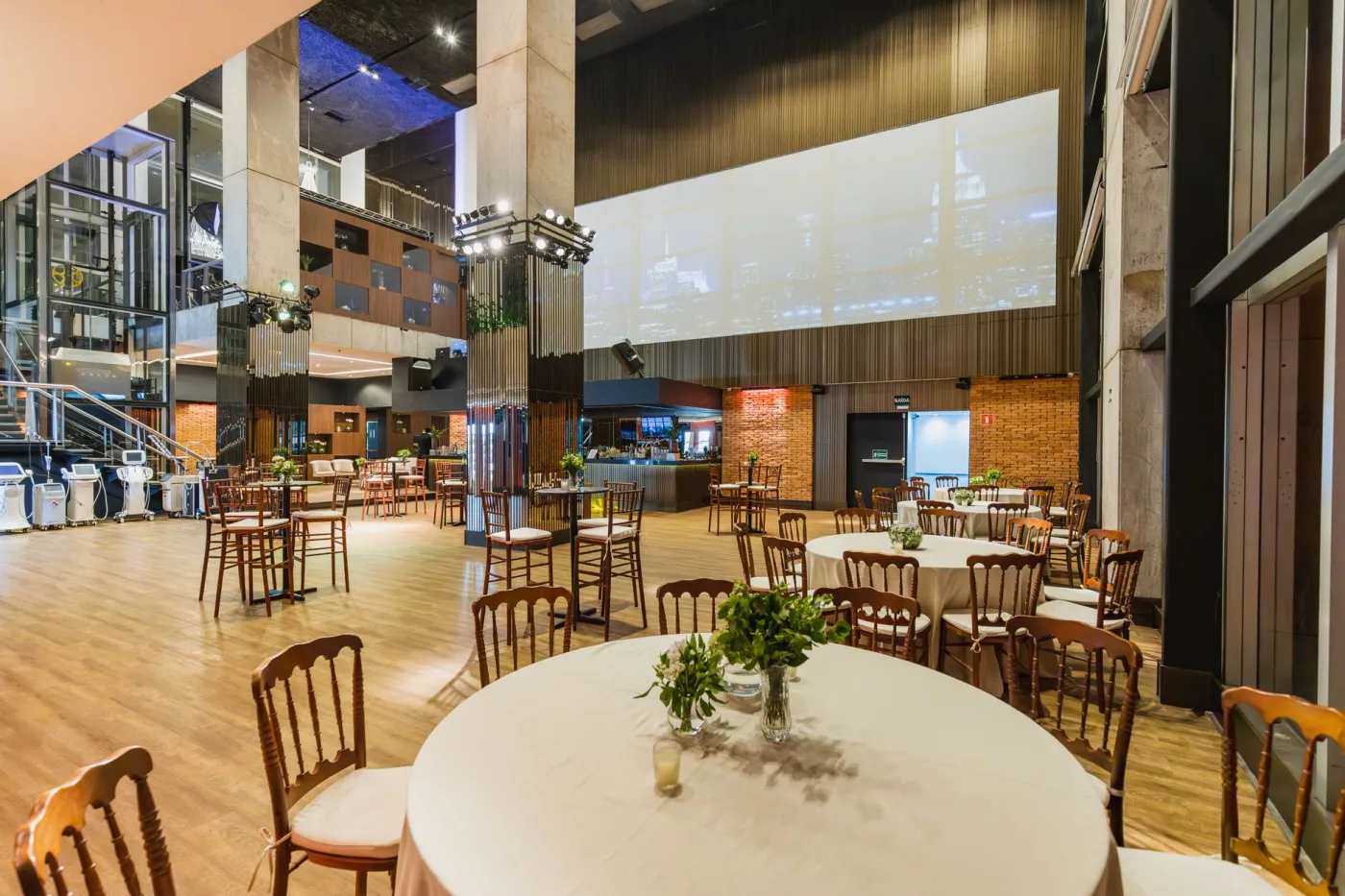
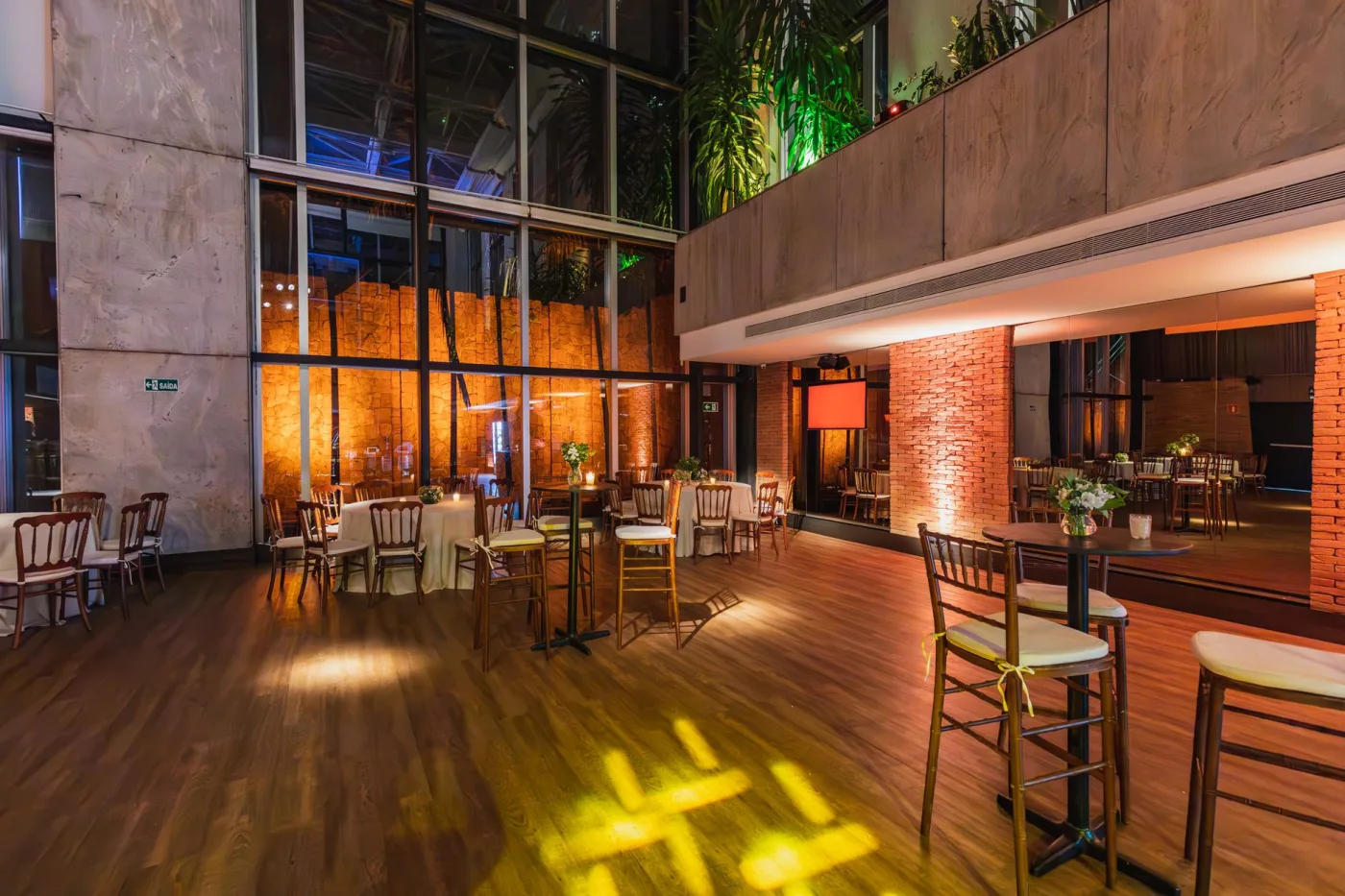
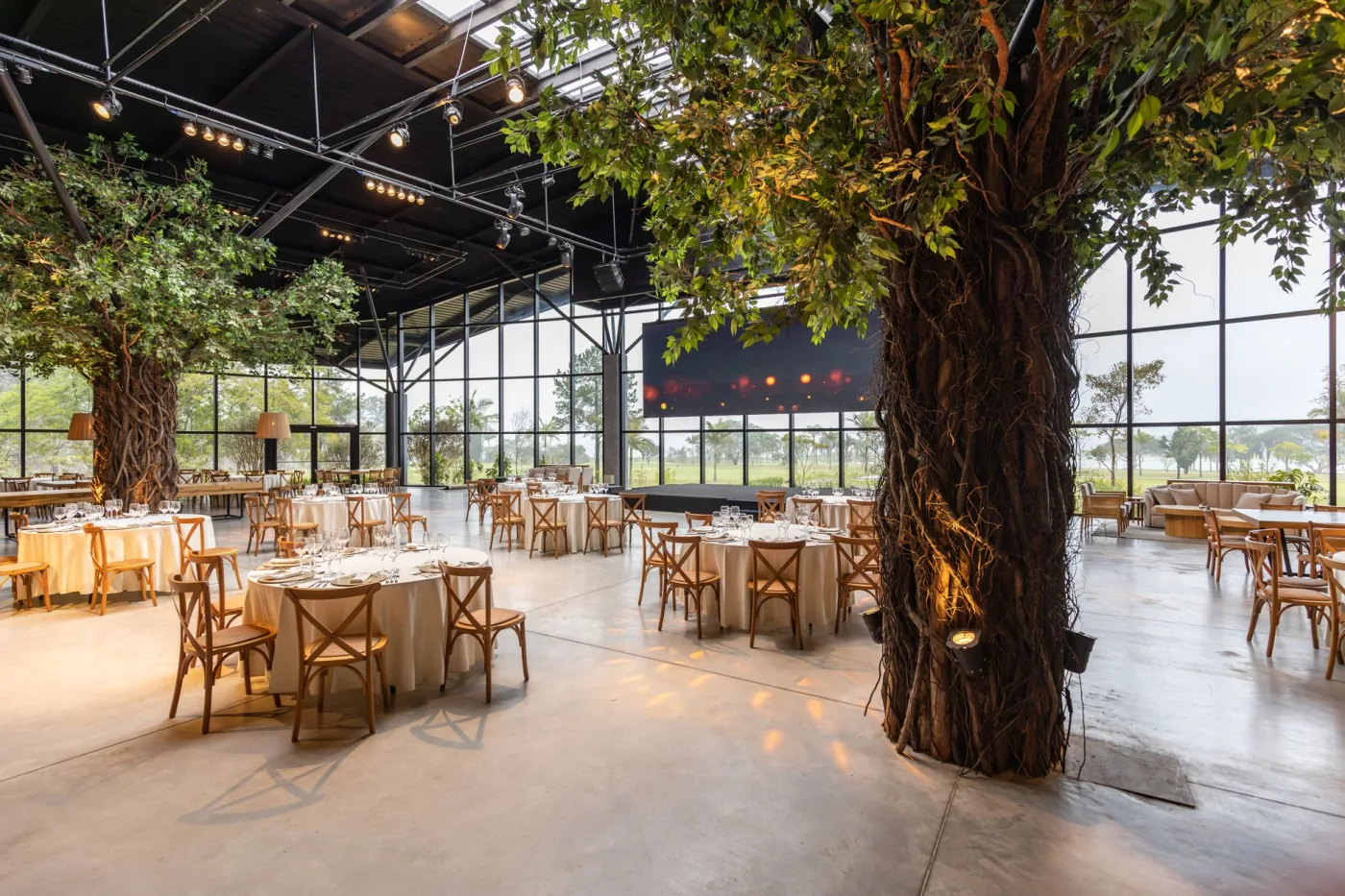
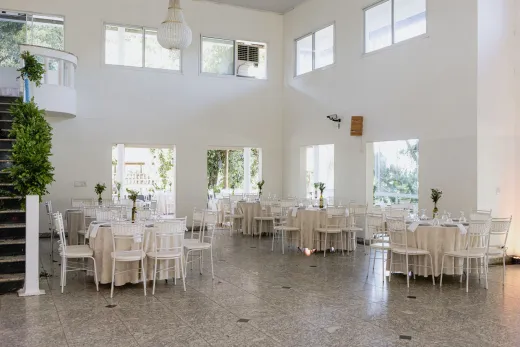
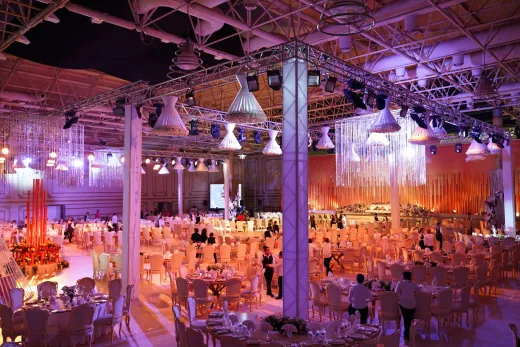
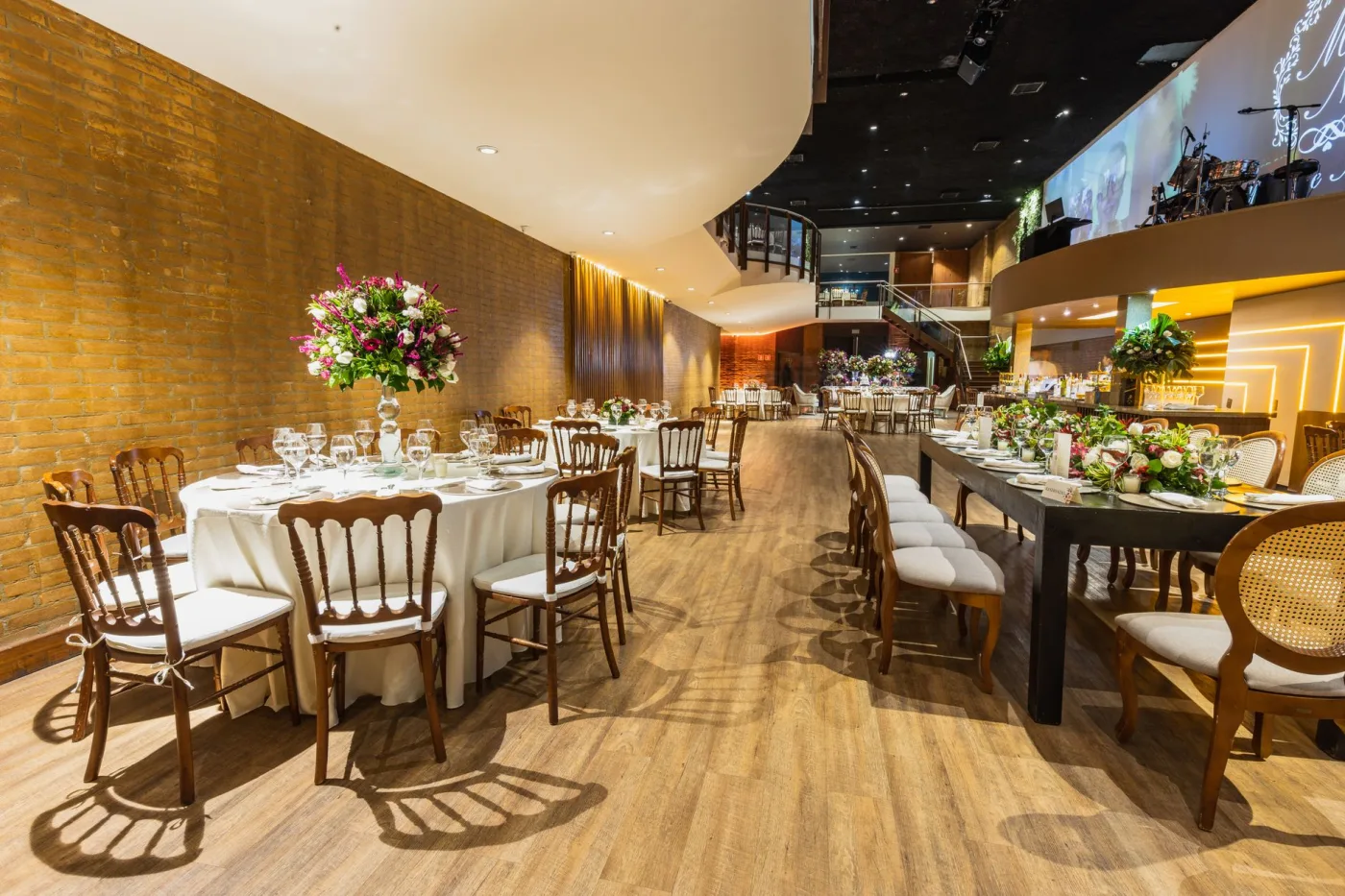
The single decision that saves the most money and grief is choosing the right category of venue for the occasion. A room that is perfect for a hundred-guest wedding reception can be an expensive, cavernous mistake for a thirty-person birthday, and a slick conference suite that runs a corporate day beautifully will feel clinical for an engagement party. Before you compare individual venues, decide which of these formats fits the event you are actually planning.
Banquet hall
Purpose-built for functions. Strong on capacity and in-house catering, often with fixed supplier rules. Weddings, receptions, large parties.
Restaurant or private room
A ready-made room with a kitchen attached. Ideal for smaller sit-down events where you would rather not organise catering yourself.
Community or village hall
Cheap, flexible, blank-canvas space. You bring almost everything, which means low hire cost but far more of the work falls on you.
Hotel or conference suite
Turnkey and reliable, with AV, parking and rooms on site. The default for corporate events and out-of-town guests, at a premium price.
Garden, marquee or outdoor space
Beautiful and open, but you are hiring a setting, not a finished room. Budget for a wet-weather plan, power, toilets and hire kit.
Bar, club or unusual space
Rooftops, galleries, warehouses and lofts. Great for informal parties and launches, but check curfews, noise limits and real capacity carefully.
The table below maps the most common events to the venue types that usually suit them, with a rough headcount band and the thing to watch. Treat it as a starting point rather than a rule, because a good venue often stretches across two rows, and your own priorities can shift the choice.
| Your event | Venue types that usually fit | Typical headcount | Watch out for |
|---|---|---|---|
| Wedding and reception | Banquet hall, hotel, barn, garden with marquee | 80 - 250 | All-in cost, catering rules, wet-weather plan |
| Engagement party | Restaurant room, bar, garden, small hall | 20 - 80 | Minimum spend, whether the space feels too big |
| Milestone birthday | Restaurant, community hall, club, bar | 15 - 120 | Noise curfew, corkage, own-decor rules |
| Anniversary or family dinner | Restaurant private room, hotel, hall | 10 - 60 | Set-menu minimums, accessibility for elders |
| Corporate meeting or training | Hotel, conference suite, coworking space | 10 - 200 | AV, wifi, layout, day-delegate package price |
| Product launch or networking | Gallery, rooftop, warehouse, bar | 30 - 150 | Standing capacity, licence, liability insurance |
| Conference or awards night | Hotel ballroom, conference centre, banquet hall | 100 - 500+ | Break-out rooms, stage, catering logistics |
| Kids party or small gathering | Community hall, cafe, activity venue | 10 - 40 | Hourly hire limits, cleaning fee, parking |
If the event on your list is specifically a wedding, this broad guide is the wrong depth for you. Our dedicated walkthrough of wedding venues near me covers the contracts, capacity and cost comparison at wedding scale, and our wedding venue types pillar breaks down each format in depth. For big sit-down functions of any kind, the guide to banquet halls explains how those spaces price and operate. Come back here when you are choosing between venue categories, or planning something other than a wedding.
Turn a map of pins into a real shortlist
Once you know the type you want, the mistake that wastes the most time is touring venues in the order they appear on the map. A viewing eats an afternoon, so you want to walk into three or four strong candidates, not a dozen maybes. The way to get there is a funnel: filter hard on paper first, so that only places which can actually host your event survive to the tour stage. Most of a long list falls away the moment you apply your real date, your real headcount and your real budget, and that is exactly what you want it to do.
Filter on paper before you filter on foot. Only tour the venues that already clear your three hard gates.
The three hard gates are date, capacity and budget, and each one is a yes or no, not a maybe. If the venue is booked on your date, it is out, however lovely it is. If its comfortable capacity is below your guest count, it is out, because a room rated for eighty seated guests does not become a hundred and twenty because you like the lighting. If its genuine all-in cost blows your budget, it is out before you fall for it on a tour. Apply those three filters honestly and a list of thirty becomes a shortlist of four, all of which you would actually be happy to book.
The five things that actually decide it
Once you have survivors, compare them on the same fixed set of criteria, in the same order, for every venue. Comparing like for like is the whole point, because it stops a beautiful rooftop with an impossible wet-weather plan from beating a plainer room that would actually work. These five decide almost every booking.
Total price
Everything you will pay to hold the event there, not the hire fee alone. Ask about minimum spend, catering, service charge, cleaning and corkage.
Capacity and layout
The comfortable seated or standing number for your format, not the fire-code maximum. Ask what the room feels like with a dance floor or a stage in it.
Location and access
Real travel time for your guests, parking, step-free access, and public transport. Short journeys quietly lift your attendance.
Rules and restrictions
Curfews, noise limits, approved supplier lists, own-decor bans and licensing. The quiet clauses that shape the whole event.
Reviews and track record
Recent reviews for events like yours, ideally with photos, and a coordinator who has run your kind of function before.
Rules are the criterion people most often skip, and the one that spoils the most events after the fact. Many venues require you to use their in-house catering or an approved supplier list, which removes your ability to shop around on the biggest cost after the room itself. Others cap the music volume, enforce a hard curfew, charge corkage on your own drinks, ban open flames and confetti, or require you to carry event liability insurance. None of these are dealbreakers on their own, but you must know them before you sign, because they change both your budget and your plans in ways the tour photos will never show you.
Honest price bands, and why there is no citywide "average"
Anyone who quotes you a single average price for "venues near me" is guessing, because the number swings enormously with the type of space, your city, your date, your headcount and how the venue charges. What is honest is the shape of the pricing, so you know what questions to ask. Venues price in a handful of recognisable ways, and knowing which one you are dealing with matters more than any headline figure.
| Pricing model | What it means | Where you see it | The catch to check |
|---|---|---|---|
| Flat hire fee | A fixed price for the room for a set time | Community halls, dry-hire spaces, marquees | What is not included: catering, staff, cleaning, kit |
| Per-head package | A price per guest that bundles food and often drinks | Hotels, banquet halls, restaurants | The minimum headcount you are billed for regardless |
| Minimum spend | No hire fee, but you must spend a set amount | Bars, restaurants, rooftops | Whether it rises on peak dates and what counts toward it |
| Day-delegate rate | A per-person price for room, AV and catering | Conference suites, hotels for corporate use | Half-day versus full-day, and overtime charges |
| Hourly hire | You pay per hour of access | Coworking rooms, activity and kids venues | Setup and pack-down time counting against your hours |
Instead of trusting an invented average, get each shortlisted venue to quote your real date and your real headcount, then compare those quotes line by line. A place with a low hire fee and a high minimum spend can easily cost more than one with a higher headline price and nothing bundled on top. The only number that means anything is the all-in total for your actual event, in writing.
Questions to ask on the tour and in the contract
A tour is a sales meeting, and the venue is good at running it. Your job is to steer it back to the numbers and the fine print. Take this list in, ask every question out loud, and write the answers down, because the second half of the exercise is checking that each promised answer reappears, in writing, in the contract they send you afterwards. A yes on the tour that is silent in the contract is not a yes.
| Ask this | Why it matters | Get it in writing? |
|---|---|---|
| What is the total, all-in cost for my date and headcount? | The hire fee is rarely the real price. This is. | Yes |
| Is there a minimum spend, and does it change by season or day? | Off-peak dates often carry lower minimums and better rates. | Yes |
| Must I use your caterer, bar and supplier list? | In-house-only rules remove your biggest chance to save. | Yes |
| Is there corkage, a service charge or a cleaning fee? | These add-ons quietly inflate a "cheap" venue. | Yes |
| What is the comfortable capacity for my layout? | The real number, not the fire-code maximum. | Yes |
| Is there another event on my date, and how long is my access? | A tight changeover cuts your setup and event time. | Yes |
| What is the noise curfew and the hard end time? | Decides when the music stops, regardless of the mood. | Yes |
| Do I need event insurance, and what does the venue carry? | Many venues require liability cover as standard. | Yes |
| What is the deposit, payment schedule and cancellation policy? | Where the money disputes live. Read every clause. | Yes |
| What happens if you double-book or change ownership? | Your protection if the venue, not you, causes the problem. | Yes |
When the contract arrives, read it against your notes rather than skimming it. Check that the price is the all-in figure you were quoted, that the date and access hours are exact, that the deposit and cancellation terms match what you were told, and that any verbal promise, a free hour, a waived fee, a specific room, appears in the text. If something you agreed on is missing, that is not an oversight to let slide, it is the moment to have it added before you sign.
Walk away, or at least slow down, if: the venue will not give you a clear all-in price and keeps steering you to a vague "starting from" figure. The coordinator dodges the capacity question or quotes the fire-code maximum as if it were a seating plan. There is a rigid in-house catering rule with no pricing transparency behind it. The contract is vague on cancellation, or asks for a large non-refundable deposit with no protection if they double-book. Reviews mention the same problem repeatedly, or there are almost no recent reviews for events like yours. Or they pressure you to sign today for a "disappearing" discount. A genuinely good venue near you does not need to rush you, and a deal that only exists for the next hour is usually not a deal.
Your booking checklist
Booking a venue is a small project in itself, which is why professional event management treats venue selection as a formal step with its own sign-off. You do not need to be a professional to borrow the discipline. You are ready to book when you can tick every one of these, and not before. Treat any unticked box as a question to resolve, not a detail to deal with later, because "later" on a venue contract means after your deposit is gone.
- Venue type confirmed as the right format for your event and headcount.
- Date confirmed available and held in writing, not just spoken.
- Comfortable capacity confirmed for your real numbers and your layout.
- All-in cost quoted for your date, with every fee, minimum spend and service charge itemised.
- Catering and drinks rules understood: in-house, approved list or open, and any corkage spelled out.
- Restrictions listed: curfew, noise, candles, confetti, decor and supplier limits.
- Access hours confirmed: setup, event time, pack-down, and whether another event shares the day.
- Backup plan documented for anything that depends on the weather or the outdoors.
- Insurance and liability clarified: what you need, what they carry, what happens if they fail to deliver.
- Every verbal promise written into the contract before you sign anything.
Choosing a venue near you is not about finding the single best place in town, because that place does not exist in the abstract, only the best fit for your event, your date, your numbers and your budget. A local search narrows the field, but the same honest method decides it: match the type to the occasion, filter hard, compare like for like, ask the uncomfortable questions, and put every answer in writing. Do that, and the pin you finally choose on the map will still look like the right one long after the search results have scrolled away.
Frequently asked questions
How do I find good venues near me?
Start with a map search, then look past the pins. Decide first which type of venue your event needs, a banquet hall, a restaurant room, a community hall, a hotel suite, a garden or an unusual space, because a single search mixes all of them together. Visit each venue's own website and real availability rather than trusting only the aggregator listing, read recent reviews that mention events like yours, and then apply your three hard filters of date, headcount and budget so only places that can genuinely host your event survive to the tour stage. Local mainly buys you easier viewings, cheaper supplier travel and better guest turnout, not a guarantee of quality.
Which type of venue suits my event?
Match the format to the occasion. Banquet halls and hotels suit large weddings, receptions and conferences; restaurant private rooms fit smaller sit-down events like engagement parties and family dinners; community and village halls are cheap, flexible blank canvases for parties where you are happy to organise more yourself; conference suites and hotels are the default for corporate meetings; and gardens, rooftops, galleries and warehouses suit informal parties and launches. A good venue often works for more than one, so use your headcount and how much work you want to take on to break the tie.
How much do venues cost to hire?
There is no honest single average, because the price swings with the venue type, your city, your date and your guest count. What matters more is the pricing model. Venues charge a flat hire fee, a per-head package that bundles catering, a minimum spend with no hire fee, a per-person day-delegate rate for corporate events, or an hourly rate. Ask each shortlisted venue to quote your real date and headcount, then compare those quotes line by line, because a low hire fee with a high minimum spend can easily cost more than a higher headline price with everything included.
What questions should I ask before booking a venue?
Ask for the total all-in cost for your exact date and headcount, whether there is a minimum spend and how it changes by season, whether you must use in-house catering and suppliers, and whether there is corkage, a service charge or a cleaning fee. Ask the comfortable capacity for your layout, whether another event shares your date, the noise curfew and end time, whether you need event insurance, and the deposit, payment and cancellation terms. Then check that every answer you were given appears, word for word, in the contract before you sign.
Is a venue close to me better than one further away?
A local venue has real advantages: it is easier to view more than once, your existing suppliers reach it without a travel surcharge, and guests are more likely to attend when the journey is short. Those are genuine benefits, not decoration. But proximity does not make a venue good, so a nearby place should still clear the same tests on type, price, capacity, rules and reviews as one further away. Choose the closest venue only if it also wins on the criteria that matter, not simply because it is the nearest pin on the map.
What are the biggest red flags at a venue viewing?
The clearest warning signs are a refusal to give a clear all-in price, a coordinator who dodges the real capacity question or quotes the fire-code maximum, rigid in-house catering rules with no pricing transparency, a vague cancellation policy paired with a large non-refundable deposit, and pressure to sign today for a discount that vanishes tomorrow. Repeated complaints about the same issue in recent reviews, or a near-total absence of reviews for events like yours, are also reasons to slow down. A genuinely good venue near you does not need to rush you into a signature.