Wedding Guest: The Complete Guide
RSVP, dress code, gifts and day-of etiquette: everything you need to turn up relaxed, correctly dressed, and genuinely welcome as a wedding guest.
Being a wedding guest looks effortless from the outside: you show up, you smile, you eat cake. In practice, a good wedding guest is quietly doing a dozen small things right, from replying on time to reading the dress code to knowing when to sit down and let the couple have their moment. This guide walks through the whole role, from the invitation landing in your inbox to the last dance, so you can turn up relaxed, dressed correctly, and genuinely welcome.
The short version
- Reply promptly and honestly. An RSVP is a headcount the couple pays for, so answer by the date and do not add uninvited guests.
- Let the invitation set the dress code. The wording and venue tell you how formal to go; when unsure, dress up rather than down.
- The day is not about you. No white, no scene-stealing, no unplanned speeches, and phones away during the ceremony.
- A gift is a gesture, not a bill. Give what suits your budget and relationship; the registry is there to guide you.
What being a wedding guest actually means
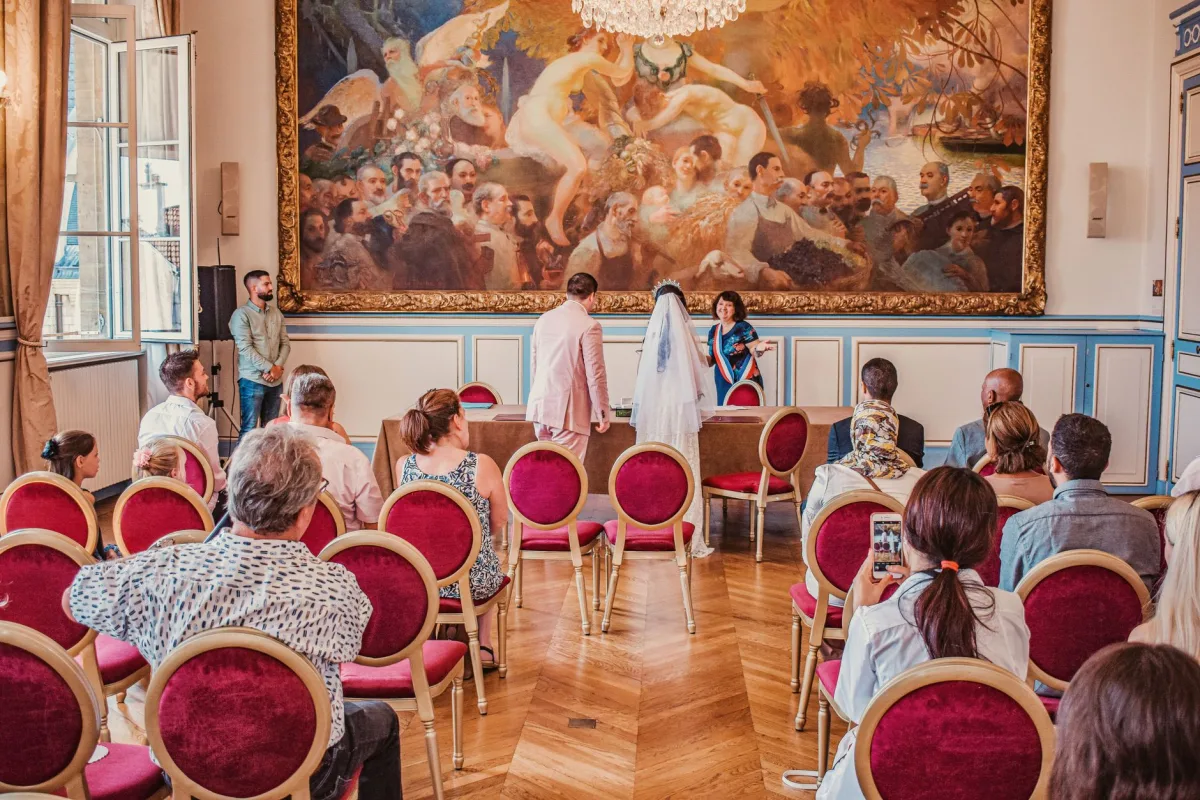
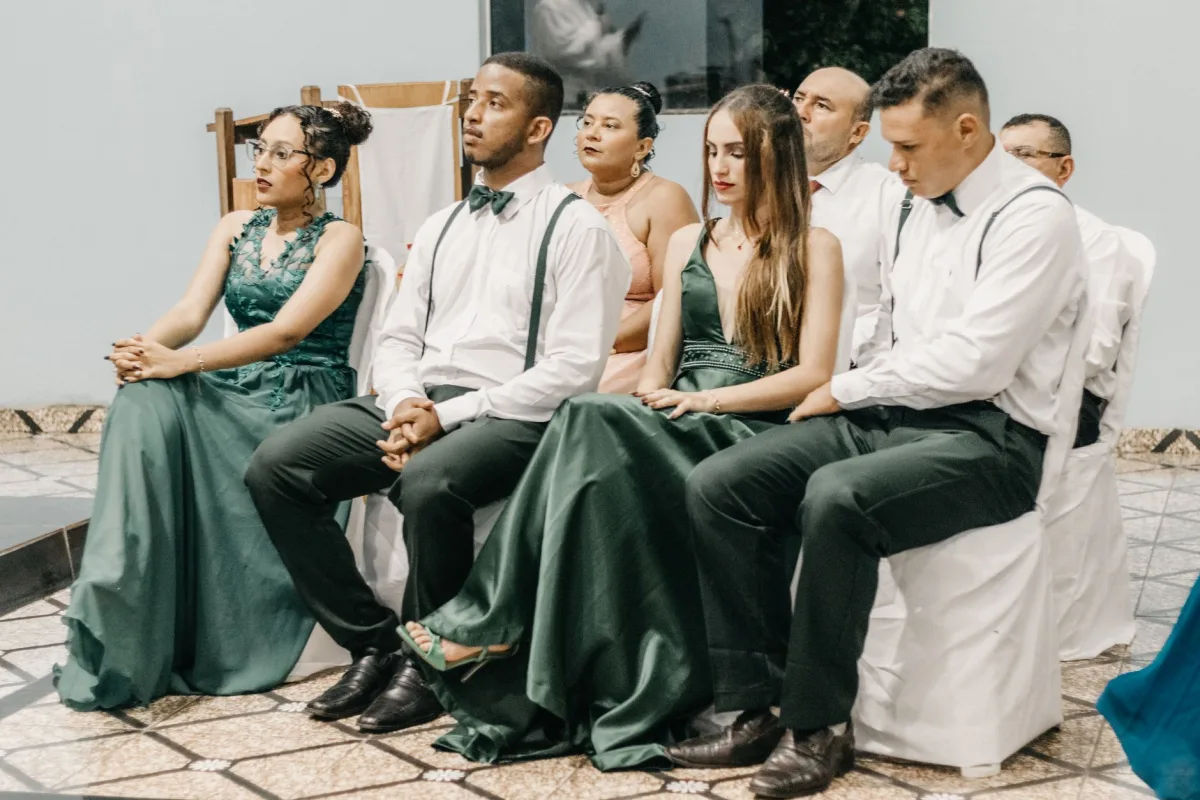
A wedding is a ceremony where two people are united in marriage, and the guests are the witnesses who make that public. That is the heart of the role, and it is worth holding onto. You are not an audience at a performance; you are part of the community that stands up and says, in effect, we see this and we support it. Everything a thoughtful guest does flows from that idea. You are there to add warmth, to celebrate the couple, and to make the day easier rather than harder for the people hosting it.
Traditions vary enormously across cultures and faiths, but the guest's job stays remarkably steady. Whether the ceremony is a cathedral service, a courthouse signing, a mandap ritual or a beach exchange of vows, a good guest reads the room, follows the lead of the hosts, and keeps the focus where it belongs. If you take nothing else from this guide, take that: your presence is the gift, and your job is to be an easy, generous person to have in the room.
The RSVP: reply, and reply properly
The single most important thing a wedding guest does happens weeks before the day. When you receive an invitation, you are being asked for an RSVP, from the French "repondez s'il vous plait," meaning please respond. This is not a polite formality you can let slide. The couple uses your answer to give the venue and caterer a final headcount, and that number sets the cost of the entire reception. A guest who never replies, or who replies late, creates real stress and real expense.
Reply by the date on the card, and reply honestly. If you are not sure you can make it, say so and give a firm answer as soon as you can rather than holding a seat you may not fill. Two rules cause the most upset when they are broken, so treat them as fixed. First, do not bring guests who are not named on the invitation. If your card does not say "and guest" or name your partner and children, they are not invited, and asking to add them puts the couple in an awkward position. Second, tell the couple about any serious dietary needs or allergies when you reply, not on the day, so the kitchen can plan.
RSVP
Your reply to the invitation. It sets the catering headcount, so answer by the deadline and never leave it blank.
"And guest" or a plus-one
Only bring an extra person if the invitation says so. If your name stands alone, you are invited alone.
The reply-by date
A real deadline the couple works backward from. Late replies force awkward chasing and last-minute catering changes.
The registry
A list of gifts the couple actually wants. It exists to help you, not to obligate you to any particular price.
Decoding the dress code
The invitation is quietly telling you what to wear, and the venue is confirming it. A dress code is a set of expectations about clothing for a given occasion, and weddings use a familiar ladder of them. Read the wording, picture the setting, and aim for the level it suggests. A ballroom at seven in the evening asks for more than a garden at noon. When the card gives no code at all, the safest read is smart and celebratory, and it is almost always better to be slightly overdressed than underdressed.
- Black tie. The most formal common code. Floor-length gowns or elegant cocktail dresses, and tuxedos for men. Save it for evening.
- Formal or black tie optional. A step down but still dressy: a dark suit or a long dress, polished throughout.
- Cocktail. The workhorse of weddings. A knee-length dress or a suit; smart but not austere.
- Semi-formal or "dressy casual." A neat dress or a jacket without a tie. Comfortable, but never scruffy.
- Themed or cultural. If the couple asks for specific colours or traditional dress, honour it: it usually carries real meaning for the family.
Two colours deserve a word. Avoid white, ivory or anything that reads as a wedding gown from across the room, because that space belongs to the couple alone. Be cautious with all-black at a daytime or religious ceremony where it may read as sombre, and check for any culture-specific colours to avoid. If you want the full breakdown of formality levels and what flatters each, our guide to wedding guest gowns maps the whole ladder in detail.
Gifts: giving well without overthinking
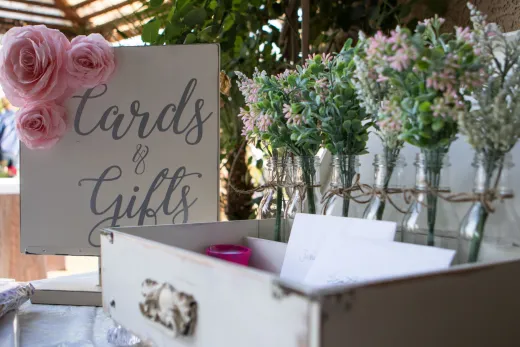
A gift is a warm gesture, not a fee for your seat. The couple has usually made this easy by setting up a registry, a curated list of things they genuinely want, and choosing from it is both simpler for you and more useful for them than guessing. Many modern registries also include cash funds toward a honeymoon or a home, which are entirely acceptable to give to. If you would like a deeper look at how registries work and how to use one gracefully, our overview of the wedding registry covers it.
Give what fits your budget and your closeness to the couple, and do not let comparison ruin the gesture. There is no universal correct amount, whatever the internet insists; a close family member naturally gives more than a distant colleague, and a heartfelt, modest gift from someone who cannot stretch far is received with real gratitude. If you can, send physical gifts to the couple's home before the day rather than carrying them to the venue, where boxes have to be gathered and hauled home at midnight.
Etiquette on the day itself
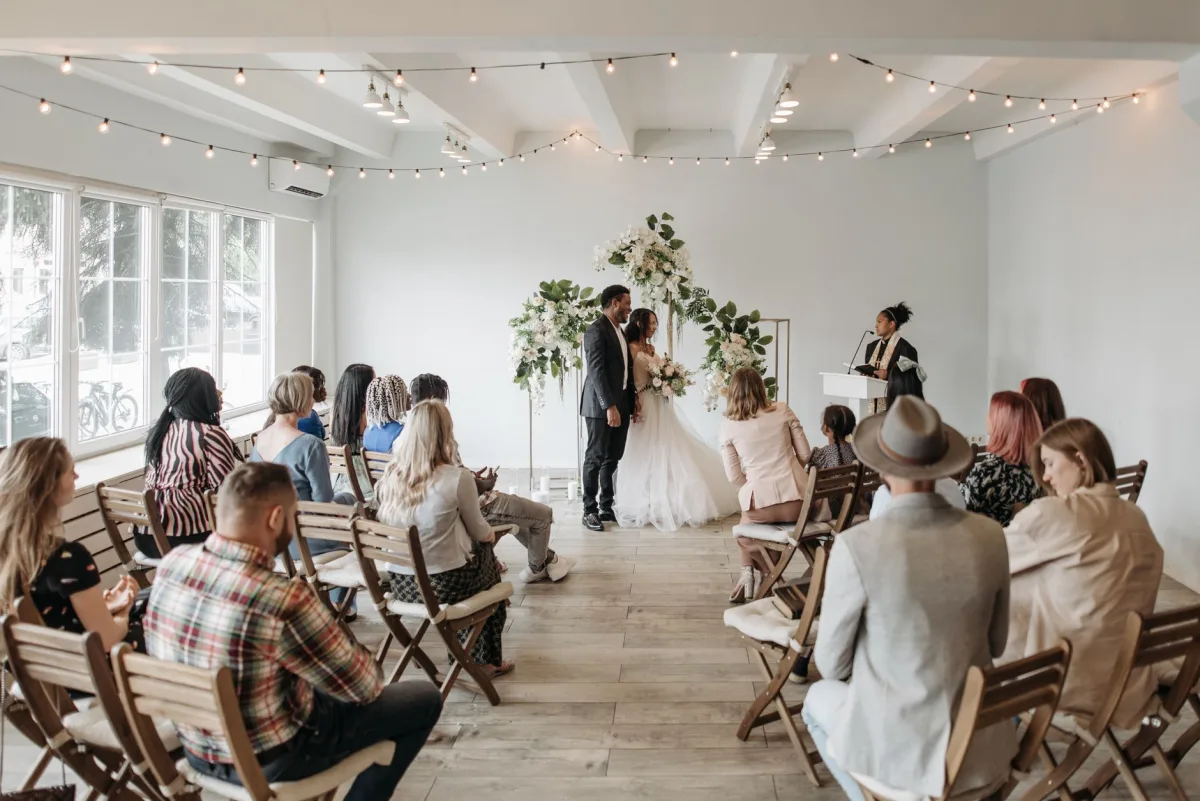
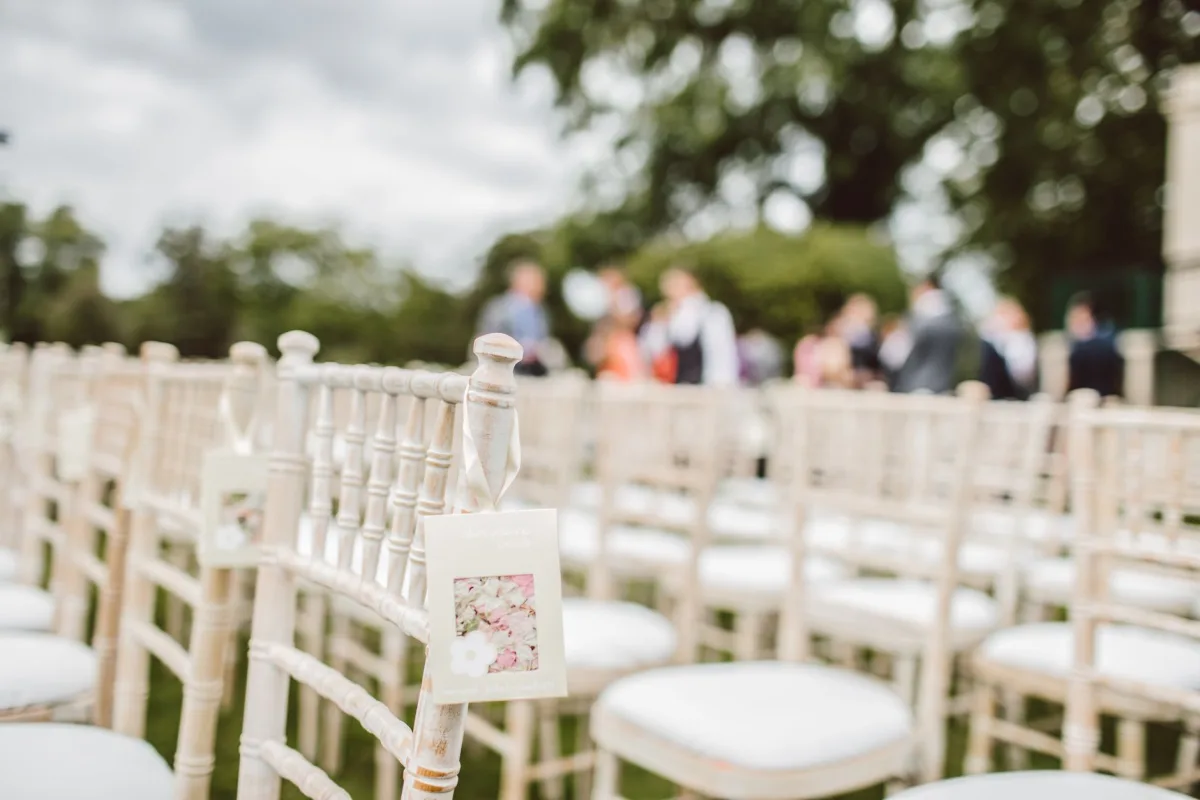
The wedding day has its own rhythm, and a good guest moves with it. Arrive early, never late: aim to be seated fifteen to twenty minutes before the ceremony start time, because slipping in mid-vow is both disruptive and hard to forgive. Follow any seating guidance, silence your phone before you sit, and treat the ceremony as the still, focused centre of the whole day. This is not the moment for conversation, wandering, or leaning into the aisle with a camera.
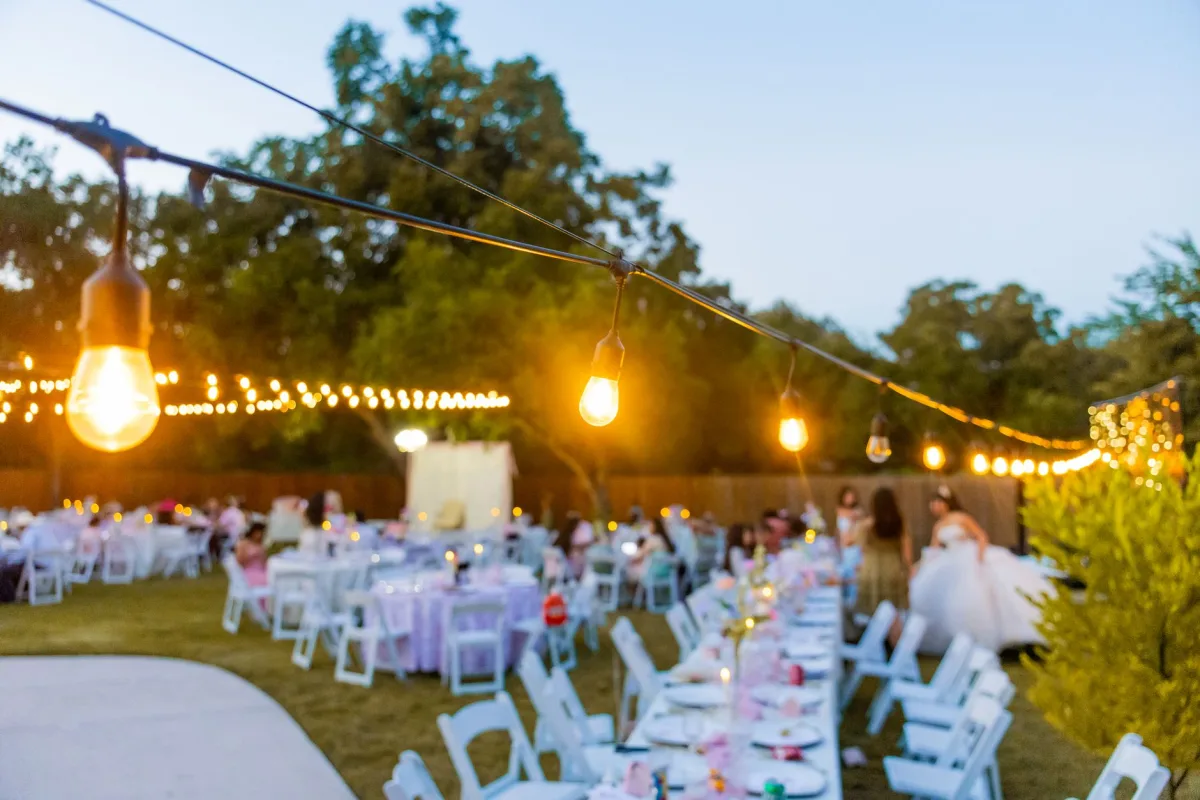
On photography, follow the couple's lead. Many now ask for an "unplugged" ceremony, phones away, so their professional photographer gets clean shots and their guests are present rather than filming. Respect that completely. During the wedding reception, the celebration that follows the ceremony, the mood loosens, but a few things still hold: do not clink for speeches you were not asked to give, do not get so far into the free bar that you become the story, and do go and speak to the couple to thank them, even briefly, because they will want to know you were there.
Arrive early
Be seated well before the start. A ceremony cannot pause for a latecomer, and slipping in mid-vow is genuinely disruptive.
Read the phone policy
Many couples request an unplugged ceremony. If so, keep your phone away and let the professionals capture the moment.
Pace the bar
Celebrate freely, but stay the version of yourself the couple invited. Nobody wants to be the guest people still talk about.
Thank the hosts
Find the couple and their parents, even briefly. A word of thanks is remembered long after the canapes are forgotten.
Special situations guests worry about
A few scenarios come up again and again. If a wedding is child-free, respect it without argument; the couple has weighed it and it is not a referendum. If you genuinely cannot attend after replying yes, tell the couple as soon as you know, because an unfilled seat still costs them, and consider sending a gift or note anyway. If you have a plus-one and are single, it is fine to bring a friend, but confirm first rather than assuming. And if you are travelling for a destination wedding, book early, respect the couple's suggested hotels, and treat the whole trip as their celebration rather than your holiday.
One more that trips people up: sending congratulations. The traditional etiquette holds that you congratulate the couple warmly and, in some older customs, offer the bride "best wishes" rather than strictly "congratulations." In practice, sincere warmth matters far more than the exact word. If you want ready phrasing for cards and messages, our collection of wedding congratulations wording has plenty to borrow.
Where the guest fits in the bigger picture
It helps to remember that you are one thread in a long day the couple has planned for a year. The invitation, the seating, the timeline and the catering are all built around a headcount that includes you. When you reply on time, dress to the code, give within your means and stay easy company from the ceremony to the last dance, you are not just following rules: you are actively making the day work. For the couple's side of all this, and how the whole event is built, our overview of the wedding itself is the natural companion read, and the platform behind this guide, matrimony360, exists to help couples and their circles navigate every stage of the journey with a little more calm.
The bottom line
A good wedding guest is generous with the easy things: a prompt reply, an outfit that respects the occasion, a gift given without fuss, and full attention when it counts. None of it is difficult, and all of it is noticed. Turn up early, keep the focus on the couple, celebrate wholeheartedly and leave the drama at home, and you will be exactly the kind of guest people are glad they invited. That, in the end, is the whole job.
Frequently asked questions
What does RSVP mean and why does it matter so much?
RSVP stands for the French "repondez s'il vous plait," meaning please respond. It matters because the couple uses every reply to give their caterer and venue a final headcount, and that number sets the cost of the reception. Replying late, or not at all, forces awkward chasing and last-minute changes. Answer by the date on the card, honestly, and never add guests who are not named on your invitation.
Can I bring a plus-one or my children?
Only if the invitation says so. If the card reads "and guest" or names your partner and children, they are welcome. If your name stands alone, you are invited alone, and asking to add people puts the couple in a difficult spot with their headcount and budget. For a child-free wedding, respect the decision without pushing back; the couple has already thought it through.
What should I wear as a wedding guest?
Let the invitation and venue set the level. Black tie means gowns and tuxedos, cocktail means a knee-length dress or a suit, and an unstated code usually means smart and celebratory. When in doubt, dress up rather than down. Always avoid white, ivory or anything resembling a wedding gown, and check for any culture-specific colours the family asks you to avoid or wear.
How much should I spend on a wedding gift?
There is no fixed amount. Give what fits your budget and how close you are to the couple, and use their registry as a guide, since it lists things they actually want. Cash funds toward a honeymoon or home are perfectly acceptable. A modest, heartfelt gift is always better received than one you cannot afford, and comparison to other guests helps no one.
Is it rude to take photos during the ceremony?
It can be, so follow the couple's lead. Many now request an unplugged ceremony, meaning phones and cameras stay away so their professional photographer gets clean shots and guests stay present. If they ask for that, honour it completely. At the reception the mood relaxes and casual photos are usually welcome, but never block the hired photographer's view.
What if I have to cancel after saying yes?
Tell the couple as soon as you possibly can. Because your reply set the catering headcount, an unfilled seat still costs them money, so early notice is a real kindness. Apologise sincerely, keep it brief, and consider sending your gift or a warm note anyway so they know you were thinking of them on the day.