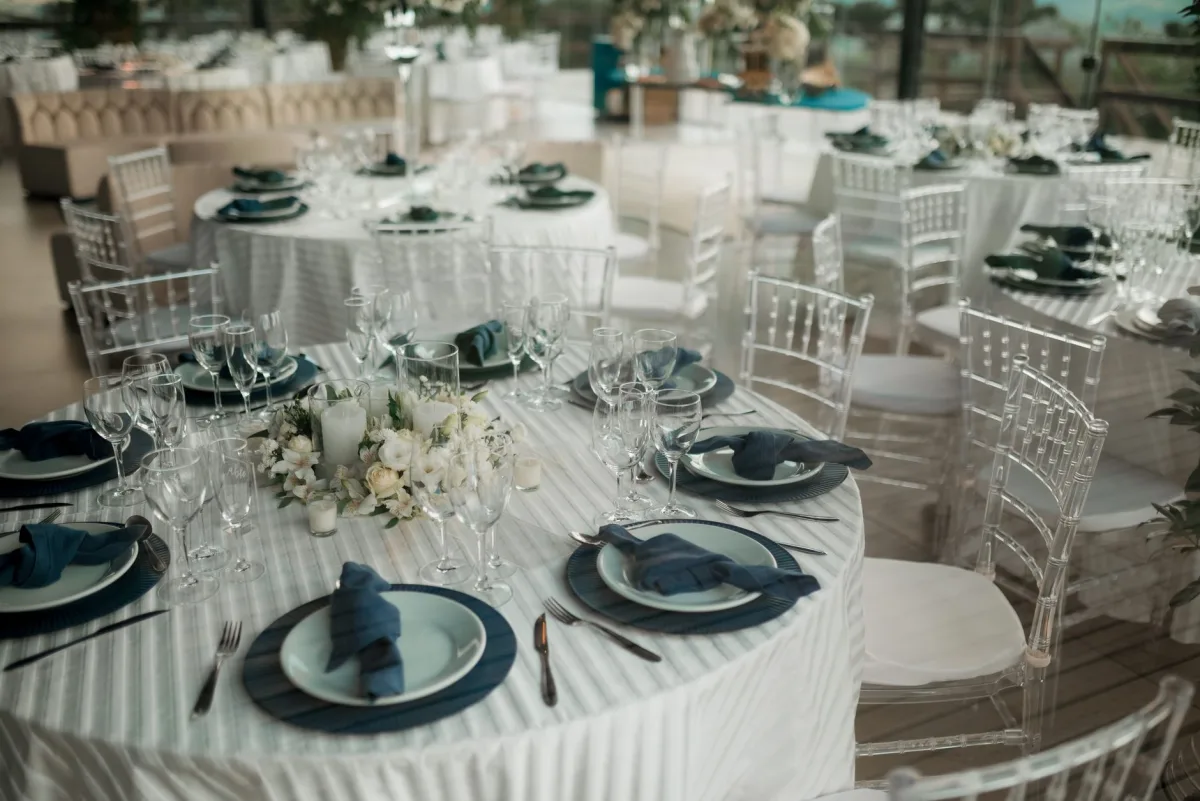
All Inclusive Wedding Venues: The Complete Guide
One contract, one team, one price: what all-inclusive really means, where it wins, where it costs you and how to compare fairly.
An all-inclusive wedding venue bundles the room, the food, the drinks and often the flowers, the cake and the coordination into a single package with one point of contact and, usually, one price. For couples who dread juggling a dozen separate suppliers, it can feel like a lifeline. For others, it can trade away control and value. This complete guide explains exactly what "all-inclusive" does and does not mean, where it saves you money and stress, where it can cost you both, and the precise questions to ask so the word on the brochure matches the wedding you actually get.
The short version
- "All-inclusive" has no fixed definition. Each venue includes a different bundle, so always read exactly what is and is not in the package.
- The big win is simplicity. One contract, one team and one timeline replace the work of booking and coordinating many suppliers.
- The trade-off is control. You often accept the venue's preferred vendors, set menus and limited swaps in return for that ease.
- Compare like for like. A package price only means something once you know the guest count it assumes and every extra it excludes.
What "all-inclusive" actually means
The phrase sounds precise and is anything but. There is no industry standard for what an all-inclusive wedding venue must provide, so the word describes a spectrum rather than a fixed offer. At one end sit venues that include only the space and in-house catering; at the other, full packages that fold in flowers, a cake, a coordinator, table styling, drinks and sometimes accommodation. Two venues can both call themselves all-inclusive and offer wildly different things.
So the first job is never to compare the label, only the contents. Ask each venue for an itemised list of exactly what the package contains, then line those lists up side by side. The value of an all-inclusive venue lives entirely in that detail: a higher price with more included can easily beat a lower one that quietly leaves out drinks, a coordinator or the parts of the reception you most care about.
What is typically included
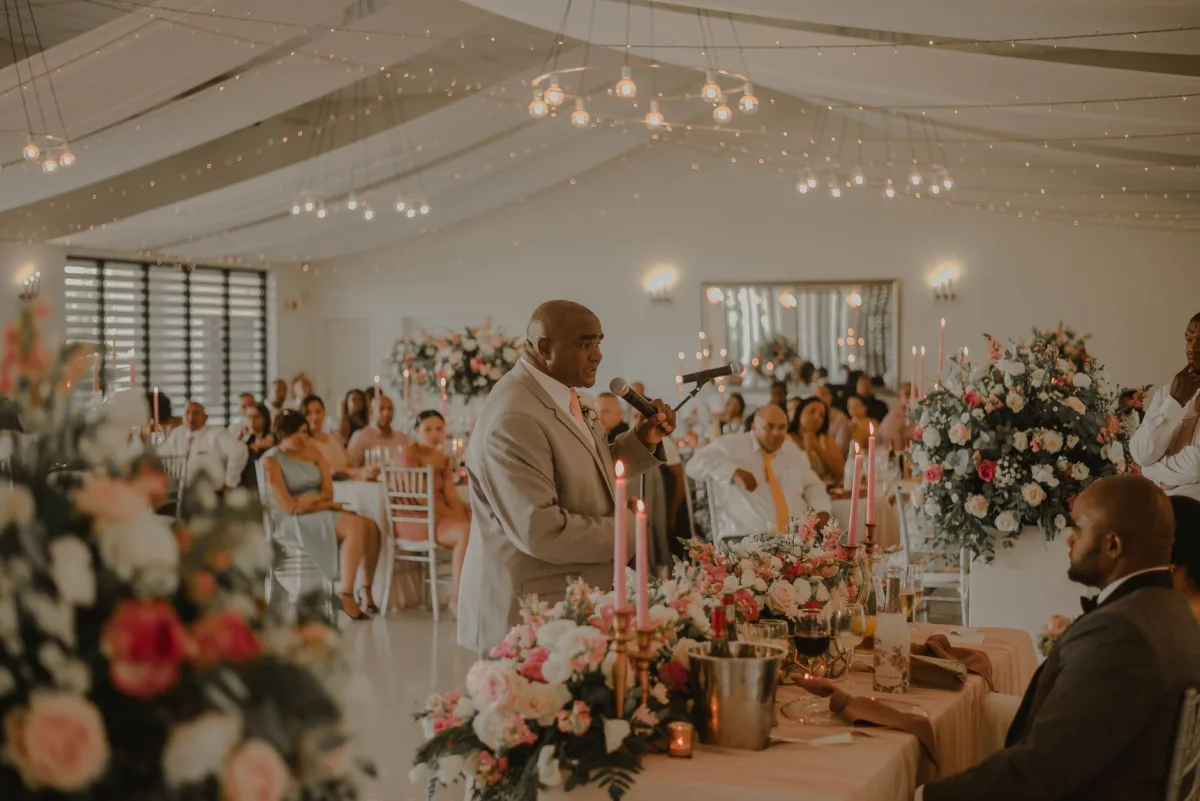
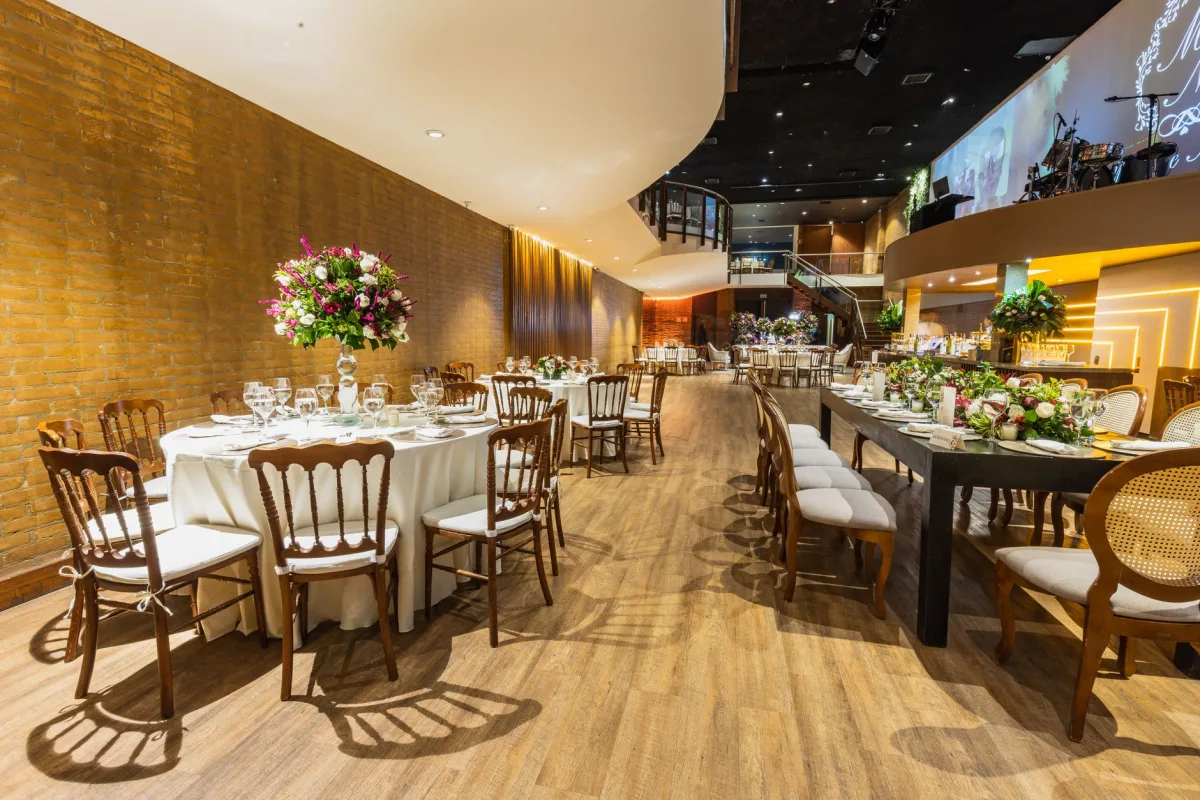
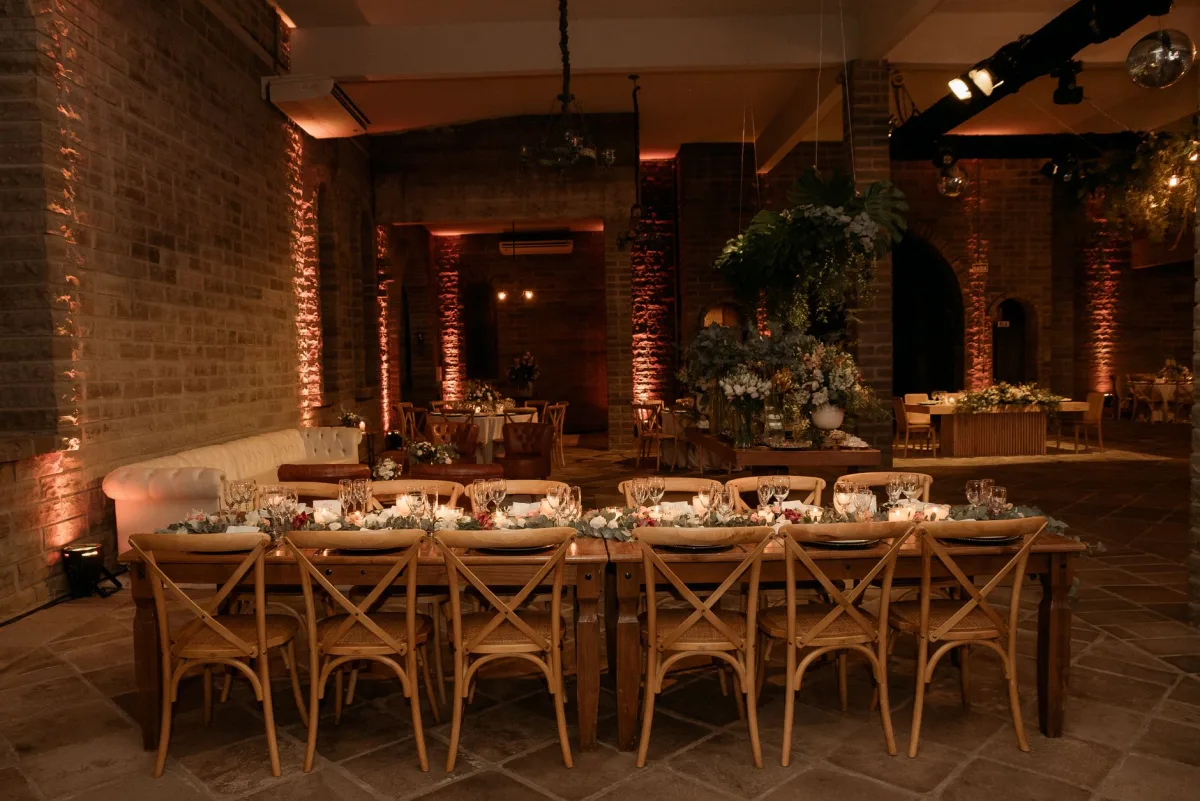
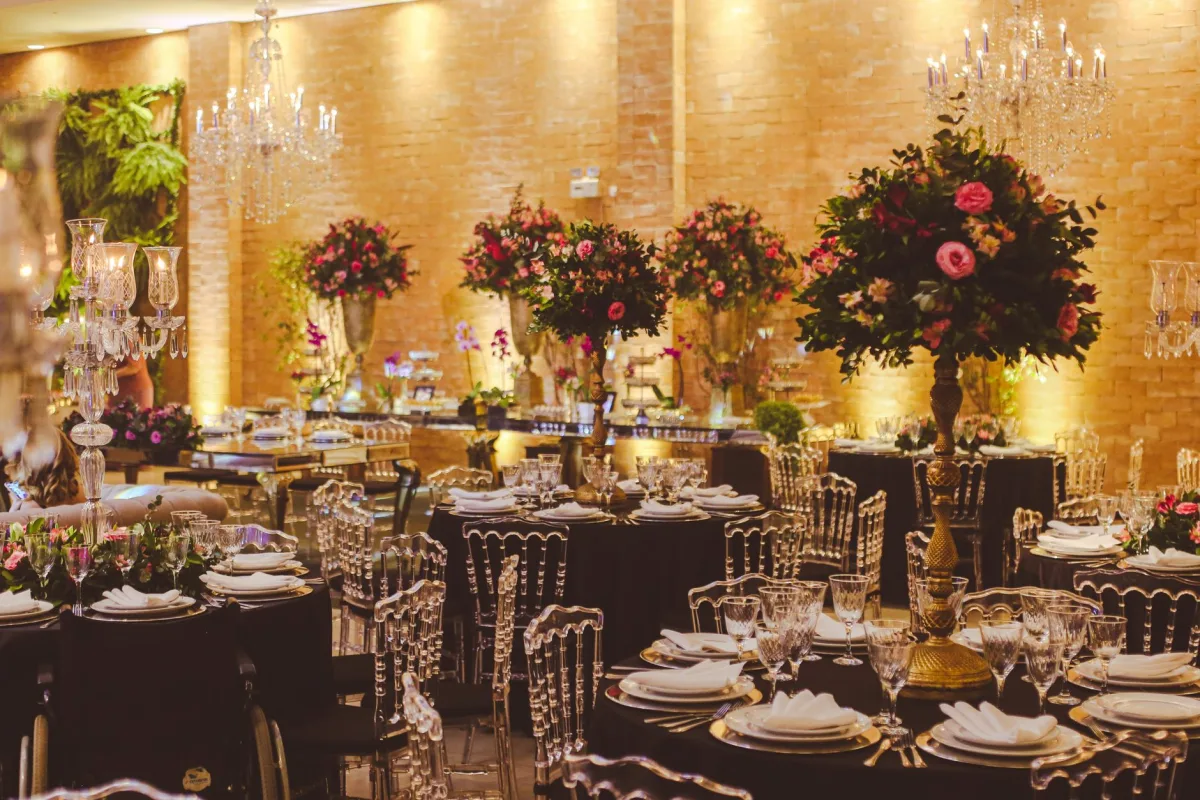
While packages vary, most all-inclusive offers are built from the same menu of components. Knowing the usual pieces helps you read any package and spot what is missing.
The venue and spaces
Ceremony and reception areas, and often getting-ready rooms, for a set number of hours. Check the exact time slot and whether both ceremony and reception are covered.
Catering and drinks
In-house food, usually from set menus, and often a drinks package. Confirm how many courses, how many drinks per guest, and whether service and staff are included.
Tables, chairs and linens
The basic furniture, place settings, glassware and linens. Upgrades to premium chairs or specialty tableware are common paid extras.
Styling and flowers
Some packages include centrepieces, a cake or basic florals; many offer them as add-ons. This is where "all-inclusive" varies most between venues.
A coordinator
An in-house coordinator to run the day and often to help plan it. Clarify whether they only manage the venue's part or coordinate your outside suppliers too.
Extras and upgrades
Entertainment, photography, accommodation and dessert are sometimes bundled, sometimes sold separately. Always confirm which side of the line each one falls.
Because packages differ so much, it pays to understand the components on their own terms. Our guides to wedding catering and wedding packages unpack what good versions of each look like, so you can judge whether a bundle is generous or merely convenient.
The advantages of an all-inclusive venue
The appeal is real and worth spelling out, because for many couples the benefits genuinely outweigh the trade-offs.
- Far less planning stress. One contract and one team replace the work of finding, vetting and coordinating many separate suppliers.
- A single point of contact. When something needs solving, you call one person rather than chasing five, which is priceless in the final weeks.
- Predictable budgeting. A package price makes the largest part of the wedding easier to forecast, with fewer surprise line items.
- Proven logistics. The venue runs weddings constantly, so the timeline, the layout and the flow are already worked out and tested.
- Time saved. The hours you would spend comparing florists, caterers and hire companies are handed back to you.
For a couple who are busy, planning from a distance, or simply not interested in orchestrating every detail, that combination is genuinely valuable. It is much of why packaged and destination weddings, where coordinating far-off suppliers yourself is impractical, so often lean on all-inclusive venues.
The trade-offs to weigh
No format is free of compromise, and an honest guide names the costs alongside the benefits. Weigh these carefully against how much control matters to you.
- Less choice of suppliers. You often must use the venue's in-house team or a preferred list, so a florist or photographer you love may not be an option.
- Set menus and limited swaps. Catering and styling come in fixed tiers, and changes or dietary requests outside them can be restricted or charged.
- Value is not guaranteed. A package is not automatically cheaper than booking separately; sometimes assembling your own suppliers costs less for the same quality.
- Hidden extras. Packages quoted per a certain guest count can climb sharply once you add guests, upgrades, extra hours or drinks beyond the allowance.
- Less personality. Because the venue reuses a proven formula, weddings there can feel similar unless you deliberately add your own touches.
None of these rules out an all-inclusive venue; they simply tell you what to interrogate. If control and value matter more to you than convenience, comparing an all-inclusive quote against a self-assembled one, using our overview of wedding venues to price the room alone, is the honest way to decide.
What it really costs
Package pricing is where all-inclusive venues most need careful reading. A headline figure almost always assumes a specific guest count, a specific menu tier and a specific drinks allowance, and every step above those assumptions adds cost. To compare fairly, always convert the package to a realistic per-guest figure at your true numbers, then add the things it excludes.
Ask directly what happens as guests rise, since per-head catering and drinks scale quickly. Ask which common items sit outside the package, entertainment, photography, a late-night bar, upgraded flowers, accommodation, so you are not surprised later. And ask about service charges and taxes, which can add a meaningful percentage to the total. Only once every exclusion is on the table can you judge whether the package is good value or simply good marketing. To keep the comparison honest against the rest of your spending, run the numbers through our wedding budget checklist, which helps you see the venue package as one slice of the whole rather than an isolated figure.
Questions to ask before you book
Before signing, put every assumption in writing. These questions separate a package that will serve you from one that will nickel-and-dime you.
- Exactly what is included, itemised? Get a written list, not a verbal summary, and note what is explicitly excluded.
- What guest count does the price assume, and how does it scale? Know the per-head cost above and below that number.
- Can I use my own suppliers, or only yours? Ask whether outside vendors are allowed and whether that carries a fee.
- How flexible are the menus and styling? Check what you can swap, what dietary needs you can meet, and what costs extra.
- What does the coordinator actually do? Clarify whether they run only the venue's part or coordinate your whole day.
- What are the deposit, payment schedule and cancellation terms? Understand what you owe, when, and what you lose if plans change.
Is an all-inclusive venue right for you?
The decision comes down to a simple trade. If you value simplicity, a predictable budget and getting your evenings back over maximum control and the chance to hand-pick every supplier, an all-inclusive venue is an excellent fit, and often the sanest choice for a busy or long-distance couple. If you have strong preferences about specific vendors, a distinctive vision, or the time and appetite to assemble and coordinate suppliers yourself, a build-your-own approach may serve you better and sometimes cost less.
Either way, the winning move is the same: ignore the label and read the contents. Compare packages by what they actually include at your real guest count, ask every question above in writing, and price at least one all-inclusive option against a self-assembled alternative. matrimony360 keeps venue, catering, budget and planning guides together so you can do exactly that in one place, and walk into your booking knowing precisely what "all-inclusive" means for your wedding rather than trusting the brochure to define it for you.
Frequently asked questions
What does an all-inclusive wedding venue include?
There is no fixed definition, so it varies by venue. Most include the ceremony and reception spaces, in-house catering, and often a drinks package, tables, chairs and linens. Fuller packages add flowers, a cake, table styling, a coordinator and sometimes accommodation or entertainment. Because the contents differ so widely, always ask for an itemised written list of what is and is not included rather than trusting the label alone.
Are all-inclusive wedding venues cheaper?
Not automatically. A package can offer good value through bulk pricing and simplicity, but sometimes booking suppliers separately costs less for the same quality. The only way to know is to convert the package to a per-guest figure at your real numbers, add every excluded item, and compare it against a self-assembled quote. Watch for how the price scales as guests rise and for service charges and taxes.
What are the downsides of an all-inclusive venue?
The main trade-off is control. You often must use the venue's in-house or preferred suppliers, accept set menus with limited swaps, and work within fixed styling tiers. Value is not guaranteed, extras beyond the base guest count can add up quickly, and because the venue reuses a proven formula, weddings there can feel similar unless you add personal touches. These are manageable if you read the package closely first.
Can I use my own suppliers at an all-inclusive venue?
Sometimes, but not always. Many all-inclusive venues require you to use their in-house team or a preferred vendor list, and some charge a fee to bring in an outside supplier. If a particular florist, photographer or band matters to you, confirm the venue's policy in writing before booking, since this is one of the most common points where couples feel constrained by an all-inclusive package.
Is an all-inclusive venue good for a destination wedding?
Often, yes. When you are planning from far away, coordinating separate local suppliers yourself is difficult, so an all-inclusive venue with one team and one contract removes much of that burden. It is a large part of why destination and packaged weddings so frequently use them. Still apply the same scrutiny: get the inclusions in writing, understand how the price scales, and confirm what flexibility you have.