Wedding Packages: The Complete Guide
From venue-only to all-inclusive: the types of wedding package, what they include, what they cost, and how to spot the hidden extras.
A wedding package is a bundle: instead of hiring the venue, caterer, decor, cake and coordinator one by one, you buy them together as a single, priced product. Done well, a package strips months of decision fatigue out of planning and often saves money against booking everything separately. Done carelessly, it locks you into choices you did not really want and hides costs in the small print. This guide explains what wedding packages are, the main types, what they usually include, and how to read an offer so you get the convenience without the traps.
The short version
- A package bundles vendors into one price. Venue, food, decor and coordination sold together instead of hired separately.
- Types range widely. From venue-only and reception packages to fully all-inclusive and destination deals.
- The saving is convenience plus money, but only if the inclusions match what you actually want.
- Always read what is excluded. Service charges, tax, overtime and upgrades are where a tidy price quietly grows.
What a wedding package is
A wedding is a ceremony where two people are united in marriage, usually followed by a wedding reception, the party held to celebrate it. Pulling all the elements of that day together, the venue, the food, the drink, the decor, the music and the coordination, is a large project. A wedding package exists to simplify it by selling several of those elements as one bundled product at a set price.
Packages are offered by venues, hotels, resorts, catering companies and full-service planners. The common thread is that you buy a defined set of services together rather than assembling them yourself. The appeal is obvious: fewer contracts, fewer separate deposits, one point of contact, and a price you can see up front instead of a dozen quotes you have to add together.
The main types of wedding package
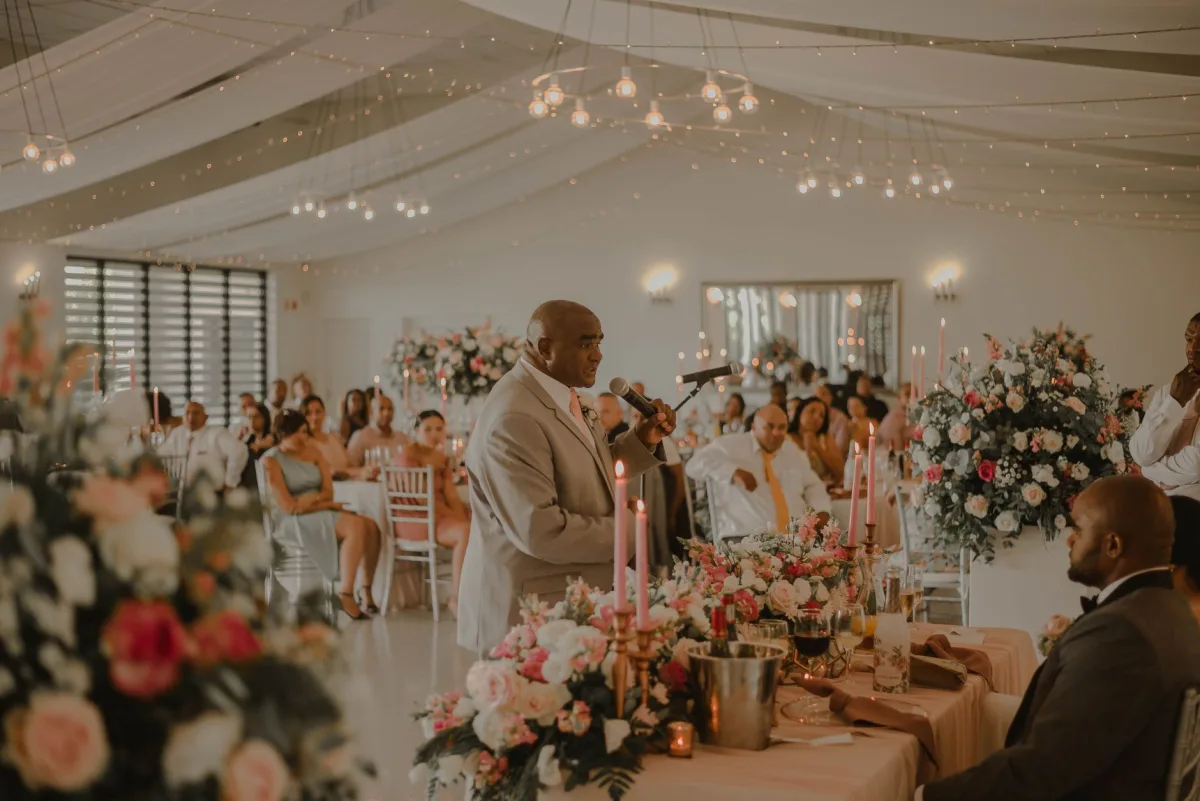
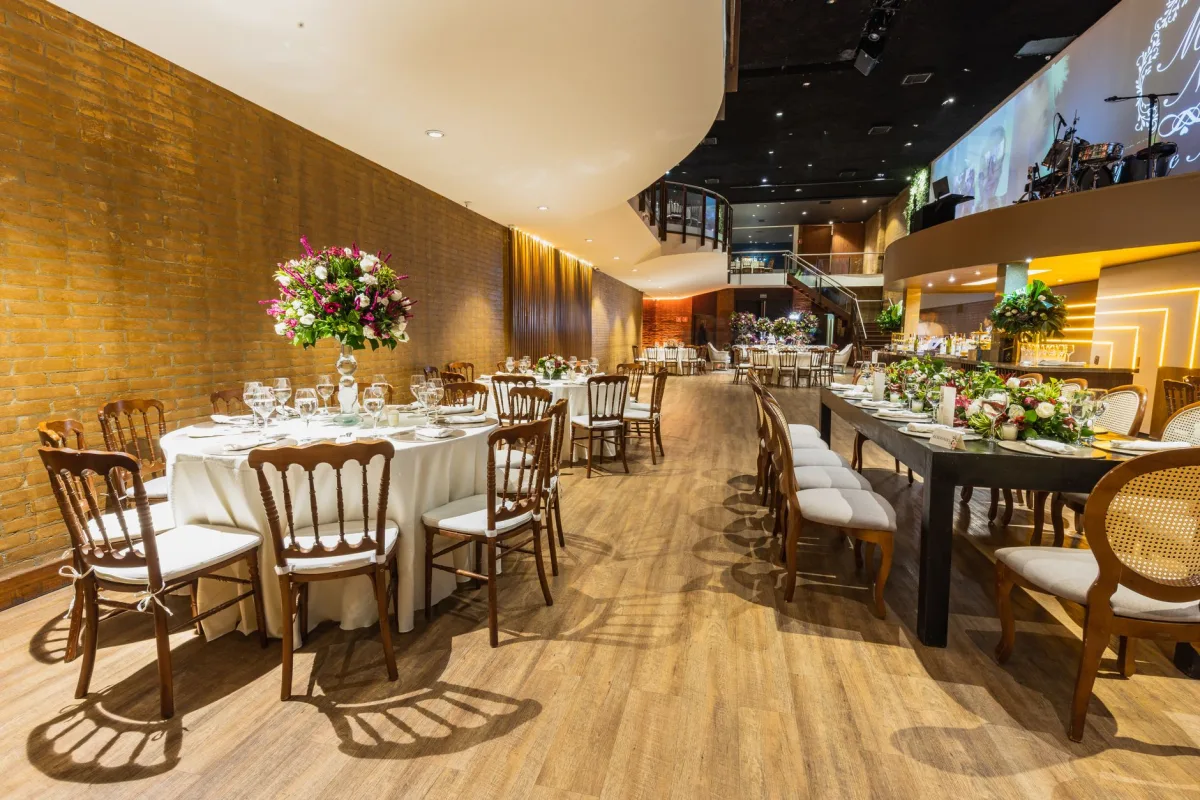
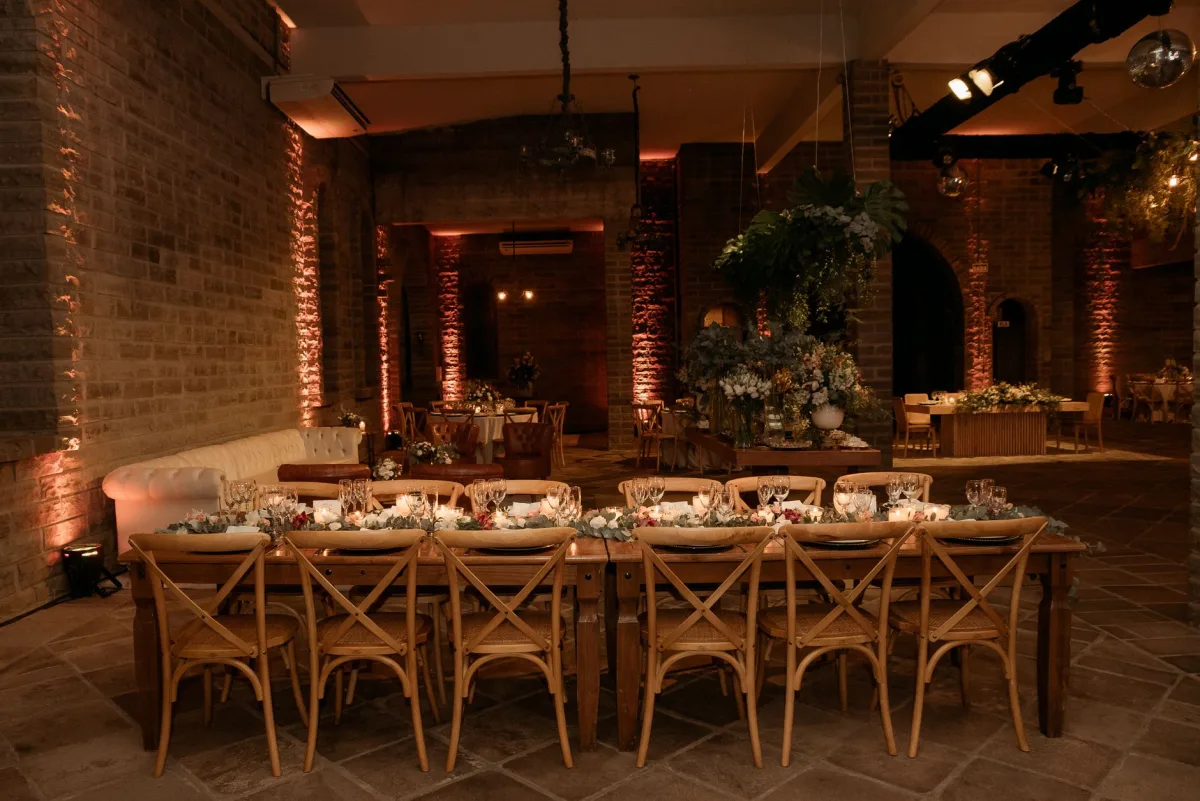
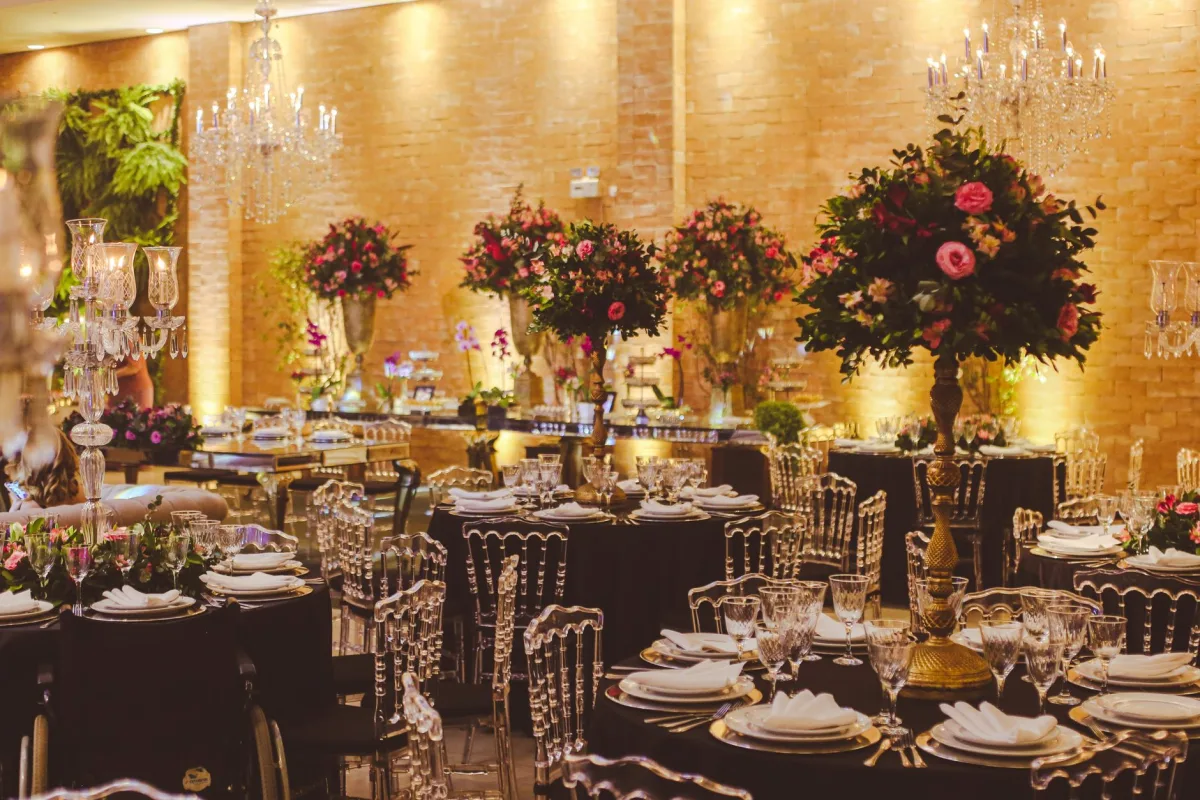
"Wedding package" covers a wide spectrum, from a bare venue hire to a turnkey day where you barely lift a finger. Knowing which tier you are looking at prevents the classic mistake of comparing two very different offers as if they were the same thing.
Venue-only package
The space, tables, chairs and often basic staff, but you bring or hire the caterer, decor and everything else. The most flexible and usually the cheapest headline price.
Reception package
Venue plus food and drink, sometimes with a cake and basic decor. The workhorse offer at hotels and banquet halls.
All-inclusive package
Nearly everything in one price: venue, catering, decor, cake, coordination and sometimes photography and music. Maximum convenience, least flexibility.
Destination package
A resort or overseas venue bundles the ceremony, reception and often accommodation, aimed at couples marrying away from home.
Micro or elopement package
A small, fixed-price bundle for a handful of guests: a short ceremony, a simple meal and the essentials, no sprawling reception.
If you already know you want everything handled under one roof, our dedicated guide to all-inclusive wedding venues goes deeper on that specific tier, including how to judge whether the convenience is worth the premium.
What a package usually includes
Inclusions vary by provider and by price, but most reception and all-inclusive packages are built from a familiar set of components. Reading the list carefully, item by item, is the single most important habit when comparing offers.
- The space and hours. The venue for a defined block of time, with tables, chairs, linens and setup. Check the exact hours and the overtime rate.
- Food and drink. A set menu or a choice of menus, often per head, sometimes with a drinks package. Confirm whether service and tax are inside or outside the quoted figure.
- Decor and flowers. Centrepieces, basic styling and sometimes a ceremony arch. Upgrades beyond the standard look are usually extra.
- The cake. A tiered cake to a set size, with additional tiers or premium flavours priced separately.
- Coordination. A venue coordinator or day-of manager. Note this is not always the same as a full planner who works with you for months.
Because catering is usually the largest slice, it deserves its own scrutiny. Our overview of wedding catering explains how per-head pricing, service charges and menu tiers work, which is exactly the part of a package most likely to move the final bill.
What a wedding package costs
A package price is only meaningful against what it contains, so headline figures across providers are almost impossible to compare directly. A venue-only package carries a modest base price but leaves you buying food, decor and everything else. An all-inclusive package looks expensive by comparison, yet may cost less than assembling the same elements separately once you count the value of the coordination and the bundled discounts.
Two numbers control most packages. The first is the guest count, because catering and often the venue scale per head, so a package "from" a low figure assumes a small wedding. The second is the season and day, with peak Saturdays commanding the highest rates and off-peak dates offering real savings. Map any package against your own wedding budget before you fall for a tidy round number, because the round number is rarely the number you pay.
The advantages and the trade-offs
The case for a package is real. It saves time, reduces the number of decisions and contracts, gives you a single point of contact, and can save money through the provider's buying power. For couples who are busy, planning from a distance, or simply not interested in curating every detail, a good package removes an enormous amount of stress.
The trade-off is flexibility and transparency. A package reflects the provider's preferred suppliers and style, so if you want a specific florist or an unusual menu you may pay to deviate or find you cannot. And a low headline price often excludes service charge, tax, gratuities, overtime and upgrades, so the figure you first see is rarely the figure on the final invoice. The fix is not to avoid packages but to interrogate them.
- Ask what is excluded, not just what is included. Service charge, tax and gratuity can add a substantial percentage.
- Confirm the guest count assumption, and get the per-head price for going above it.
- Check substitution rules. Can you swap the cake, the flowers or the menu, and at what cost?
- Clarify coordination. Is it a full planner or only a day-of venue manager?
- Get it in writing. Every inclusion, exclusion and deadline should be on the contract, not in a friendly conversation.
Choosing the right package for you
The right package is the one whose inclusions match the wedding you actually want, not the one with the lowest number or the longest list. Start from your priorities. If food and atmosphere matter most, weigh reception and all-inclusive offers on the quality of the catering and the venue, not the freebies. If control matters most, a venue-only package that lets you choose your own vendors may suit you far better, even if it means more work.
Think, too, about where you are marrying. A destination wedding almost always runs on a package because coordinating from afar is otherwise punishing, while a hometown wedding gives you the freedom to mix and match. Whichever route you take, a wedding planner can help you read the fine print and tell a genuine deal from a dressed-up one. Matrimony360 couples who compare packages line by line, on what is actually included, consistently get more wedding for their money than those who compare on the headline price alone.
The bottom line
A wedding package trades some flexibility for a great deal of convenience, and often for real savings. The skill is not in finding the cheapest bundle but in matching the inclusions to the day you want and reading past the headline to the exclusions underneath. Decide which tier fits, from venue-only to fully all-inclusive, pin down the guest count and the extras in writing, and a package becomes one of the smartest shortcuts in wedding planning rather than a compromise you regret.
Frequently asked questions
What is included in a wedding package?
It depends on the tier, but a typical reception or all-inclusive package covers the venue for set hours, food and drink, basic decor and flowers, a cake, and some level of coordination. Higher tiers may add photography, music and accommodation. Venue-only packages include just the space and its furniture, leaving you to hire catering and everything else. Always read the inclusion list item by item, and ask specifically what is excluded.
Do wedding packages save money?
Often, yes, but not automatically. An all-inclusive package can cost less than booking the same elements separately, because the provider bundles services and passes on buying power, and it saves the value of your time. However, a low headline price can hide service charges, tax, gratuities and upgrade costs. Compare a package against the itemised cost of doing it yourself, and check the exclusions, before assuming it is cheaper.
What is an all-inclusive wedding package?
An all-inclusive package bundles nearly everything into one price: venue, catering, decor, cake and coordination, and sometimes photography, music and more. It offers maximum convenience and a single point of contact, which suits busy couples and destination weddings. The trade-off is less flexibility, since you largely work within the provider's preferred suppliers and style, and any deviation usually costs extra.
How much does a wedding package cost?
There is no single figure, because price depends on the tier, the guest count, the venue and the season. Venue-only packages have a low base price but leave you paying for food and decor separately, while all-inclusive packages carry a higher number that already covers most elements. Two factors drive the total: how many guests you have, since catering scales per head, and whether your date is peak or off-peak.
Are wedding packages worth it?
For many couples, yes. A package removes months of decisions, cuts the number of contracts and deposits, and often saves money, which is especially valuable if you are busy or planning from a distance. It is less suited to couples who want full control over every vendor and detail. The package is worth it when its inclusions genuinely match the wedding you want; it is a poor deal when you are paying for things you did not choose.