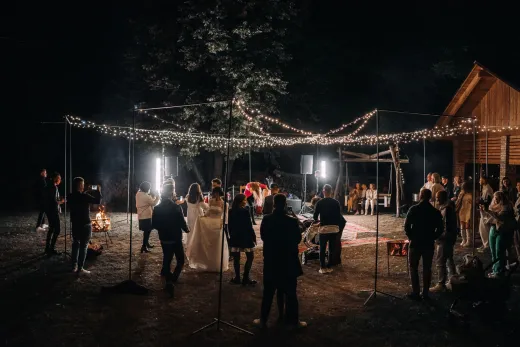
Destination Wedding: The Complete Guide
The appeal, the honest costs, the legal traps, planning from a distance and guest etiquette, so you can decide if a destination wedding is right for you.
A destination wedding is a wedding held somewhere other than the couple's home town, usually a place chosen because it is beautiful, meaningful or simply worth travelling to. Done well, it folds the ceremony, the celebration and a holiday into one unforgettable trip. Done carelessly, it can strain budgets, guest lists and legal paperwork all at once. This guide takes the whole idea in one pass, from the appeal and the real costs to the legal traps and the etiquette, so you can decide whether it is right for you and plan it without nasty surprises.
The short version
- It is a wedding away from home, anything from a beach abroad to a countryside venue a few hours' drive away.
- Guest lists shrink, and that is often the point. Travel naturally filters the list to the people who matter most.
- The legal marriage is the real trap. Marrying legally abroad can be slow and complex, so many couples handle the paperwork at home first.
- Budget for your guests, not just yourselves. Asking people to travel is a real cost to them, and thoughtful planning respects that.
What counts as a destination wedding
A destination wedding is simply a wedding held at a location the couple travel to, rather than in their home community. The image most people have is a beach in the Caribbean or a villa in Italy, but the term is broader than that. A couple from a city marrying at a country estate two hours away, or in the mountains where they first met, are also having a destination wedding. What defines it is that the wedding, and often the guests, come to a chosen place rather than the place being wherever the couple happen to live.
The appeal is easy to understand. A destination wedding turns the day into an experience, blends celebration with travel, and often creates a small shared holiday for the people closest to you. It tends to produce a more intimate, relaxed gathering, because only those who really want to be there make the journey. For the wider context of the ceremony itself and its traditions, our overview of the wedding is a useful companion read.
The real costs, honestly


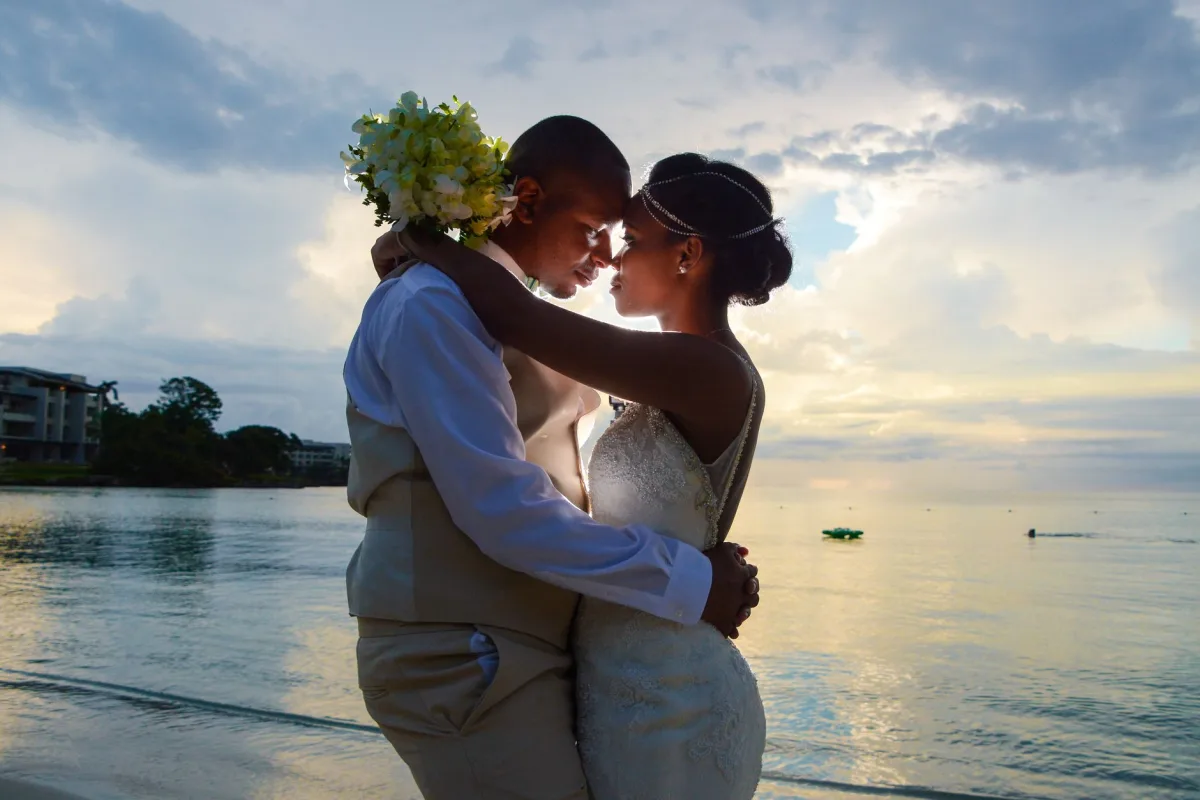

Destination weddings carry a reputation for being either lavishly expensive or a clever way to save money, and the truth is that both can be right depending on how you plan. The honest picture is that the total can land almost anywhere, so it pays to understand where the money actually goes.
- A smaller guest list usually lowers the core cost. Fewer guests mean a smaller venue, less catering and a simpler event, which can offset travel expenses.
- Travel and accommodation are the swing factor. For a far-flung location these dominate the budget, both for you and for guests.
- Packages can simplify or inflate. Many resorts and venues offer all-inclusive wedding packages; they save effort but should be read line by line for what is really covered.
- Hidden extras add up. Marriage licence fees, translation of documents, vendor travel, currency changes and a pre-wedding scouting trip are easy to forget.
Because figures vary so much by country and season, treat any single number you read as a starting point rather than a quote. The reliable move is to price your specific plan in detail, in the local currency, and add a contingency. For a structured way to keep control, our wedding budget checklist works just as well for a destination wedding as a local one.
The legal side you cannot skip
This is where destination weddings catch couples out most often. Having a ceremony in a beautiful place is not the same as being legally married there. A marriage is a legal status, and every country sets its own rules about residency periods, documents, translations and who may officiate. In some places you must be resident for days or weeks before you can marry; in others the paperwork must be certified and translated well in advance.
Because of this, a very common and completely respectable approach is to complete the legal marriage quietly at home, often at a registry office, and then hold the destination celebration as the meaningful ceremony for family and friends. That way the legal status is secure and simple, and the trip is purely about the celebration. If you do intend to marry legally at the destination, start the research early, confirm requirements with the local authorities or your officiant, and never assume the rules match your home country's.
Legal ceremony
The part that actually creates the marriage in law. It has strict document and residency requirements that vary by country.
Symbolic ceremony
The celebration with your guests, with no legal force. Fully flexible in form, and often held abroad after a legal marriage at home.
Documents
Passports, birth certificates, proof of single status and sometimes certified translations. Requirements differ everywhere, so confirm early.
Local coordinator
An on-the-ground planner who knows the venue, language and rules. For a foreign destination this is often the most valuable hire of all.
Planning from a distance
The core challenge of a destination wedding is planning something far away that you cannot easily visit. The solution is to lean on local expertise and to accept that you cannot control every detail as tightly as you would at home. A local coordinator or the venue's own events team becomes essential, because they know the suppliers, the seasons, the licences and the quirks of the place.
A scouting visit, if you can afford one, is worth a great deal: seeing the venue, meeting key vendors and tasting the food removes most of the uncertainty in one trip. If a visit is impossible, insist on video calls, detailed photographs and written confirmations of everything. Building this from abroad is close cousin to running any complex event remotely, and the same discipline applies. Our guide to wedding management covers the coordination habits that keep a distant plan on track, and if the celebration is small you may find our intimate wedding guide closer to what you have in mind.
Guest etiquette and communication
A destination wedding asks a lot of your guests: time off work, travel costs and often several days away. Good etiquette starts from recognising that. The single most important thing you can do is give people plenty of notice, ideally with a save-the-date many months ahead, so they can plan and budget.
- Send save-the-dates early. Six to twelve months' notice is kind, and lets guests find affordable travel.
- Share clear information. A simple wedding website or printed guide with travel, accommodation and schedule details answers most questions before they are asked.
- Do not expect everyone to come. Accept gracefully that some cannot make the trip. It is the nature of a destination wedding, not a slight.
- Consider your guests' costs. Blocking rooms at a range of price points, or suggesting affordable options, shows you have thought about their budgets too.
- Keep the paperwork of the invitation clear. Our guide to wedding invitations helps you set expectations and dress codes for a destination event.
Is a destination wedding right for you
A destination wedding suits couples who value experience and intimacy over a large local guest list, who are comfortable with less hands-on control, and who like the idea of turning their wedding into a shared journey. It suits less well those who dream of a big celebration with everyone they know, who find travel logistics stressful, or whose closest family genuinely could not make the trip.
There is no wrong answer, only a fit. Some couples split the difference with a small destination ceremony followed by a relaxed party back home for everyone else, which honours both the adventure and the wider circle. However you decide, at Matrimony360 we see the wedding as the celebration of a match that was worth making, and a destination simply gives that celebration a memorable backdrop. If a private, tiny version appeals more than a full destination event, our elopement guide explores that path too.
Frequently asked questions
What exactly is a destination wedding?
A destination wedding is a wedding held at a location the couple travel to, rather than in their home community. It is often imagined as a beach or overseas villa, but a country estate a few hours away counts too. What defines it is that the wedding, and usually the guests, come to a chosen place. The appeal is that it blends the ceremony with travel and tends to create a more intimate, relaxed celebration.
Are destination weddings cheaper or more expensive?
Either is possible depending on how you plan. A smaller guest list, which travel naturally encourages, can lower the core cost of venue and catering, while travel and accommodation become the biggest variable. All-inclusive packages can simplify budgeting but should be read carefully, and hidden extras like licence fees, translations and vendor travel add up. Because costs vary so much by country and season, price your specific plan in detail rather than trusting a headline figure.
How do we legally get married at a destination?
Every country sets its own rules on residency, documents, translations and who may officiate, and some require you to be present for days or weeks beforehand. Because of this, many couples complete the legal marriage quietly at home, often at a registry office, and hold the destination event as a symbolic celebration for family and friends. If you do want to marry legally abroad, research the requirements early and confirm them with local authorities or your officiant.
How much notice should we give guests?
As much as possible. For a destination wedding, six to twelve months' notice is considerate, because guests need time to book time off work, arrange travel and save for the trip. Send save-the-dates early and follow with clear information about travel, accommodation and the schedule. Recognise that asking people to travel is a real cost to them, and accept gracefully that not everyone will be able to come.
Should we hire a local coordinator?
For a foreign or unfamiliar destination, a local coordinator or the venue's own events team is often the most valuable hire you make. They know the suppliers, the seasons, the legal requirements and the local quirks that you cannot research from afar. If you cannot make a scouting visit, they become your eyes on the ground, and their knowledge removes most of the risk of planning something complex in a place you do not know.