
Breakup: The Complete Guide
Why a breakup hurts, how to recognise a relationship is ending, how to cope in the early days, and how to move forward at your own pace.
A breakup is the end of a romantic relationship, and almost everyone who loves will feel one at some point. Knowing that it is common does not make it hurt less, and it should not have to. This guide is here to help in a practical, gentle way: to explain why a breakup hurts the way it does, how to tell when a relationship is genuinely ending, how to cope in the raw early days, and how people slowly, unevenly, find their feet again. There is no timetable to force yourself onto here, only support and a reminder that this pain, real as it is, does not last forever.
The short version
- A breakup is a real loss, and grieving it is normal, not weakness or overreaction.
- Healing is not linear. Good days and hard days will trade places for a while, and that is expected.
- Small structure helps: sleep, routine, movement and leaning on people carry you when motivation cannot.
- You do not have to do it alone. Friends, family or a professional can steady you through the hardest stretch.
What a breakup really is
A breakup is the ending of an intimate relationship by any means other than death. That plain definition hides how much it actually undoes. A relationship is not only a person; it is a shared routine, a set of plans, a place in each other's families, and a picture of the future. When it ends, all of that has to be unwound at once, which is why a breakup can feel so much bigger than losing one relationship. You are not being dramatic. You are absorbing a genuine change to the shape of your life.
Breakups take many forms, and none is trivial. Some are mutual and calm, some are one-sided and shocking, some come after a long slow fade and some arrive out of nowhere. A dating relationship, a long partnership, an engagement or a marriage can each end, and each carries its own weight and its own tangle of practical threads to unpick. Whatever form yours takes, the feelings that follow are a normal response to a real loss, not a sign that something is wrong with you.
Why it hurts the way it does


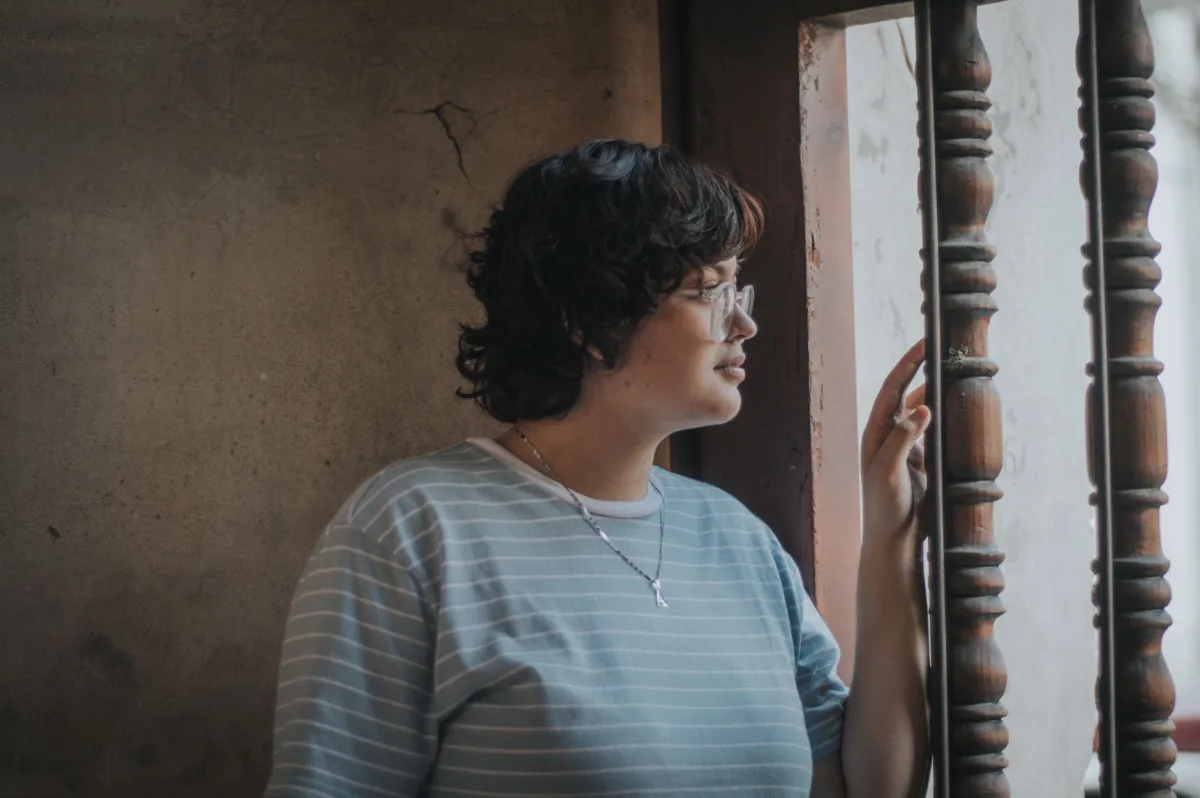

If a breakup feels like grief, that is because in an important sense it is. Grief is the response to loss, particularly the loss of someone or something to which a bond was formed, and the end of a relationship is exactly that kind of loss. You are grieving not just the person but the companionship, the routines, and the future you had imagined together. Understanding it as grief gives you permission to treat it seriously and to be as patient with yourself as you would be with a friend mourning any other loss.
There is also a reason the ache can feel physical. Human beings form deep bonds through interpersonal relationships, and the brain and body come to rely on a close attachment for a sense of safety and steadiness. When that attachment is suddenly gone, the distress is not only emotional; it can show up as trouble sleeping, a loss of appetite, restlessness or a hollow tiredness. This is a normal reaction to the loss of a bond, and for most people it eases as the weeks pass, even when it feels impossible to believe in the moment.
When a relationship is genuinely ending
Sometimes a breakup arrives as a decision you are still weighing rather than one already made. It is worth saying gently that not every rough patch is the end, and many relationships pass through hard seasons and come out stronger. But some patterns do tend to signal that a relationship has run its course, and naming them can bring a painful kind of clarity.
Contempt has crept in
When respect curdles into eye-rolling, mockery or constant criticism, the foundation is eroding. Occasional conflict is normal; steady contempt is not.
The core needs no longer meet
Fundamentally different visions of the future, on children, values or how to live, that neither person can honestly compromise on.
Communication has stopped
Not just arguing, but no longer really talking or trying to be understood. Silence and avoidance can say more than any fight.
Trust or safety is gone
Repeated broken trust, or any form of emotional or physical harm, is a reason to leave, and to seek support in doing so safely.
None of these signs makes the decision easy, and clarity is not the same as painlessness. If you are trying to work out whether to repair or to part, it can help to talk it through with someone neutral. Our guide to relationship counseling explains how a trained third party can help a couple either rebuild or separate with more kindness, and our broader piece on a healthy relationship can help you weigh what you actually need.
Getting through the first days
The early stretch after a breakup is usually the hardest, and the goal in it is simply to get through, not to feel fine. Feeling fine is not the standard yet. What helps most in these first days is small and concrete rather than profound. Let yourself feel it: suppressing the sadness tends to stretch it out, while allowing it to move through, in waves, lets it pass more cleanly.
Then lean on the ordinary scaffolding that holds a person up when motivation is gone. Try to keep some structure to your days, even a loose one, because routine gives a shaken mind something to hold. Protect your sleep as best you can, eat something even when you do not feel like it, and get your body moving, since even a short walk can take the edge off the worst of it. Reach out to the people who love you rather than isolating; company does not fix the loss, but it makes carrying it less lonely. And be wary of the impulse to numb the pain with things that will cost you more later.
Protect your sleep
Rest is when the mind processes loss. Keep a gentle wind-down and a regular bedtime, even when sleep is patchy.
Lean on your people
Tell a few trusted friends or family what you need, whether that is company, distraction or just someone to listen.
Keep some routine
Small anchors, meals, work, a daily walk, give a hard day a shape to move through when nothing feels normal.
Set space from contact
Constant messaging or checking their profile keeps the wound open. A little distance, however hard, gives it room to close.
Moving forward, at your own pace
Recovery from a breakup is real but rarely tidy. Expect it to be uneven: a good week followed by a day that knocks you flat, a song or a date on the calendar that catches you off guard. This is not backsliding; it is simply how healing from loss actually works, in a spiral rather than a straight line. Measuring yourself against an imagined timetable only adds guilt to grief. The truer measure is that, over time, the hard days grow a little further apart and a little less sharp.
As the acute pain eases, there is often quiet value in looking back without blame. Gentle reflection, what you learned, what you need next time, what you want to do differently, can turn a painful ending into something you grow from. This is not about faulting yourself or your former partner; it is about carrying forward a clearer sense of what a good relationship looks like for you. Our dating advice is there for whenever you feel ready to think about what comes next, with no pressure at all about when that should be.
A gentle note on support
If the sadness feels overwhelming, does not lift over time, or you find yourself unable to cope with daily life, please reach out to someone you trust or to a doctor or licensed therapist. If you ever feel unsafe or in crisis, contact your local emergency number or a crisis helpline right away. Asking for help is a sign of strength, not weakness.
The bottom line
A breakup is a genuine loss, and it deserves to be treated as one: with patience, with kindness toward yourself, and without a stopwatch. It hurts because the bond was real, and it eases because you are built to heal. In the meantime, keep the small things going, sleep, food, movement and the people who love you, let yourself grieve in waves, and lean on support when the weight is too much to carry alone. Whatever ended, and however it ended, this chapter is not the whole story. The pain is real, it is temporary, and you will feel like yourself again.
Frequently asked questions
Why does a breakup hurt so much?
Because it is a genuine loss, and your mind and body respond to it much as they respond to grief. You are not only losing a person but a shared routine, a sense of the future, and a close attachment your brain had come to rely on for a feeling of safety. That is why the pain can feel physical, showing up as trouble sleeping, low appetite or restlessness. This is a normal reaction to losing a bond, not a sign of weakness, and for most people it eases with time.
How long does it take to get over a breakup?
There is no fixed timetable, and comparing yourself to one usually adds guilt to grief. Recovery depends on the length and depth of the relationship, the circumstances of the ending, and your own support and coping. What is consistent is the shape of it: healing is uneven, moving in a spiral of better and harder days rather than a straight line, with the hard days gradually growing further apart and less sharp. Be patient with yourself and let it take the time it takes.
What helps most right after a breakup?
Small, concrete things help more than grand ones. Let yourself feel the sadness rather than suppressing it, since it passes more cleanly in waves. Keep some routine to your days, protect your sleep, eat something even without appetite, and move your body, even a short walk. Lean on trusted friends or family instead of isolating, and give yourself some distance from contact and from checking their profile. Avoid numbing the pain in ways that will cost you more later.
How do I know if a relationship is really over?
Not every rough patch is the end, but some patterns tend to signal a relationship has run its course: steady contempt rather than occasional conflict, fundamentally different core needs that neither person can honestly compromise on, a breakdown in communication where you no longer really talk, and lost trust or any form of harm. If you are unsure whether to repair or part, talking it through with a neutral professional, such as a relationship counselor, can bring painful but useful clarity.
Should I stay friends with my ex?
There is no single right answer, and it depends on the relationship and how it ended. For many people, at least some distance early on helps the most, because constant contact or messaging tends to keep the wound open and slow the healing. Some people do build a genuine friendship later, once both have healed and moved on, while for others a clean break is kinder. Give yourself space first, and let any future friendship be a choice you make from a settled place, not a way to avoid the loss.