Brother and Sister Relationship: The Complete Guide
How the sibling bond forms and changes, why brothers and sisters fight, whether birth order matters, and the rituals that celebrate the tie.
The brother and sister relationship is often the longest one a person ever has. It usually begins before memory and outlasts parents, and for many people it stretches across seventy or eighty years. Because it is so ordinary, it rarely gets the thought it deserves. This guide takes the bond seriously: how it forms, how it changes from the nursery to old age, why brothers and sisters fight and forgive so easily, the cultural rituals that celebrate the tie, and how it shows up on the big family occasions like weddings.
The short version
- It is the longest bond you get. A sibling relationship typically outlasts every other family tie you will have.
- Conflict is normal, not a warning sign. Squabbling siblings can still be deeply attached; rivalry and closeness live side by side.
- The relationship keeps changing. Childhood rivalry often softens into adult friendship, then mutual care in later life.
- Many cultures ritualise the tie. Festivals such as Raksha Bandhan and Bhai Dooj honour the brother and sister bond directly.
What the brother and sister relationship really is
A sibling is a brother or sister who shares one or both parents, and the brother and sister bond is simply that relationship crossed with the difference of gender and, usually, the difference of age. What makes it distinct from a friendship is that no one chooses it. You are handed a person to share a home, a history, and a set of parents with, and you spend your formative years learning to live alongside someone whose temperament may be nothing like your own.
That involuntary quality is the source of both the friction and the durability. You cannot resign from being someone's sister the way you can drift away from a friend. Even estranged siblings tend to carry the relationship with them, because it is stitched into the story of where they came from. When the bond is warm, it becomes a rare kind of witness: the only other person who remembers the same kitchen, the same holidays, the same parents at the same age. That shared archive is something no later relationship, even a marriage, can fully replace.
Full siblings
Brother and sister who share both biological parents. The most common configuration and the one most of the research on siblings describes.
Half and step siblings
Half siblings share one parent; step siblings are joined by a parent's remarriage. The emotional bond can be every bit as strong as with full siblings.
Sibling attachment
The emotional tie children form with a brother or sister. An older sibling can become a genuine source of comfort and security, not just a playmate.
Sibling rivalry
Competition and jealousy between siblings, usually over parental attention. Common, largely normal, and different in kind from lasting hostility.
How the bond changes across a lifetime
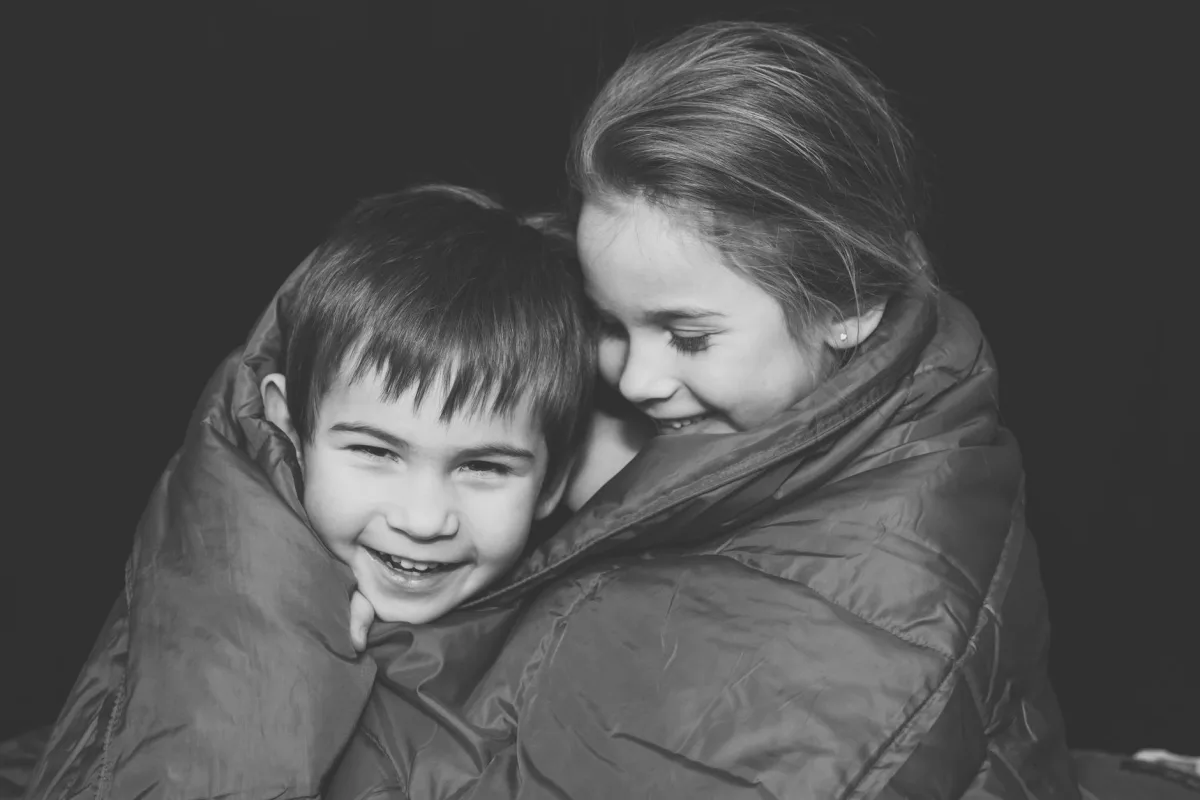
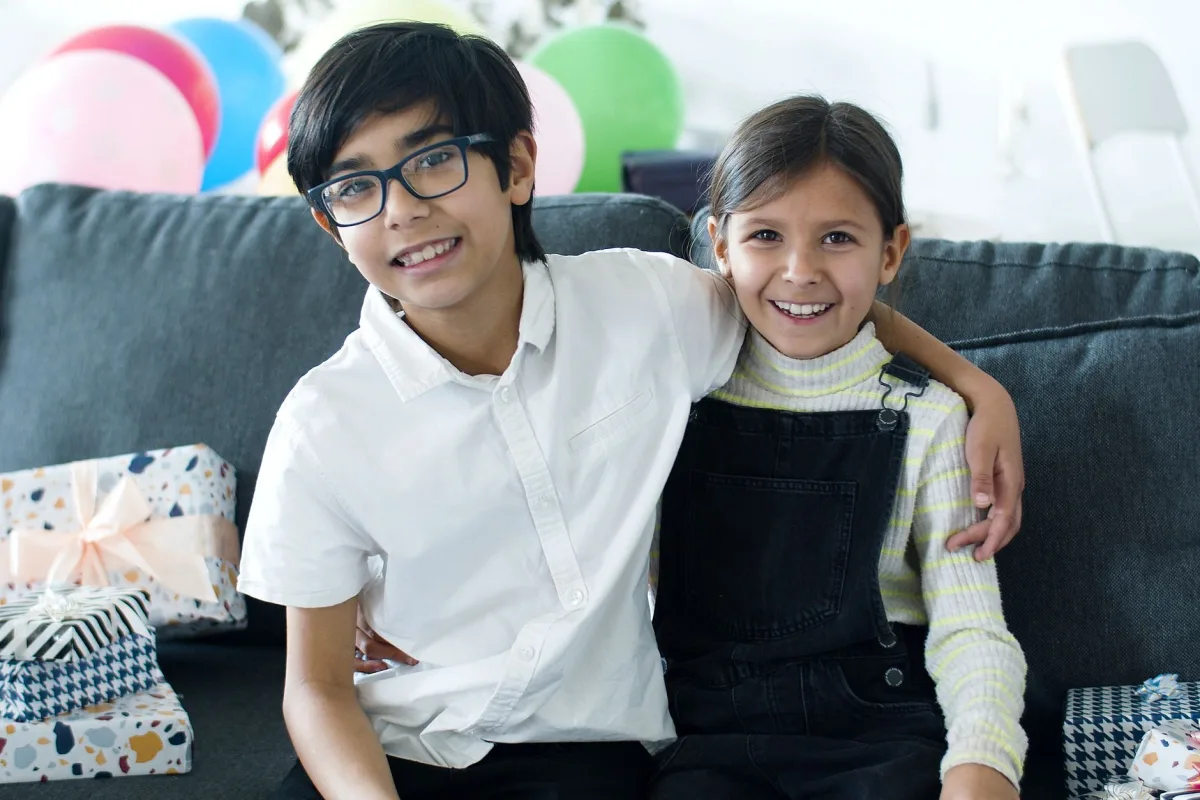
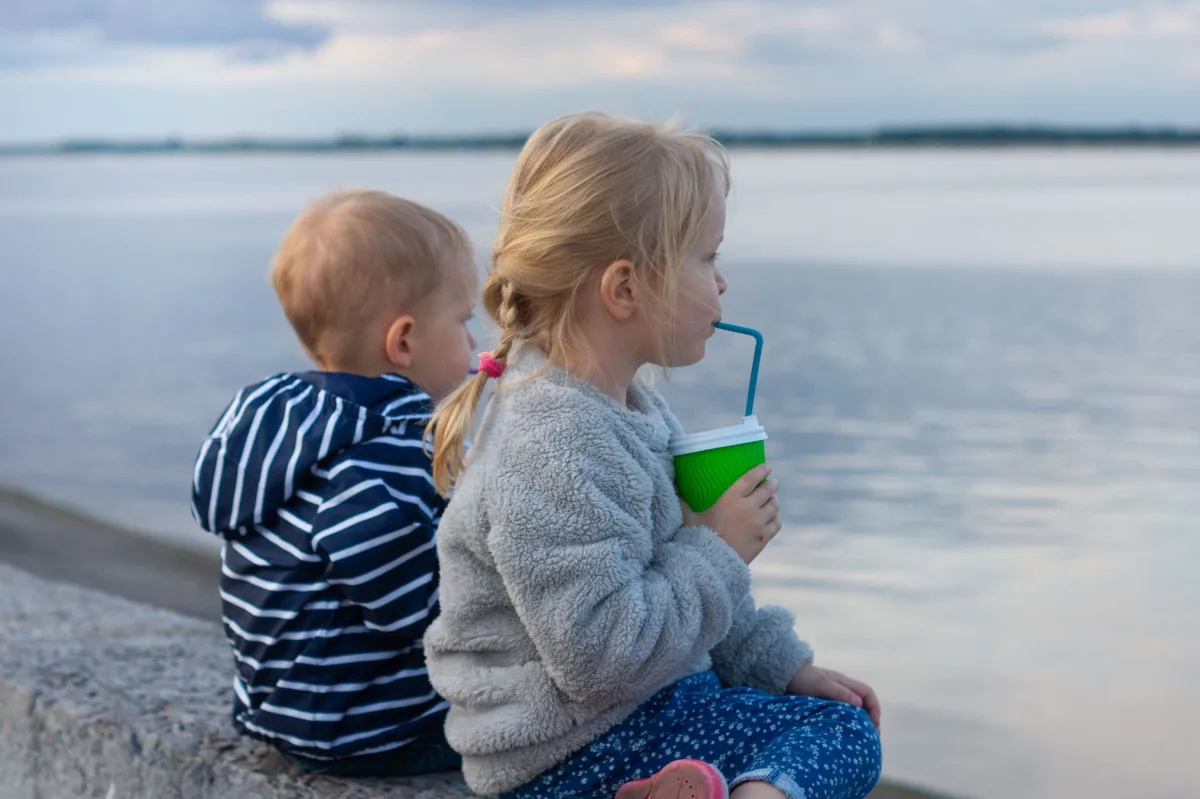
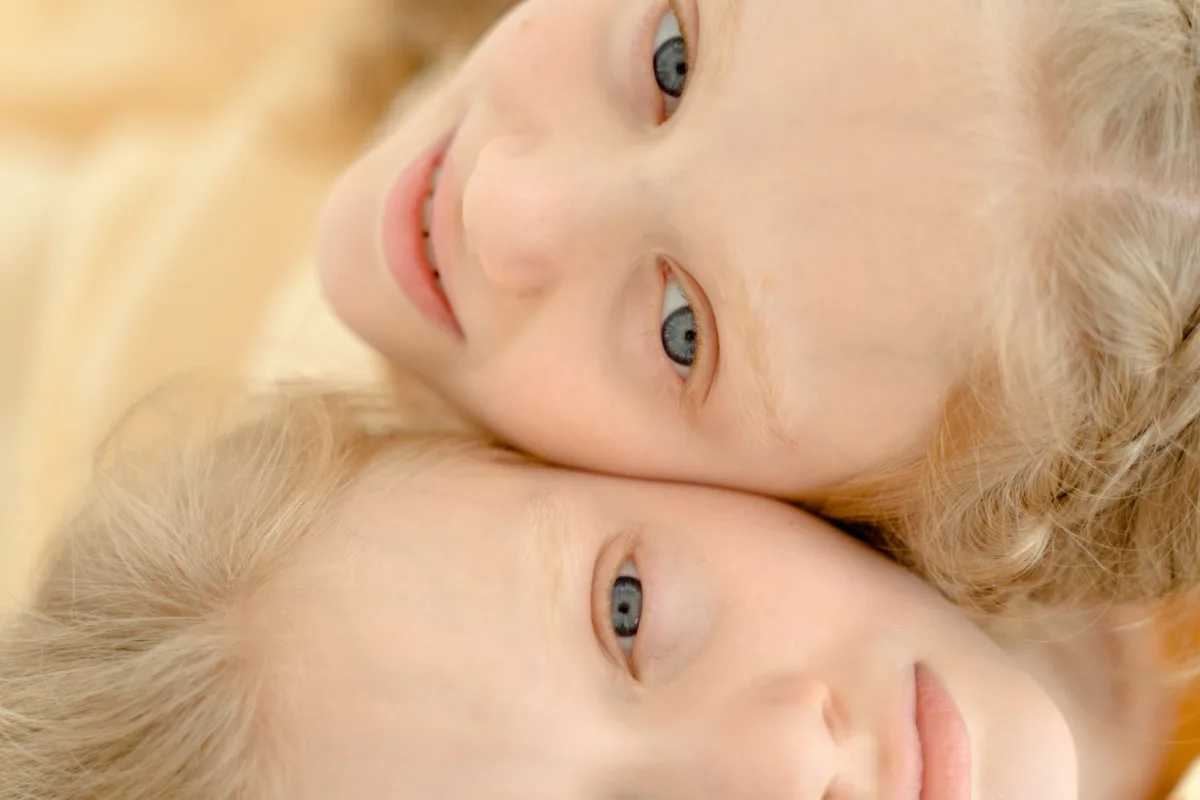
The brother and sister relationship is not one thing but a sequence of things, each shaped by the stage of life the two people are in. Understanding the arc helps you stop mistaking a difficult phase for the final verdict.
In early childhood the older sibling is often part hero, part rival. A little sister may adore her big brother and copy everything he does while also resenting that he was there first. The teenage years frequently pull siblings apart as each builds a separate identity, separate friends, and a fierce need for privacy; a brother and sister who were inseparable at eight can barely speak at fifteen, and that distance alarms parents far more than it should. Early adulthood is the great reset. Once both have left home and the daily friction of sharing a bathroom is gone, many siblings rediscover each other as adults and choose, for the first time, to be friends.
Later life brings the deepest test and often the deepest closeness. Ageing parents, and eventually their loss, throw brothers and sisters together in a way nothing else does. The siblings who navigate that season well, sharing the care and the decisions rather than competing or vanishing, usually come out the other side bonded for good. This whole trajectory is one strand of the broader family relationships that shape us, and the sibling thread runs through all of it.
Why siblings fight, and why it is usually fine
Sibling rivalry is one of the most studied and most misunderstood features of family life. Parents often read conflict between a brother and sister as a failure, when in fact frequent low-level squabbling is one of the ordinary ways children learn to negotiate, share, and stand their ground. The home is the first place a person practises conflict with someone they cannot simply walk away from, and those are rehearsals for every relationship that comes later.
Rivalry tends to spike when children feel they are competing for a finite resource, and the resource is almost always parental attention. It flares hardest when the age gap is small, when the parents unintentionally compare, or when one child is going through a hard patch. The key distinction is between rivalry and cruelty. Bickering that clears quickly and leaves the underlying affection intact is healthy. Sustained belittling, exclusion, or aggression is not, and it deserves the same attention any bullying would. A brother and sister can argue every day and still love each other fiercely; the problem is not the argument but contempt that never lifts.
Does birth order shape it?
Few ideas about siblings are as popular as birth order, the notion that whether you are the eldest, middle, or youngest stamps you with a personality for life. The stereotypes are familiar: the responsible firstborn, the overlooked and diplomatic middle child, the indulged and charming baby of the family. These pictures are vivid and satisfying, which is exactly why it pays to hold them loosely.
The honest position is that the science is mixed. Some large studies have found small effects, others have found almost none once family size and background are accounted for. What is fairer to say is that position in the family shapes experience rather than hard-wiring character. An eldest sister often does get handed responsibility early and a youngest brother often does get more relaxed parenting, and those experiences can leave a mark. But they are tendencies, not destiny, and plenty of firstborns are carefree while plenty of youngest children are the dependable one. Treat birth order as a lens for reflection, never as a label to lock a sibling into.
The brother and sister bond across cultures
Many cultures give the brother and sister relationship a status and even a festival of its own, which tells you how universally the tie is felt. In South Asian tradition the bond is celebrated openly and joyfully. Raksha Bandhan is a festival in which a sister ties a decorative thread, the rakhi, around her brother's wrist as a symbol of love and protection, and the brother in return pledges to look after her and offers a gift. Bhai Dooj, near the festival of lights, marks a similar promise of mutual care.
These rituals do something quietly profound: they make the sibling relationship visible and obligatory, a bond to be renewed on a set day rather than assumed and neglected. Even in cultures with no formal festival, the roles echo. An older brother as protector, an older sister as a second mother figure, a younger sibling as the one the others rally around: these patterns recur across the world. The specifics differ, but the underlying human fact, that a brother and a sister carry a special responsibility toward each other, is nearly everywhere.
Keeping the tie strong through the wedding years
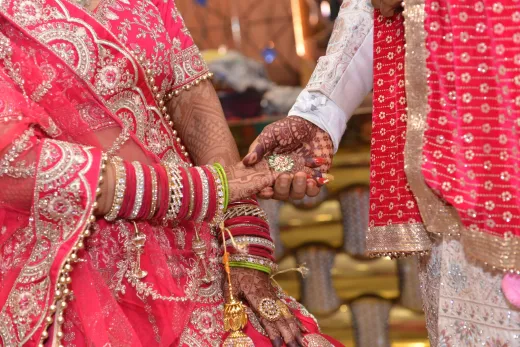
Weddings are where the brother and sister bond becomes both most tested and most visible. When a sibling marries, the relationship has to make room for a new person, and how gracefully everyone handles that shift sets the tone for decades. A brother giving a heartfelt toast, a sister standing among the wedding party, the small rituals in which siblings publicly bless the union: these moments are some of the most moving in any marriage ceremony, precisely because they mark the meeting of the family you were born into and the one you are choosing.
The practical work is emotional generosity on both sides. The marrying sibling has to keep the older bond alive rather than letting it quietly lapse, and the other sibling has to welcome the newcomer rather than guarding old ground. For families arranging matches, the sibling relationship also carries real weight, since brothers and sisters are often deeply involved in introductions and approval. That is one reason a modern platform such as matrimony360 is built for families and not only individuals: the people who know a person best, siblings very much among them, tend to have a hand in how a serious search unfolds. However a match is made, protecting the brother and sister bond through the transition into marriage is one of the kindest things a family can do.
Frequently asked questions
Why is the sibling relationship often the longest of your life?
Because it usually begins in early childhood and continues into old age. A brother and sister typically enter each other's lives before either can remember, and the bond outlasts the relationship with parents, who are older, and often predates a spouse, who arrives later. For most people no other relationship spans quite so many decades or holds quite so much shared history.
Is it normal for a brother and sister to fight a lot?
Yes. Frequent low-level squabbling is one of the ordinary ways children learn to negotiate and share with someone they cannot simply avoid, and it does not mean the underlying affection is missing. The signal to watch for is not the arguing itself but sustained contempt, exclusion, or cruelty that never lifts, which is a different matter and deserves real attention.
Does birth order really determine personality?
Only loosely. The research is mixed, and any effects appear small once family size and background are taken into account. It is fairer to say that position in the family shapes experience, an eldest child often carries responsibility early, a youngest often gets more relaxed parenting, than that it hard-wires character. Treat birth order as a lens for reflection, not a fixed label.
How can adult siblings stay close after they move apart?
By choosing the relationship rather than assuming it. Once the daily friction of a shared home is gone, many siblings rediscover each other as friends, but that only lasts if they keep in touch, show up for the big occasions, welcome each other's partners, and share the load when parents age. Small, regular contact matters more than grand gestures.
What is Raksha Bandhan?
Raksha Bandhan is a South Asian festival celebrating the bond between brothers and sisters. A sister ties a decorative thread called a rakhi around her brother's wrist as a symbol of love and protection, and the brother in return pledges to look after her and usually gives a gift. Bhai Dooj is a related festival that marks a similar promise of mutual care.
How does marriage change the brother and sister bond?
It asks the relationship to make room for a new person without letting the old tie lapse. Handled well, with the marrying sibling keeping the bond alive and the other welcoming the newcomer, marriage widens the family rather than dividing it. Weddings themselves often become some of the most powerful expressions of the sibling relationship, through toasts, roles in the ceremony, and public blessings.