
Family Relationships: The Complete Guide
What family means today, the core bonds within it, the traits of healthy families, the strains that test every family, and how to repair them.
Family relationships are the first ones most of us ever have and, for many people, the most complicated to keep. They are the bonds we do not choose, that shape us long before we can reflect on them, and that keep evolving as everyone in them grows and changes. This guide takes a broad, respectful look at what family relationships are, the different forms they take, what makes them thrive or strain, and how to tend and repair them. It treats family in the wide sense the modern world calls for, not a single template, and offers principles rather than one-size rules.
The short version
- Family is broader than one shape. Blood, marriage, adoption and chosen bonds all count as family.
- Healthy families share a few traits. Respect, communication, boundaries and repair matter more than never arguing.
- Strain is normal, not failure. Distance, money, in-laws and life stages test every family at some point.
- Repair is a skill. Most family rifts respond to boundaries, honest conversation and time, not to winning.
What we mean by family
A family is usually defined as a group of people related by blood, marriage, adoption or a shared sense of belonging, who typically care for one another across time. The academic study of these ties, called kinship, shows just how varied family has always been across cultures and history. There has never been a single universal model, and the idea that there is one "normal" family is more a cultural snapshot than a fact.
In everyday terms, several forms coexist. There is the nuclear family of parents and children living together, the extended family of grandparents, aunts, uncles and cousins woven into daily life across much of the world, blended families formed after remarriage, single-parent families, adoptive and foster families, and the "chosen family" of close friends who function as kin. Recognising this range matters, because comparing your own family to an idealised template is a common and needless source of pain.
The core family bonds
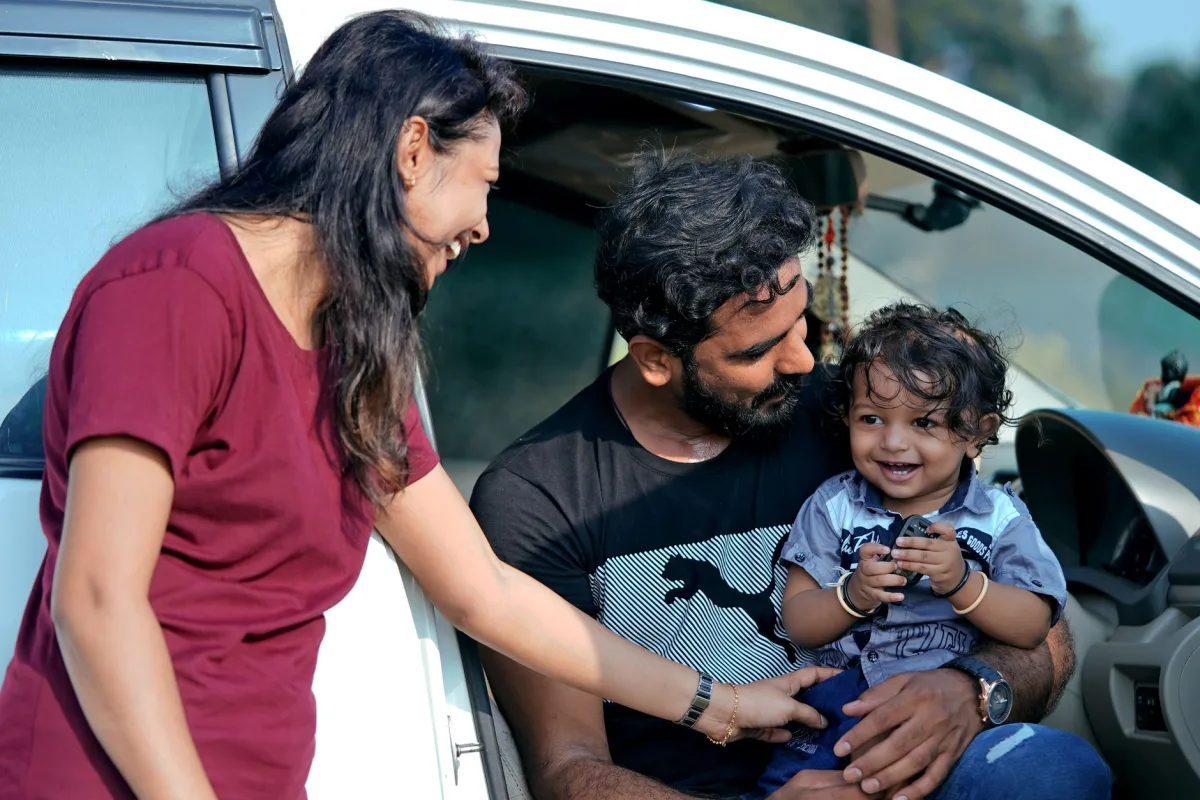

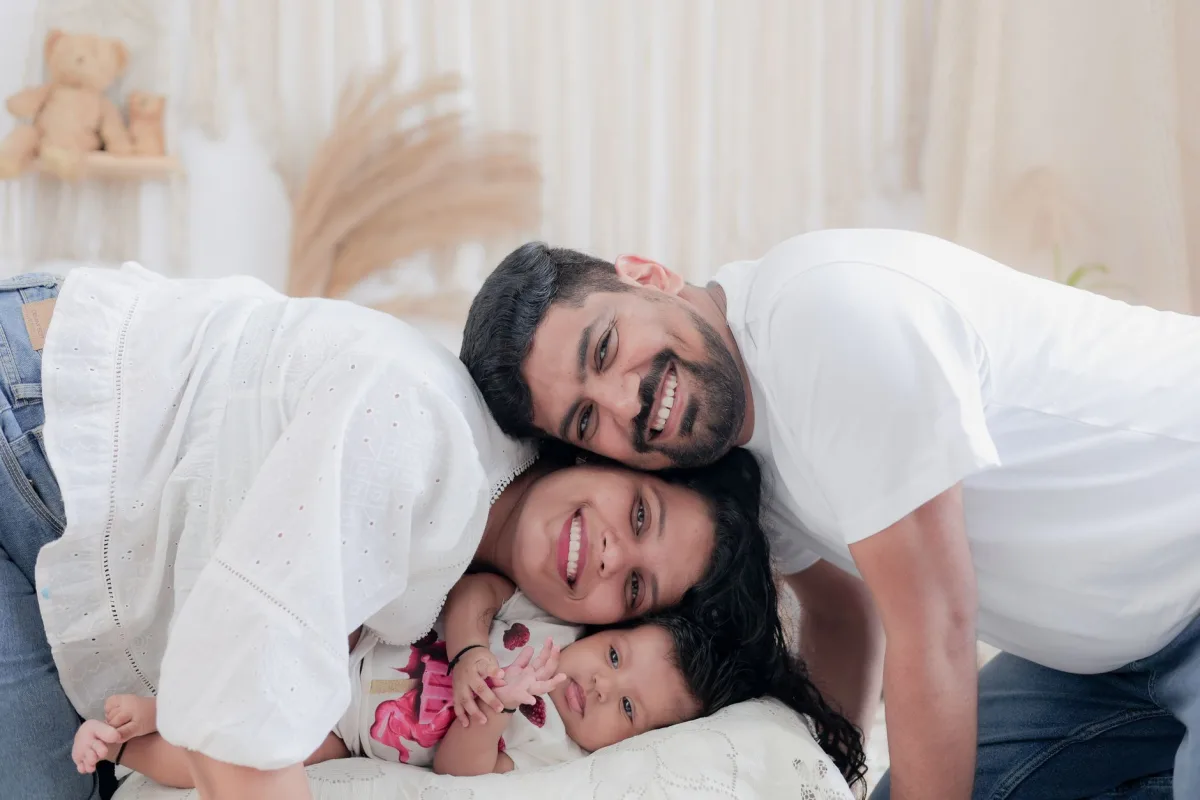
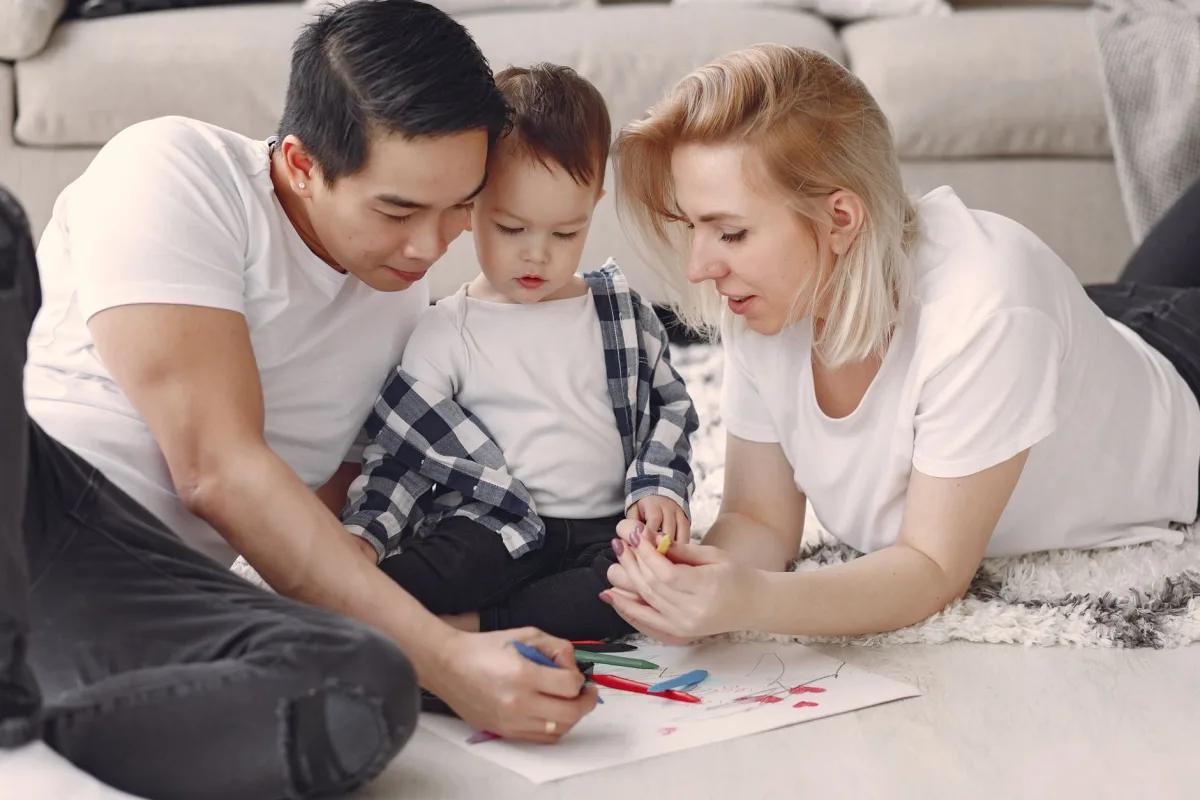
Within any family, a few distinct relationships do most of the emotional work. Each has its own texture and its own typical challenges.
Partners and spouses
The adult bond that often anchors a household. Its health tends to set the emotional weather for everyone else under the roof.
Parents and children
The bond that must constantly renegotiate itself, from total dependence in infancy to an adult-to-adult relationship later.
Siblings
Usually the longest relationship of a life, mixing rivalry and loyalty. It outlasts most others and repays attention.
Grandparents and elders
Carriers of history, culture and often practical care. In extended families they are central rather than peripheral.
In-laws and step-family
Relationships joined by marriage or remarriage, which have to be built rather than inherited, and take patience.
Each of these deserves its own attention. Our guide to the brother and sister relationship goes deeper on the sibling bond, and because the couple bond so strongly shapes the wider family, our overview of marriage is a natural companion read.
What makes family relationships healthy
Healthy families are not the ones that never disagree; that is a myth that makes ordinary conflict feel like failure. What healthy families tend to share is how they handle the friction that any group of close people generates. A few traits show up again and again across very different family styles.
- Respect across difference. Members can hold different views, faiths, politics or life choices without love being withdrawn as a punishment.
- Open, safe communication. People can raise hard things and be heard, rather than everyone tiptoeing around unspoken tensions.
- Boundaries that are honoured. Adults are allowed their own decisions, privacy and space, and "no" is respected rather than resented.
- Reliable support. When something goes wrong, members can count on each other for practical and emotional help without keeping score.
- Repair after rupture. Arguments happen, but there is a way back: apology, forgiveness and a return to warmth rather than lasting cold war.
Notice that "no conflict" is not on the list. Conflict handled with respect and followed by repair is a sign of a living relationship, not a broken one. The goal is not a family that never clashes, but one where clashing does not mean the connection is at risk.
Common strains, and why they are normal
Every family meets pressure. Naming the usual culprits helps you treat them as ordinary weather rather than proof that something is uniquely wrong with yours.
Life stages create predictable friction: teenagers pulling toward independence, adult children renegotiating the parent bond, aging parents needing care, and the arrival of new partners and grandchildren. Money is a perennial strain, from inheritance to unequal circumstances to lending within the family. Distance is another, as work and life scatter families across cities and countries, which our guide to long distance relationships touches on for partners and applies just as much to parents, siblings and grandparents. And in-law dynamics test almost everyone, because two families with different unspoken rules suddenly have to share occasions, holidays and expectations.
None of these mean a family is failing. They are the standard stress points of people staying connected across decades and change. What differs between families is not whether these strains appear, but how they are handled when they do.
Repairing and strengthening the bonds
Family relationships are unusually durable, which cuts both ways: they survive a great deal, and old hurts can also linger for years. The good news is that most strain responds to a handful of deliberate moves rather than to grand gestures.
Start with boundaries, since unclear or violated ones cause more family conflict than almost anything else. Being clear and kind about what you will and will not accept often reduces resentment for everyone. Prioritise honest, timely conversation over letting things fester, and aim to understand before you insist on being understood. Let go of the need to win, since being right rarely repairs a relationship and often deepens the rift. Where a bond has broken down badly, family therapy can help, and our guide to relationship counselling explains how that professional support works. And be patient: family repair usually happens over months and years, in small warmings rather than single dramatic reconciliations.
One caveat matters. In cases of abuse or genuine harm, distance or estrangement can be a healthy and necessary choice, not a failure of family loyalty. The goal is never to keep every relationship intact at any cost, but to build the healthiest version of family that is actually available to you.
The bottom line
Family relationships are among the most rewarding and most testing bonds we have, precisely because they last, evolve and cannot be swapped out like other ties. Give up the idea of a perfect, conflict free family; it does not exist and chasing it only breeds disappointment. Aim instead for respect, honest communication, boundaries that are honoured, and a reliable way back after rupture. Tend those, forgive where you can, protect yourself where you must, and most family relationships will not only survive the years but grow steadier through them.
Frequently asked questions
What counts as a family?
Family is broader than a single shape. It is commonly defined as people related by blood, marriage, adoption or a shared sense of belonging who care for one another over time, and it includes nuclear families, extended families, blended and step-families, single-parent families, adoptive and foster families, and the chosen family of close friends who function as kin. There has never been one universal model across cultures and history, so comparing your own family to an idealised template is usually more harmful than helpful.
Is it normal for families to have conflict?
Yes, entirely. The idea of a family that never disagrees is a myth, and treating ordinary conflict as failure only adds guilt. Any group of close people who stay connected across decades and life changes will generate friction. What distinguishes healthy families is not the absence of conflict but how they handle it: with respect, honest communication, and a reliable way back to warmth through apology and forgiveness after an argument, rather than lasting cold silence.
How do I set boundaries with family without causing a rift?
Aim to be clear and kind at the same time. State what you will and will not accept calmly, focus on your own limits rather than accusations, and hold the boundary consistently so it is taken seriously. Expect some initial pushback, since families often resist change at first, and give it time. Well set boundaries usually reduce resentment for everyone in the long run. If conversations keep breaking down, family therapy can provide a neutral space to work through the underlying dynamics.
Can broken family relationships be repaired?
Often, yes, though rarely quickly. Most family repair happens gradually through boundaries, honest and timely conversation, letting go of the need to win, and patience measured in months and years rather than a single dramatic reconciliation. Family therapy can help where bonds have broken down badly. The important exception is that in cases of abuse or genuine harm, distance or estrangement can be a healthy and necessary choice, and the aim is always the healthiest version of family actually available to you.
Why are in-law relationships so often difficult?
Because in-law relationships have to be built rather than inherited, and because they join two families that often have different unspoken rules about holidays, money, parenting and closeness. When those differing expectations collide over shared occasions, friction is common even when everyone means well. Patience, clear boundaries, and treating in-laws as relationships to develop over time rather than instant family usually ease the strain, as does the couple presenting a united and respectful front.