Couple Counselling: The Complete Guide
What couple counselling is, how sessions work, the main approaches, what it costs and how to find affordable help, and the honest signs it is worth trying.
Couple counselling is structured, professional help for a relationship: a trained, neutral third person who helps two partners understand what is happening between them and change patterns they cannot shift alone. It is not a last resort for marriages on the brink, and it is not a sign that a couple has failed. Many couples come simply because the same argument keeps returning, closeness has quietly thinned, or a hard event has knocked them off balance. This guide explains, in plain language, what couple counselling actually is, how sessions work, the main approaches, what it tends to cost and how to find affordable options, and the honest signs it might be worth trying. It is general information, not a substitute for professional or medical advice.
The short version
- Couple counselling is guided help for a relationship, led by a neutral, trained professional who works with both partners together.
- You do not need a crisis to go. Communication, drift or a life transition are common reasons, not just a dramatic problem.
- There are recognised approaches, including emotionally focused and skills-based methods, each with a slightly different emphasis.
- Cost varies widely, and low-cost options exist. Training clinics, community services and helplines can make it affordable.
What couple counselling is
Couple counselling, closely related to what is often called couples therapy, is a form of talking help in which two partners meet a trained counsellor together to work on their relationship. The counsellor's role is not to take sides or to hand down a verdict on who is right, but to help both people understand the dynamic between them, communicate more clearly, and build the skills to change unhelpful patterns. The relationship itself, rather than either individual, is treated as the client.
The words "counselling" and "therapy" are often used interchangeably, and in everyday use the distinction is blurry. Broadly, counselling tends to emphasise practical skills, communication and present-day problem-solving, while therapy can reach further into deeper or longer-standing patterns. In practice a good practitioner blends both, and the label on the door matters far less than the fit between the couple and the counsellor. Our companion guide to couples therapy covers the more clinical framing of the same work.
Couple counselling
Guided help for a relationship, with a neutral professional working with both partners together to improve communication and ease conflict.
The relationship as client
The focus is the bond between the two people rather than either individual. The counsellor works for the couple, not for one side.
Neutrality
A good counsellor does not take sides or decide who is right. Their job is to help both partners feel heard and understand each other.
Pattern change
The aim is to shift recurring cycles, the argument that always ends the same way, rather than to litigate any single disagreement.
What actually happens in sessions
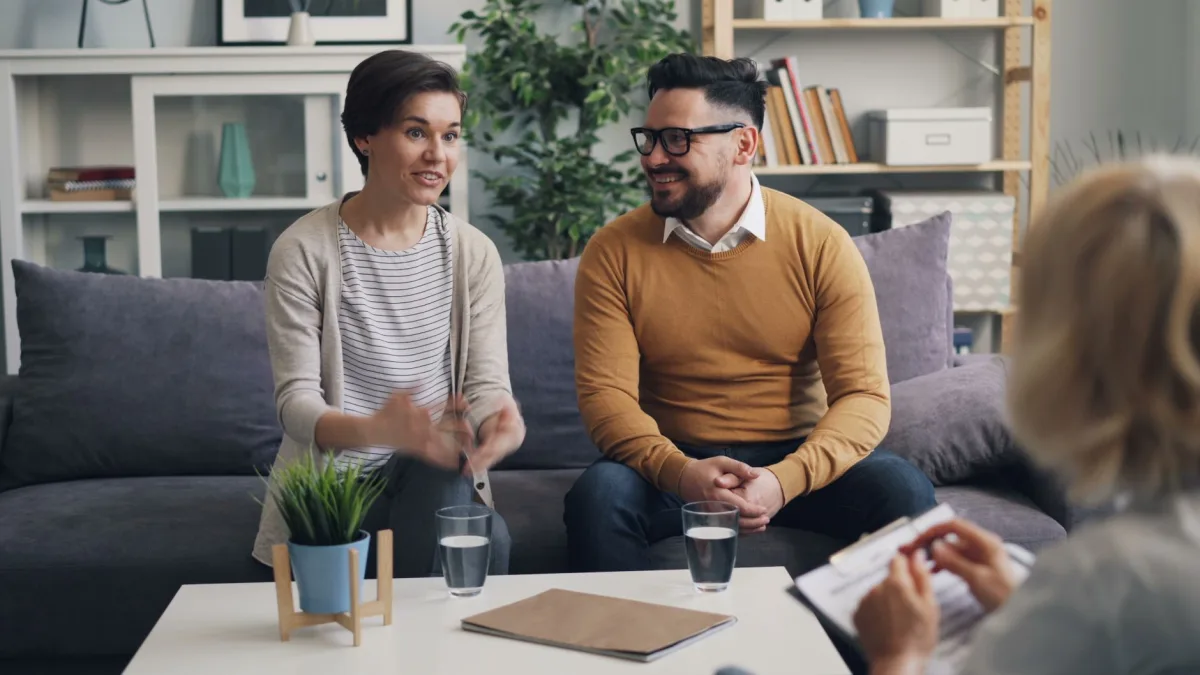
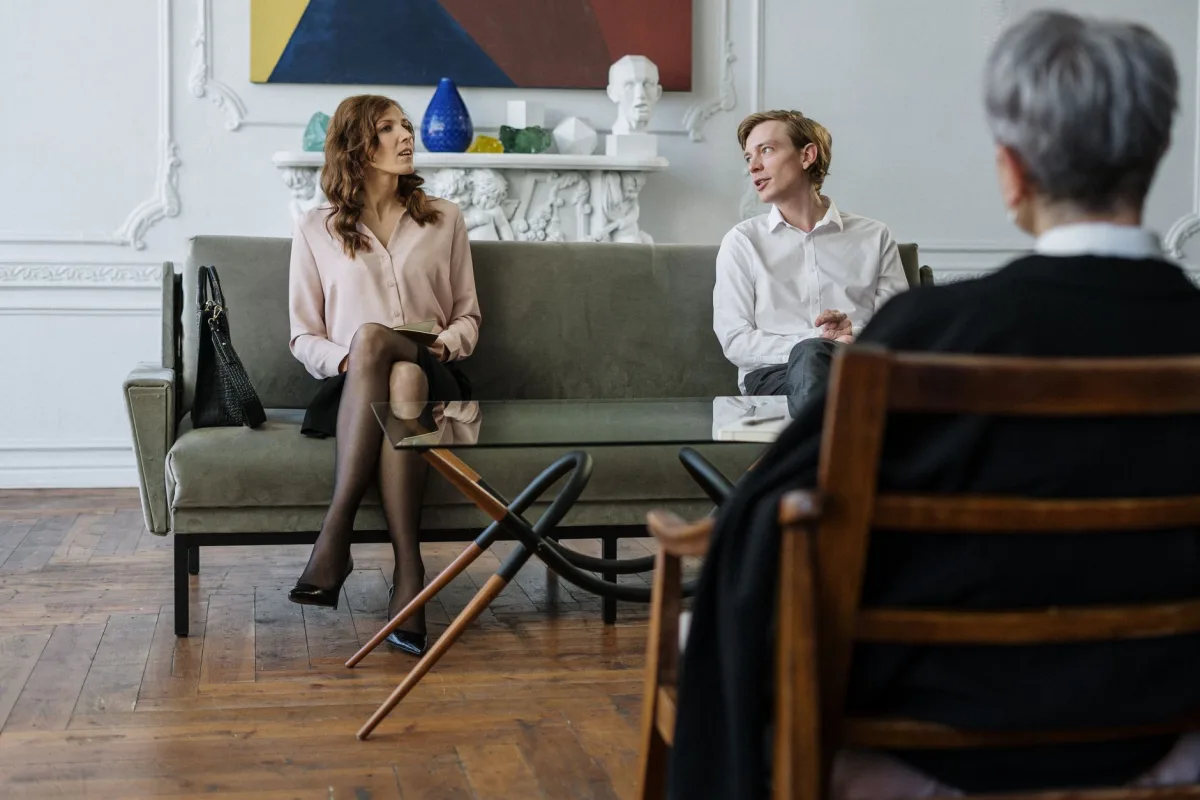

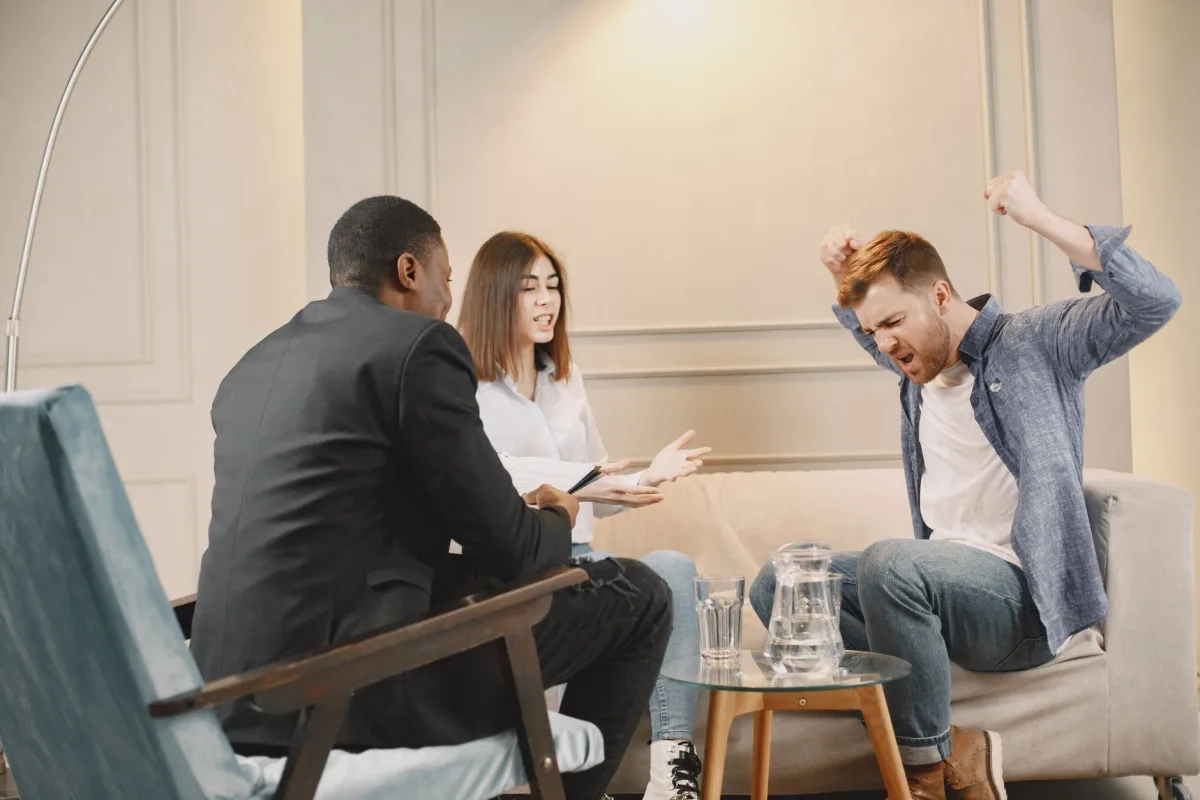
A first session usually begins with the counsellor getting to know the couple: what brought them in, how the relationship has been, and what each partner hopes to change. Sometimes the counsellor meets each person briefly on their own as well, to hear both perspectives fully. From there, sessions typically run weekly or fortnightly for around an hour, though the rhythm varies with the approach and the couple's needs.
Within a session, the counsellor guides the conversation so that both partners get to speak and to be heard, often slowing down heated exchanges to surface the feeling underneath the argument. You might be given small things to practise between sessions, from a communication technique to simply making time for each other. What sessions are not is a courtroom: a good counsellor will steer firmly away from scoring points and toward understanding. Progress is usually gradual, and the couples who benefit most tend to treat it as shared work rather than a fix delivered to them.
The main approaches, in plain language
Couple counselling is not one method but a family of them. You do not need to master the theory, but recognising the main names helps you choose and know what to expect.
- Emotionally focused approaches. Grounded in the idea that couples get stuck in negative cycles driven by unmet emotional needs, emotionally focused therapy helps partners understand the feelings beneath their conflicts and rebuild a secure bond.
- Skills and communication-based methods. These focus practically on how a couple talks, argues and repairs, teaching concrete tools for listening, expressing needs and de-escalating conflict.
- Systemic approaches. These look at the relationship within its wider web of family, history and circumstances, treating patterns as something the couple co-creates rather than one person's fault.
- Faith or values-based counselling. Some couples prefer a counsellor who works within their religious or cultural framework, weaving shared values into the process.
In reality most counsellors blend elements from several of these. The approach matters less than finding a professional both partners trust, so it is worth asking about their style before committing. Our overview of marriage counseling goes deeper on how these methods play out specifically for married couples.
What couple counselling costs
Cost varies widely by country, by the counsellor's training and experience, and by whether sessions are in person or online, so treat any figure as a rough guide rather than a quote. Private sessions with an experienced counsellor are typically the most expensive option and are usually charged per session. Newer or trainee counsellors, and online platforms, often sit lower. Some couples find that a handful of focused sessions is enough, while others benefit from a longer course, so the total depends as much on duration as on the per-session rate.
Importantly, affordable and even free options exist in many places. University training clinics offer supervised sessions with trainee counsellors at reduced rates, community and charitable organisations frequently provide low-cost relationship support, and some employers offer a set number of counselling sessions through employee assistance programmes. Helplines and non-profit relationship services can be a valuable starting point, especially if cost is a barrier. If money is tight, it is worth asking a prospective counsellor directly whether they offer a sliding scale, since many do.
When it is worth trying
The most common misconception about couple counselling is that it is only for relationships in crisis. In truth, some of the best outcomes come from couples who go early, while the relationship is basically sound but a specific pattern has started to grind. Reaching out sooner gives a counsellor more to work with and is far easier than trying to repair years of accumulated resentment.
Honest signs it may be worth trying include the same argument returning again and again with no resolution, a growing sense of distance or living as roommates rather than partners, difficulty recovering after a betrayal or a hard life event, or simply wanting to strengthen a good relationship before problems set in. Counselling is not only for repair; plenty of couples use it as maintenance. If you are unsure whether your situation warrants professional help, our guides to couples counseling and everyday relationship counseling can help you weigh it up.
Getting the most from it
Couple counselling works best when both partners approach it as shared work rather than as a place to prove one of them right. A few habits help. Go in with a genuine willingness to look at your own part, not only your partner's. Be honest with the counsellor even when it is uncomfortable, since they can only work with what you show them. Do the small tasks between sessions, because much of the change happens in daily life rather than in the room. And give it a fair run: one or two sessions rarely settle anything, and it is normal for things to feel a little raw before they feel better.
It also helps to remember that couple counselling is a tool, not a verdict. It can strengthen a bond, clarify a difficult decision, or occasionally help two people part with more understanding and less harm. Whatever the outcome, choosing to tend a relationship with professional help is an act of care. For couples building a life together and wanting to keep it strong, it sits naturally alongside the everyday effort that any healthy relationship asks for.
The bottom line
Couple counselling is simply structured, neutral help for a relationship, useful long before any crisis and valuable as maintenance as much as repair. It works by helping two people understand each other, communicate more clearly, and change the patterns that keep tripping them up. There are several respected approaches, costs range widely with genuine low-cost options available, and the couples who benefit most tend to go early and treat it as shared work. If the same difficulties keep returning, or you simply want to strengthen something good, reaching for help is not a sign of failure. It is one of the wiser things a couple can do.
Frequently asked questions
What is couple counselling?
Couple counselling is a form of talking help in which two partners meet a trained, neutral counsellor together to work on their relationship. The counsellor does not take sides or decide who is right; their job is to help both people understand the dynamic between them, communicate more clearly, and change unhelpful patterns. The relationship itself, rather than either individual, is treated as the focus of the work.
What is the difference between couple counselling and couples therapy?
In everyday use the terms overlap heavily and are often interchangeable. Broadly, counselling tends to emphasise practical skills, communication and present-day problems, while therapy can reach further into deeper or longer-standing patterns. In practice most good practitioners blend both. The label matters far less than the training of the professional and how well both partners connect with them, so choose on fit rather than on the word used.
Does couple counselling actually work?
For many couples it helps, particularly when both partners engage willingly and go early rather than after years of resentment. Recognised approaches such as emotionally focused and skills-based methods give couples tools to understand each other and change stuck patterns. It is not a guaranteed fix, and outcomes depend on both people's willingness to do the work, including the small tasks between sessions. It tends to help most when treated as shared effort, not a repair handed to the couple.
How much does couple counselling cost?
It varies widely by country, by the counsellor's experience and by whether sessions are in person or online, so any figure is only a rough guide. Private sessions with experienced counsellors are usually the most expensive, charged per session, while trainees and online platforms often cost less. Affordable and free options exist too, through university training clinics, community and charitable services, employee assistance programmes and helplines. If cost is a barrier, ask whether a sliding scale is available, since many counsellors offer one.
When should a couple go to counselling?
Earlier than most do. Good reasons include the same argument returning without resolution, a growing sense of distance, difficulty recovering after a betrayal or hard event, or simply wanting to strengthen a sound relationship before problems set in. Counselling is not only for relationships in crisis; many couples use it as maintenance. Reaching out sooner gives a counsellor more to work with and is far easier than repairing years of built-up resentment.