What Makes a Happy Wedding
Presence, guest comfort, a realistic budget and delegation matter more than spend. Plus four honest approaches to getting married, with real trade-offs.
Ask anyone who has been to a lot of weddings which ones they remember fondly, and the answer is almost never the most expensive. A happy wedding is not the one with the biggest flowers or the longest guest list. It is the one where the couple looked genuinely present, the guests felt looked after, and nobody spent the evening putting out fires. That feeling is not luck. It comes from a small set of choices, most of them made weeks before the day, that experienced planners see again and again. This guide sets out what those choices are, compares four honest ways to get married, and gives you the practical levers that keep a wedding day joyful rather than merely impressive.
The short version
- Happiness is mostly about presence, not budget: a couple who can relax enjoy their own day.
- Guest comfort is the multiplier. Fed, informed, comfortable guests carry the mood of the room.
- A realistic budget removes the biggest source of wedding stress before it starts.
- Delegation is the secret weapon. The couples who hand off the day are the ones who savour it.
- There is no single right format. Big, intimate, destination and elopement can each be joyful.
What actually makes a wedding happy
It helps to be clear about what a wedding is for before deciding what makes one good. Stripped to essentials, a wedding is a ceremony in which two people are united in marriage, a public and witnessed promise. The global survey of weddings shows the same core under an enormous range of customs: vows, witnesses, a celebration afterward. Everything that makes a day feel happy sits on top of that core, and none of it depends on scale.
When planners and researchers talk about what separates a joyful wedding from a stressful one, the same handful of factors keep surfacing. They are not about taste or theme. They are about how the day is set up to protect the emotional experience of the two people at the centre and the people who came to support them. Get these right and a modest wedding glows. Get them wrong and no amount of spending rescues the mood.
The happiness factors planners point to
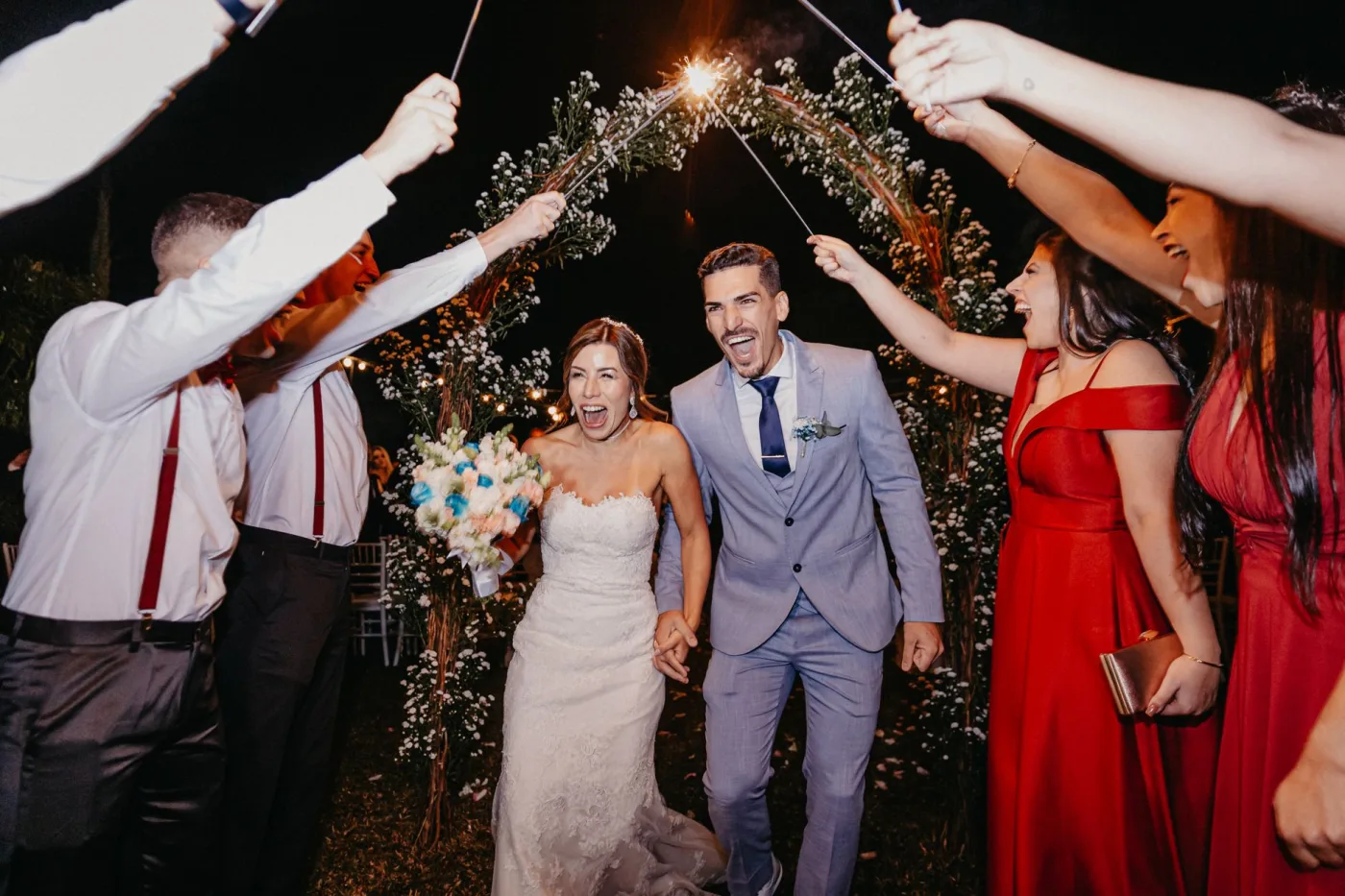
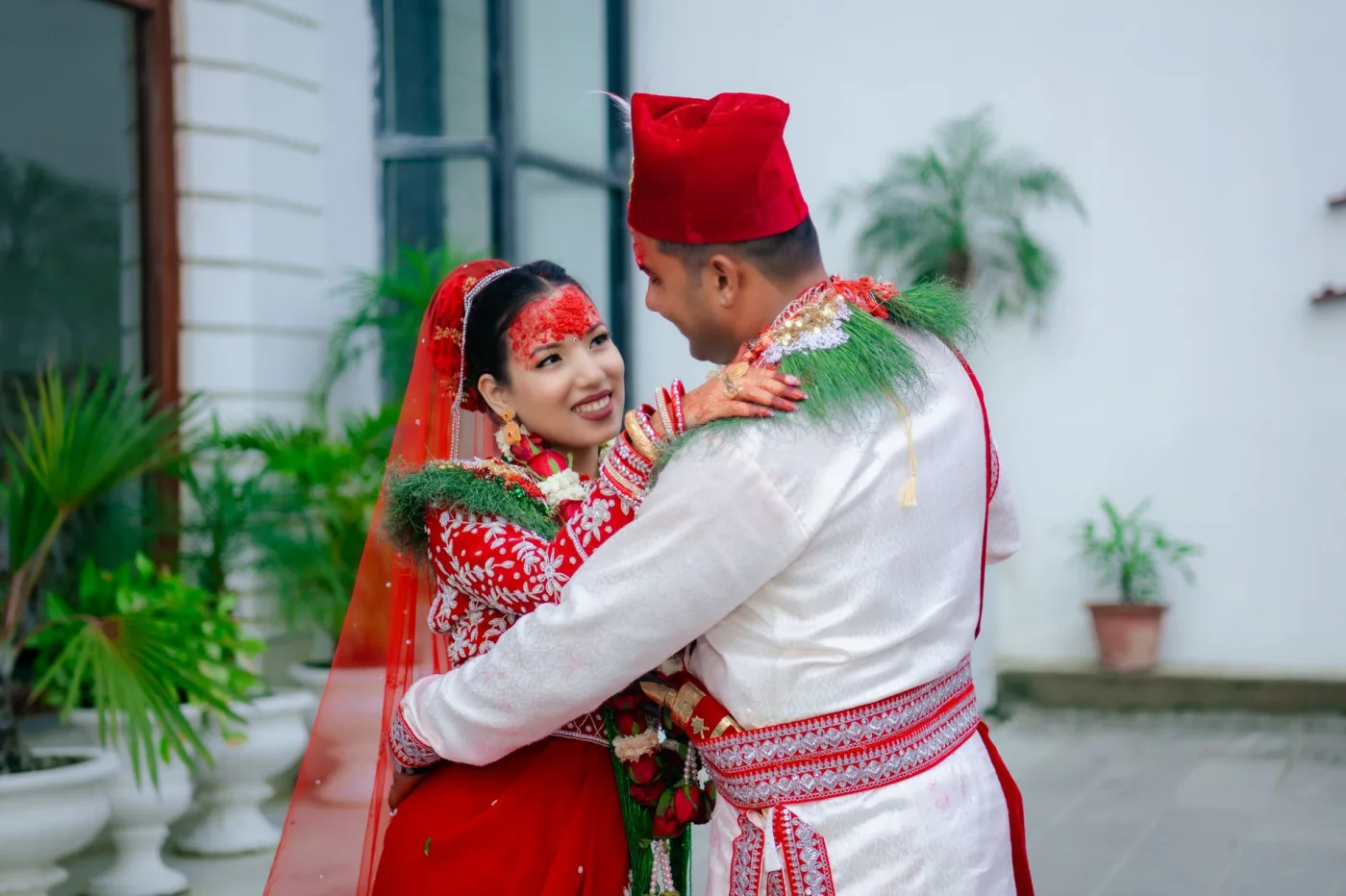
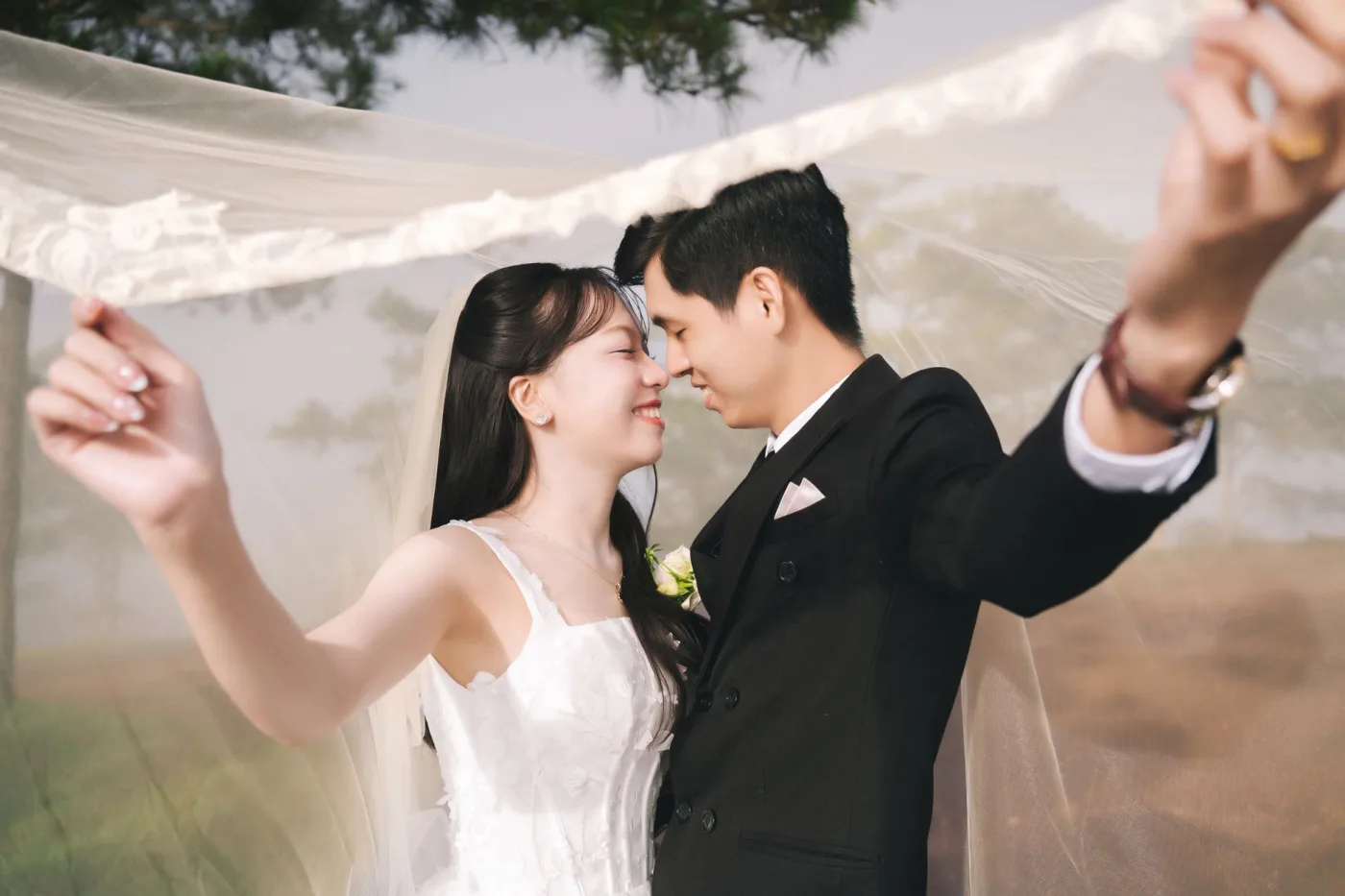
These are the levers that consistently move a wedding from tense to warm. None of them is expensive, and most of them are decisions rather than purchases.
Staying present
The couple experiencing the day rather than managing it. Presence is what guests actually feel.
Guest comfort
Fed on time, warm or cool enough, clear on what happens next. Comfortable guests relax the room.
A realistic budget
A number you can afford without dread. Financial strain is the quiet killer of wedding joy.
Delegation
Someone other than the couple running the timeline, so the day looks after itself.
A gentle timeline
Buffer built into the schedule, so one late vendor does not topple the whole evening.
Meaning over spectacle
Keeping the parts that mean something to you and quietly dropping the parts that do not.
Notice what is missing from that list: any mention of size, cost or a particular tradition. That is deliberate and honest. A wedding can be enormous and joyful or tiny and tense, and the reverse is just as true. The factors above are format-neutral, which is exactly why they matter more than the format itself.
The presence paradox: the single most common regret couples report is not seeing their own wedding. They spent it worrying about the timeline, the seating or a missing vendor. Every factor above ultimately serves one goal: freeing the couple to actually be there. If a decision does not protect your presence or your guests' comfort, it probably matters less than the checklist suggests.
Managing stress before it reaches the day
Wedding stress rarely appears on the wedding itself. It is loaded in during the months before, through decisions made out of order, budgets set by wishful thinking, and a guest list that quietly grows past what the couple can host. The good news is that stress is largely preventable with sequence. Settle the two hardest numbers first, the total you can afford and the number of people you will invite, and almost every later decision gets easier because it has boundaries.
A written plan does more for happiness than most people expect, because it moves the worry out of your head and onto a page you can trust. Our wedding planning checklist lays out the tasks in the order that keeps stress low, from twelve months out to the morning of. The single most calming habit is to finish decisions rather than reopen them. A wedding is a project with a fixed deadline, and the couples who enjoy the run-up are the ones who close each choice and move on rather than revisiting the flowers every fortnight.
Four honest approaches to a happy wedding
There is no ranking here, because there is no universally best way to marry. There are different shapes, each with real strengths and real costs, and the happiest choice is the one that fits the couple. Below are the four most common approaches, laid out with their honest trade-offs rather than a sales pitch for any one of them.
| Approach | Best for | Honest trade-offs |
|---|---|---|
| Big traditional | Couples who want everyone they love in one room and enjoy a large celebration | Highest cost and most logistics; hardest to stay present; most people to keep comfortable |
| Intimate / micro | Couples who value depth over scale and want real time with each guest | Someone always feels left off the list; less spectacle; can feel anticlimactic to relatives who expected more |
| Destination | Couples who want a shared trip and a smaller, committed guest group | Guests must travel and pay to attend; fewer can come; planning a venue you cannot easily visit |
| Elopement | Couples who want the marriage without the production, or who face family or logistical barriers | No guests to share the moment; possible hurt feelings; you may still want a celebration later |
A little detail on the two that are most misunderstood. A destination wedding is one hosted somewhere most guests must travel to and often stay for several days. Its smaller guest count usually lowers the couple's own costs, but it shifts real time and expense onto the people invited, so the honest version of the plan accounts for their comfort and their wallets, not only yours. An elopement, once a secret runaway marriage, now simply means a small, private ceremony, often just the couple. It can be the happiest choice of all for people who dread being the centre of a large event. The only misstep is treating any of these as a lesser wedding. Each is a full, valid way to begin a marriage, and the happiest couples pick the shape that suits them rather than the shape they think they are supposed to want.
More guests means more joy to share and more effort to stay present. Neither end of the line is happier by default.
Guest comfort is the quiet multiplier
Couples plan for themselves, which is natural, but the mood of a wedding is largely set by the guests, and guests take their cue from how well they are looked after. A room full of people who are fed on time, know where to go, and are neither freezing nor sweltering will generate warmth that lifts the whole event. A room of hungry, confused, uncomfortable guests will feel flat no matter how beautiful the setting. This is the cheapest happiness lever there is, and the most overlooked.
Comfort is mostly logistics. Keep the gaps between ceremony and meal short, or fill them with something to eat and drink. Tell people what is happening and when, through a clear running order or a friendly announcement, so nobody stands around wondering. Think about the practicalities that guests notice only when they are missing: seating for older relatives, shade or shelter, an easy route between spaces, water within reach. Historically the celebration afterward, the reception, exists precisely as hospitality for everyone who came to witness the promise, and treating it that way rather than as a performance keeps the day generous.
Staying present on the day
The couples who most enjoy their weddings share one habit above all others: they hand the day off. They appoint someone, a planner, a coordinator, or a capable friend who is not in the wedding party, to hold the timeline, field the vendor questions and solve the small problems that always arise. That single act of delegation is what converts a couple from anxious managers into participants in their own celebration.
Presence is a decision you make in advance, not a feeling you summon on the day. Decide who is in charge of what, write it down, and then genuinely let go. Put the phone away. Eat your own dinner. Take a few quiet minutes together away from the crowd, which almost every couple later names as their happiest moment. The day will move fast regardless, and the version you remember is the one you were actually inside of rather than the one you spent troubleshooting.
A soft word on help: planning can be genuinely enjoyable, but it can also swallow every evening for a year. If it starts to feel like a second job, that is a signal to delegate, not to push harder. Matrimony360 exists to make the beginning of a marriage lighter, and our guides on weddings and the planning checklist are there to take some of the mental load off your shoulders so more of your attention stays on each other.
Practical ways to keep the day joyful
Beyond the big factors, a set of small, concrete habits reliably keeps a wedding happy. None of them costs much, and together they make the difference between a day you endured and one you treasured.
- Build buffer into the timeline. Assume one thing runs late, because one thing always does. Slack in the schedule absorbs it invisibly.
- Eat and drink water. A surprising number of wedding day meltdowns are simply low blood sugar and dehydration in disguise.
- Decide the two or three things you truly care about, spend your attention there, and let the rest be good enough.
- Give jobs to people who want them. A friend honoured to help is a happier ally than a hired stranger, and it draws your circle in.
- Lower the bar for perfection. Guests remember warmth and laughter, not the one centrepiece that wilted. Nobody is auditing your day.
- Protect a private moment. Steal a few minutes alone together during the celebration. It is almost always the memory that lasts.
Read that list back and you will see it points in one direction. A happy wedding is one designed around people rather than appearances: the couple's peace of mind, the guests' comfort, and the relationships in the room. Spend on those and the day takes care of itself. The point of the whole event, after all, is not the event. It is the marriage it begins, and the happiest weddings never lose sight of that.
Frequently asked questions
What makes a wedding happy rather than just impressive?
Presence and comfort, more than budget or scale. The weddings people remember warmly are the ones where the couple looked genuinely relaxed and the guests felt well looked after. That comes from a realistic budget that removes financial dread, a timeline someone else runs so the couple can stay present, and thoughtful care for guests such as being fed on time and kept comfortable. An impressive wedding spends on spectacle; a happy one spends its attention on people.
Does a bigger, more expensive wedding make people happier?
Not by itself. Size and cost are neutral: a large wedding can be joyful and a small one can be tense, and the reverse is equally common. What predicts happiness is how well the day protects the couple's ability to be present and the guests' comfort, and those factors are independent of budget. A bigger event simply raises the effort required to get them right, because there are more people to keep comfortable and more logistics to manage.
Which wedding approach is best: big, intimate, destination or elopement?
There is no single best approach, only the one that fits the couple. A big traditional wedding suits people who want everyone they love in one room. An intimate wedding trades scale for real time with each guest. A destination wedding offers a shared trip but asks guests to travel and spend. An elopement gives the marriage without the production, which some couples find far happier than a large event. Each is a full, valid wedding; the honest choice is the shape that matches how you actually want to feel on the day.
How do we reduce wedding stress before the day?
Plan in the right order and delegate early. Most wedding stress is loaded in during the months before, through decisions made out of sequence and budgets set by wishful thinking. Settle the two hardest numbers first, what you can afford and how many people you will invite, and later choices get easier because they have boundaries. Then appoint someone other than the couple to run the timeline on the day. A written checklist that you trust does more for calm than any single purchase.
What is the most common regret couples have about their wedding?
Not being present for it. Many couples say they spent the day worrying about the schedule, the seating or a late vendor and barely experienced their own celebration. The fix is to hand off responsibility in advance to a planner or a capable friend, decide the few things you truly care about, and then genuinely let go on the day. Eating your own dinner and stealing a quiet moment together are small acts that repeatedly turn out to be the happiest memories.