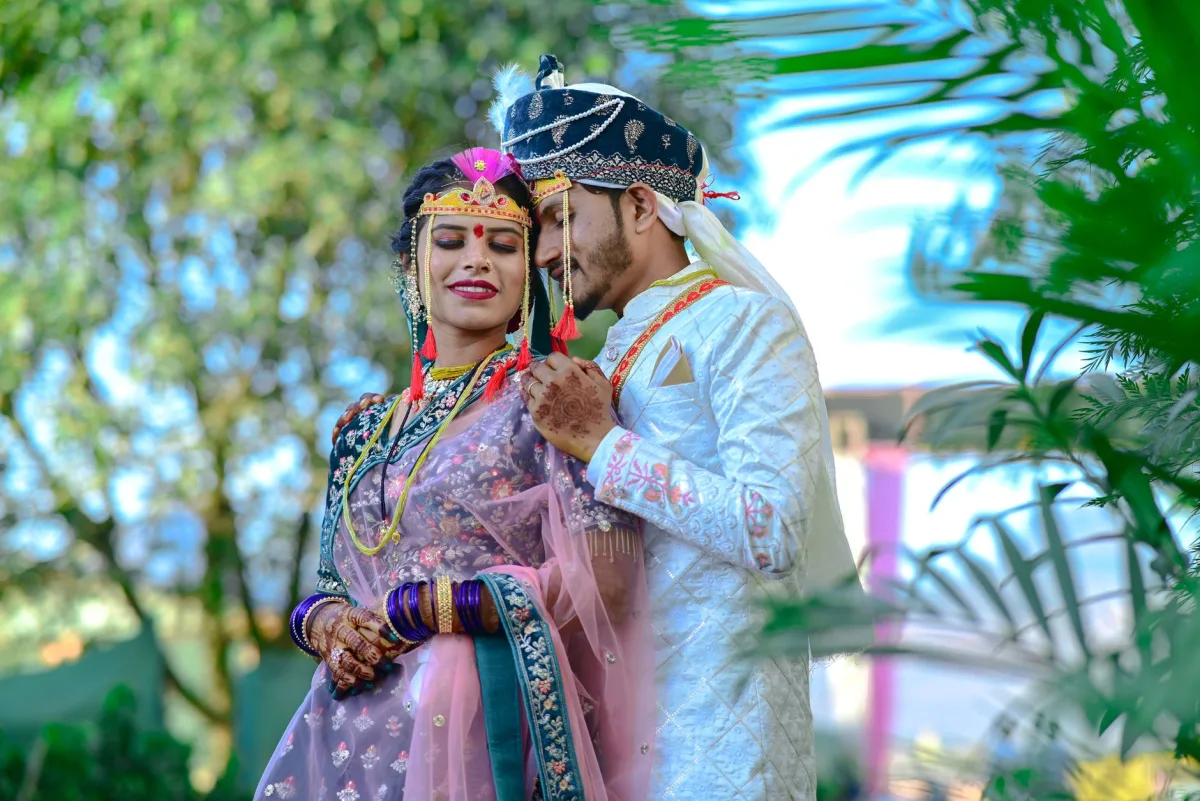
Inter Caste Marriage: The Complete Guide
What inter caste marriage means, what Indian law actually says, why families resist, and how couples navigate it with patience and dignity.
An inter caste marriage is a marriage between two people from different castes, and few personal decisions in South Asia carry as much weight, both emotionally and legally. For the couple it can be the most natural thing in the world, two people who fell in love. For the wider family it can raise questions of tradition, community, and belonging that go back generations. This guide takes the subject seriously and neutrally: what inter caste marriage means, what the law actually says in India, how families tend to respond, and the practical steps that help couples navigate it with dignity.
The short version
- It is a marriage across caste lines. Historically discouraged by the custom of marrying within one's own community.
- It is fully legal in India. The Special Marriage Act of 1954 lets any two consenting adults marry regardless of caste or religion.
- Family reaction is the real hurdle. The legal path is clear; the harder work is usually acceptance within the family.
- Attitudes are slowly shifting. Inter caste unions remain a minority but are more visible and accepted in cities and among younger people.
What inter caste marriage means
To understand inter caste marriage you first have to understand what it crosses. The caste system in India is a long-standing form of social stratification in which communities have traditionally been organised into hereditary groups. For centuries the strong social norm was endogamy, meaning marriage within one's own group. Inter caste marriage is simply the crossing of that line: a union between partners whose families belong to different castes.
It is worth being precise, because the term gets stretched. A marriage between two Hindus of different castes is an inter caste marriage. A marriage across religions, say between a Hindu and a Muslim, is usually described as an inter faith or inter religious marriage, though the two are often discussed together because they raise similar family questions. This guide focuses on caste, while noting that the legal route and the emotional dynamics overlap heavily. Either way, the union sits within the wider institution of marriage itself, with all the same legal and social scaffolding around it.
Caste
A hereditary social group into which communities have historically been organised, traditionally linked to occupation, status, and marriage rules.
Endogamy
The custom of marrying within one's own group. Caste endogamy is the norm that inter caste marriage crosses.
Special Marriage Act, 1954
The Indian law that provides a civil marriage available to any two consenting adults regardless of caste or religion.
Inter faith marriage
A marriage across religions. Distinct from inter caste marriage but often discussed alongside it because the family dynamics are similar.
The law: fully legal in India
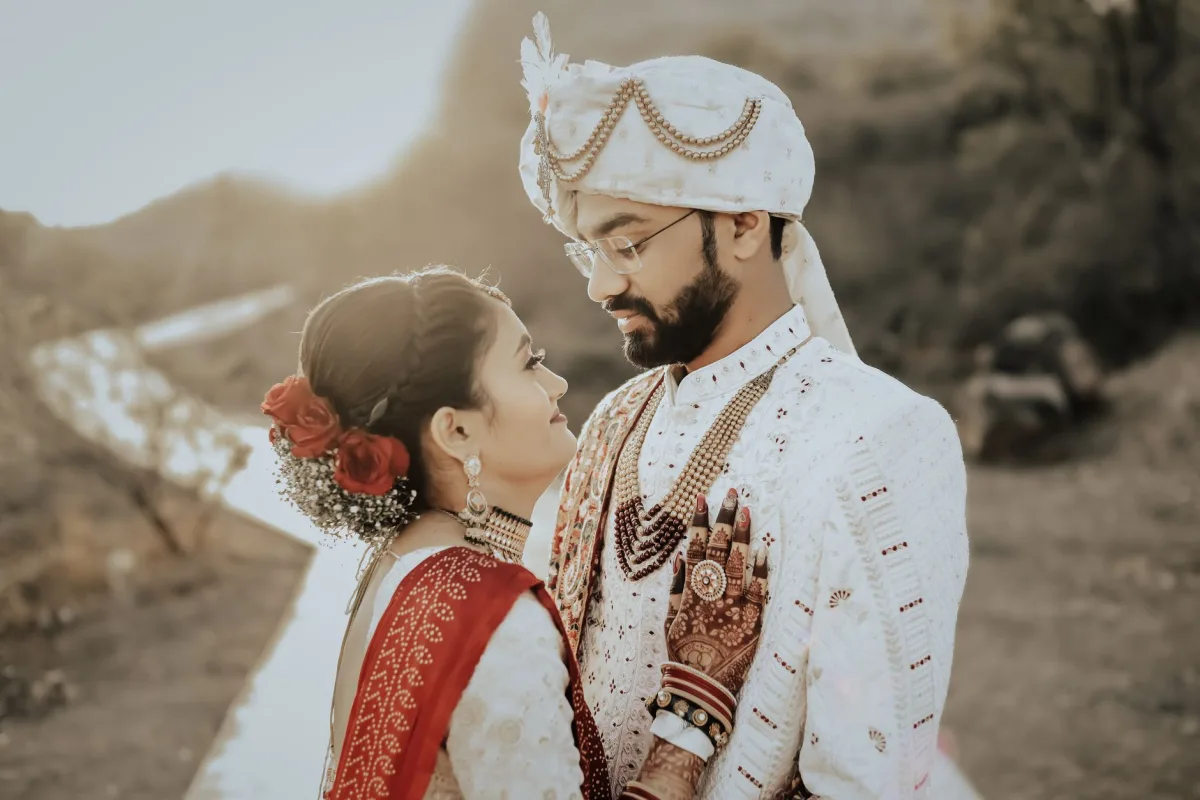
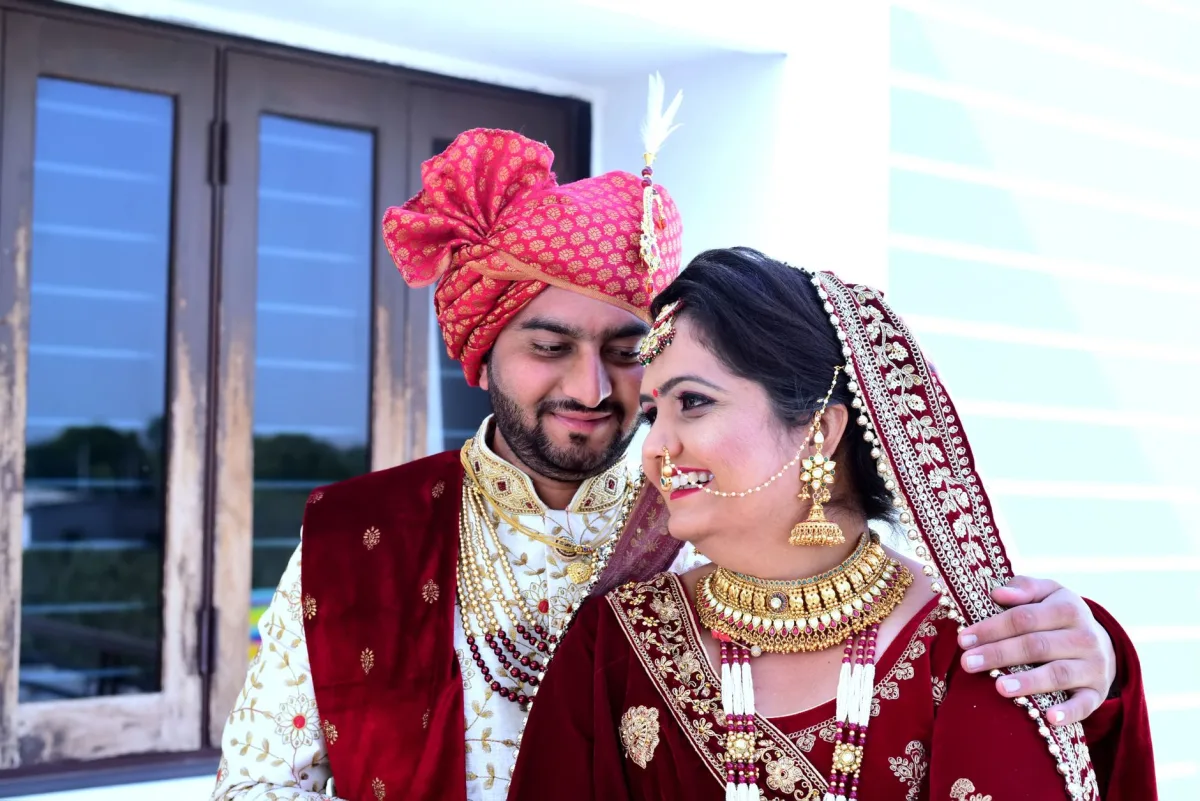
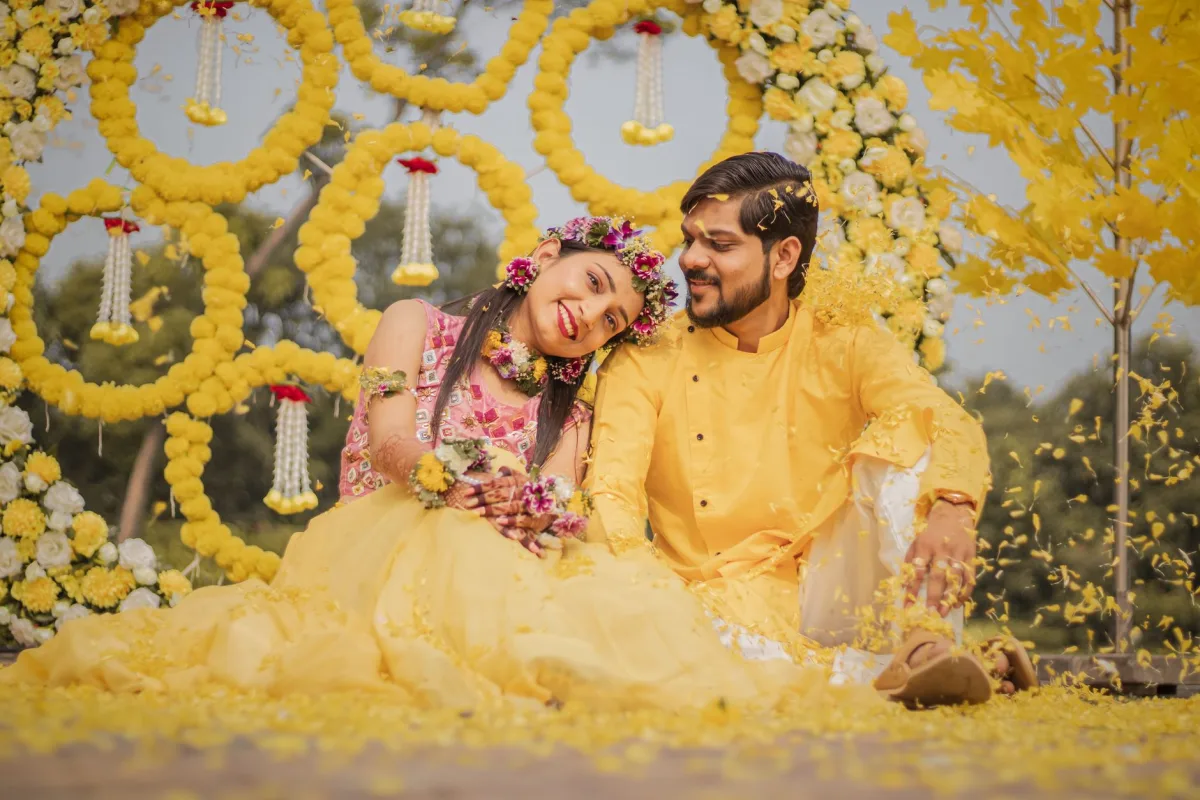
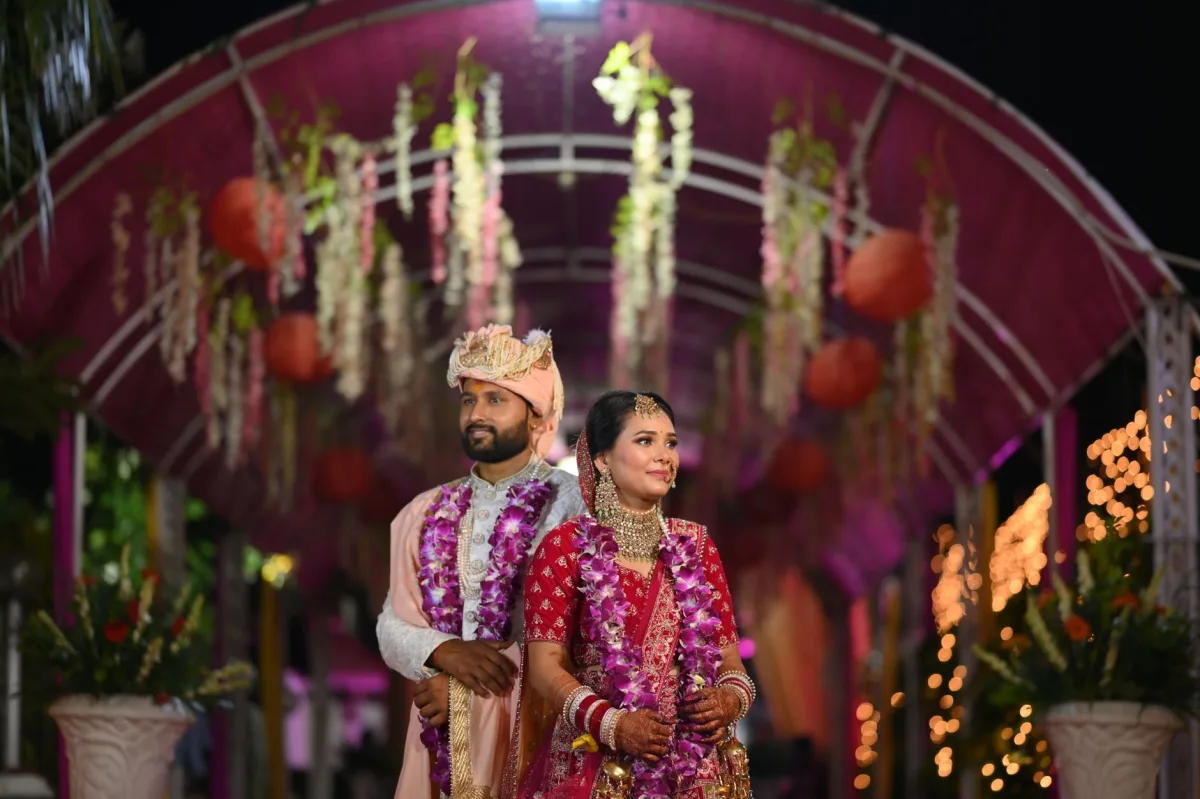
On the legal side the picture is clear and often reassuring to couples: inter caste marriage is completely legal in India. The key instrument is the Special Marriage Act of 1954, a civil law that allows any two consenting adults to marry regardless of caste, religion, or community, without either partner having to convert. It provides a secular route to a valid, registered marriage, and it exists precisely so that people whose union does not fit the usual religious ceremonies still have a lawful path.
In practice the process involves giving notice to a marriage officer, a waiting period during which objections can be raised, and then registration. Because it is a formal civil procedure, many couples treat it much like a court marriage and, where they also want a ceremony, may hold that separately. Various Indian state governments have at times offered incentive or support schemes to encourage inter caste marriage as a matter of social policy, though the specifics vary by state and change over time, so any couple should check the current rules where they live rather than rely on general claims. The headline, though, is stable: the law is on the couple's side.
Why families sometimes resist
If the law is settled, the difficulty of inter caste marriage lies almost entirely in the family and the community. For couples, understanding where the resistance comes from is the first step to handling it with patience rather than anger. Objections usually spring from a small set of deeply felt concerns.
- Tradition and continuity. Marrying within the community has been the norm for generations, and elders may feel that departing from it breaks a chain they were entrusted to keep.
- Social standing. In tightly knit communities, families sometimes fear judgement from relatives and neighbours, and that fear can be as powerful as any personal objection.
- Compatibility worries. Parents may genuinely worry about differences in customs, food, festivals, and daily habits, and whether the couple has thought them through.
- Fear of the unknown. Much resistance is simply anxiety about a family they do not yet know. Time and contact often soften it more than argument does.
None of this makes the resistance right, and in some cases opposition tips into coercion or worse, which is never acceptable and is itself unlawful. But separating a loving parent's fear from genuine hostility helps a couple respond wisely. Many families that react badly at first come around once the marriage proves stable and the new in-law becomes a known, valued person rather than an abstract threat.
How couples navigate it well
Couples who handle inter caste marriage successfully tend to share a similar approach: patient, honest, and unhurried. The instinct to elope in the face of opposition is understandable, but where it is safe to do so, giving families time and information usually produces a far better long-term result than a rupture.
Talking early and calmly helps, ideally before feelings harden into positions. Introducing the families to each other, so that the other side becomes real people rather than a rumour, dissolves a surprising amount of anxiety. Emphasising the shared values that matter more than caste, honesty, kindness, commitment, reframes the conversation around the marriage itself. And having a clear, calm plan for the practicalities, the legal route, where the couple will live, how festivals and customs will be honoured on both sides, reassures parents that this is a considered decision, not an impulse. Where a family remains implacably hostile despite genuine effort, some couples find that neutral help from a counsellor eases the path; our overview of marriage counseling explains what that support can offer.
Where matchmaking fits in
Modern matchmaking has quietly changed how many inter caste marriages begin. Traditional arrangements were built almost entirely around caste, but a growing number of people, and families, now search on the qualities that predict a happy life together rather than on community alone. This sits alongside, not against, the older practice of the arranged marriage, which itself is evolving as younger generations take a larger role in the choice.
Platforms such as matrimony360 reflect this shift by letting members set their own preferences. Someone for whom caste is essential can filter on it; someone who is open to an inter caste match can simply widen the search and focus on education, values, temperament, and goals. The point is not to push anyone in either direction but to put the choice in the couple's and family's hands rather than in the hands of a rigid default. For a fuller picture of how modern matchmaking balances tradition and personal choice, see our guide to matrimony. However a couple meets, the law makes their union possible, and patience with family usually makes it peaceful.
Frequently asked questions
Is inter caste marriage legal in India?
Yes, completely. The Special Marriage Act of 1954 allows any two consenting adults to marry regardless of caste, religion, or community, without either partner converting. It provides a secular, civil route to a valid and registered marriage. The legal path is clear; the challenges that remain are usually social and within the family rather than legal.
What is the difference between inter caste and inter faith marriage?
An inter caste marriage is between two people of different castes, often within the same religion, for example two Hindus from different caste groups. An inter faith or inter religious marriage is between people of different religions. The two are often discussed together because they raise similar family questions and can use the same civil law, but they are not the same thing.
Do families usually accept inter caste marriage?
It varies widely. Acceptance is more common in cities and among younger people, while some families and communities still strongly prefer marrying within caste. Resistance often comes from tradition, worry about social standing, or simple fear of the unfamiliar. Many families that object at first come around over time as the marriage proves stable and the new in-law becomes known and valued.
How can a couple win family support for an inter caste marriage?
Usually through patience rather than confrontation. Talking early and calmly, introducing the two families so each becomes real to the other, emphasising shared values over caste, and presenting a clear plan for the legal steps and daily practicalities all help. Where opposition is stubborn but not hostile, neutral help from a counsellor can ease the conversation.
Are there government schemes for inter caste marriage in India?
Various Indian state governments have at times offered incentive or support schemes to encourage inter caste marriage as social policy, but the details differ by state and change over time. Because the specifics are not uniform and are frequently updated, any couple should check the current rules and eligibility with the relevant authority where they live rather than rely on general claims.