Marry: The Complete Guide
The practical how-to of getting married: what it means to marry, the general legal steps, the ways to do it, who can officiate, and how to marry without spending a fortune.
To marry is a strangely simple thing wrapped in a great deal of paperwork. At its core it is two people agreeing to be spouses and then making that agreement official in a way their community and their government will recognise. Everything else, the venue, the guests, the dress, the party, is optional. This guide is about the act itself: what it actually means to marry, the general legal steps involved almost everywhere, the different ways you can do it, who is allowed to make it official, and how to do the whole thing on a modest budget. It is the practical how-to that sits beneath the institution and the celebration.
The short version
- Marrying is one legal act, not a party. The party is optional.
- The core steps repeat almost everywhere: license, ceremony, witnesses, signing, registration.
- There are many ways to do it, from a courthouse in ten minutes to a religious rite to an elopement.
- Someone authorised must officiate, and who qualifies varies by place.
- You can marry for very little, because the legal act itself is cheap.
What it means to marry
To marry is to enter a union that others agree to treat as a marriage. That agreement has two layers that usually happen together but do not have to. The first is personal and social: two people declare, in front of witnesses, that they take each other as spouses. The second is legal: an authority recognises that declaration and records it, which is what later lets banks, hospitals, tax offices and courts treat the two of you as a married couple. When people say they got married, they usually mean both layers happened on the same afternoon. But the word can carry either one on its own.
That distinction matters because it explains why marrying can look so different from one couple to the next. A pair standing before a registrar with two witnesses and no guests have married just as completely, in the eyes of the law, as a couple at the centre of a three hundred person wedding. The union is a culturally and legally recognised bond between spouses, and recognition, not spectacle, is what makes it real. If you are curious about the institution itself, its history, its many forms and what makes it last, our complete guide to marriage steps back to look at the bigger picture. This guide stays close to the ground: how you actually do it.
Married versus married with a wedding
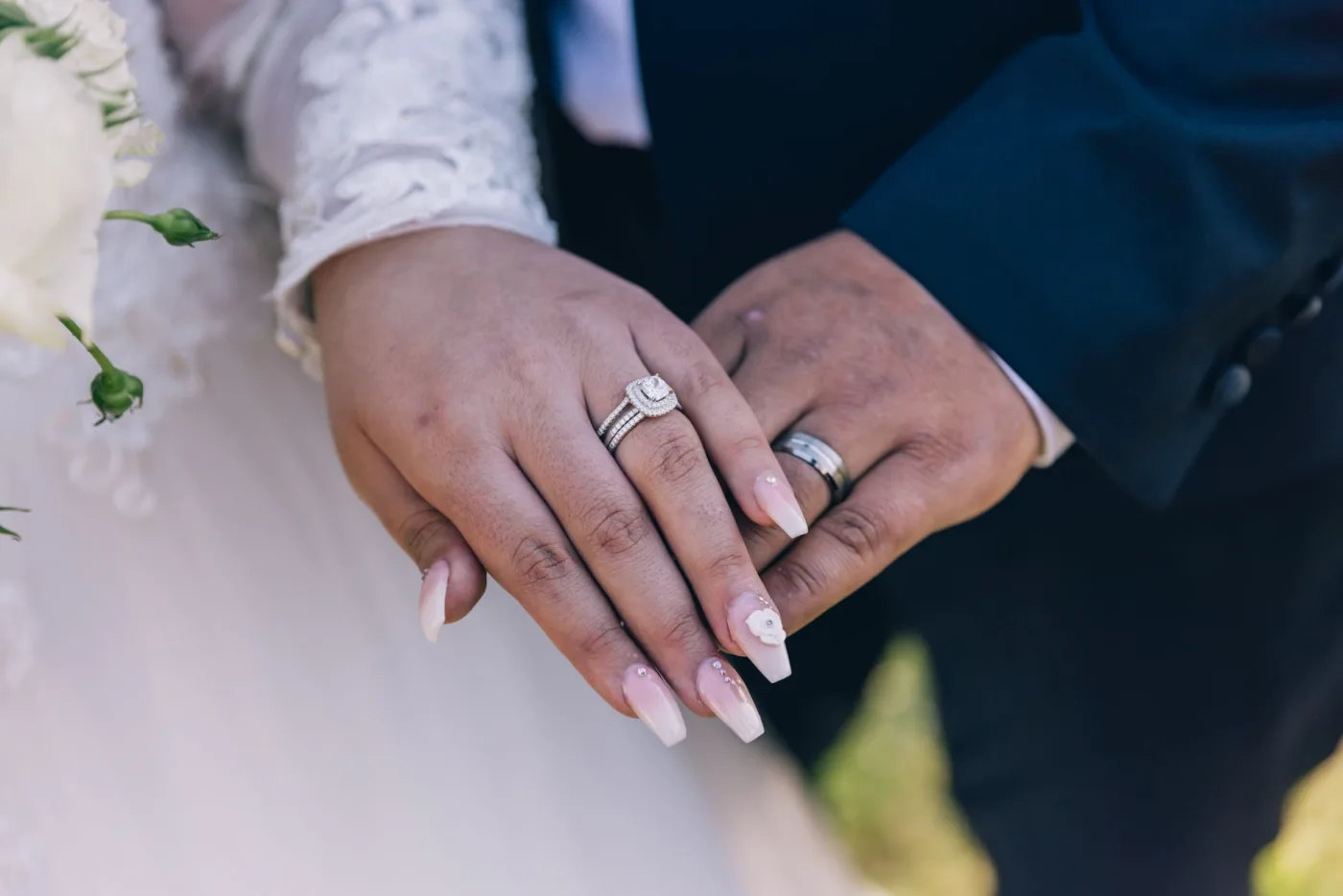
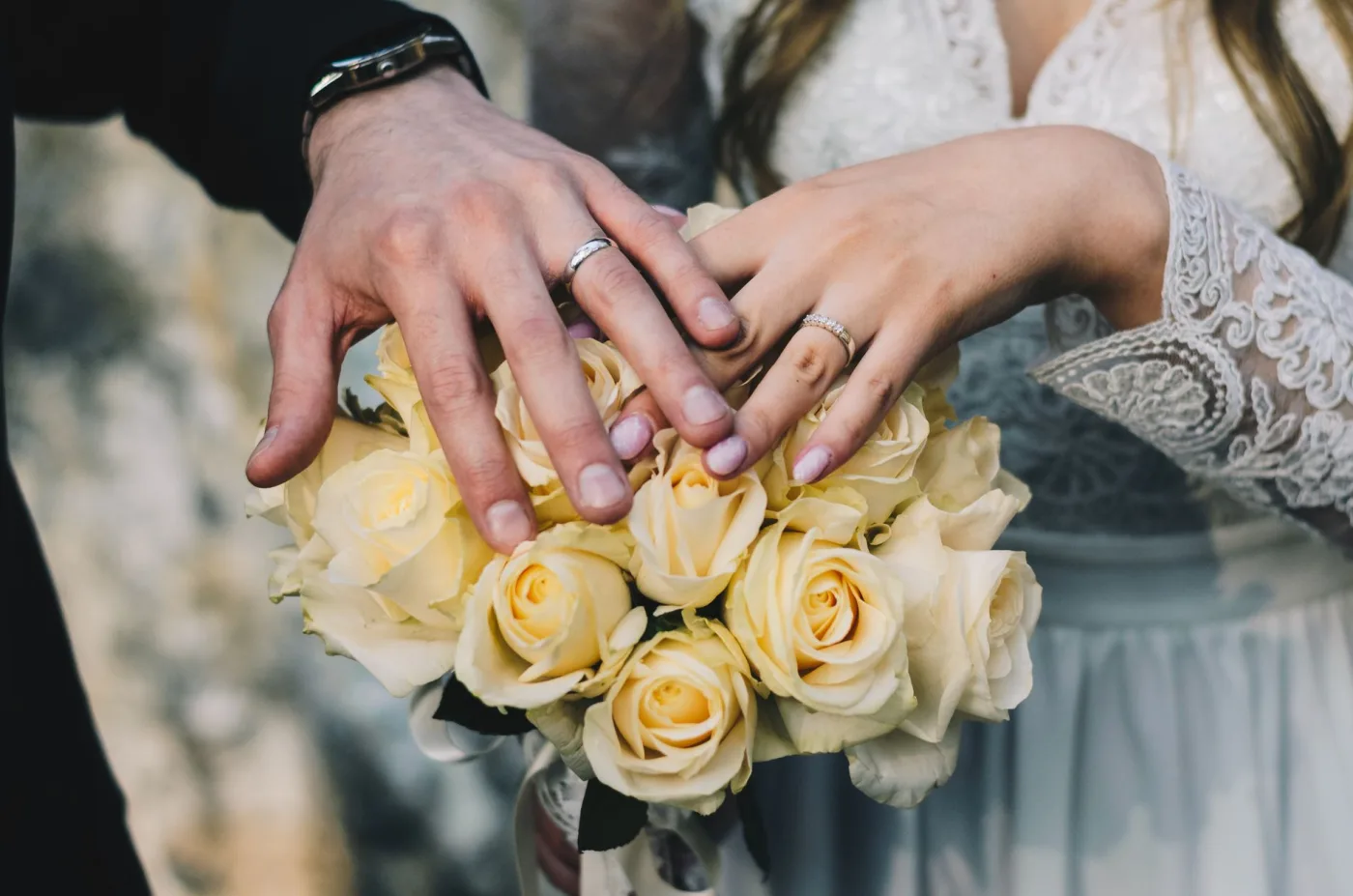


The single most useful idea in this whole subject is that getting legally married and having a wedding are two separate things that most people bundle together. The legal act is the license, the words, the signatures and the registration. The wedding is the celebration built around that act: the venue, the guests, the food, the photographs, the traditions. You can have one without the other in either direction.
Some couples do the legal part quietly at a registry office weeks before their big day, then hold a ceremony purely for meaning and celebration when the guests arrive. Others throw a large party with all the trappings and sign the legal paperwork in the same hour. And some skip the party entirely, marry with two witnesses, and spend the saved money on a honeymoon or a deposit on a home. None of these is more genuinely married than the others. Understanding that the paperwork and the party are detachable is what gives you real freedom in how you plan. If your interest is in the celebration side, our complete guide to weddings covers the event itself in full. Here, we stay with the marrying.
The steps to getting married
Although the details differ by country and, within some countries, by state or region, the shape of the process is remarkably consistent around the world. What follows is a general description of the common sequence, not legal advice for any particular place. Treat it as a map of the terrain, then check the exact rules where you intend to marry.
1. Apply for a license
Most places require a marriage license, a document authorising you to marry, issued before the ceremony.
2. Clear any waiting period
Many jurisdictions impose a short wait, often one to six days, between issuing the license and the ceremony.
3. Hold the ceremony
An authorised officiant conducts the ceremony and you exchange your consent to marry.
4. Sign with witnesses
Both spouses and the officiant sign the license, and some places require one or two additional witnesses.
5. Register the marriage
The signed document is filed with the authorities, who record the union and can issue a marriage certificate.
The license is the piece most people underestimate. A marriage license is a document, issued by a government or in some cases a religious authority, that authorises a couple to marry. Requirements vary widely: some jurisdictions ask for identity documents and a fee, some impose a waiting period of a few days, and a handful require none at all. In the United States, for instance, licensing falls under the law of the state where the ceremony takes place, and after the ceremony both spouses and the officiant sign the document, with some states adding one or two witnesses. Filing deadlines then apply, after which the record becomes the couple's proof of marriage. The exact numbers change from place to place, but the pattern, apply, wait, marry, sign, register, is close to universal.
The general path to marrying. The specifics differ by jurisdiction, but the sequence rarely does.
Who can officiate a marriage
A marriage generally needs someone with legal authority to conduct it, and who qualifies depends entirely on where you are. The categories, however, are recognisable everywhere. Government officials are the most common: registrars, judges, justices of the peace and other civil officers are widely empowered to marry couples. Religious figures form the second category: priests, imams, rabbis, ministers and other clergy can solemnise marriages, and in many countries a religious ceremony is simultaneously recognised as the legal one when the officiant is registered with the state.
Beyond those two, some places allow more. Certain jurisdictions let a friend or family member become a temporary or permanent officiant, sometimes through a simple registration and sometimes through an online ordination that the local authority accepts. A civil marriage, performed and recorded by a government official, is the baseline available in most countries, and in several nations, France being the classic example, only the civil ceremony carries legal weight, with any religious rite performed afterward as a matter of faith rather than law. The practical lesson is simple: before you choose your officiant, confirm that the person you have in mind is actually authorised to marry you where the ceremony will happen. A beautiful ceremony conducted by someone without legal standing may create a lovely memory but not a legal marriage.
Ways to marry, compared
There is no single correct way to marry. The differences come down to atmosphere, cost, guest count and how much of the legal and celebratory sides you combine. The table gathers the common routes so you can see them side by side. None is presented as better than another; they suit different priorities and budgets.
| Way to marry | What it looks like | Typical guests | Best for |
|---|---|---|---|
| Civil ceremony | A registrar or civil officer marries you at a register office or approved venue | 0 to a few | A simple, official, low-cost marriage |
| Courthouse | A quick legal ceremony before a judge, clerk or justice of the peace | 0 to 2 witnesses | Marrying fast with minimal fuss |
| Religious ceremony | Solemnised under a faith's rites by registered clergy, often with civil recognition | Family and community | Couples for whom faith is central |
| Destination wedding | You marry away from home, often abroad, combining ceremony and holiday | Small, close group | An intimate celebration and a trip in one |
| Elopement | A private marriage with little or no audience, sometimes just the couple and witnesses | 0 to 2 | Skipping the big event entirely |
These routes overlap freely. A civil ceremony and a courthouse marriage are often the same thing described in different words. A destination wedding can be religious or civil. And an elopement is less a separate legal procedure than a choice to marry privately, which our guide to eloping and how to plan it covers in detail. What unites them all is that the legal act underneath is identical: consent, an authorised officiant, a signed document and a registration. The style is what varies.
General information, not legal advice: the requirements to marry, who can officiate, whether a license or waiting period applies, and how a marriage is registered all vary significantly by country and, in some places, by state or region. Everything here describes common patterns, not the rules of any specific jurisdiction. Before you set a date or book an officiant, confirm the current requirements with the relevant local authority where you intend to marry.
How to marry on a budget
Here is the reassuring truth that the wedding industry rarely leads with: the legal act of marrying is cheap almost everywhere. The cost that makes weddings expensive lives in the celebration, the venue, the catering, the guest list, not in the marriage itself. A license fee and a small charge for a civil ceremony are usually the entire mandatory cost of becoming legally married. Everything above that is a choice.
If keeping costs low is the priority, a few principles do most of the work. Marry at a register office or courthouse, where the ceremony is designed to be simple and inexpensive. Keep the guest list tiny, because catering and venue costs scale almost entirely with head count. Choose an off-peak date, since demand drives price for anything you do book. And separate the legal act from any celebration you want later, so the party becomes a flexible extra you can size to whatever you can afford, whenever you can afford it. Many couples marry legally for very little, then hold a larger gathering months later once they have saved, or never hold one at all.
Choose the venue wisely
A register office or courthouse ceremony costs a fraction of a private venue.
Shrink the guest list
Almost every cost scales with head count, so fewer guests means a far smaller bill.
Pick an off-peak date
Weekdays and quiet seasons are cheaper for anything you do decide to book.
Split law from party
Marry cheaply now, celebrate later or not at all. The two do not have to share a budget.
The point is not that a small wedding is better than a large one. It is that being married is already yours the moment the legal act is done, and no amount of spending makes a marriage more valid. That frees you to spend on celebration exactly as much, or as little, as fits your life.
Putting it together
Marrying comes down to a short, ancient sequence dressed in modern paperwork. Decide together, obtain whatever license your jurisdiction requires, hold a ceremony led by someone authorised to conduct it, exchange your consent in front of any required witnesses, sign the document, and let the authorities register it. Do that, and you are married, whether you did it in a courthouse in ten minutes or at the centre of a day-long celebration. Choose the way that fits your beliefs, your budget and the two of you, and remember that the wedding, however large or small, is the optional layer wrapped around a very simple official act.
From here, two natural paths open up. If you want to understand the union you are entering, its history, forms and what helps it endure, read our guide to marriage as an institution. If you want to plan the celebration, our guide to weddings takes it from there.
Frequently asked questions
What is the difference between getting married and having a wedding?
Getting married is the legal act: obtaining a license where required, exchanging consent before an authorised officiant, signing the document and having the marriage registered. A wedding is the celebration built around that act, the venue, guests, food and traditions. They usually happen together, but they do not have to. You can marry legally with two witnesses and no party, or hold a large celebration and sign the paperwork separately. The marriage is what the law recognises; the wedding is optional.
What are the basic steps to get married?
In most places the sequence is the same even though the details vary. You apply for a marriage license, clear any waiting period your jurisdiction imposes, hold a ceremony led by an authorised officiant, sign the license along with any required witnesses, and then have the marriage registered with the authorities. Because the specifics change from one country or state to another, always confirm the current requirements with your local authority before setting a date.
Who is allowed to officiate a marriage?
It depends on where you marry, but the categories are consistent. Government officials such as registrars, judges and justices of the peace can conduct marriages, as can registered religious figures like priests, imams, rabbis and ministers. Some jurisdictions also let a friend or family member officiate through a registration or ordination that the local authority accepts. The safest step is to confirm that your chosen officiant is legally authorised to marry you in the exact place the ceremony will happen.
Do I need witnesses to get married?
Very often, yes. Many jurisdictions require one or two witnesses to sign the marriage license alongside the couple and the officiant, though the exact number varies and a few places require none. Because this is one of the details that changes from place to place, check the local rule before your ceremony so you are not caught short on the day. If witnesses are required, they are usually easy to arrange, even a courthouse marriage can often supply them.
What is the cheapest way to get married?
The cheapest route is a civil or courthouse ceremony with few or no guests. The legal act of marrying is inexpensive almost everywhere, usually just a license fee and a small ceremony charge. The expense in most weddings comes from the celebration, not the marriage. Keep the guest list small, pick an off-peak date, and separate the legal act from any party you want later, and you can be fully, legally married for very little.
Can I get legally married without a big wedding?
Absolutely. A marriage with two witnesses at a register office is every bit as legally valid as one at the centre of a large celebration. Some couples marry quietly and hold a party later, some elope with no audience at all, and some never hold a celebration. Being legally married depends on the license, consent, officiant, signatures and registration, not on the size of the event around them.