Mens Gold Wedding Bands: The Complete Guide
The three gold colours, karat and purity decoded, rhodium plating upkeep, hallmarks, gold versus contemporary metals, price drivers and care, all in one guide.
Gold is the metal most grooms picture first, and for good reason: it is the one wedding-band material that will not tarnish, can be resized for life, and carries five thousand years of meaning on a man's hand. But "gold" is not a single thing you buy. It comes in three colours that are really three recipes, and in a spread of purities that trade richness of colour against everyday toughness. Get those two choices right, colour and karat, and everything else about a gold band falls into place. This guide explains exactly what separates yellow, white and rose gold, what the karat numbers actually mean, why white gold needs occasional re-plating, how to verify that a ring is really gold, and what drives the price you pay.
The short version
- Colour is a recipe, not a coating. Yellow, white and rose gold differ by which metals are mixed in.
- Karat is purity, not size. Higher karat means more pure gold, richer colour and a softer ring.
- 14k is the everyday sweet spot for most men: enough gold to look right, hard enough to survive daily wear.
- White gold is plated. Its bright finish is rhodium and needs redoing every few years.
- A hallmark proves it. Learn to read the fineness stamp before you pay.
Why gold is still the default
Before the colours and the karats, it is worth knowing what gold actually gives you that the newer metals cannot. Pure gold does not tarnish, rust or corrode: as the Wikipedia entry on gold records, it is resistant to most acids and keeps its lustre indefinitely, which is why gold jewellery survives thousands of years in the ground looking much as it did when it was buried. It is also the most malleable metal known, workable enough that any jeweller can cut it, solder it, resize it up or down and polish it back to new. That workability is the quiet superpower of a gold band. It is a lifelong object that can follow your finger through weight changes, damage and the decades, and be passed on and reworked when you are done with it. If you are still weighing gold against platinum, titanium or tungsten as a family, start with the overview in our guide to male wedding bands; this article assumes you have landed on gold and want to choose well within it.
The three golds, and why they differ
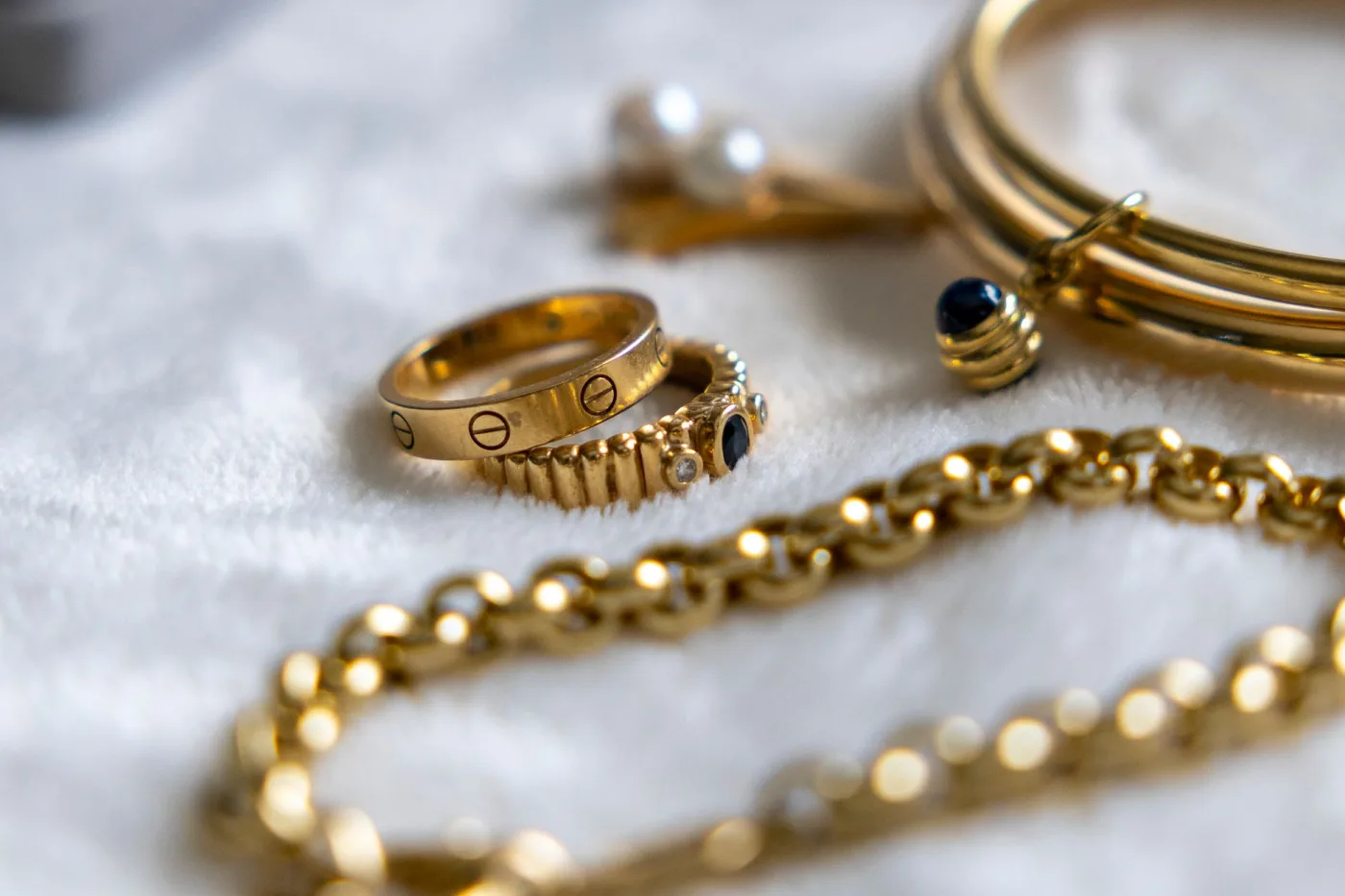
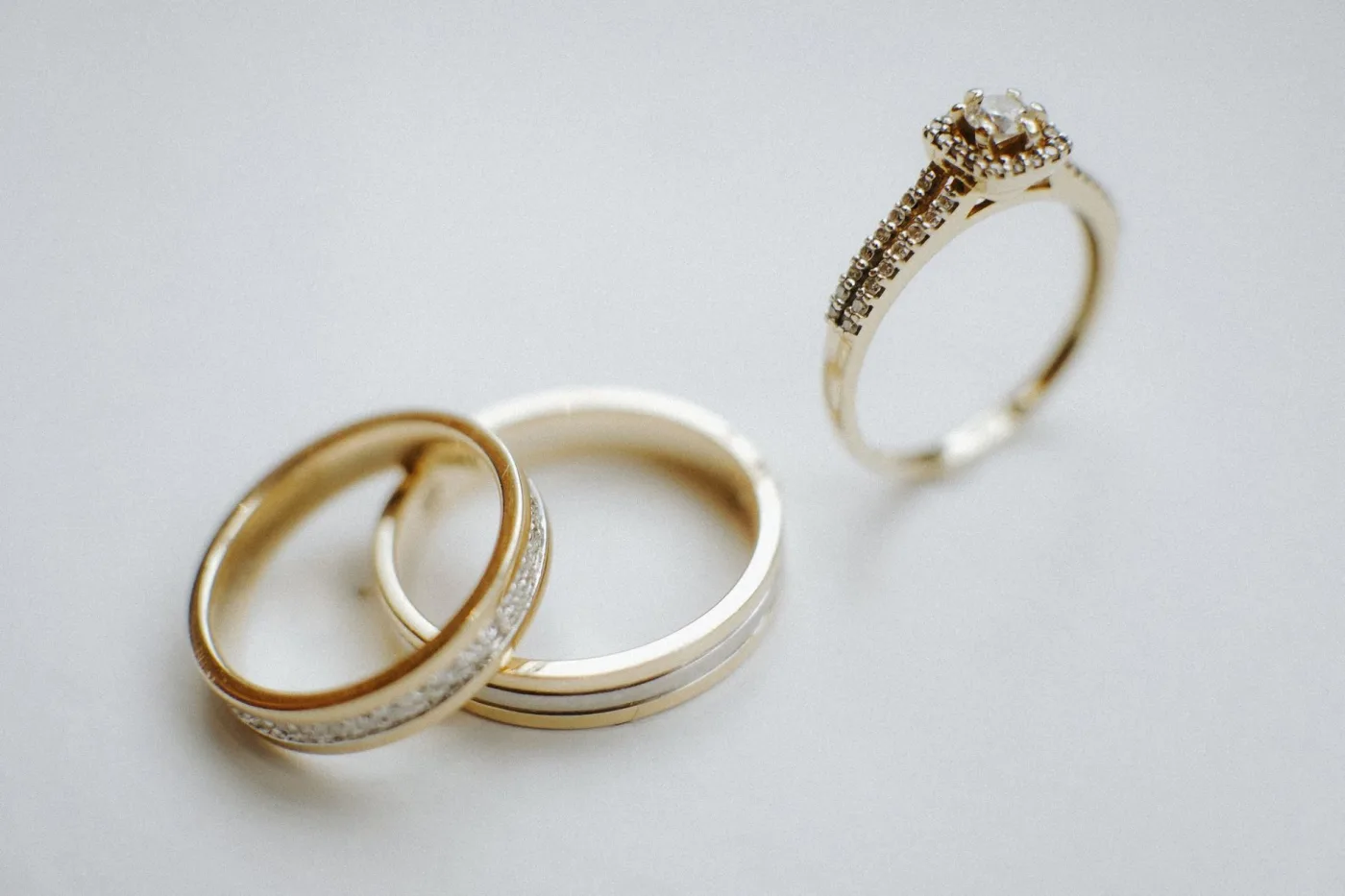
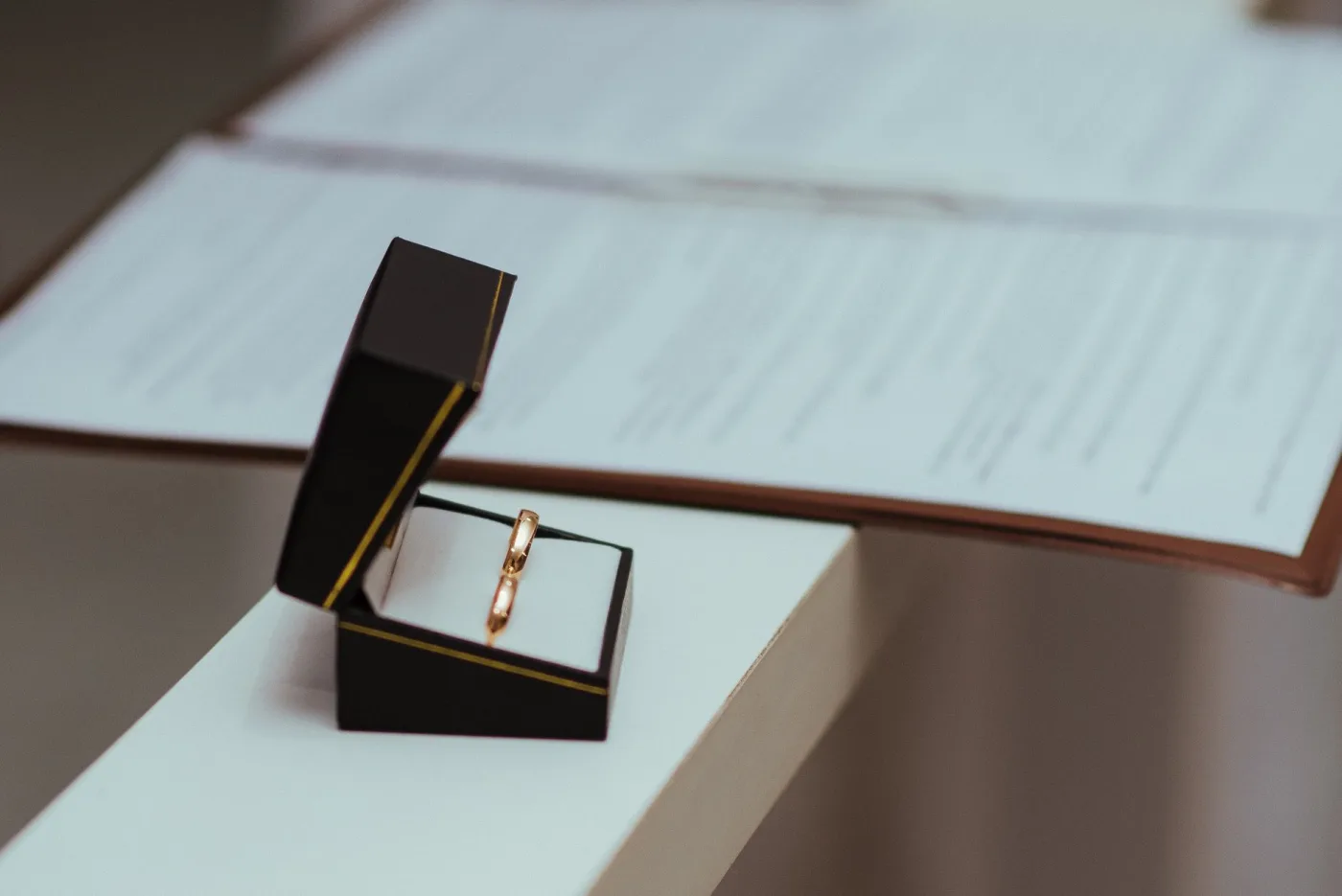
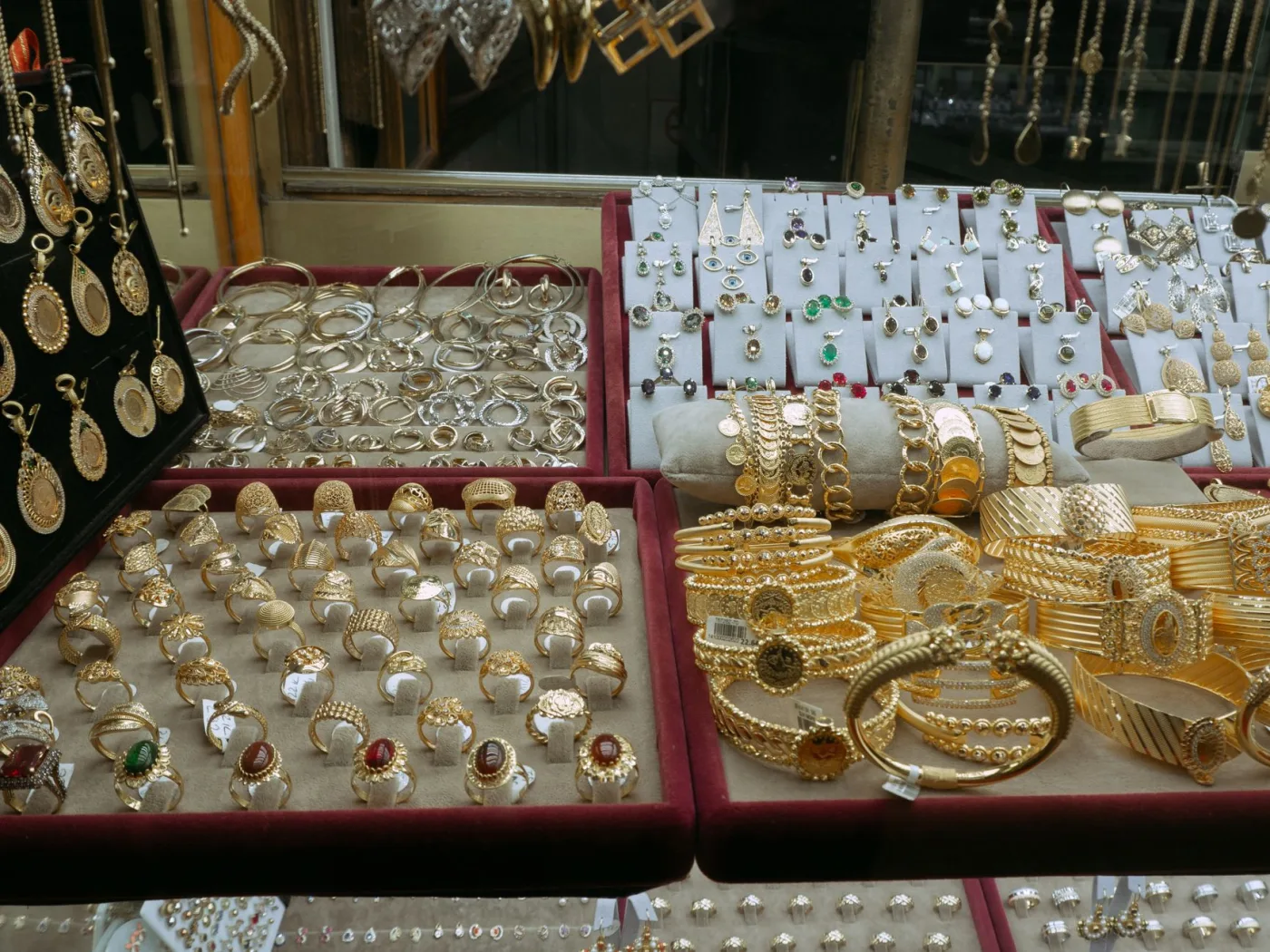
Pure gold is always the same warm yellow. Every other colour on a jeweller's tray exists because other metals were melted in with it, and those added metals are what shift the hue. This is the single fact that clears up most confusion: rose gold is not yellow gold with a pink finish painted on, and white gold is not silver. Each is gold alloyed with a different partner metal, so the colour goes all the way through. According to the Wikipedia article on coloured gold, the recipe decides everything.
Yellow gold
Gold blended with copper and silver. The classic, natural warm tone. Needs no plating and holds its colour for life.
White gold
Gold alloyed with a white metal such as nickel, palladium or silver, then rhodium-plated for a bright silvery finish.
Rose gold
Gold with a high proportion of copper. The more copper, the redder the tone, from soft pink to deep red gold.
Same karat, same gold
An 18k ring is 75% gold whatever its colour. Only the remaining 25% of alloy metals changes the shade.
That last point surprises people. A yellow 18k band and a rose 18k band contain exactly the same amount of pure gold. The colour comes entirely from the other quarter of the metal: more copper pulls it toward rose and red, white metals pull it toward silver-white. So choosing a colour is a matter of taste, not value or purity. Yellow reads traditional and suits warmer skin tones; white looks modern and pairs cleanly with a diamond or a steel watch; rose is distinctive and flattering, and its copper content happens to make it slightly harder-wearing than the other two.
Karat, explained without the jargon
Karat (spelled carat in much of the world, and not to be confused with the carat that weighs diamonds) measures how much of a piece is actually gold. The scale runs in twenty-fourths. Pure gold is 24 karat, meaning 24 parts out of 24 are gold. Every lower number tells you how many of those 24 parts are gold and how many are other metals. The Wikipedia entry on fineness sets out the standard conversions, and many countries stamp the equivalent parts-per-thousand figure instead: 18k is stamped 750, 14k is 585, and so on.
| Karat | Gold purity | Hardness | Best for |
|---|---|---|---|
| 24k (999) | 99.9% | Softest | Investment and coins, too soft for a daily band |
| 22k (916) | 91.6% | Very soft | Traditional South Asian bands worn gently |
| 18k (750) | 75% | Softer, dents | Richer colour, fine bands, light daily wear |
| 14k (585) | 58.3% | Harder, durable | The everyday sweet spot for most men |
| 10k (417) | 41.7% | Hardest gold | Budget and hardest wear, palest colour |
Read the table as a sliding scale rather than a set of grades. There is no "best" karat, only the karat that suits your priorities. If deep colour and maximum gold content matter most to you, go higher. If you want a ring that shrugs off a busy life with the least babying, go lower. For most grooms buying one band to wear every day, 14k is the answer, and 18k if you want a touch more warmth and can treat it a little more kindly.
The trade-off nobody explains: purity versus durability
Here is the single idea that ties karat to real life. Pure gold is beautiful precisely because it is so soft, and soft is exactly what you do not want in a ring you wear every day. A 24k band would deform if you gripped a heavy suitcase; the marks and dents would pile up within weeks. The other metals mixed in to make a lower karat are not there to cheat you, they are there to make the gold hard enough to survive. So as purity goes down, durability goes up, and the colour gets a little paler. That is the whole relationship, and once you see it the karat choice stops being a guess.
The two lines cross for a reason. More gold means a richer colour but a softer ring; less gold means a paler, tougher one. 14k sits near the practical middle.
The reason to care about the crossing point is comfort of ownership. A man who chooses 18k because the colour looked best in the case, then works with his hands all day, will be disappointed by how quickly the ring picks up dings. A man who chooses 14k for the same life will barely notice wear for years. Buy for the hands you actually have, not the display lighting.
White gold and the rhodium question
White gold deserves its own paragraph because it is the one gold that needs maintenance you should know about before you buy. Left as its raw alloy, white gold is not truly white: mixing yellow gold with white metals produces a pale, slightly warm or greyish tone rather than the bright silver most people picture. To get that crisp, mirror-white look, jewellers plate the finished ring with rhodium, a hard, brilliant-white precious metal from the platinum family. The rhodium is what you see and admire on a new white-gold band.
Plan for re-plating. Rhodium is a coating a few microns thick, and daily wear slowly rubs it away, usually fastest on the underside and along the edges. As it thins, the warmer tone of the gold beneath begins to show through, most often after one to three years depending on how hard you are on your hands. Restoring it is routine and inexpensive: a jeweller cleans, polishes and re-plates the ring in a short visit. Budget for this every couple of years and white gold stays flawless for life. If the idea of any upkeep bothers you, that is a genuine reason to consider naturally white metals instead, which we cover in the overview linked above.
One more note for sensitive skin: some white-gold alloys use nickel as the whitening metal, and nickel is the most common cause of jewellery allergy. A reaction typically shows up only once the rhodium plating has worn thin enough for skin to touch the alloy. If you know you react to costume jewellery, ask specifically for a nickel-free white-gold alloy, or steer toward yellow or rose gold, whose copper-and-silver recipes are far less likely to trouble you.
Hallmarks: how to verify it is really gold
Because you cannot tell karat by eye, gold is verified by a hallmark: a tiny stamp on the inside of the band that states its fineness. The fineness stamp is your proof of what you bought, and learning to read it takes a minute. You will see either the karat written directly, such as "14K" or "18K", or the parts-per-thousand equivalent, such as "585" for 14k or "750" for 18k. Many countries also add a maker's mark and an assay-office mark alongside it.
Find the stamp
Look inside the band. A genuine gold ring carries a fineness mark: 375, 585, 750, 916 or a karat number.
Read the number
585 equals 14k, 750 equals 18k, 916 equals 22k. The three-figure stamp is just the percentage times ten.
Check the extras
Reputable rings often add a maker's mark and, in some countries, an official assay-office stamp.
Keep the receipt
A written statement of metal and karat protects you and is essential for insurance and future resizing.
If a ring has no hallmark at all, treat it with caution and ask the seller to state the karat in writing. Note too that "gold plated", "gold filled" and "rolled gold" are not solid gold: they are a thin gold layer over a base metal, will wear through, and cannot be resized or repaired like the real thing. For a wedding band you intend to wear for decades, buy solid gold with a clear hallmark and a receipt.
Gold versus the contemporary metals, for a man
Grooms increasingly weigh gold against tungsten, titanium and ceramic, so it is worth being honest about where gold wins and where it does not. The newer metals are harder and cheaper; gold is more traditional, holds value, and can be worked by any jeweller forever. Neither is simply better. The right answer depends on what you want from a ring over a lifetime.
| Question | Gold | Contemporary metals |
|---|---|---|
| Can it be resized? | Yes, up or down, for life | Usually not at all |
| Scratch resistance | Softer, marks and polishes out | Very high, especially tungsten |
| Holds value? | Yes, intrinsic metal value | Little to no resale value |
| Price | Mid to high, moves with weight and karat | Low |
| Repair and refinish | Endlessly, by any jeweller | Often replaced rather than mended |
| Heirloom potential | High, made to be passed on | Low |
In short, choose gold if you want a ring you can resize, repair and pass on, and you value the tradition and the intrinsic worth. Choose a contemporary metal if you want maximum toughness for minimum cost and do not mind replacing the band should your size change. Many men solve it with two rings: a gold band for the wedding and everyday life, and a cheap, tough spare for the gym or the job site. If you want to see all the material options side by side, our companion guide to men's wedding rings lays out the full field.
What actually drives the price of a gold band
Two gold rings that look almost identical can carry very different price tags, and the reasons are simple once you know them. We use bands rather than exact figures here, because the gold price itself moves daily, but the relative drivers are stable.
Weight of gold
The biggest driver. A ring is priced largely on how many grams of gold it contains, so heavier and thicker bands cost more.
Karat
Higher karat means more pure gold per gram, so an 18k band costs more than a 14k band of the same size.
Width and profile
A wider or heavier profile uses more metal. Going from a slim 4mm band to a chunky 8mm one can noticeably raise the gram weight.
Work and extras
Hand finishing, engraving, milgrain edges, inlays or set stones all add labour and material on top of the gold itself.
The practical takeaway is that width and karat are the two dials you control. If a band is over budget, a slightly narrower profile or a step down in karat will bring the gram weight, and therefore the price, down without changing the look much. Rhodium plating on white gold adds a little too, and remember to factor the modest recurring cost of re-plating over the years. For how width and profile change the feel of a ring, not just the cost, our guide to wedding bands covers fit in depth.
Caring for a gold wedding band
Gold asks little, but a few habits keep it looking new. Because gold does not tarnish, most of what dulls a band is simply skin oil, soap film and dust, all of which lift off with a gentle clean. The softer metals also reward a light touch: the more careful you are about knocks and chemicals, the longer between polishes.
- Clean it gently. Warm water, a drop of mild dish soap and a soft brush, then rinse and pat dry. Do this monthly and the shine looks after itself.
- Keep chemicals away. Chlorine, bleach and harsh cleaners can attack the alloy metals in gold. Take the ring off before pools, hot tubs and cleaning.
- Remove it for heavy work. Lifting bars, gripping tools and climbing all dent and scratch soft gold. A set place to put it saves both the ring and the drain.
- Re-plate white gold on schedule. Every one to three years, have the rhodium refreshed so it stays bright and white.
- See a jeweller yearly. A quick professional check catches a thinning band or a loose stone before it becomes a loss, and a polish lifts the accumulated fine scratches.
Do that and a gold band genuinely lasts a lifetime, which is rather the point of it. Once you have settled on colour and karat, the last decisions are width, finish and any detailing, and those are covered in the sibling guides linked throughout. Choose the colour you will still love in thirty years, pick the karat that fits your hands, check the hallmark, and you have bought well.
Frequently asked questions
What karat is best for a men's gold wedding band?
For most men who wear their ring every day, 14k is the best all-round choice: at 58.3% gold it has enough purity to look unmistakably gold while being hard enough to resist the dents and scratches of daily life. Choose 18k (75% gold) if you want a richer colour and can treat the ring a little more gently, and 10k if you want the hardest, most budget-friendly option and do not mind a paler tone. Higher karats such as 22k and 24k are lovely but too soft for a band you never take off.
What is the difference between yellow, white and rose gold?
All three contain the same pure gold; the difference is the other metals mixed in. Yellow gold is blended with copper and silver for its classic warm tone. White gold is alloyed with a white metal such as palladium, silver or nickel and then plated with rhodium for a bright silvery finish. Rose gold has a high proportion of copper, which gives it its pink to red hue. At the same karat, all three hold identical gold content, so the choice is purely about colour and, in white gold's case, a little ongoing plating upkeep.
Why does my white-gold ring look slightly yellow, and can it be fixed?
White gold is not naturally bright white; its raw alloy has a faint warm or greyish tone, so rings are plated with rhodium to look crisply white. Over one to three years of wear that rhodium layer thins and the warmer gold underneath begins to show, usually along the underside and edges first. It is completely fixable: a jeweller cleans, polishes and re-plates the band in a short, inexpensive visit. Repeating that every couple of years keeps a white-gold ring looking new for life.
How can I check that a ring is really gold?
Look inside the band for a hallmark, the small fineness stamp that states its purity. You will see either a karat mark such as 14K or 18K, or the parts-per-thousand equivalent: 375 for 9k, 585 for 14k, 750 for 18k, 916 for 22k. Reputable rings often carry a maker's mark and, in some countries, an official assay stamp too. If there is no mark at all, ask the seller to state the karat in writing and keep the receipt. Beware "gold plated" or "gold filled" items, which are only a thin gold layer over base metal and are not solid gold.
Is gold or a metal like tungsten better for a man's wedding band?
Neither is simply better; they suit different priorities. Gold can be resized, repaired and refinished by any jeweller for life, holds intrinsic value, and is made to be passed on, but it is softer and more expensive. Contemporary metals such as tungsten and titanium are far harder and much cheaper, but usually cannot be resized and have little resale value. Choose gold if you want a lifelong, resizable heirloom; choose a contemporary metal if you want maximum toughness for the lowest price and are happy to replace the band if your size changes.