Newly Married Couple: The Complete Guide
Being newly married is an adjustment, not an endless honeymoon. A practical guide to the first year: money, home, family and the daily habits that build a lasting marriage.
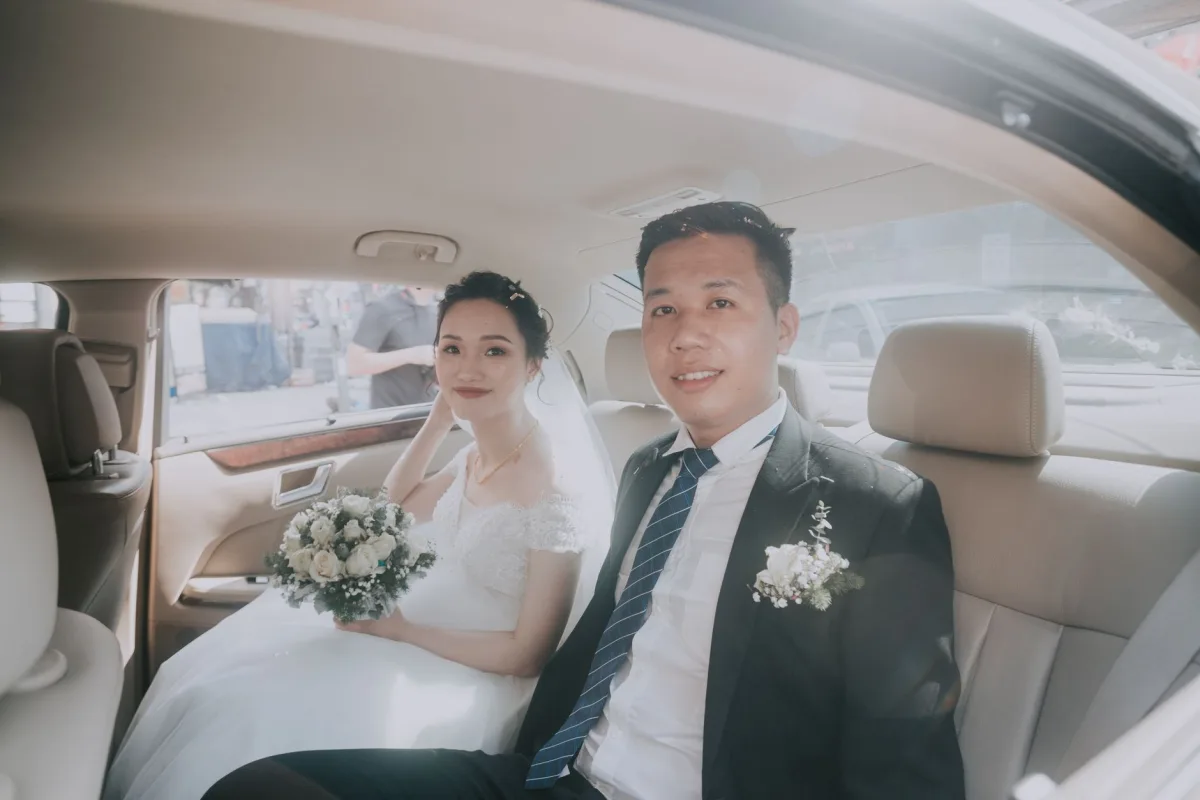
The wedding ends and the marriage begins, and the gap between those two things surprises almost every couple. The photographs are beautiful, the guests have gone home, and now there is the quieter, longer project of actually building a shared life. Being a newly married couple is less about romance under pressure and more about a hundred small decisions: whose account pays the bills, how you split the dishes, which family you visit first. This guide walks through the real first-year work, honestly and without panic, so the early months feel like a beginning rather than a test.
The short version
- The first year is an adjustment, not a honeymoon that never ends. Expecting friction makes it easier to handle.
- Money conversations come first. Aligning on spending, saving and accounts prevents most early conflict.
- You are joining two families, not just two people. Setting gentle boundaries early protects the marriage.
- Small daily habits beat grand gestures. Connection is built in the ordinary, not saved for anniversaries.
What "newly married" actually feels like
A newlywed is simply a person who has recently married, and the term usually covers the first year or so of married life. It is a genuine life stage with its own texture: a mixture of settling in, working out routines, and quietly renegotiating a thousand assumptions each partner brought from their own upbringing. Some of it is delightful and some of it is dull, and both are normal. The couples who struggle most are often the ones who expected the whole year to feel like the wedding day.
It helps to name the shift directly. Courtship and engagement are about choosing each other; the early marriage is about living with the choice. That is not a downgrade, it is a deepening, but it does ask for different skills. Where dating rewarded spontaneity, marriage rewards reliability and repair. If you are still building toward this stage, our overview of the wider relationship journey sets the scene for what comes after the vows.
Money: the conversation to have first




Nothing shapes the first year more than how you handle money, and nothing is more often avoided. The goal is not a perfect system on day one but an honest, ongoing conversation. Couples fall along a spectrum from fully merged finances to fully separate, with most landing somewhere in the middle, and there is no single right answer, only the one you both understand and agree to.
Choose an account structure
Fully joint, fully separate, or a hybrid with a shared account for household bills and personal accounts alongside. Decide together and revisit it.
Map the whole picture
Lay out incomes, debts, savings and obligations openly. Surprises about debt after the wedding are a classic and avoidable source of resentment.
Agree on goals
An emergency fund, a home deposit, travel, family support. Naming shared goals turns budgeting from restriction into a plan you both own.
Set a spending threshold
A simple rule, such as flagging any purchase above an agreed amount, prevents both micromanagement and nasty surprises.
The single most protective habit is a short, regular money check-in, perhaps monthly, done calmly and without blame. It keeps small imbalances from hardening into grievances. Money conflict is rarely about the numbers alone; it is usually about security, fairness and being heard, which is why talking early and often matters more than any particular budgeting app.
Building a home and dividing the load
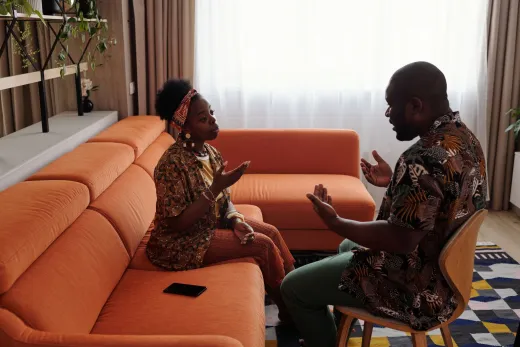
Living together full-time surfaces every unspoken assumption about how a home should run, and most of those assumptions were absorbed from childhood without a second thought. One partner may have grown up where dinner was always at seven; the other where meals were improvised. Neither is wrong, but they have to be reconciled, and the reconciling is the work of the first year.
The fairest households are not the ones where chores are split exactly down the middle but the ones where the division feels reasonable to both people and is talked about openly. Invisible labour, the remembering, planning and organising, is real work and deserves to be counted. Rather than keeping a silent scoreboard, name the tasks, decide who owns which, and accept that it will need adjusting as jobs and seasons change. Resentment grows in the gap between what one person does and what the other notices, so the cure is simply to notice out loud.
Two people, two families
Marriage joins families as much as individuals, and the in-law relationship is one of the most common early stress points. You are each stepping into the other's family culture, with its own rhythms, holidays, expectations and unspoken rules. Handled well, this is an enrichment; handled carelessly, it is where many first-year arguments start.
The guiding principle that saves the most trouble is to present a united front while staying warm to both families. Decisions about your household, from where you spend holidays to how much you help financially, are made by the two of you first and then communicated together. Each partner takes the lead in setting boundaries with their own family, which lands far better than criticism from the in-law. Boundaries set kindly and early are a gift to everyone, because they prevent the slow accumulation of small hurts. For the wider web of these ties, our guide to family relationships goes deeper on keeping them healthy.
The honeymoon and beyond
The honeymoon is the traditional trip a couple takes just after the wedding, and while its origins are debated, its modern purpose is clear: a deliberate pause to rest and reconnect before ordinary life resumes. Take it if you can, but do not load it with pressure to be perfect. A tired couple recovering from months of planning is allowed to nap on their honeymoon.
More important than the trip is what psychologists sometimes call the post-wedding dip, the flat, slightly deflated feeling that can follow any long-anticipated event. It is not a sign that anything is wrong with the marriage; it is the natural comedown after a huge focal point disappears. The remedy is to build new things to look forward to, small and large, so life after the wedding has its own forward motion rather than only a rear-view mirror full of one big day.
Habits that keep you close
Long-term connection is built less in dramatic gestures than in repeated small ones. Research on lasting interpersonal relationships consistently points to everyday responsiveness, turning toward each other in ordinary moments, as more predictive of happiness than grand romance. The good news is that these habits are simple; the challenge is only in keeping them once life gets busy.
- A daily check-in. Even ten unhurried minutes to ask how the other's day really went keeps you current with each other's lives.
- Protected time together. A regular date or shared ritual guards against becoming two people who merely co-manage a household.
- Repair after conflict. Fights are inevitable; what matters is coming back together, apologising cleanly and not letting things fester.
- Appreciation said aloud. Noticing and thanking each other for ordinary effort is small to say and large to receive.
For a deeper toolkit on this, our collection of relationship tips expands on the daily practices that keep couples connected well past the newlywed phase. The through-line is consistency: a marriage is the sum of countless small moments of attention, and the newly married year is where those habits are either set or missed.
When to ask for help early
Seeking support in the first year is a sign of care, not failure. Couples who learn to talk through conflict before it calcifies tend to do far better than those who wait until resentment is entrenched. If you find yourselves stuck in the same argument, struggling to communicate, or carrying an issue from before the wedding that will not resolve, a few sessions with a trained professional can reset the pattern early. Our guide to couples therapy explains what that support looks like and when it helps.
Above all, be patient with the version of marriage you are building. The newly married year is not a performance to nail but a foundation to lay, unevenly and with plenty of trial and error. The couples who look back fondly on it are rarely the ones who got everything right; they are the ones who kept talking, kept repairing, and gave each other room to learn. If you found your partner through a considered platform such as Matrimony360, this is the chapter that platform was always pointing toward: not the match, but the marriage that follows it.
Frequently asked questions
How long does the "newlywed" phase last?
There is no fixed rule, but the term usually covers roughly the first year of marriage, and many couples feel the adjustment period stretch a little beyond that. It is a life stage rather than a countdown. What matters is not when it officially ends but whether you use it to build good habits around money, communication and family that will carry the marriage forward.
Is it normal to argue a lot as newlyweds?
Yes. The first year involves merging two lives, two sets of habits and two family cultures, so friction is expected and does not signal a failing marriage. What distinguishes healthy couples is not the absence of conflict but how they handle it: fighting fairly, repairing afterwards, and not letting grievances accumulate. Frequent unresolved conflict, however, is worth addressing early with support.
Should newly married couples merge their finances?
There is no single right answer. Couples successfully use fully joint accounts, fully separate ones, or a hybrid with a shared account for household costs and personal accounts alongside. What matters far more than the structure is transparency: laying out all incomes, debts and goals openly, agreeing on a system you both understand, and checking in regularly. The conversation protects the marriage more than any particular arrangement.
What causes the post-wedding blues?
After months of planning and anticipation, the sudden absence of that focal point can leave couples feeling flat, which is often called the post-wedding dip. It is a normal emotional comedown, not a sign of a problem with the marriage. The best antidote is to create new things to look forward to together, so life after the wedding has its own momentum rather than only a memory of one big day.
When should newlyweds consider counselling?
Consider it early rather than late. If you keep having the same argument, struggle to communicate, or carry an unresolved issue from before the wedding, a few sessions with a trained professional can reset the pattern before it hardens. Seeking help in the first year is a mark of investment in the marriage, not a confession of failure, and couples who do it often build stronger long-term habits.