Outdoor Wedding Venues Near Me: How to Choose the Right One (2026 Local Guide)
Read the search results, compare what matters, budget honestly and plan for rain, so the outdoor venue you love online still works on the day.
Typing "outdoor wedding venues near me" into a search bar is easy. Knowing which of the results is actually right for your day, your guest list and your budget is the hard part. An outdoor venue can be the most beautiful choice you make or the most stressful, and the difference usually comes down to a handful of questions you ask before you sign anything. This local guide walks you through how to read the search results, what to compare, the realistic costs, and the exact things to check on a site visit so the view you fell in love with online still works on a wet Tuesday in October.
The short version
- "Near me" is a starting filter, not a shortlist. Distance matters for guests and suppliers, but capacity, wet-weather cover and licensing decide the day.
- Always have a plan B for rain. The best outdoor venues have a covered fallback that is just as good, not a leaking gazebo as an afterthought.
- Ask what the price includes. Hire fee, minimum spend, toilets, power, and whether you can bring your own caterer change the real total more than the headline number.
- Visit at the same time of day and season. A field that glows at noon in June can be a mud bath at dusk in November.
What "outdoor wedding venue" really means
Outdoor is a broad word that hides a lot of different experiences. A walled garden, a vineyard, a barn with a paddock, a beach, a woodland clearing and a country-house lawn are all "outdoor," yet they ask completely different things of you and your guests. The first job is to work out which flavour of outdoor you actually want, because that decides everything else, from the shoes your guests should bring to whether you need to hire a structure at all.
It also helps to separate the ceremony from the reception. Many couples marry outdoors and then move the wedding reception under cover, or the reverse. In England and Wales, for example, the rules on where a legally binding civil ceremony can take place have broadened in recent years to include suitable outdoor spaces at approved premises, but the detail still varies, so never assume: ask the venue to confirm in writing exactly where you are allowed to say your vows.
How to read your "near me" search results
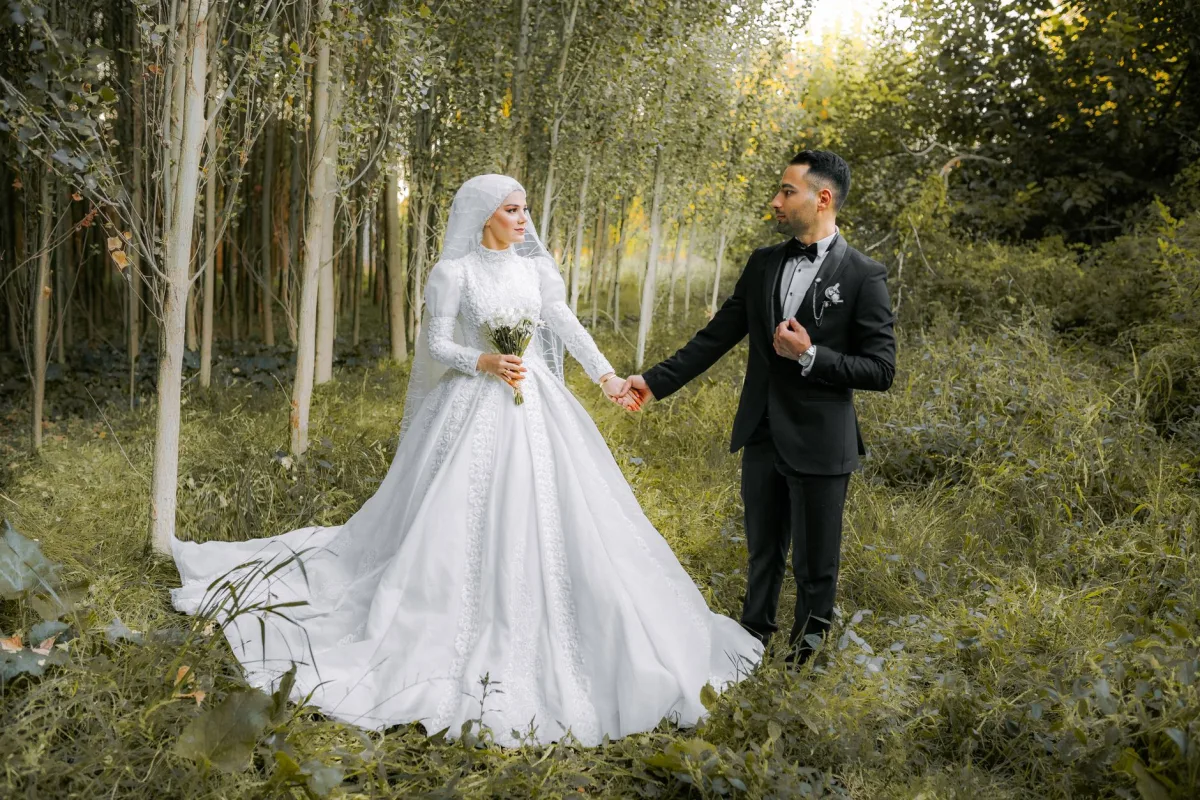
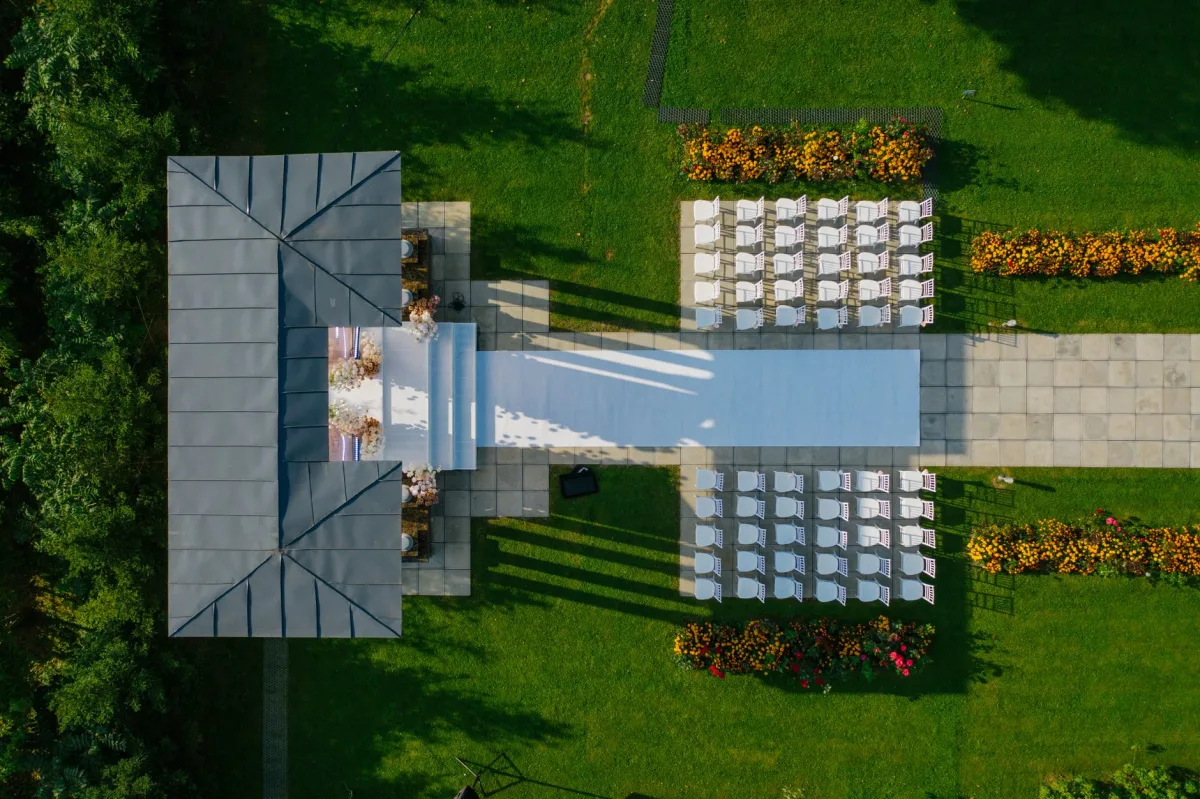
A local search rewards proximity, reviews and how well a venue has filled in its online profile, none of which tells you whether the place suits your wedding. Treat the first page of results as a long list, not a verdict. The venue three miles away with a glossy listing might have a hard capacity cap of 60, while the one forty minutes out comfortably seats 150 with covered space to spare.
Widen the map further than feels comfortable. Guests will happily travel a little for somewhere special, and a venue slightly out of town is often quieter, greener and better value than the in-demand spot everyone else in your area has already booked. Balance that against travel for elderly relatives and the cost of any overnight rooms. Our broader guide to finding wedding venues near you covers the search mechanics in more depth if you want to cast the net wider first.
The criteria that actually decide it
Once you have a handful of candidates, judge them against the same short list of criteria rather than on photographs alone. Photographs are chosen to flatter; these questions are not.
Capacity, honestly stated
Ask for the seated dinner number and the standing number separately. A lawn that holds 200 for drinks may only seat 90 for a meal once tables and a dance floor go in.
Wet-weather plan
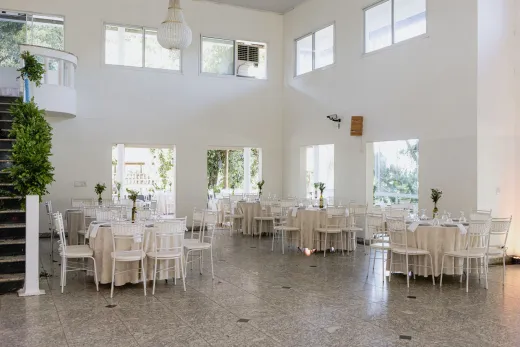
The single most important question for any outdoor venue. Is there a barn, orangery or marquee footprint that is genuinely nice, or just a corridor? See it, do not just hear about it.
Power, water and toilets
Fields rarely come plumbed. Check for real toilets or budgeted luxury units, a power supply for the band and caterer, and access to water. Generators cost money and make noise.
Access and parking
Can suppliers get vehicles close to set up? Is there level, firm parking, or will guests cross a muddy field in heels? Ask about drop-off for anyone with limited mobility.
Curfew and noise limits
Rural venues often have amplified-music curfews to protect neighbours and wildlife. Know the cut-off before you book the band, not after.
Catering terms
In-house only, an approved list, or bring-your-own with a corkage or kitchen fee? This one line can swing the total by thousands.
What outdoor venues really cost
Prices vary enormously by country, region and season, so treat any figure as a broad guide rather than a quote. As a rough shape, dry-hire of a field or garden where you build everything yourself sits at the lower end, an established venue with some infrastructure sits in the middle, and an exclusive-use country estate for the weekend sits at the top. Peak Saturdays in summer command the highest prices; a Friday, Sunday or off-season date can cut the hire fee meaningfully.
The trap with outdoor weddings is the hidden infrastructure. A cheap-looking field can become expensive once you add a marquee, flooring, lighting, toilets, a generator and a wet-weather backup. A pricier all-inclusive venue that already owns those things can work out cheaper overall and far less stressful. When you compare quotes, rebuild each one on the same basis: what is the total once you have somewhere warm and dry to eat, power for the evening, and loos your guests will not complain about? Our wedding planning checklist is a useful place to record those line items as you gather them.
Structures: marquees, tipis and permanent cover
If your chosen space has no building, a temporary structure becomes the heart of the wedding, so it is worth understanding the options. A traditional pole marquee is the classic English country choice, with tall central king poles and canvas that suits summer events and garden weddings. Frame marquees need no internal poles and sit neatly against buildings or on hard standing. Stretch tents flex to a space and look modern; tipis and sailcloth tents lean rustic and dramatic.
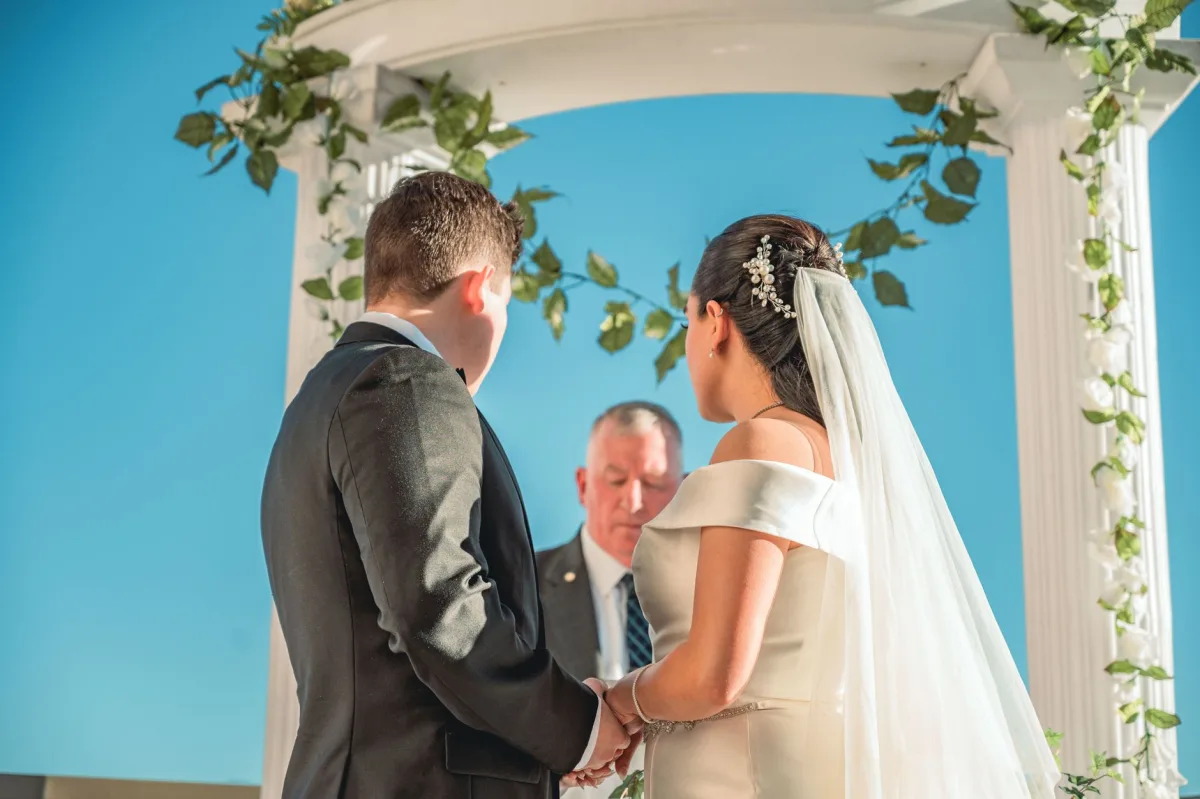
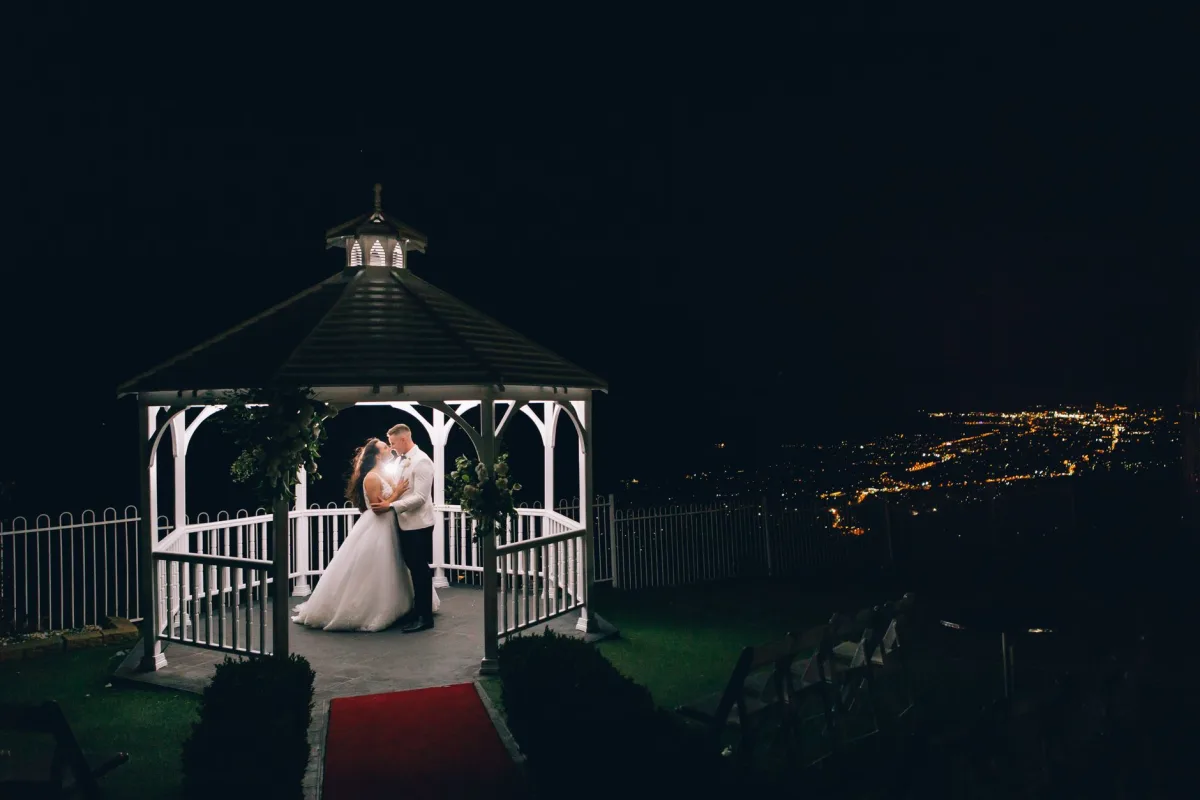
A permanent gazebo, pergola, orangery or barn is different again: it is always there, needs no hire, and gives you a fixed wet-weather answer. If a venue already owns solid cover, you are buying certainty. If it does not, price the structure, its flooring, heating and lighting as part of the venue, because without them an outdoor wedding is only a fair-weather bet.
The site visit: what to check in person
Never book an outdoor venue on photographs alone. Visit, and ideally visit close to your season and time of day. Walk the ground the way your guests will: from the car park to the ceremony to the loos to the bar. Is it level? Is it firm? Where does the sun sit at ceremony time, and will your guests be squinting into it or your photographer shooting into glare? Where does the wind come from, and does the whole site funnel it across the aisle?
Ask about the neighbours and the noise curfew, about what happens if it rains all day, and about the last wedding that got bad weather, what did the couple do, and were they happy? Check phone signal, the nearest accommodation, and how late suppliers can stay to pack down. Bring the questions from the criteria list above written out, and get the answers in writing. A confident venue will welcome the questions; one that gets evasive is telling you something.
Booking, contracts and the small print
When you are ready, read the contract slowly. Confirm the exact hire hours, the deposit and cancellation terms, what is included, and any minimum spend on food and drink. Check the insurance position: many venues require you to hold wedding insurance, and it is worth having regardless. Clarify who is responsible if a hired structure is damaged by weather, and what the backup is if the venue itself becomes unavailable.
Line up your key suppliers early, because good caterers, florists and bands book out a year or more ahead for peak dates. If your venue is a blank field, your caterer and your wedding florist will shape the day as much as the location does, and your catering plan needs to account for cooking with no fixed kitchen. Matrimony360 keeps guides across every one of these pieces, so you can plan the whole outdoor day in one place rather than stitching it together from scratch.
Frequently asked questions
How far should I search when looking for outdoor venues near me?
Start local for convenience, but be willing to travel thirty to sixty minutes for somewhere that fits your guest count and has proper wet-weather cover. Guests will happily travel a little for a special setting, and venues slightly out of town are often quieter and better value. Weigh that against travel for elderly relatives and the cost of overnight rooms, then set your realistic radius from there.
What is the biggest risk with an outdoor wedding?
Weather, without question. The way to manage it is not to hope for sun but to book a venue whose wet-weather plan is genuinely good: a barn, orangery or marquee footprint you would be happy to be in all day, not a cramped corridor. See the backup space in person before you book, and treat any venue that cannot show you a solid plan B as a fair-weather gamble.
Are outdoor venues cheaper than indoor ones?
Not always. A bare field can look cheap until you add a marquee, flooring, power, lighting and hired toilets, at which point it may cost more than an all-inclusive indoor venue that already owns those things. Compare quotes on the same basis: the total once you have warm, dry, well-lit cover and facilities your guests will not complain about.
Can I legally get married outdoors?
In many places, yes, but the rules vary by country and region and change over time, so never assume. Some jurisdictions require the legally binding ceremony to happen at a specifically approved spot, even if the celebration is outdoors. Ask the venue to confirm in writing exactly where a legal ceremony is permitted on their site, and check your local marriage authority's guidance separately.
What should I check on a site visit?
Walk the route your guests will take, from parking to ceremony to toilets to bar, and check the ground is level and firm. Note where the sun sits at ceremony time, where the wind comes from, the noise curfew, phone signal, and how late suppliers can stay. Ask what happens if it rains all day and to see the covered fallback space. Get every answer in writing.