Wedding Florist: The Complete Guide
What a florist really does, how flowers are priced, and how to choose, brief and book the right one for your day.
A wedding florist does far more than hand you a bouquet on the morning of the wedding. They are part designer, part logistician and part artist, translating a colour palette and a few reference images into flowers that fill a whole day, from the ceremony arch to the last table on the dance floor. Get the right one and the flowers feel effortless; get it wrong and it is one of the more expensive lessons in wedding planning. This complete guide explains what a wedding florist actually does, what it costs, how to choose and brief one, and how to get the look you want without paying for the parts nobody will remember.
The short version
- A florist designs and delivers, not just supplies. Bouquets, ceremony, reception, setup and takedown are all part of the job.
- Season and flower choice drive the price. In-season, locally grown blooms cost far less than out-of-season or imported ones.
- Brief with images and a budget. A clear mood board and an honest number let a good florist design to what you can spend.
- Book early for peak dates. Sought-after florists take a limited number of weddings and fill up a year or more ahead.
What a wedding florist actually does
Floristry is the trade of growing, arranging and selling flowers, and a wedding florist is a specialist within it who focuses on the particular demands of an event. That means not only choosing and conditioning flowers, but designing a scheme that runs coherently across a whole day, sourcing blooms in the right quantity and quality, building every arrangement, and often installing and removing them on site. It is a surprising amount of hidden labour behind what looks like a simple vase of flowers.
A good florist also acts as a guide. They know what is in season, what travels well, what wilts by the evening and what looks twice its price. They will steer you away from choices that photograph poorly or cost a fortune for little effect, and toward ones that punch above their weight. That expertise, not just the flowers, is what you are paying for.
The pieces a florist creates
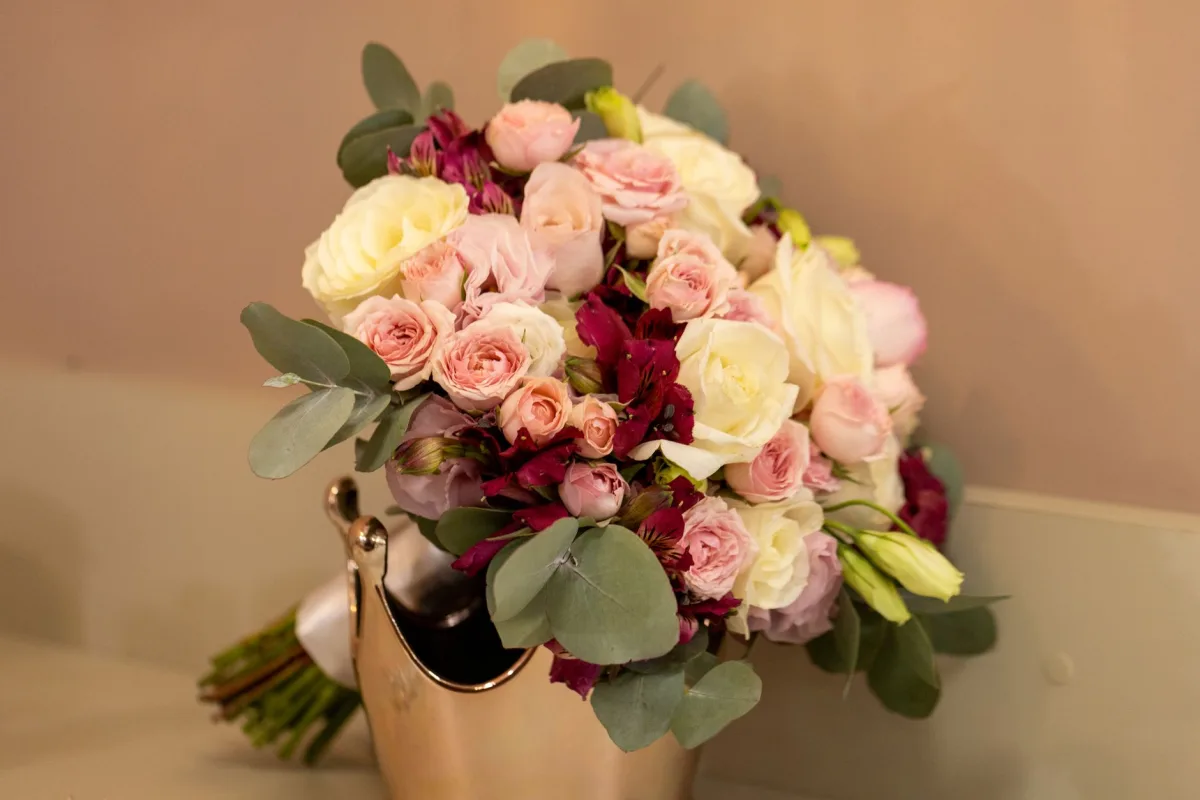
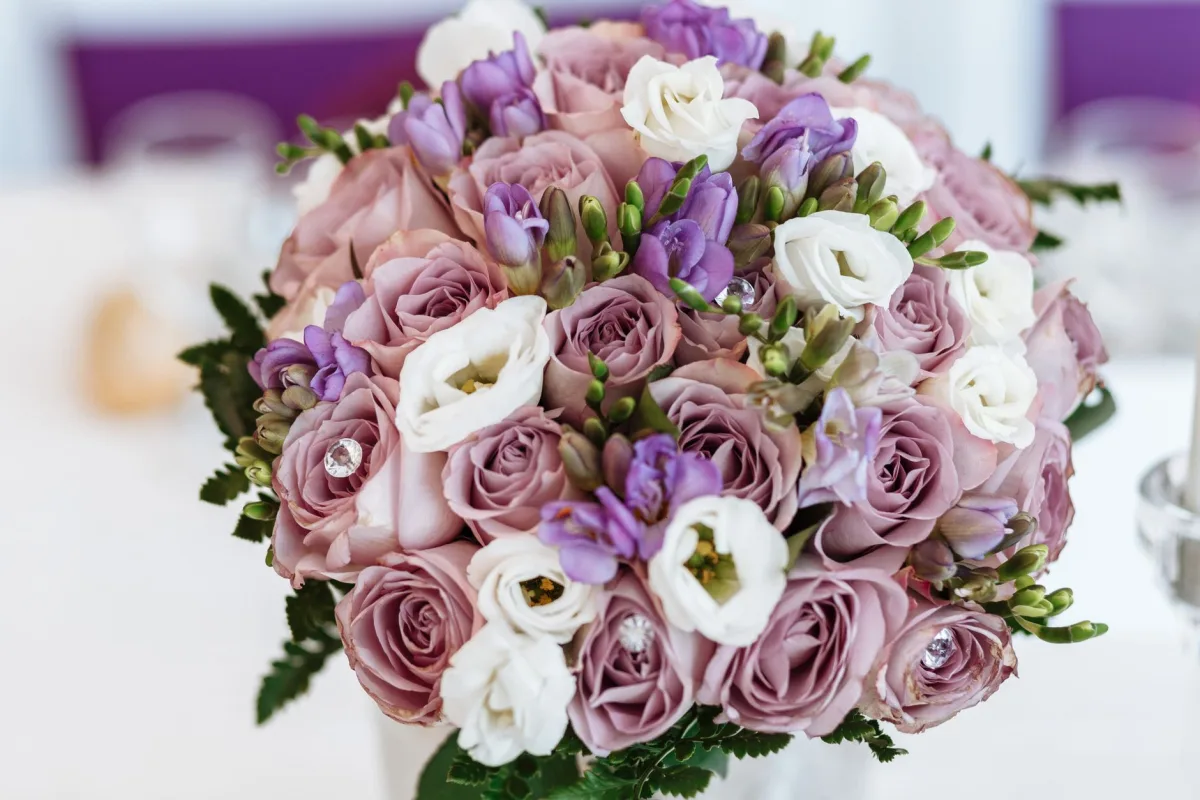
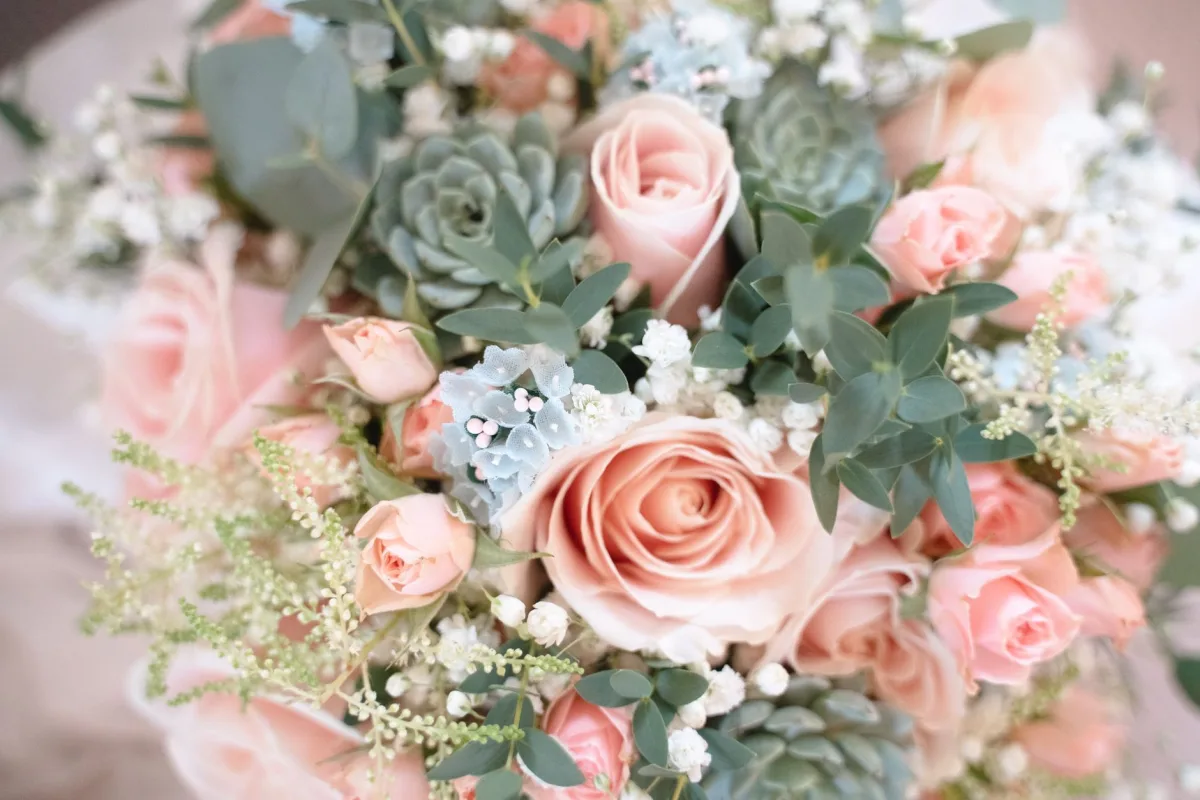
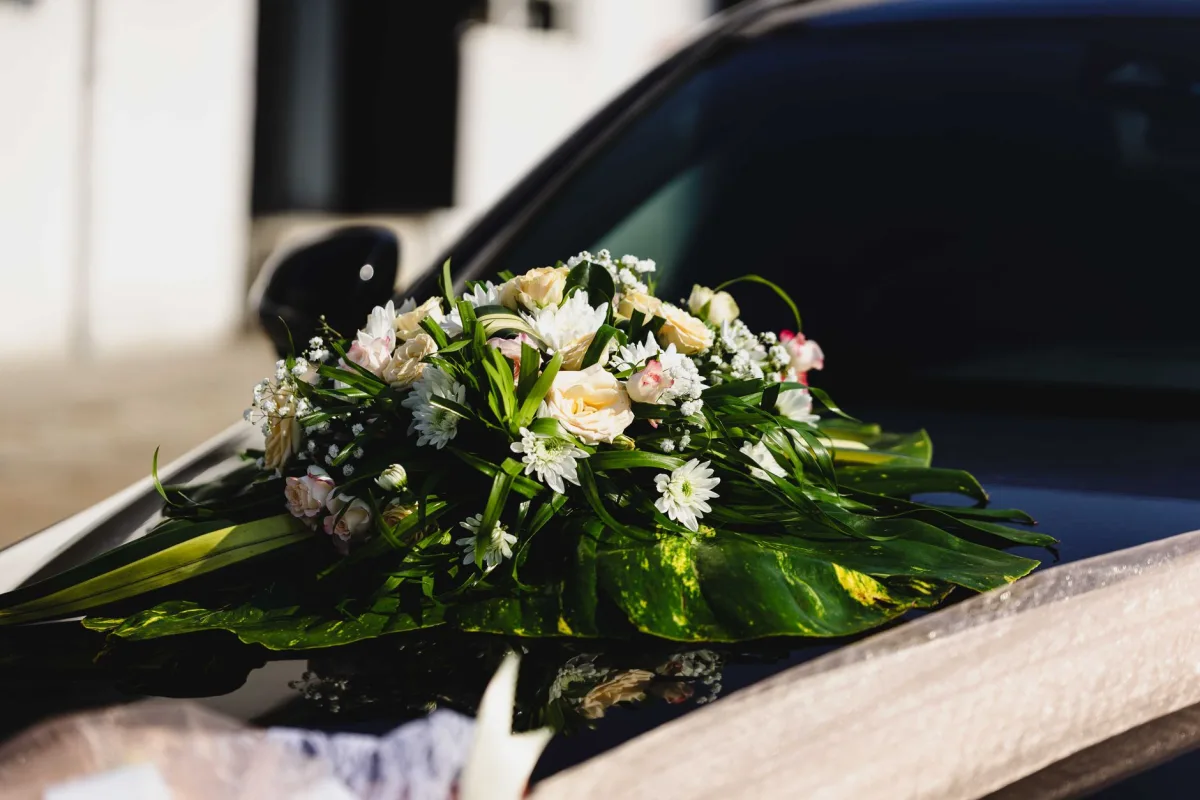
A wedding flower order is usually a collection of distinct pieces, each with its own job. Knowing the list helps you prioritise where the budget goes.
The bridal bouquet
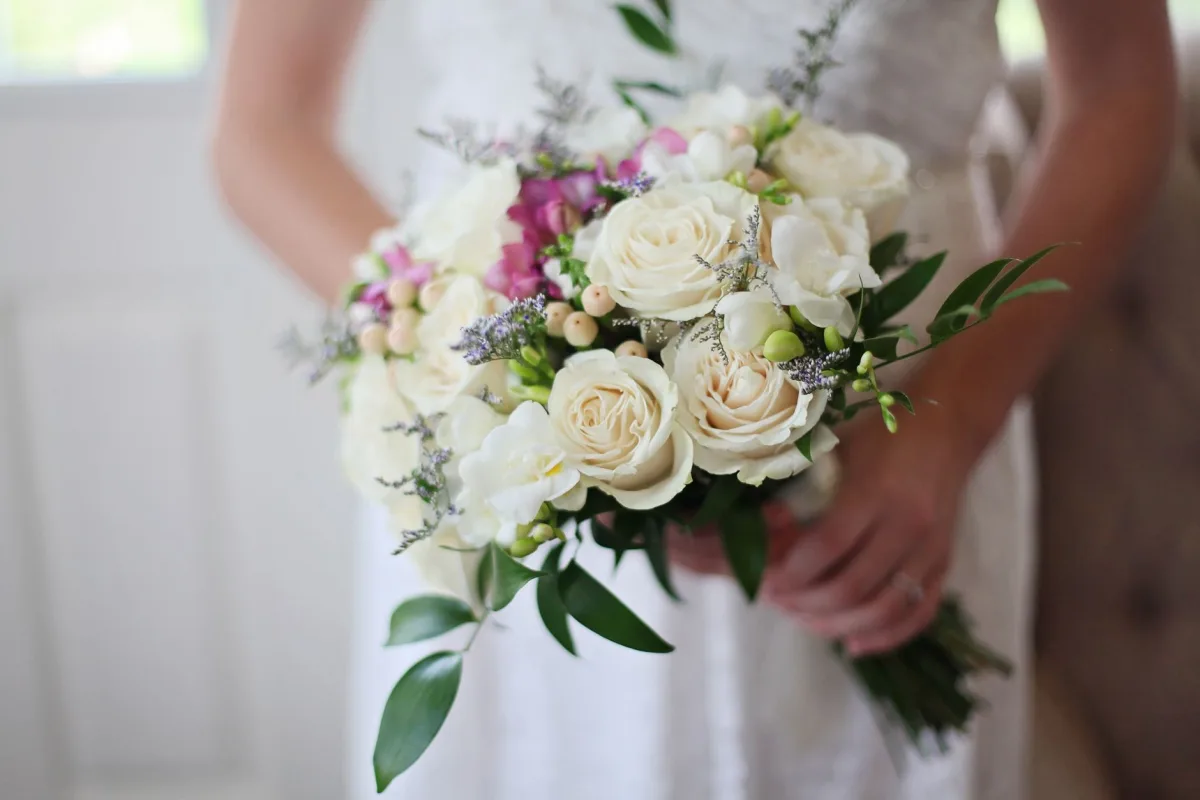
The signature piece, carried down the aisle and in most portraits. A flower bouquet is a bound arrangement of cut flowers, and the bridal one usually sets the palette for everything else.
Party flowers
Bouquets for attendants and buttonholes or corsages for the wider party and family. Smaller, but they multiply quickly across a large group.
Ceremony flowers
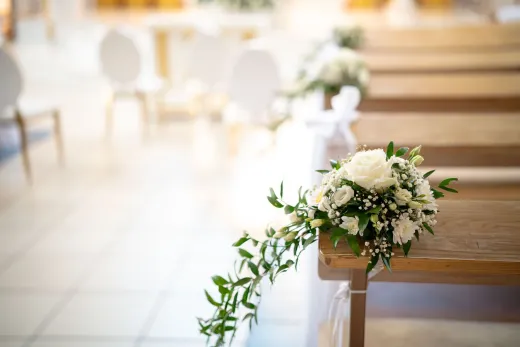
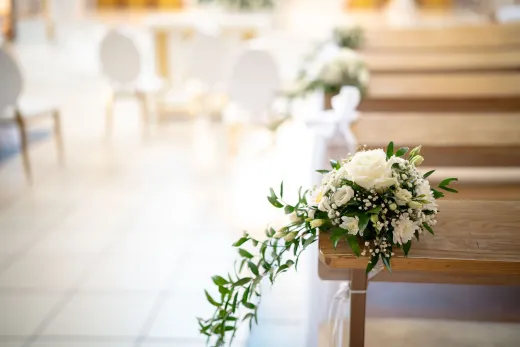
Arch, aisle, pedestals or altar arrangements. Often the most photographed backdrop of the day, sometimes moved to the reception to double their value.
Reception flowers
Centrepieces, top-table runners, cake flowers and entrance displays. Usually the largest share of the order by volume and cost.
Because these pieces stack up, the total can climb fast. A common money-saver is repurposing: ceremony arrangements move to the reception, and pedestal flowers become the top-table display. A good florist will suggest this without being asked. Our guides to wedding floral arrangements and floral decoration ideas break down the individual pieces in more detail.
How wedding flowers are priced
Flower costs vary enormously by season, flower type, region and scale, so treat any number as a broad range rather than a quote. The biggest single lever is seasonality. Flowers in season and grown locally are far cheaper than out-of-season or imported blooms, which have to be flown in and command a premium. Choosing peonies at the wrong time of year, for example, can multiply their cost several times over.
Volume is the other big driver. A small ceremony with a bouquet and a handful of arrangements sits at the low end; a large reception with a statement installation, lavish centrepieces on every table and flowers on the arch, cake and staircase sits at the top. Labour and setup are real costs too, especially for large installations that take a team hours to build on site. To keep control, agree a total budget up front and let the florist design to it, and log the figure on your wedding budget checklist so it does not creep.
How to choose the right florist
Start with their portfolio, but look past the single best photograph. You want to see consistency across whole weddings, and ideally a style that matches yours, since a florist who excels at wild, loose floral design may not be the one for tight, structured formality, and vice versa. Read reviews for how they handled the day itself, not just the flowers: reliability, communication and calm under pressure matter enormously.
Then meet or call your shortlist. Notice whether they listen and ask about you, or simply push their signature look. Ask how many weddings they take per weekend, whether they will be there in person on the day, and how they handle substitutions if a flower is unavailable. A confident florist is honest about what your budget will and will not stretch to, rather than promising everything and disappointing later. If you are searching locally, our guide to finding a wedding florist near you covers the local-search side.
Briefing your florist well
The quality of your flowers depends heavily on the quality of your brief. Florists are not mind readers, and the more clearly you convey what you love, the closer the result will be to what you imagined. Come to the consultation prepared rather than expecting to decide everything on the spot.
- Bring a mood board. A tight set of images you love, and a few you actively dislike, tells a florist more than paragraphs of description.
- Share your palette. Your colours, your dress or outfit style, and the venue's own tones, so the flowers work with the whole look rather than against it.
- Be honest about budget. A real number lets the florist design to it; a vague "not too much" wastes everyone's time and risks a quote that shocks you.
- Describe the venue. Ceiling height, natural light, existing decor and any restrictions all shape what will work and what is wasted.
- Flag your must-haves. A meaningful flower, an allergy, a family tradition, or a photograph you cannot live without.
Timeline and logistics
Book your florist once you have your date, venue and rough palette, typically six to nine months ahead, and earlier for peak summer Saturdays when the best fill up a year or more in advance. Sought-after florists cap how many weddings they take each weekend, so a popular date is a real constraint, not a formality.
Closer to the day, confirm the delivery and setup schedule, where each piece needs to be and when, and who is responsible for moving repurposed arrangements from ceremony to reception. Clarify whether the florist returns to take down and collect vessels, or whether that falls to you. These logistics are easy to overlook and stressful to sort on the morning, so pin them down in writing. Once the flowers are settled, our guide to wedding table decorations helps you build the rest of the tablescape around them. Matrimony360 keeps guides across every part of the day, so you can plan flowers, styling and venue together rather than in isolation.
Frequently asked questions
How much does a wedding florist cost?
It varies widely by season, flower choice, region and scale, so treat any figure as a broad range rather than a quote. The biggest levers are seasonality, with in-season local flowers far cheaper than imported ones, and volume, with a small ceremony order sitting well below a large reception full of statement installations. The reliable approach is to set a total budget and let the florist design to it.
How far in advance should I book a wedding florist?
Typically six to nine months ahead, and earlier for peak summer Saturdays when the most in-demand florists book up a year or more in advance. Because good florists cap the number of weddings they take each weekend, popular dates are a genuine constraint. Book once you have your date, venue and rough colour palette settled.
How can I save money on wedding flowers?
Choose flowers that are in season and locally grown, keep the number of different varieties down, and repurpose arrangements, moving ceremony flowers to the reception and pedestals to the top table. Concentrate the budget where flowers are seen most, and lean on greenery and candles elsewhere. Give your florist an honest budget so they can suggest cost-effective swaps rather than guessing.
What should I bring to a florist consultation?
A mood board of images you love and a few you dislike, your colour palette, details of your outfit and venue, an honest budget, and any must-have flowers or restrictions such as allergies. The clearer your brief, the closer the result will be to what you imagined, and the more useful the florist's advice can be about what your budget will realistically achieve.
Do florists set up and take down the flowers?
Many do, but never assume. Some prices include delivery, on-site setup and later collection of vessels, while others cover delivery only and leave the rest to you. Confirm exactly what is included, who moves any repurposed arrangements from ceremony to reception, and whether takedown is part of the service, all in writing before you book.